Events
Calendar of Events
|
Sunday
|
Monday
|
Tuesday
|
Wednesday
|
Thursday
|
Friday
|
Saturday
|
|---|---|---|---|---|---|---|
1 event,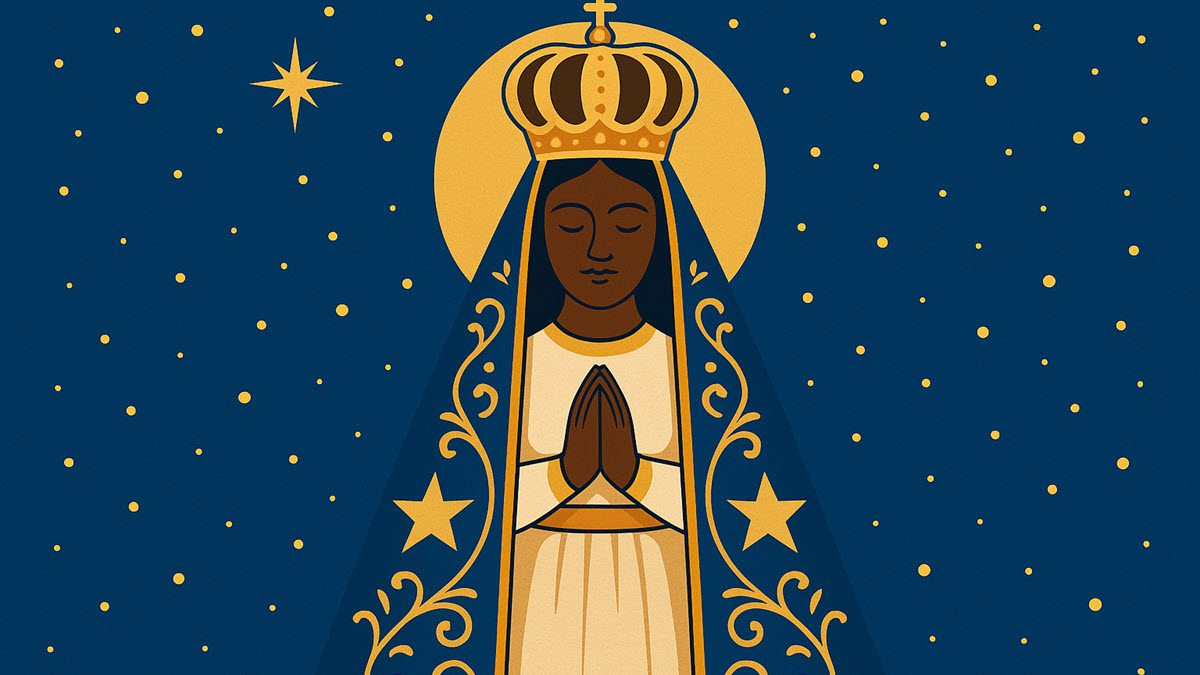
Our Lady of Aparecida Day honors Nossa Senhora Aparecida, the patron saint of Brazil. The day commemorates the 1717 discovery of a small clay statue of the Virgin Mary by fishermen in the Paraíba River, which became a symbol of hope and faith. Over centuries, devotion to Our Lady of Aparecida grew into one of Brazil’s most cherished traditions. Millions of pilgrims visit the Basilica of the National Shrine of Aparecida, one of the largest churches in the world, to pay tribute. |
3 events,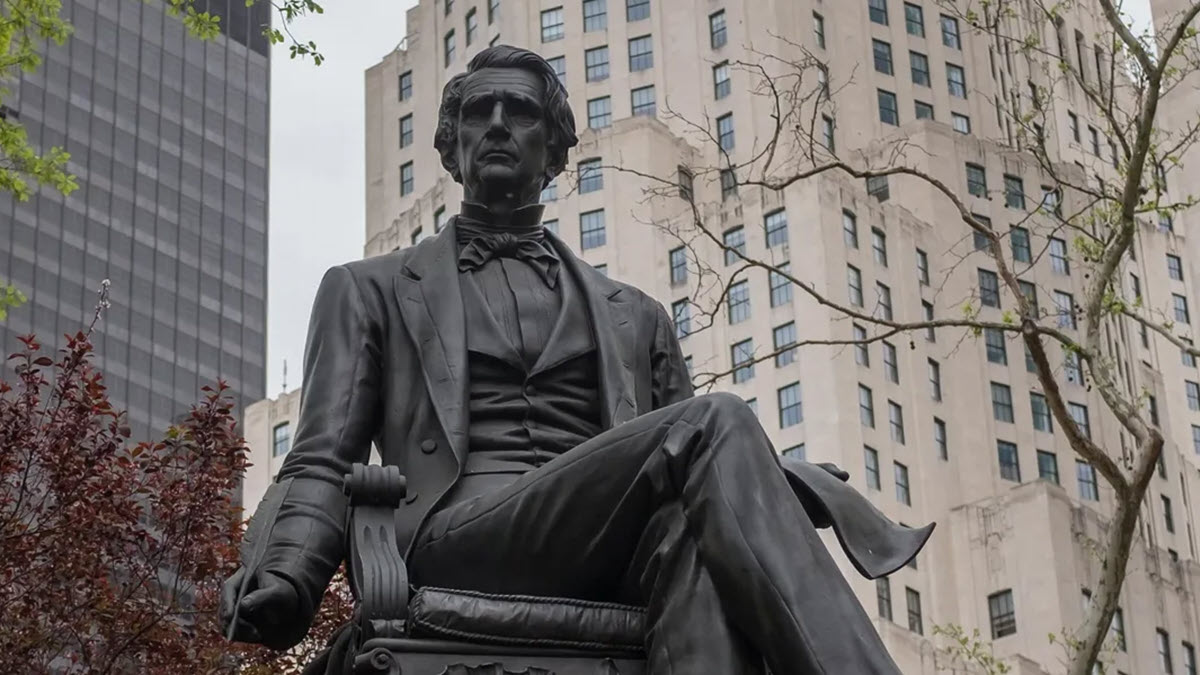
Seward's Day commemorates a pivotal moment in American history when the United States acquired Alaska from Russia, shaping the nation's geopolitical and economic future. This state holiday, celebrated in Alaska, honors William H. Seward, the U.S. Secretary of State who negotiated the Alaska Purchase. 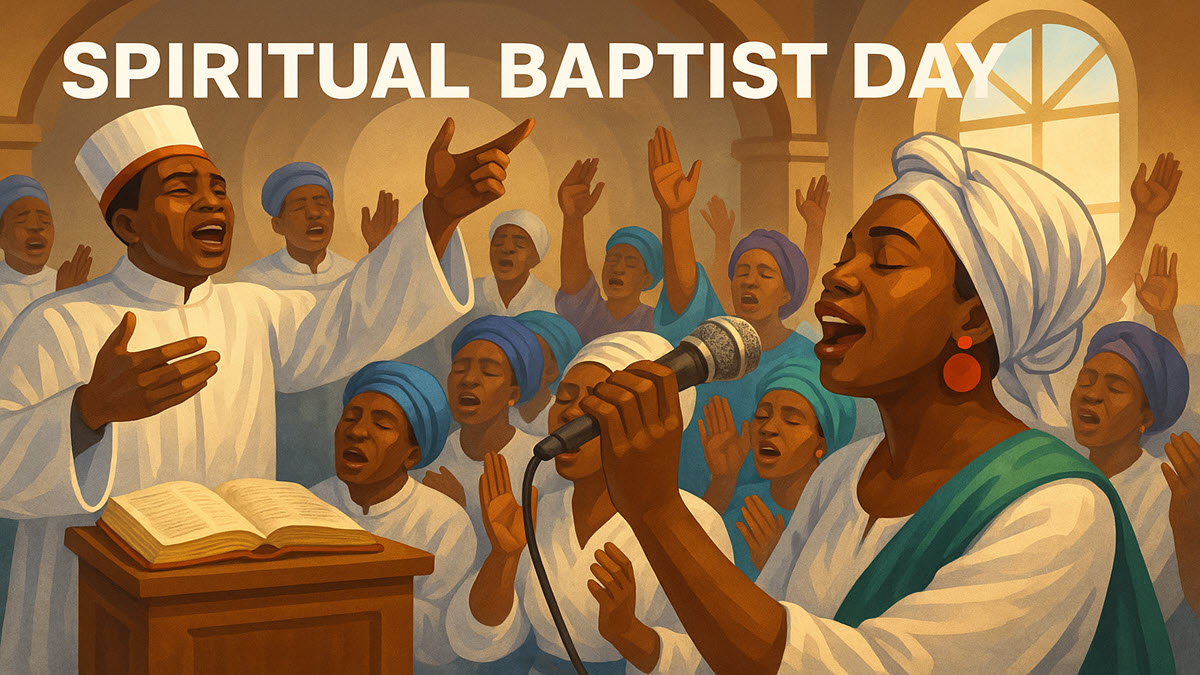
The Spiritual Baptist faith, also called the Shouter Baptist faith, is a Christian-based religion that combines elements of Protestant Christianity with African spiritual traditions. It is unique to the Caribbean, especially Trinidad and Tobago, Saint Vincent and the Grenadines, and Grenada. |
3 events,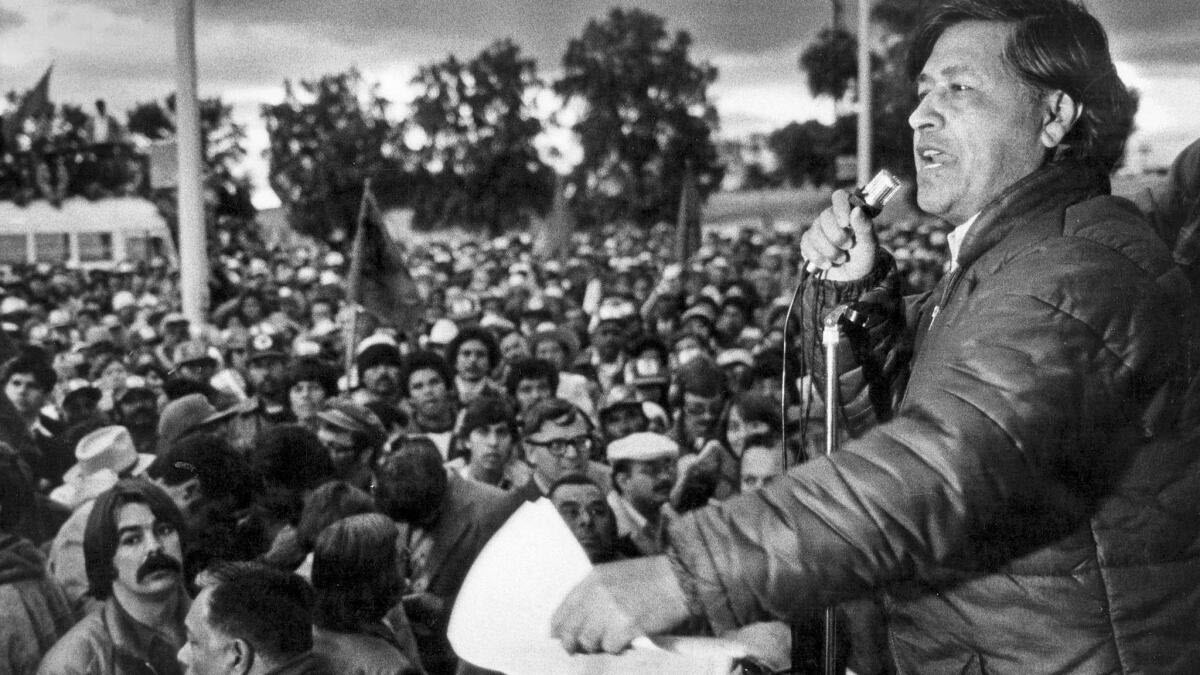
Cesar Chavez Day is a U.S. federal commemorative holiday celebrated annually on March 31. It honors the life and legacy of Cesar Chavez, a civil rights leader and labor activist who co-founded the United Farm Workers (UFW). 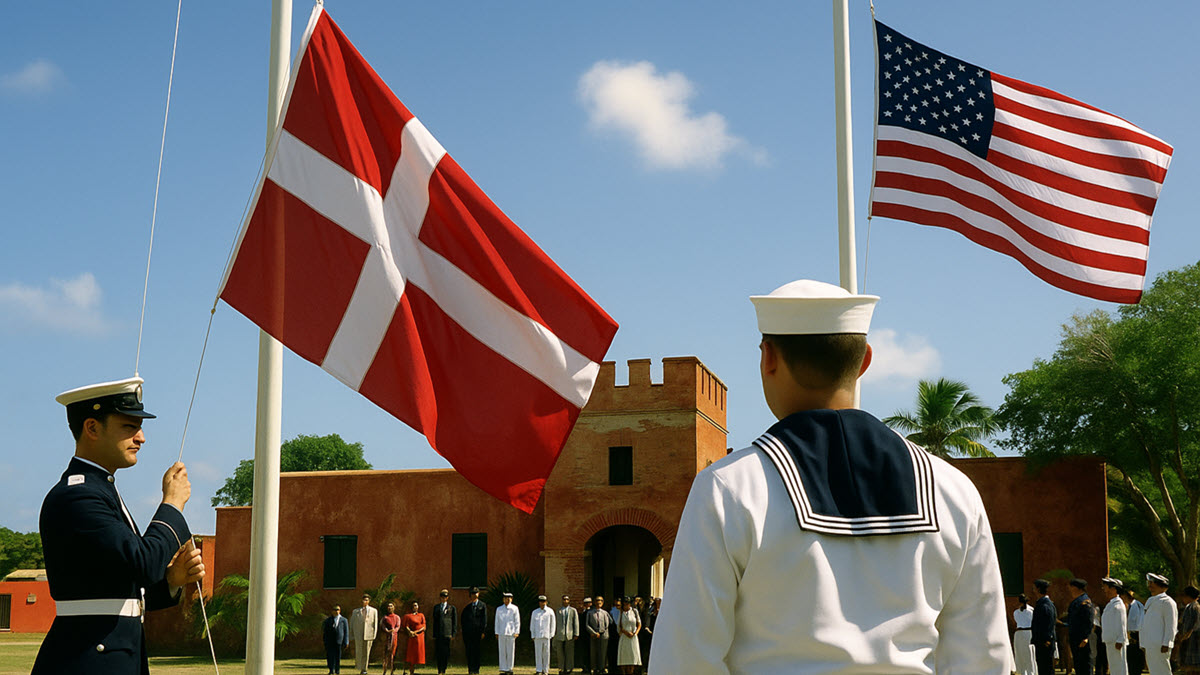
Transfer Day in the U.S. Virgin Islands commemorates the transfer of the islands from Denmark to the United States in 1917, marking a major historical turning point for the territory. |
2 events,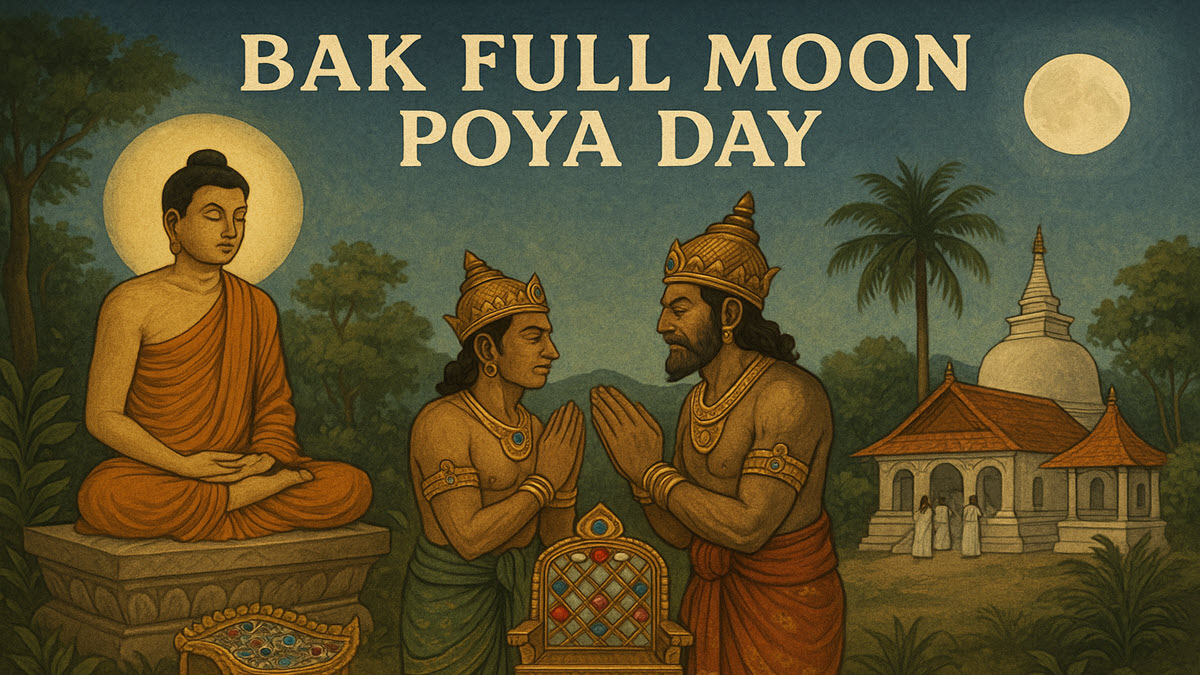
Bak Full Moon Poya commemorates the Buddha’s second visit to Sri Lanka in the 5th year after Enlightenment, when he settled a war between Naga kings Chulodara and Mahodara at Nagadipa. The event, recorded in the Mahavamsa, symbolizes peace and the Buddha’s role as peacemaker. |
3 events,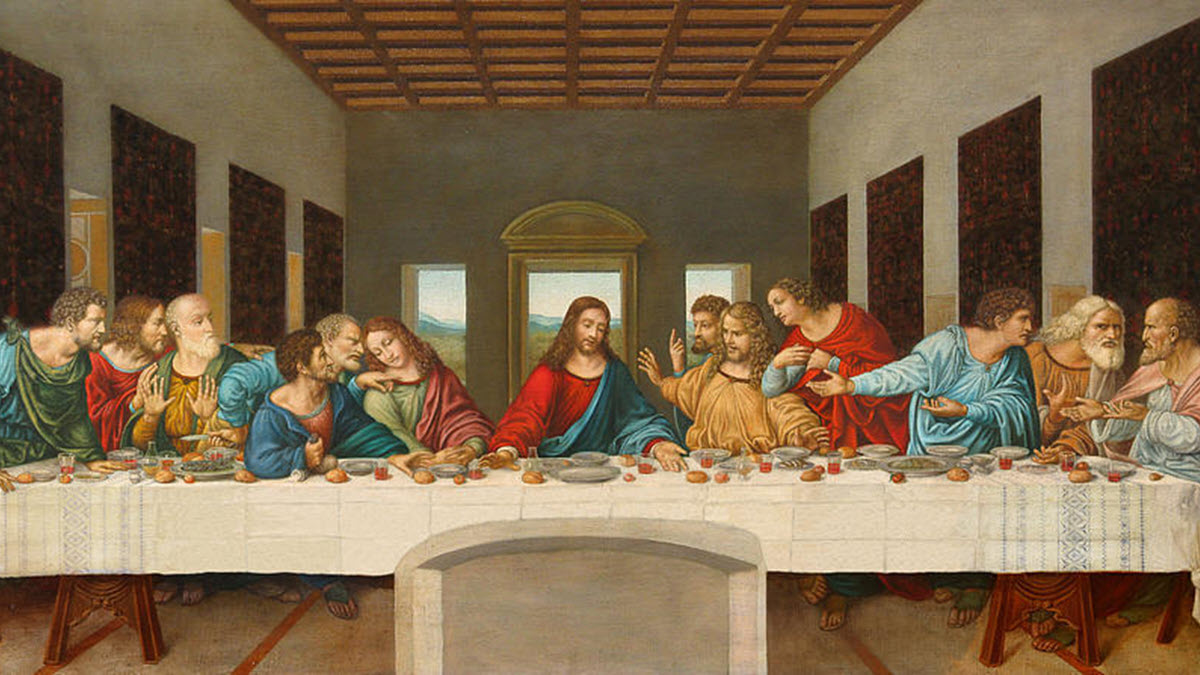
Maundy Thursday, also known as Holy Thursday, is a significant day in the Christian liturgical calendar, commemorating the events of the evening before Jesus's crucifixion. It is part of Holy Week and marks the institution of the Eucharist, the Last Supper, and Jesus’s act of washing His disciples’ feet. 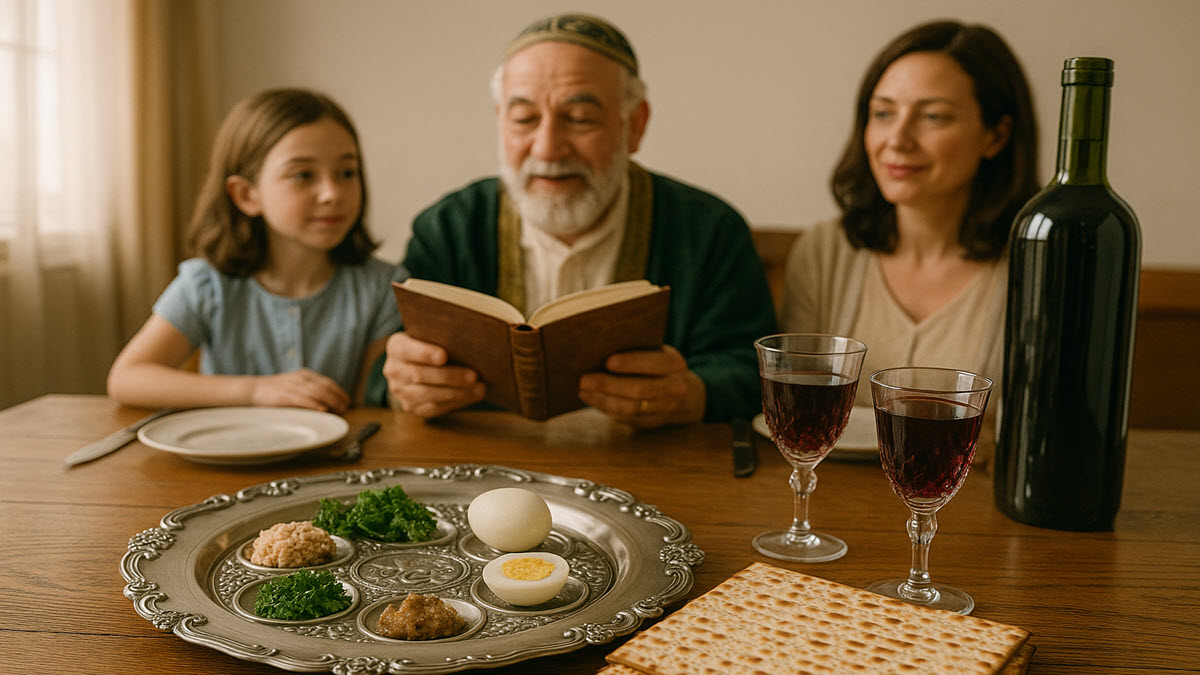
The First Day of Passover marks the start of the Jewish festival commemorating the Exodus from Egypt. It is observed with special prayers, the prohibition of leaven, eating matzah and the Seder meal that retells the story of liberation. It stands as one of Judaism’s most important holidays, celebrating freedom, resilience and faith. |
2 events,
Good Friday is a significant day in the Christian calendar, commemorating the crucifixion and death of Jesus Christ. It is observed during Holy Week on the Friday before Easter Sunday and is a solemn day of reflection and prayer for Christians worldwide. |
3 events,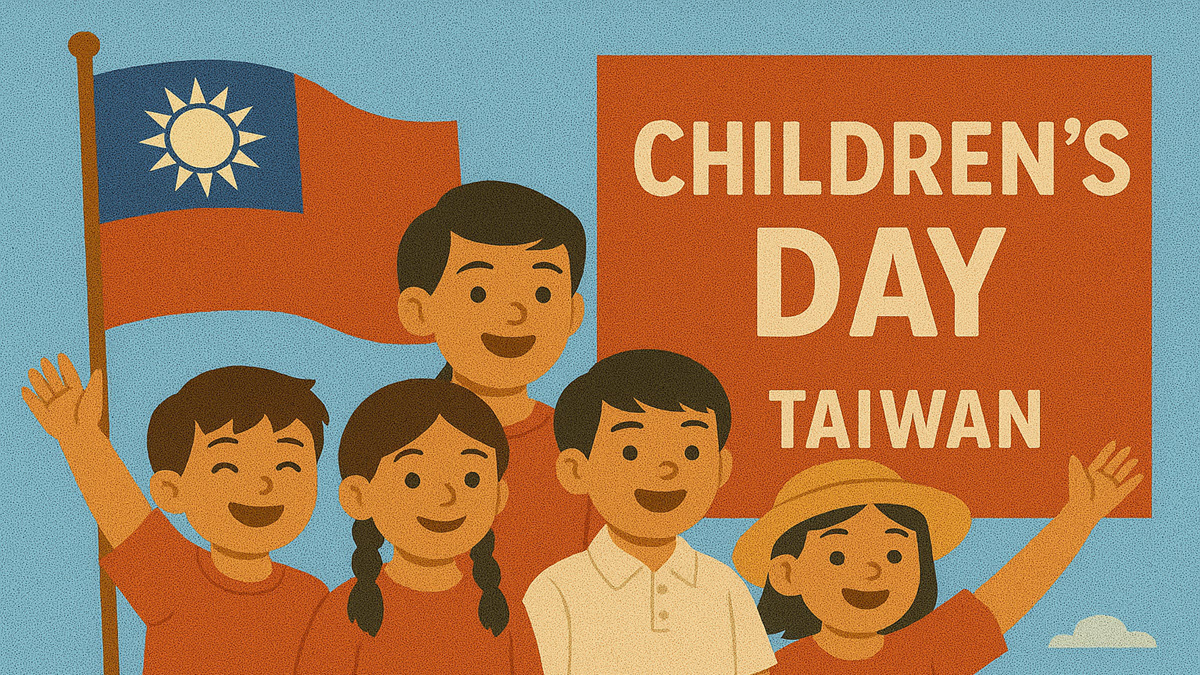
Children’s Day (兒童節) in Taiwan is celebrated every year, and it’s a national holiday dedicated to honoring children, promoting their well-being, and recognizing the importance of nurturing the next generation. 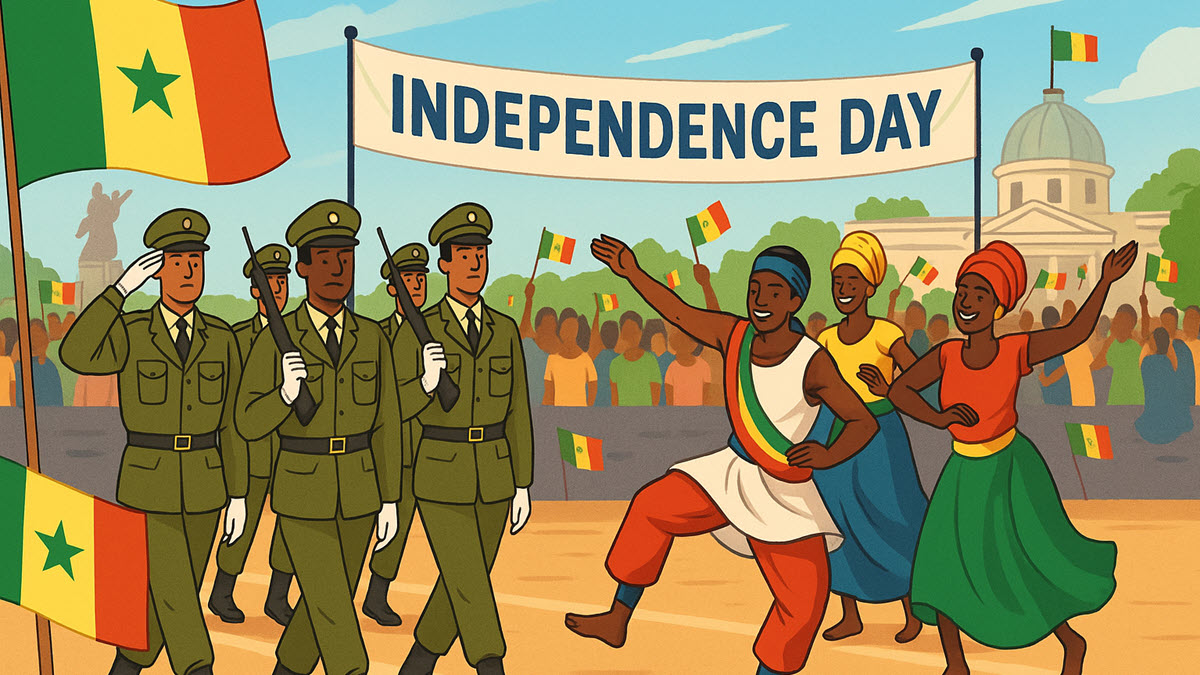
Independence Day in Senegal commemorates April 4, 1960, when the country gained independence from France as part of the Mali Federation. Even after Senegal became a fully independent republic later that year, April 4 was chosen to mark the nation’s liberation. |
2 events,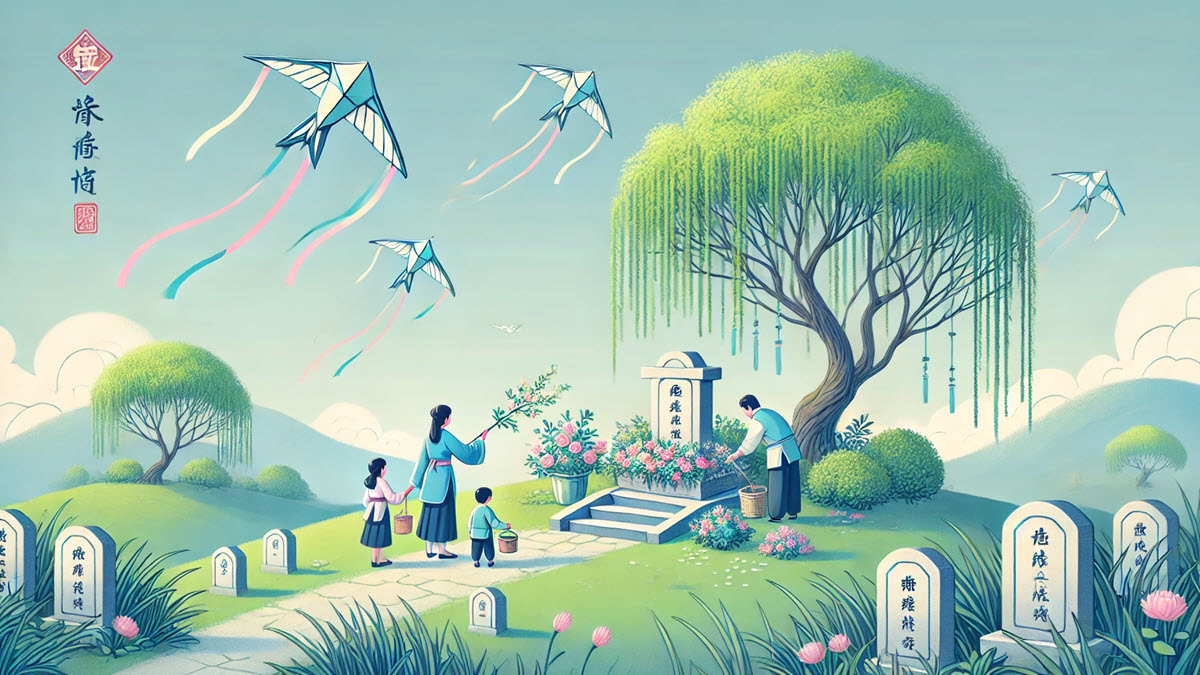
The Qingming Festival (清明节), also known as Tomb-Sweeping Day, is a traditional Chinese festival. It is a time for Chinese people to honor their ancestors by visiting their graves, cleaning the tombstones, and making offerings. |
3 events,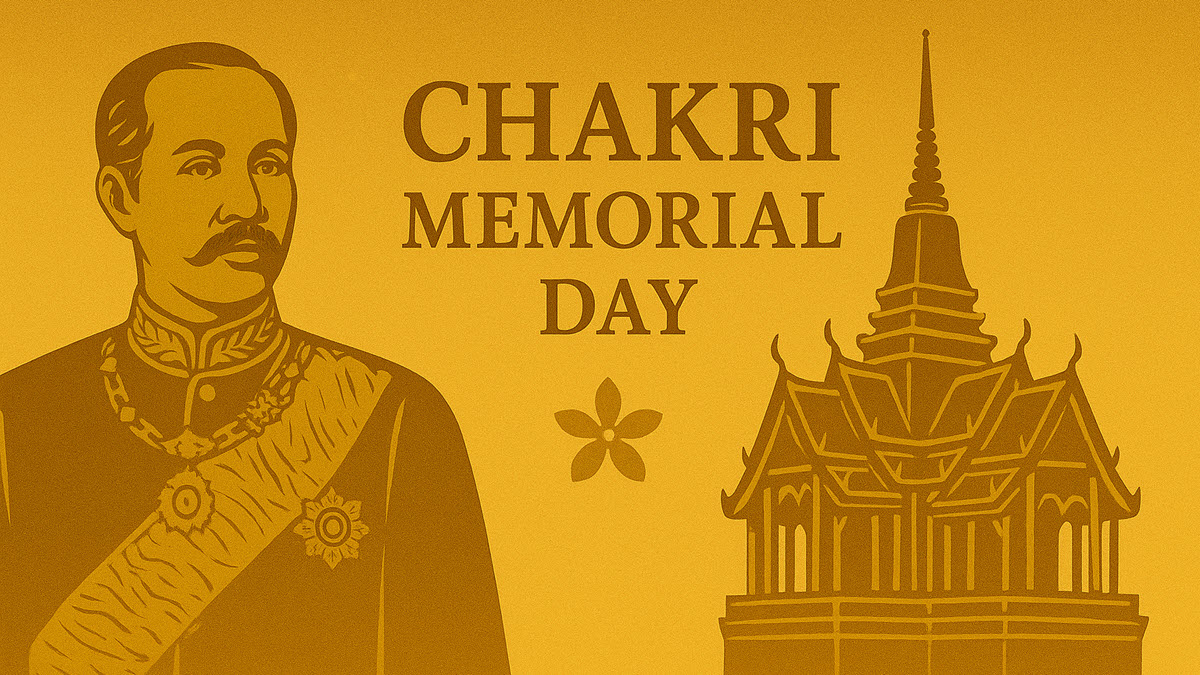
Chakri Memorial Day is a national holiday in Thailand and it commemorates the founding of the Chakri Dynasty in 1782 and honors the successive kings of this royal line, including the current monarch. 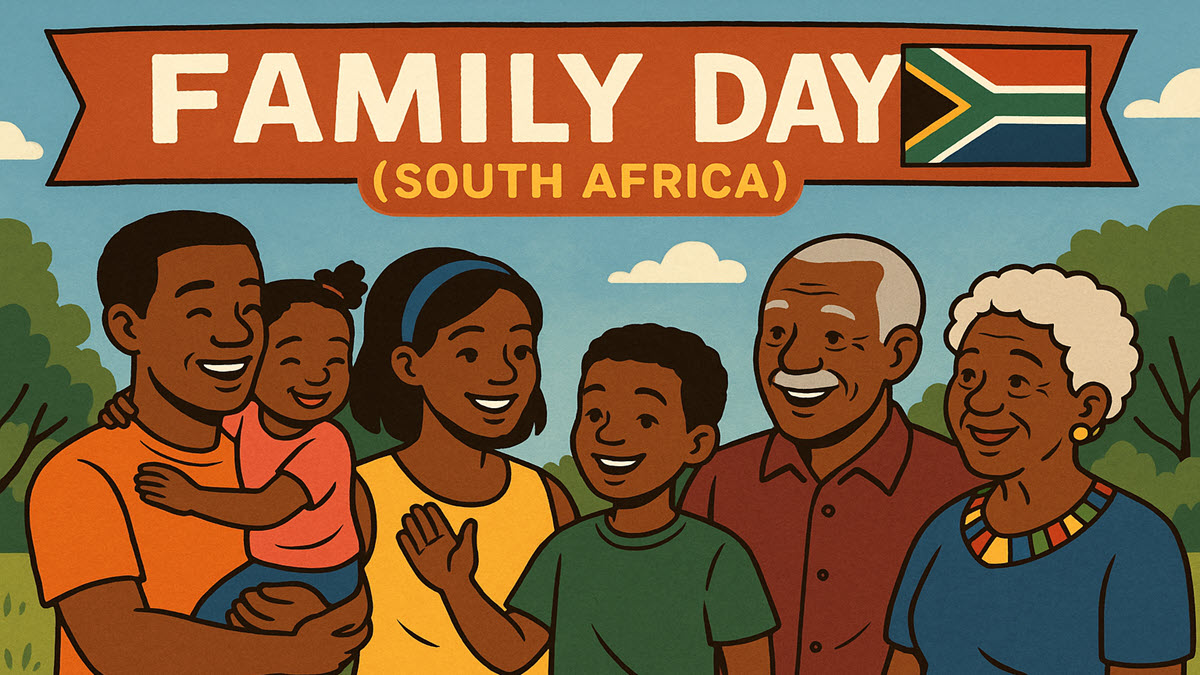
Family Day in South Africa evolved from the Christian holiday of Easter Monday. Renamed in 1995, it now highlights the universal importance of family unity and togetherness, while still remaining part of the Easter holiday period. |
3 events,
Karume Day commemorates the assassination of Abeid Amani Karume, the first President of Zanzibar and a founding father of Tanzania. It is a significant memorial holiday in Zanzibar, honoring Karume’s legacy as a revolutionary leader and unifier of the nation. 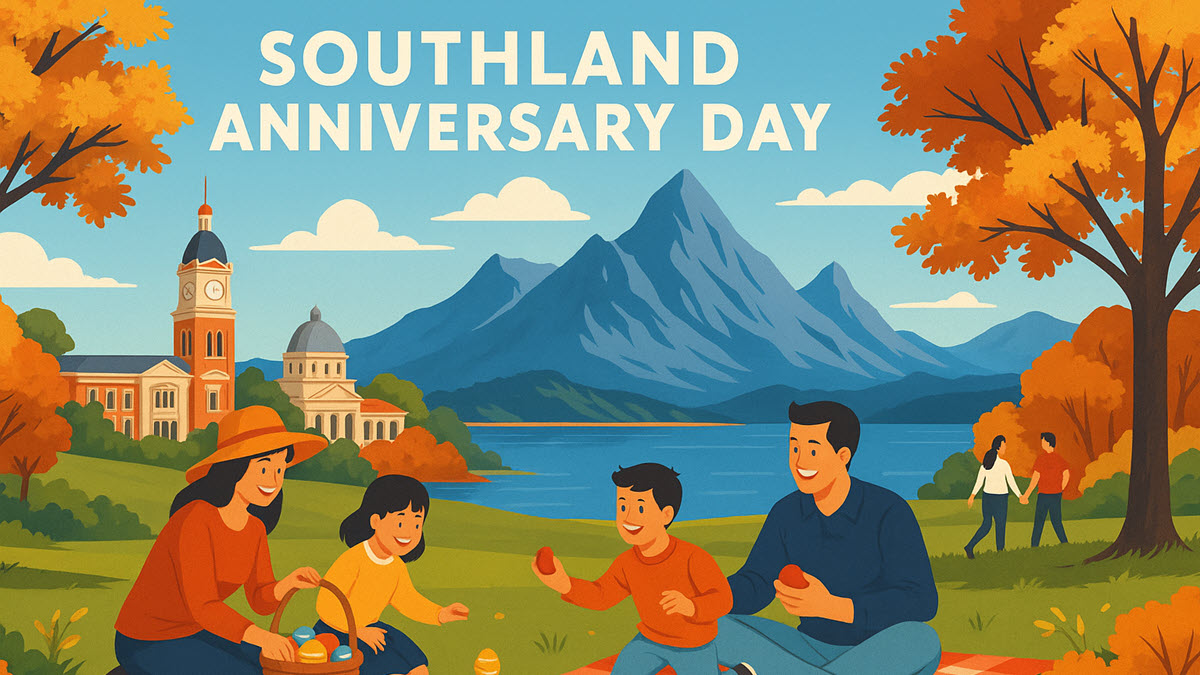
Southland Anniversary Day commemorates the 1861 creation of Southland Province, which split from Otago but lasted only until 1870. Even after the abolition of provinces in 1876, Southland retained its anniversary day as a regional holiday. |
2 events,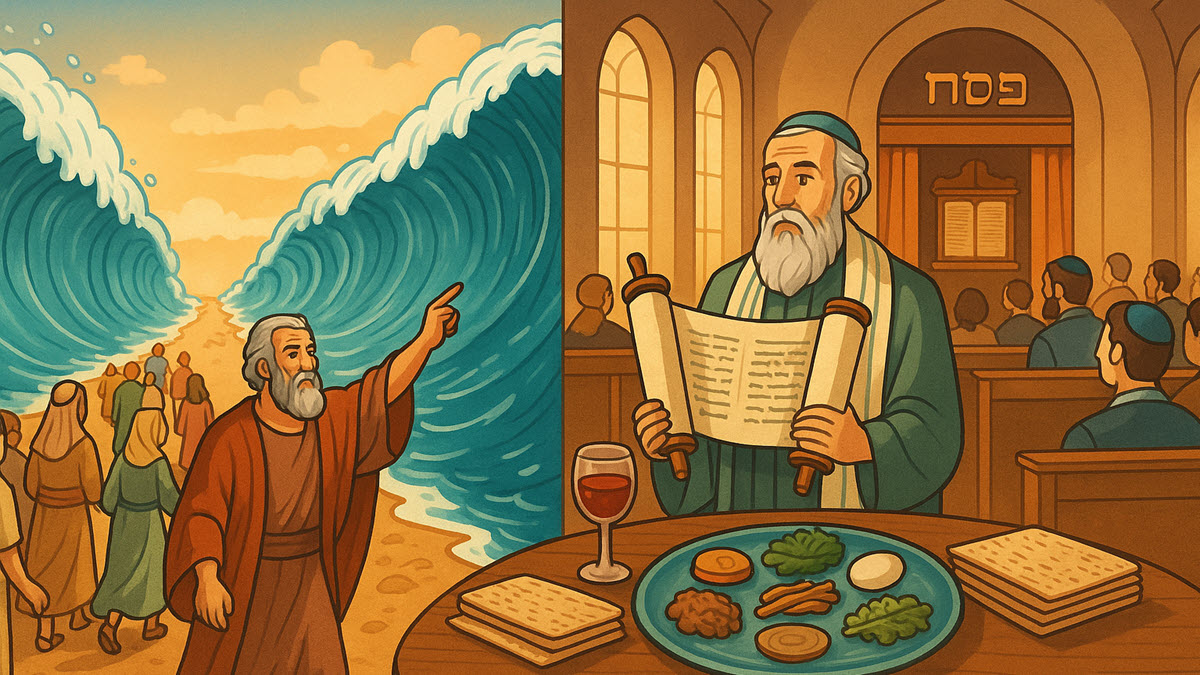
The Last Day of Passover commemorates the crossing of the Red Sea, completing the Israelites' liberation from Egypt. Observed as a holy day, it includes Torah readings, memorial prayers, and festive meals. In Hasidic tradition, the Seudat Moshiach highlights the enduring Jewish hope for ultimate redemption. |
4 events,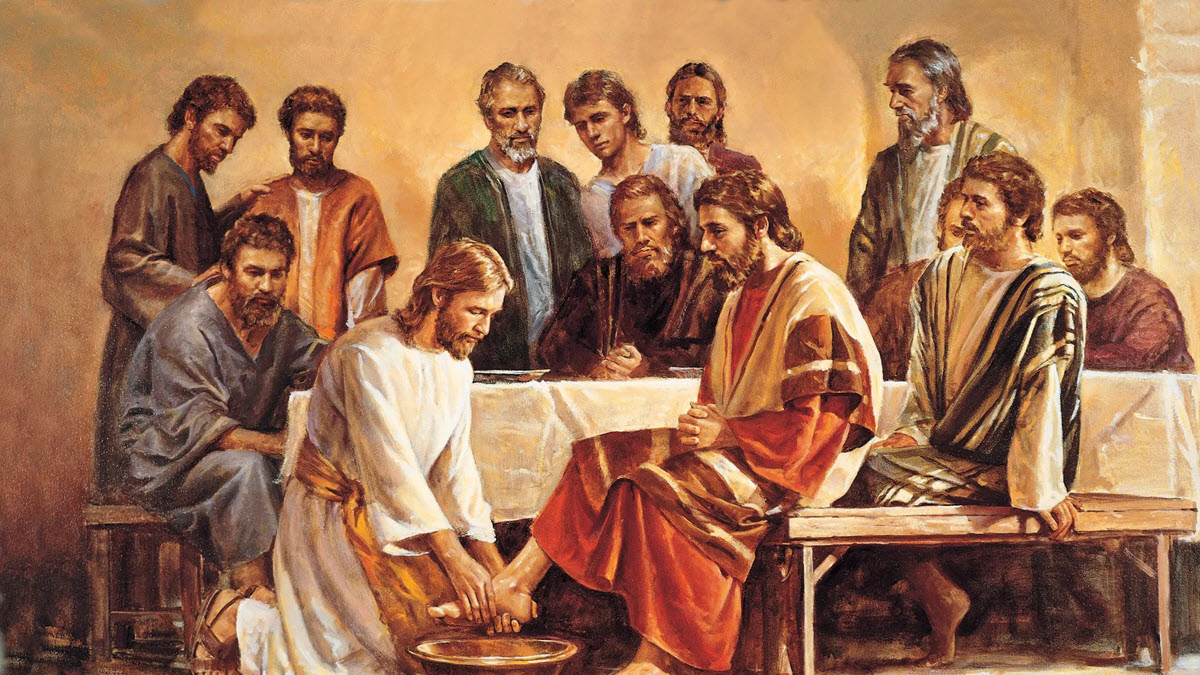
Orthodox Maundy Thursday, also known as Great and Holy Thursday, is one of the most important days in the Eastern Orthodox Church's observance of Holy Week. It commemorates the Last Supper, the institution of the Eucharist, and Jesus’s washing of the disciples’ feet, as well as the betrayal of Jesus by Judas. It serves as a profound moment of reflection on Christ’s humility, love, and sacrifice. 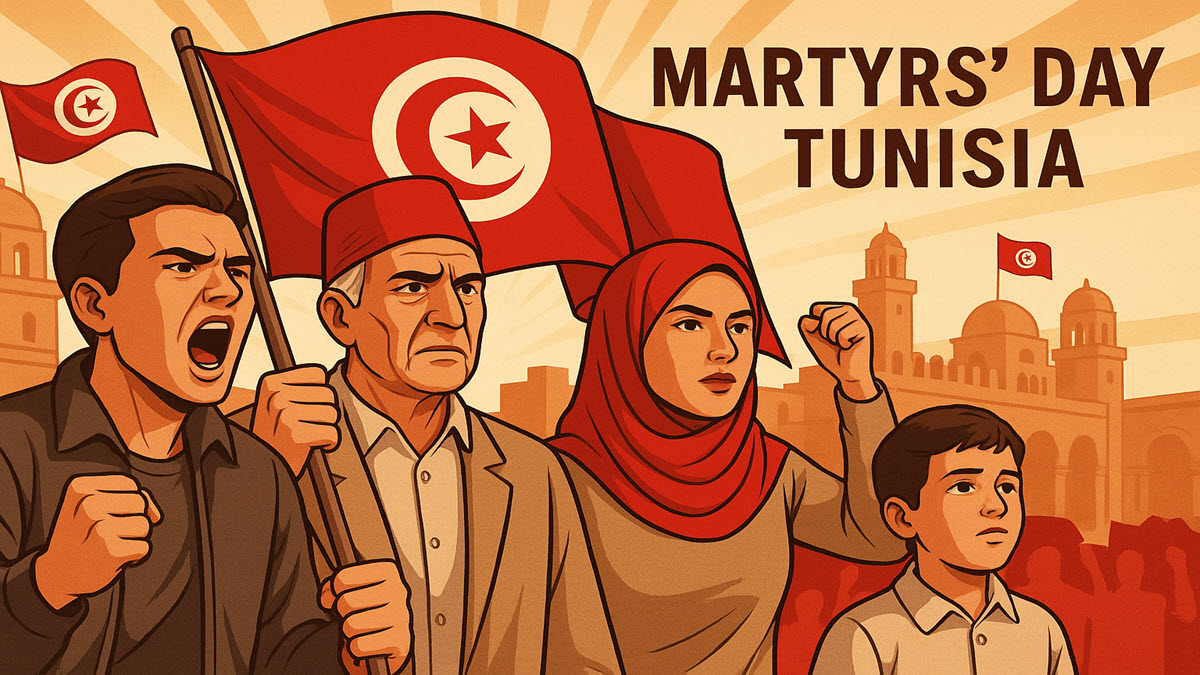
Martyrs' Day in Tunisia honors the Tunisians who were killed by French colonial forces in 1938 during anti-colonial protests in Tunis. These martyrs are remembered as national heroes who made the ultimate sacrifice in the struggle for freedom and independence. 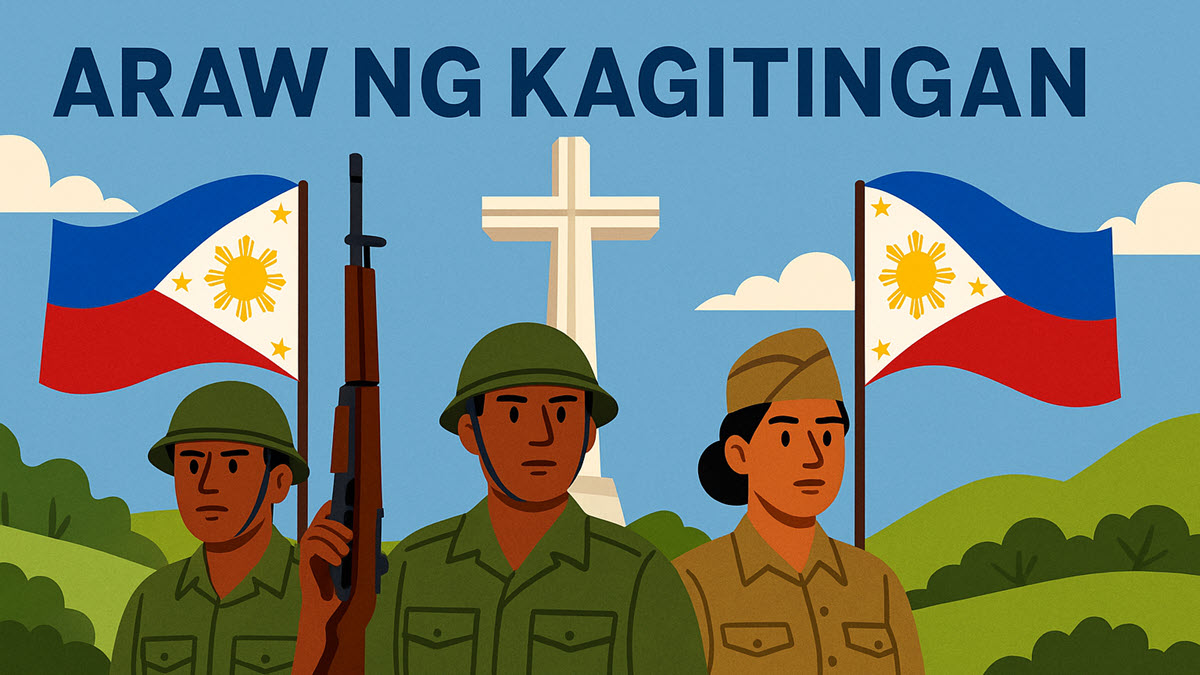
Araw ng Kagitingan commemorates the Fall of Bataan in 1942 and honors the Filipino and American soldiers who fought in WWII and endured the Bataan Death March. Established officially in 1961, it remains a day of remembrance for sacrifice, heroism and resilience. |
2 events,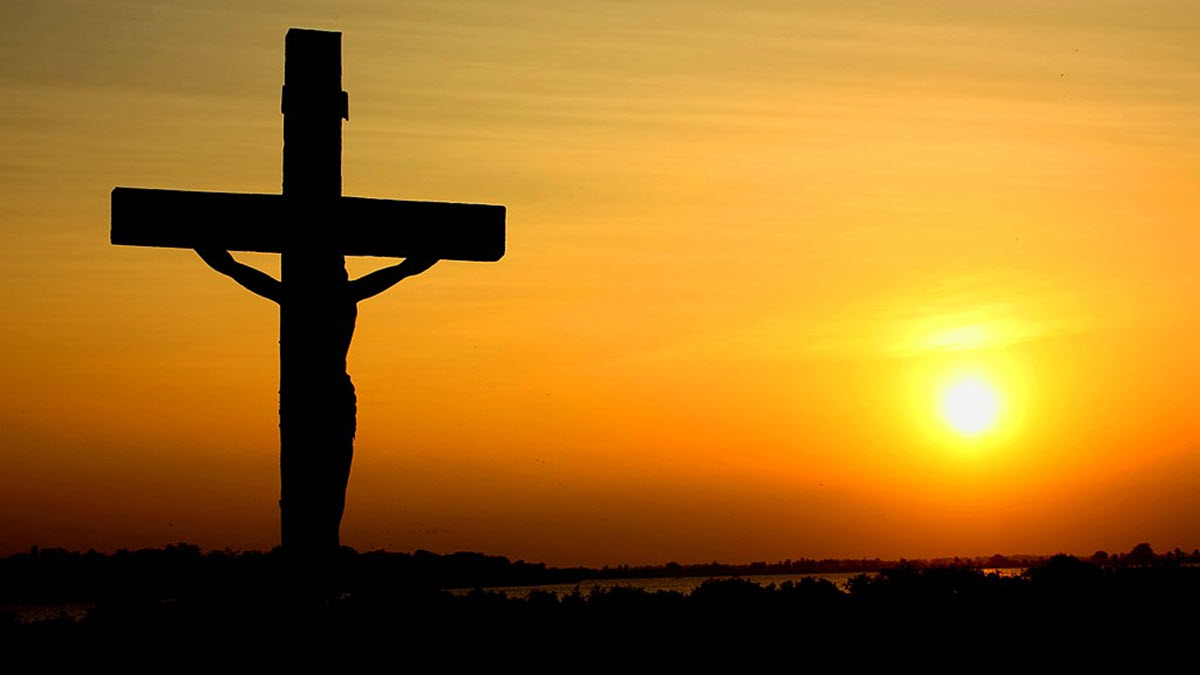
Orthodox Good Friday, also known as Great Friday or Holy Friday, is one of the most solemn days in the Eastern Orthodox Church, commemorating the crucifixion and death of Jesus Christ. It is part of the final days of Holy Week, leading up to Orthodox Easter. |
1 event, |
1 event, |
2 events,
Songkran is the traditional Thai New Year festival, , though festivities often extend longer in different regions. It is one of the most important and joyful festivals in Thailand, famous worldwide for its water-splashing celebrations, but deeply rooted in Buddhist customs, family rituals and cultural renewal. |
3 events,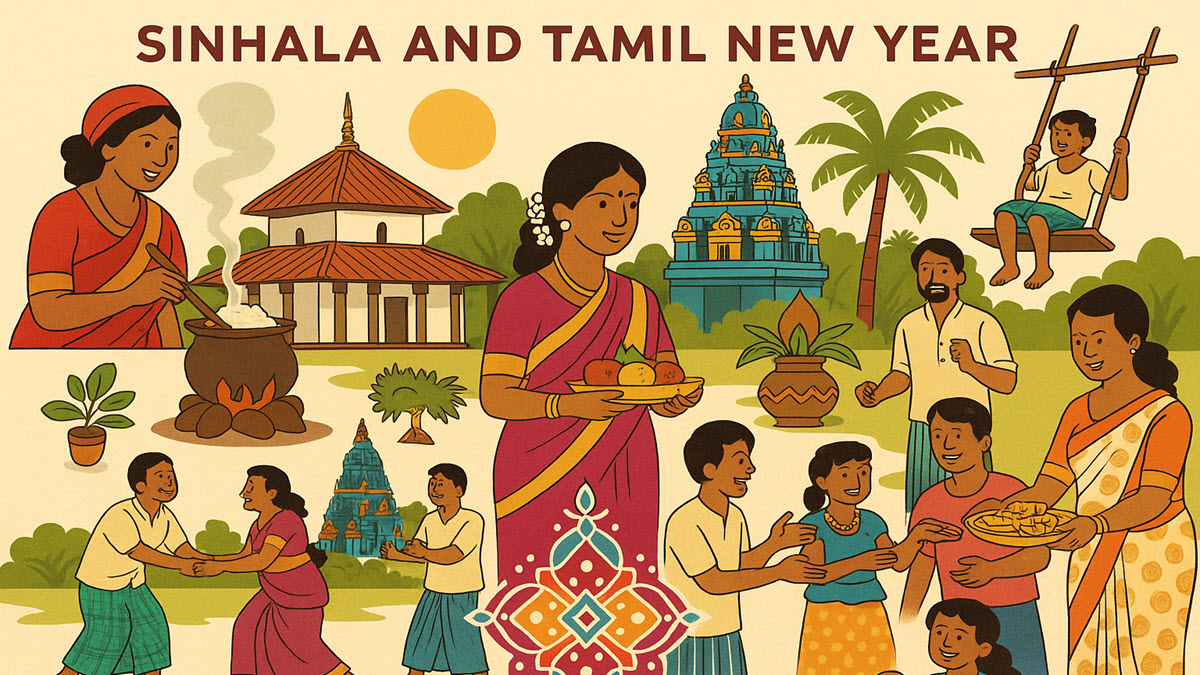
The Sinhala and Tamil New Year marks the solar new year and the end of the harvest season in Sri Lanka. It symbolizes prosperity, renewal and cultural unity across Sinhalese Buddhists and Tamil Hindus. |
2 events, |
2 events,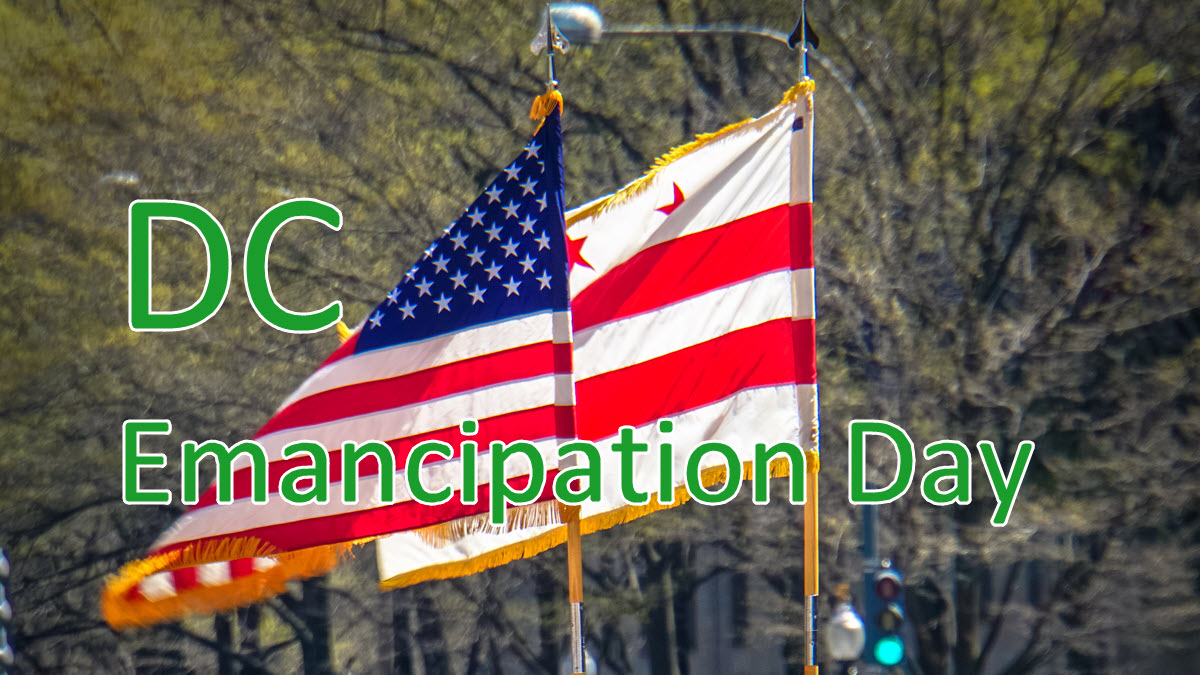
DC Emancipation Day commemorates the District of Columbia Compensated Emancipation Act of 1862, which ended slavery in Washington, D.C. |
3 events,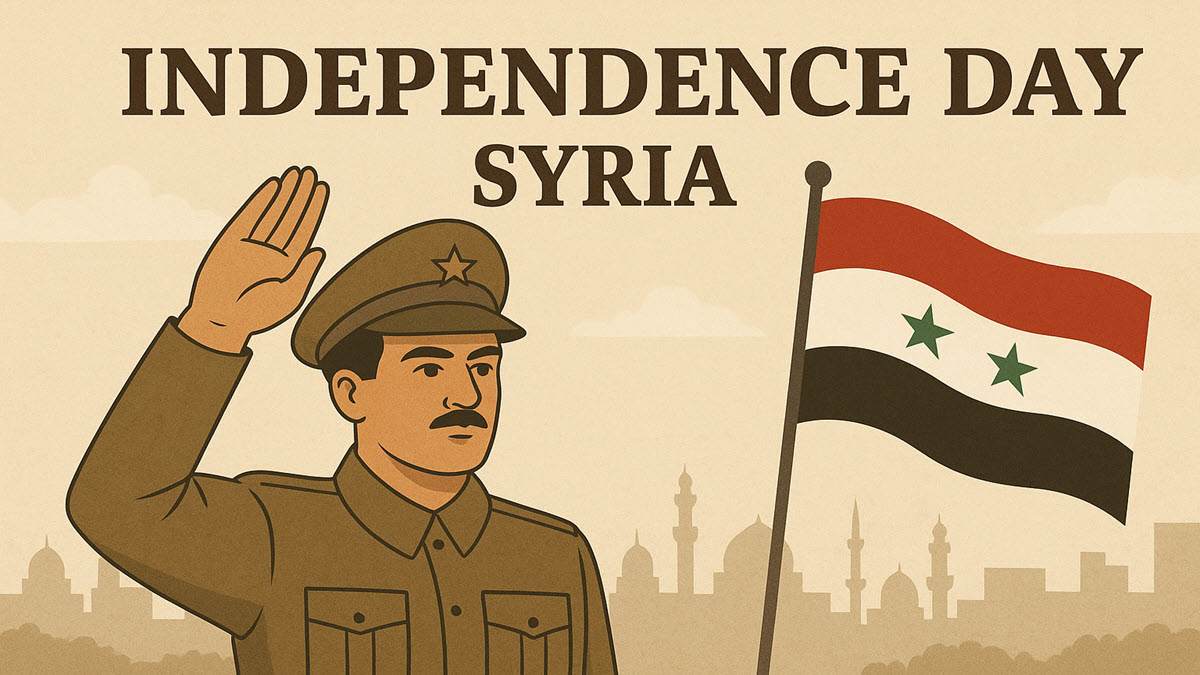
Syria's Independence Day, officially known as Evacuation Day, commemorates the final withdrawal of French troops from Syrian soil on April 17, 1946, ending over 25 years of colonial rule under the French Mandate. It marks the moment when Syria achieved full sovereignty and is celebrated as the country’s national day. 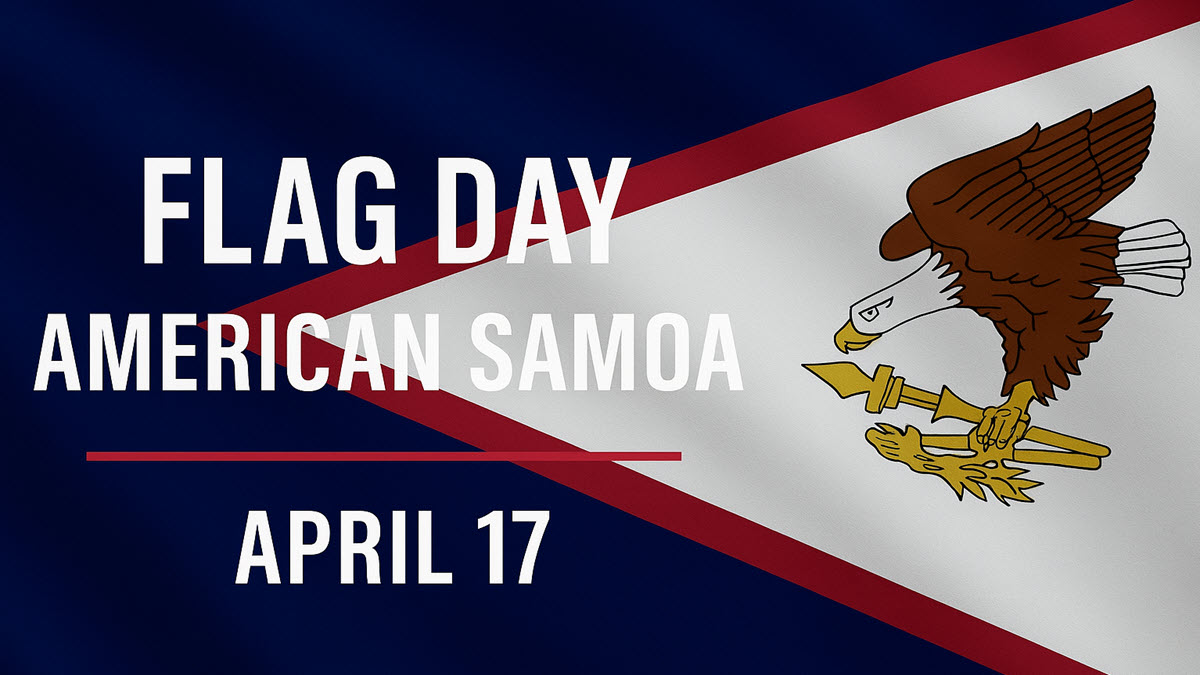
Flag Day in American Samoa commemorates the day in 1900 when chiefs of Tutuila signed the Treaty of Cession, officially placing American Samoa under U.S. sovereignty. Four years later, the chiefs of Manu‘a also signed a cession agreement, completing the union of the islands with the United States. |
1 event, |
2 events,
Landing of the 33 Patriots Day is a national holiday in Uruguay. It commemorates the landing of a revolutionary group known as the Thirty-Three Patriots in 1825, which marked the beginning of Uruguay's struggle for independence from Brazil. |
1 event, |
3 events,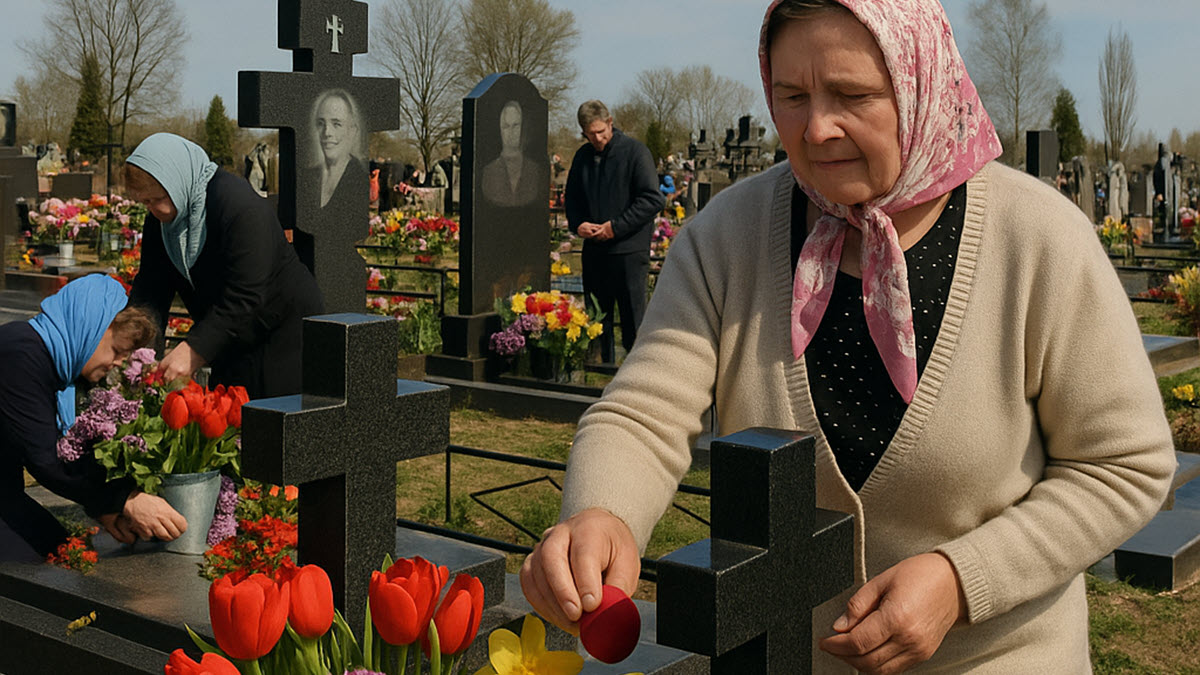
Radonitsa is an important Eastern Orthodox commemoration of the departed, celebrated in Belarus, Russia, Ukraine, and other Slavic countries. On this day, families visit cemeteries to honor deceased relatives, bringing food, flowers and Easter eggs to their graves as symbols of life and resurrection. In Belarus, Radonitsa is both a religious and public holiday, blending ancient traditions with Christian faith. 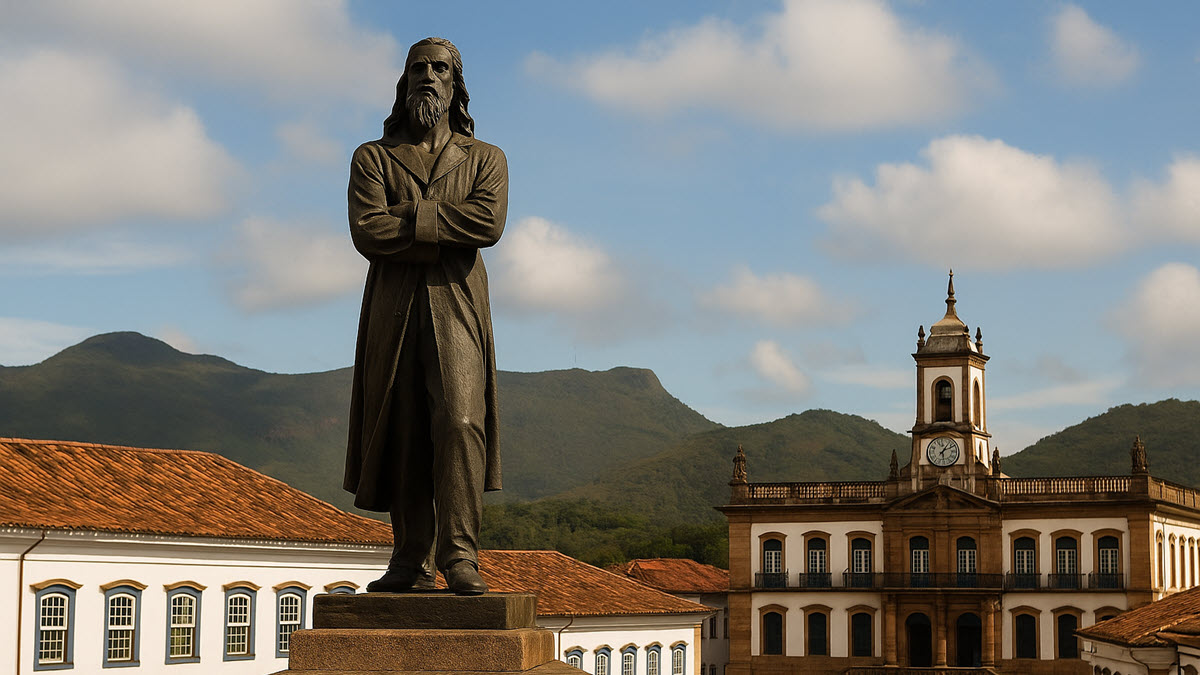
Tiradentes Day honors Joaquim José da Silva Xavier, known as Tiradentes, a national hero of Brazil’s independence movement. He led the Inconfidência Mineira, an 18th-century rebellion against Portuguese colonial rule in Minas Gerais. Though the uprising failed and Tiradentes was executed in 1792, his courage and sacrifice became symbols of freedom and national identity. |
2 events,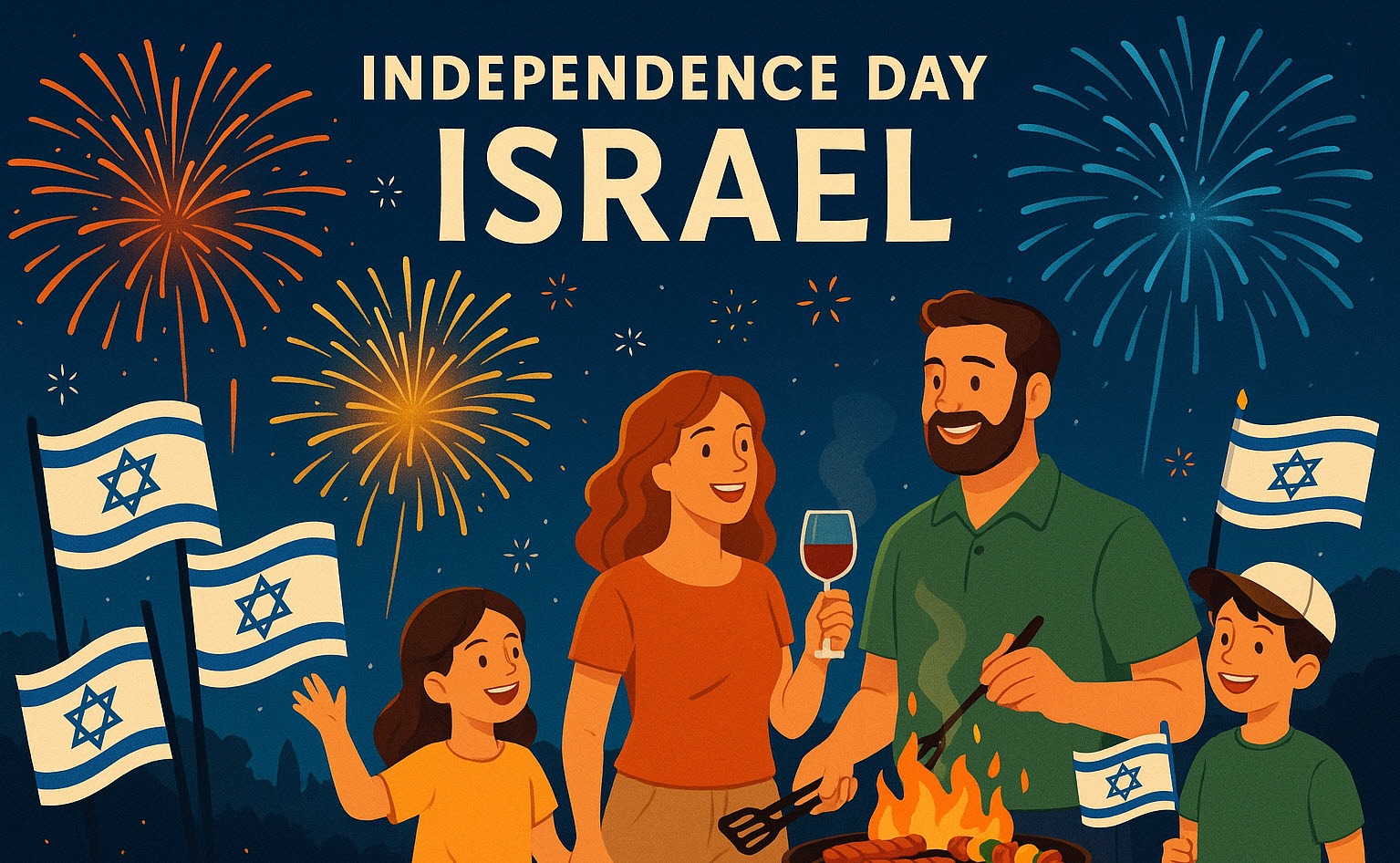
Independence Day (Yom Ha'atzmaut) in Israel marks the proclamation of the State of Israel in 1948 and is celebrated with national ceremonies, fireworks and prayers of thanksgiving. It represents both a historic milestone for the Jewish people and a living symbol of national identity. |
6 events,
St. George’s Day is a Christian feast day celebrated on April 23, in honor of St. George, the patron saint of England, and several other countries and regions. 
National Sovereignty and Children’s Day is a national public holiday in Turkey. It commemorates both the foundation of the Grand National Assembly of Turkey and honors children as the future of the nation. This holiday is unique to Turkey and has deep historical and cultural significance. 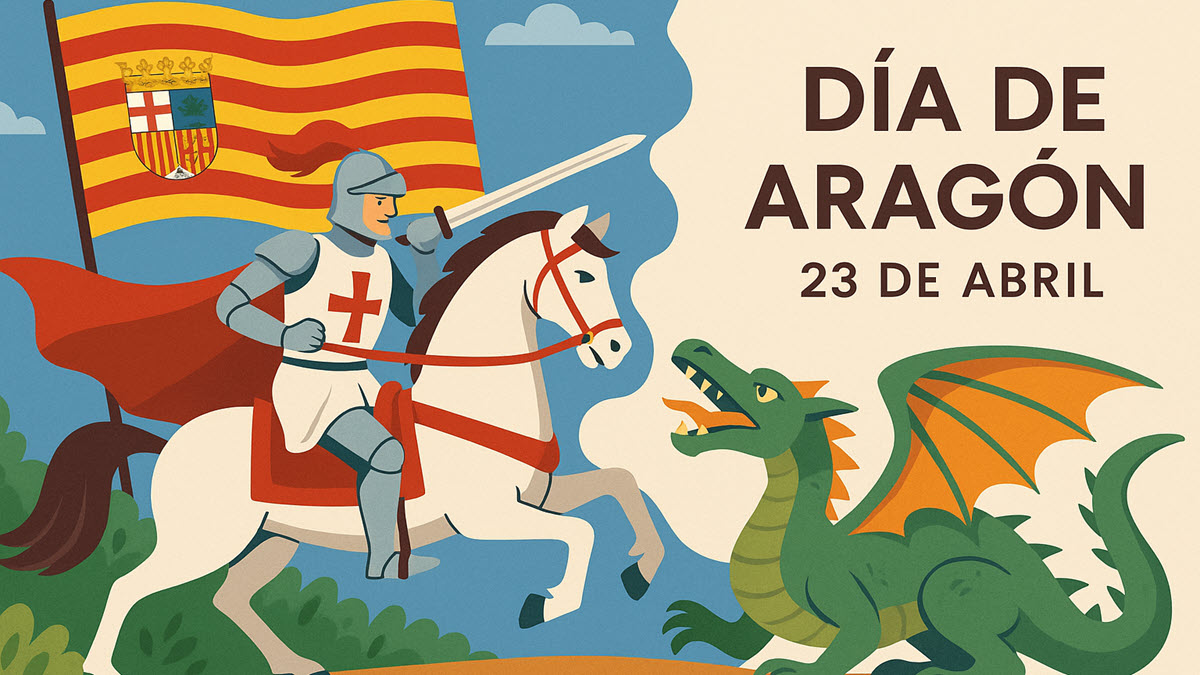
Aragonese Day honors both Saint George, the patron saint of Aragon, and the region’s identity and autonomy. It combines history and modern culture in a day of ceremonies and festivities. 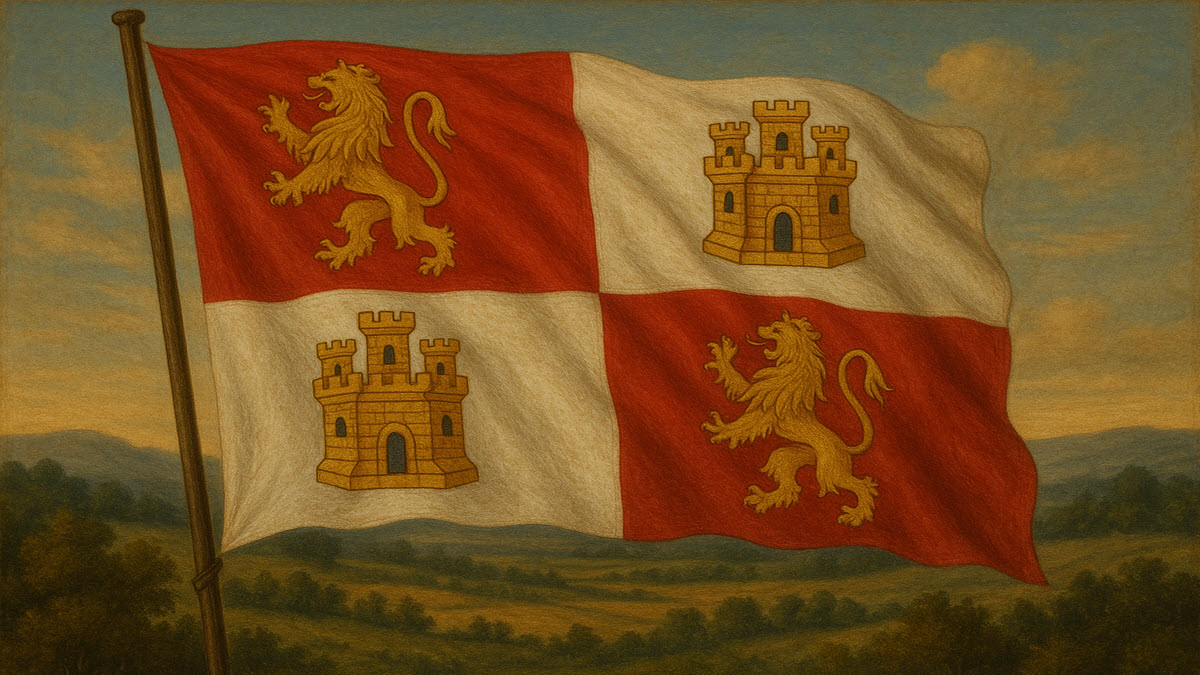
Castile and León Day commemorates the 1521 Battle of Villalar and the memory of the Comuneros, who fought for liberties against royal centralization. Today it is both a regional holiday and cultural festival, centered in Villalar de los Comuneros. 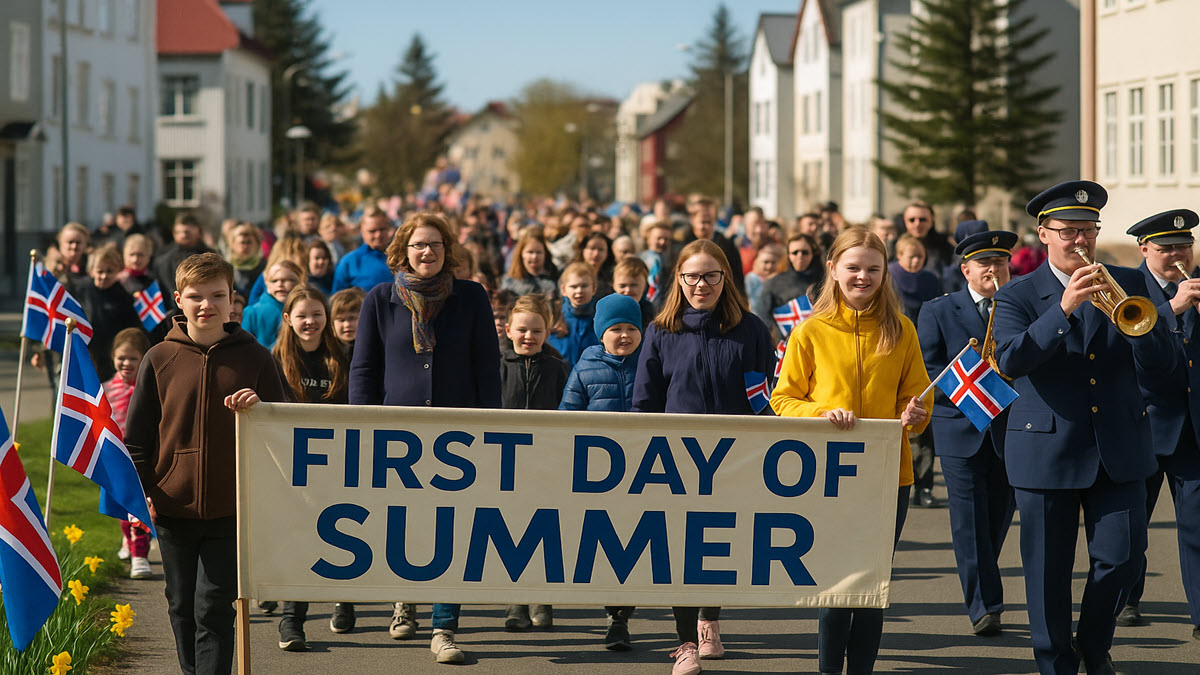
In Iceland, the First Day of Summer is a public holiday Rooted in the old Norse calendar, which divided the year into just two seasons, summer and winter, it marks the symbolic start of warmer days, even if the weather is still chilly. Traditionally, people would welcome the new season with parades, brass bands, family gatherings and games. Children often receive small summer gifts, and the day reflects Icelanders' resilience and optimism, celebrating brighter days ahead after the long winter. |
1 event, |
3 events,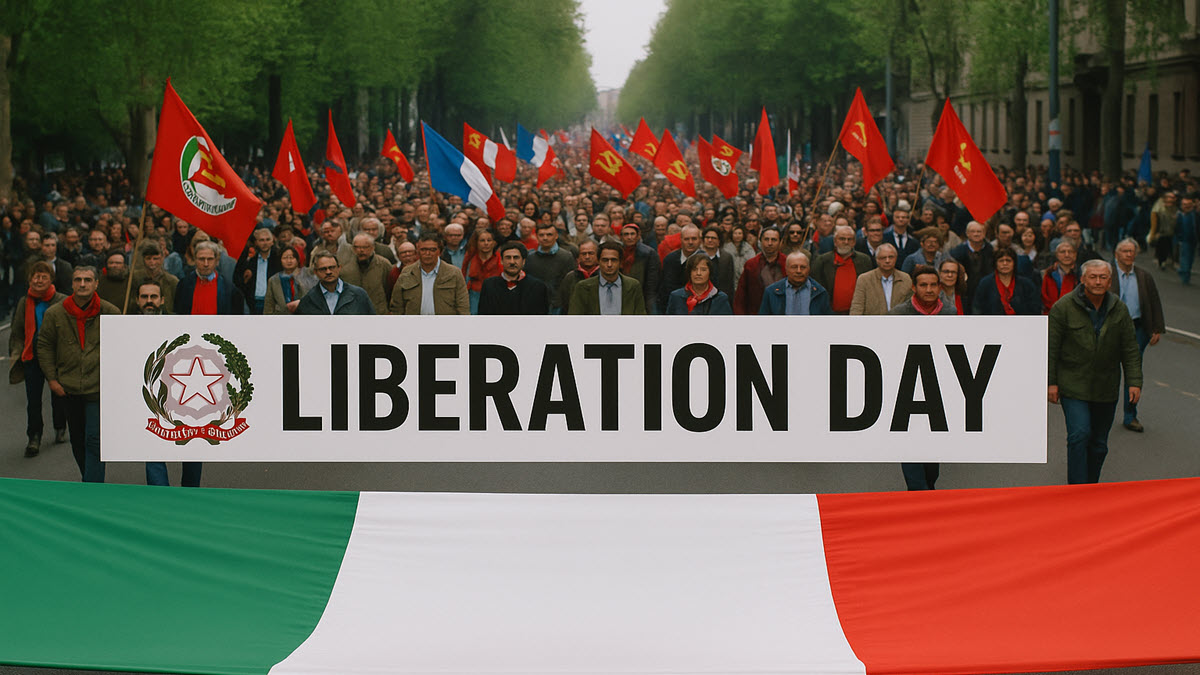
Liberation Day in Italy commemorates the end of Nazi occupation and the fall of Mussolini's Fascist regime in 1945, marking Italy's liberation during World War II. The day honors the Italian Resistance who fought for freedom and democracy. Across Italy, parades, concerts and ceremonies take place to celebrate peace, unity and the nation's rebirth as a republic. 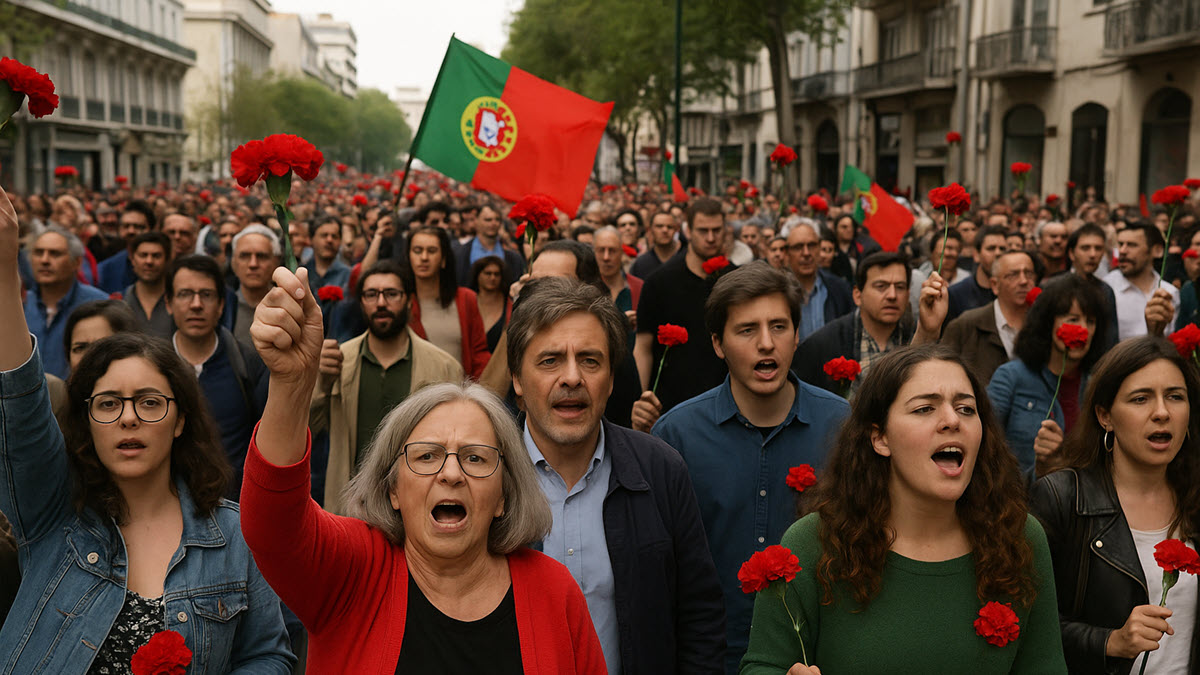
Liberty Day in Portugal marks the anniversary of the Carnation Revolution of 1974, which peacefully ended decades of dictatorship under the Estado Novo regime. It symbolizes freedom, democracy, and national renewal. On this day, soldiers placed red carnations in their rifles, and citizens flooded the streets to celebrate without violence. |
3 events,
Hung Kings Commemoration (Vietnamese: Giỗ Tổ Hùng Vương) is a national public holiday in Vietnam. It honors the legendary Hùng Kings, the mythical founders of the Vietnamese nation, and celebrates the country's deep cultural and historical roots. 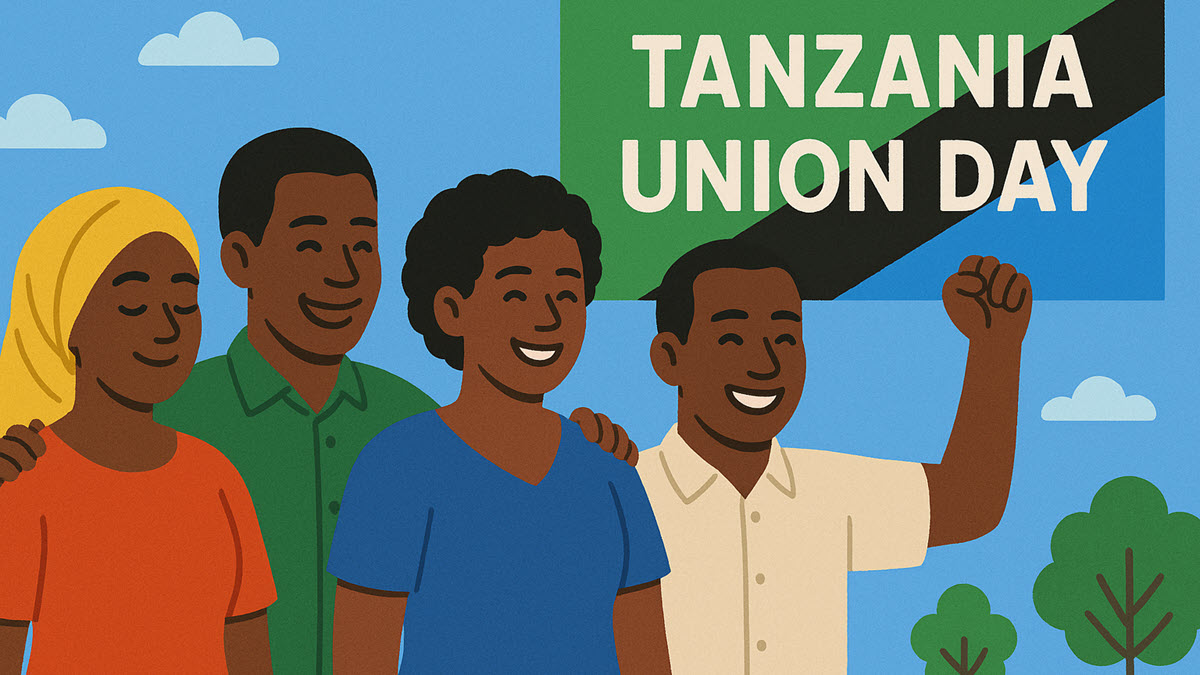
Tanzania Union Day is celebrated annually to commemorate the political union of Tanganyika and Zanzibar in 1964, forming the modern nation of Tanzania. It is one of the most important national holidays in Tanzania, symbolizing national unity and sovereignty. |
7 events,
Independence Day in Togo is a national holiday and it commemorates the day in 1960 when Togo gained full independence from France, ending decades of colonial rule. 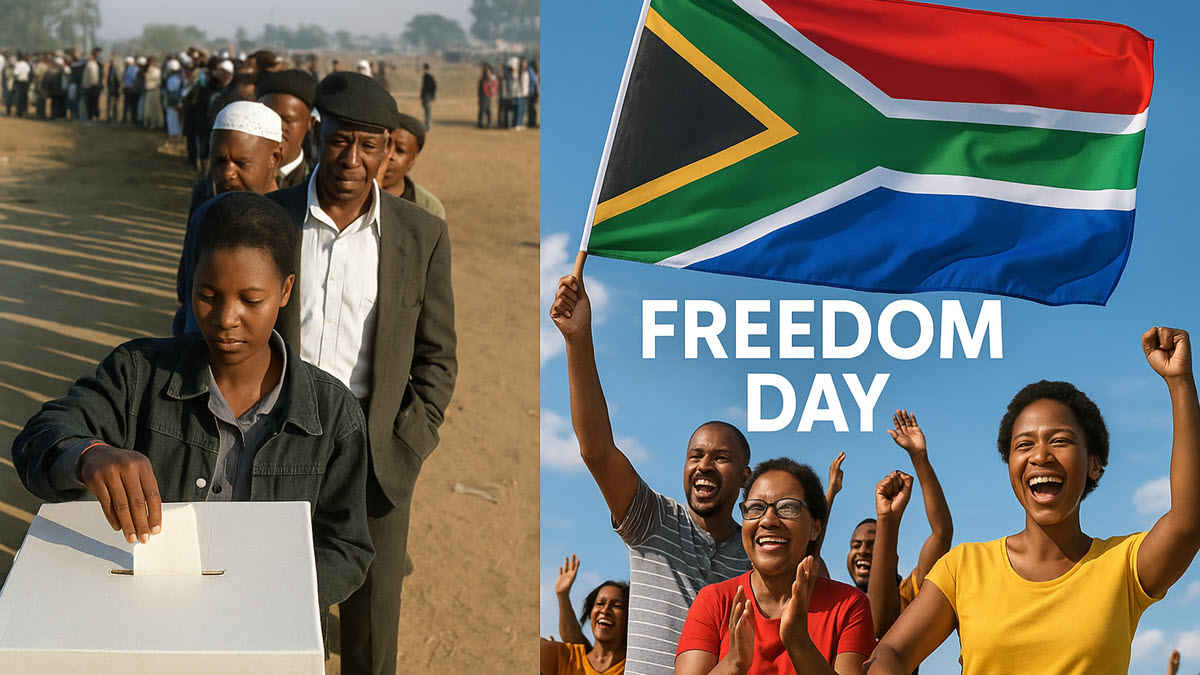
Freedom Day marks the first democratic elections in South Africa in 1994, ending decades of apartheid and ushering in a new era of democracy under Nelson Mandela. It is both a celebration of liberation and a day of reflection on the country’s ongoing journey toward equality and justice. 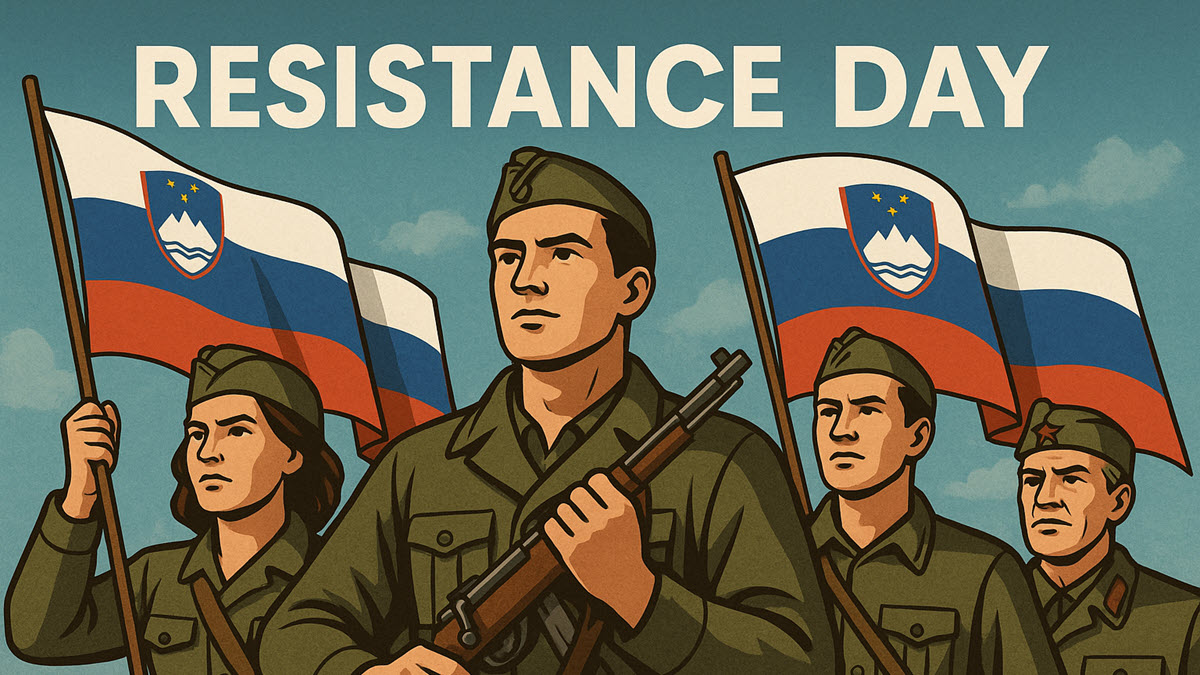
Resistance Day commemorates the founding of the Liberation Front in 1941, marking the start of Slovenia’s organized resistance against fascist occupation in WWII, and celebrating national unity, freedom and resilience. 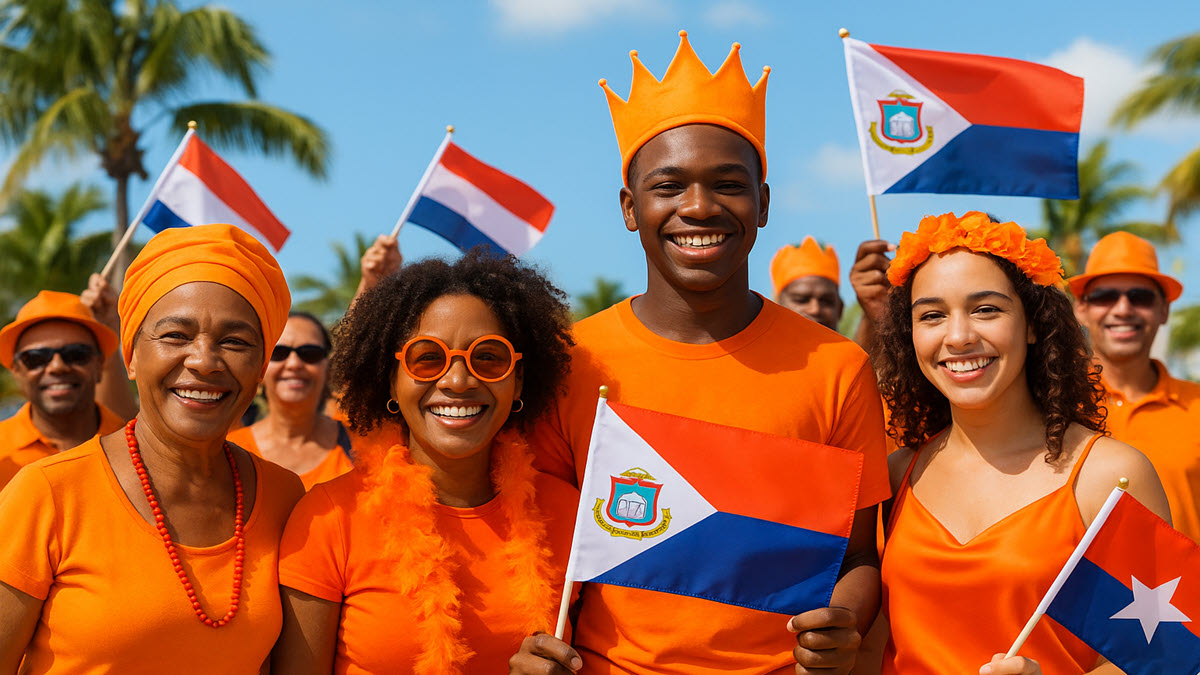
King’s Birthday in Sint Maarten is rooted in Dutch royal tradition dating back to 1885, adapted over time with each monarch, and since 2014 has been celebrated in honor of King Willem-Alexander. 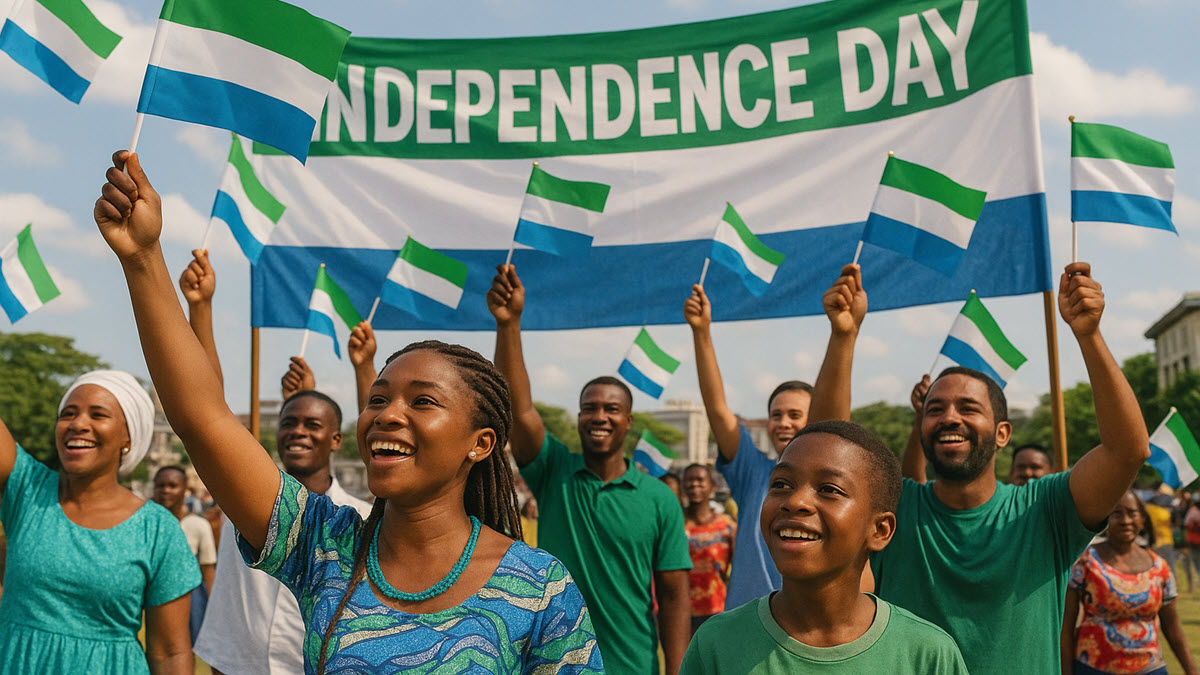
Independence Day in Sierra Leone marks the country’s liberation from British colonial rule and the establishment of a sovereign parliamentary democracy under Sir Milton Margai on April 27, 1961. It is remembered as the moment Sierra Leoneans took charge of their own destiny and continues to be celebrated with patriotic pride and cultural unity. 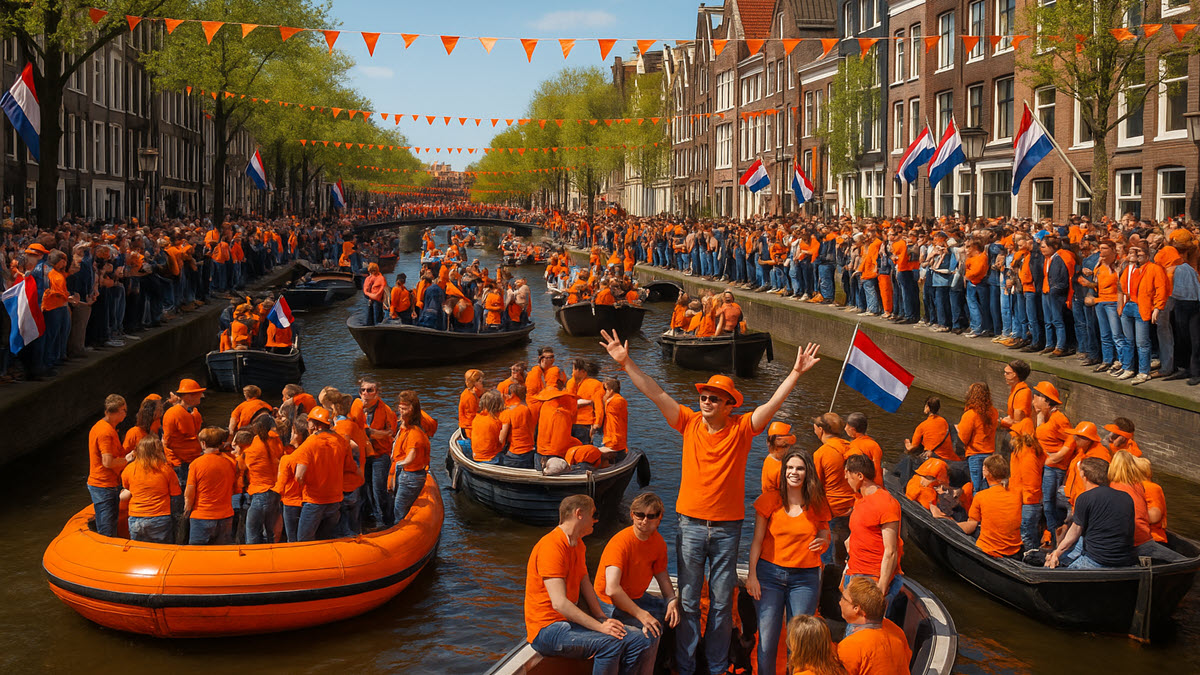
King's Birthday in the Netherlands, known as Koningsdag, is a day celebrated with massive orange-themed national festivities, honoring King Willem-Alexander and Dutch unity. |
3 events,
Kenneth Kaunda Day is a national public holiday in Zambia, to honor the life and legacy of Dr. Kenneth David Kaunda, the country's founding president. Established in 2021 following his passing, the day commemorates his pivotal role in Zambia's independence and his enduring contributions to the nation's development. 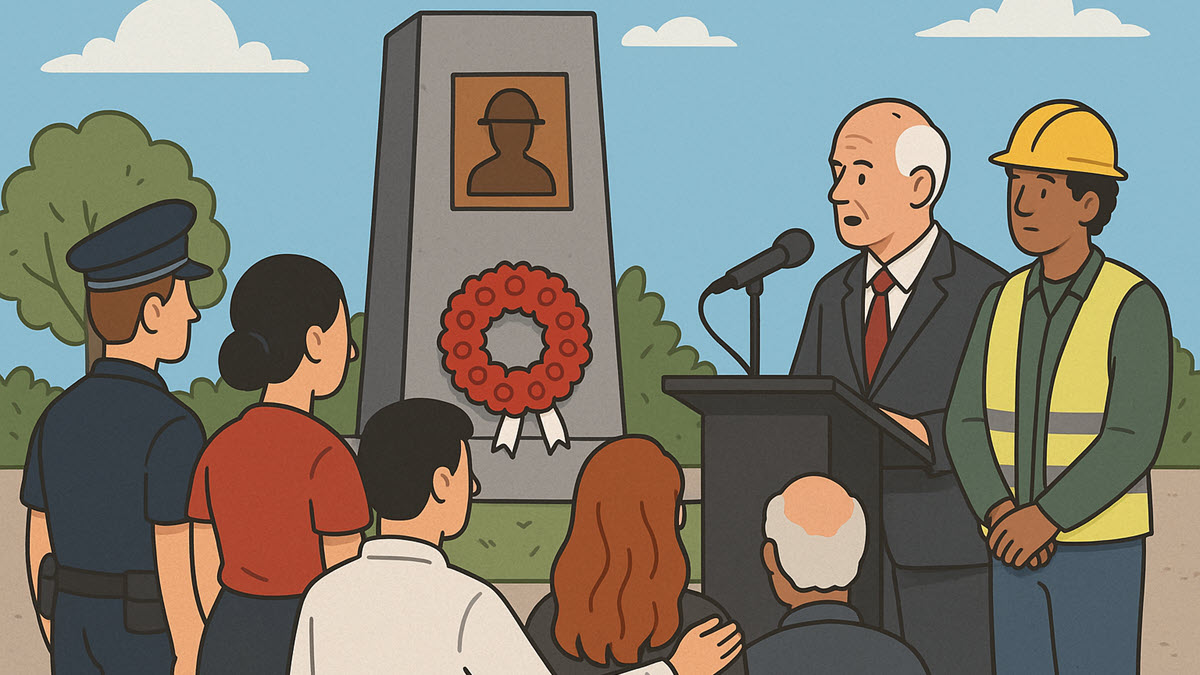
The Workers' Memorial Day in Gibraltar honors workers who have lost their lives, suffered injuries, or become ill due to workplace accidents or conditions. The day also reinforces the importance of health and safety in the workplace, echoing the theme "Remember the dead, fight for the living". |
2 events,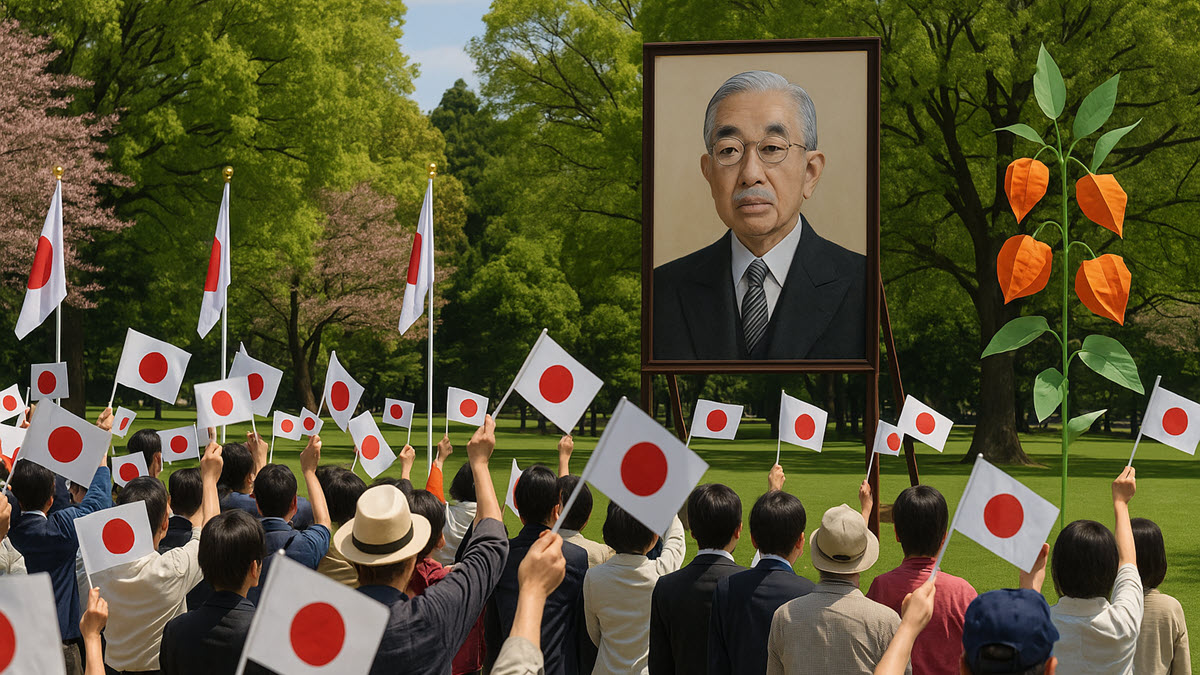
Shōwa Day honors the birthday of Emperor Shōwa (Hirohito), who reigned from 1926 to 1989. The day encourages reflection on Japan's journey through the Shōwa era, a time of war, recovery and remarkable growth. It marks the start of Golden Week, one of Japan's longest holiday periods, when people enjoy nature, visit parks and contemplate the nation's history and resilience. |
2 events,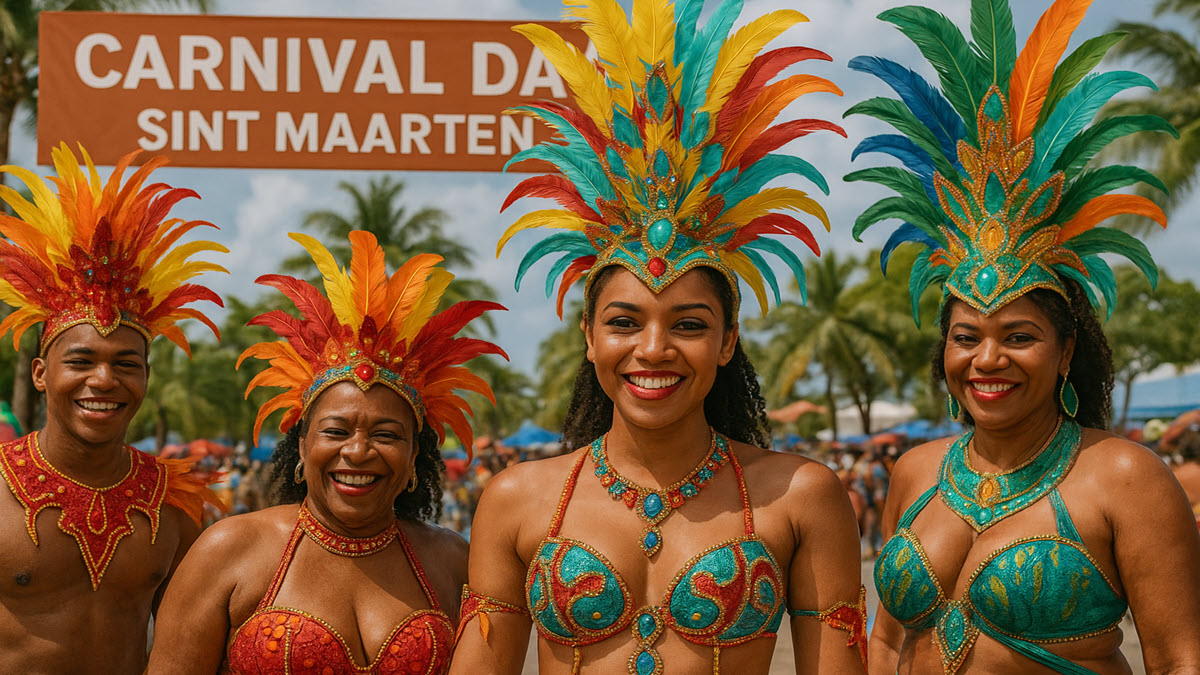
Carnival Day in Sint Maarten closes the Carnival season with grand parades, music, dance and the burning of King Momo, a tradition that has grown since the 1970s into a vibrant expression of the island’s culture and identity. |
60 events,
International Workers' Day, also known as Labour Day, celebrates the role of workers in society, honours the struggles of the labour movement, and recognizes the sacrifices made by trade unions and workers in the fight against apartheid and for fair working conditions. 
Labour Day in Uganda is a national public holiday to honor workers' contributions and advocate for labor rights and social justice. Aligned with global International Workers’ Day traditions, Uganda began officially observing it in the 1970s, with increasing government and union participation. 
Labour Day is a public holiday in Ukraine, and it honors the contributions of workers and the labor movement. Ukraine's observance of Labour Day has evolved over time, reflecting the nation's historical and political changes. 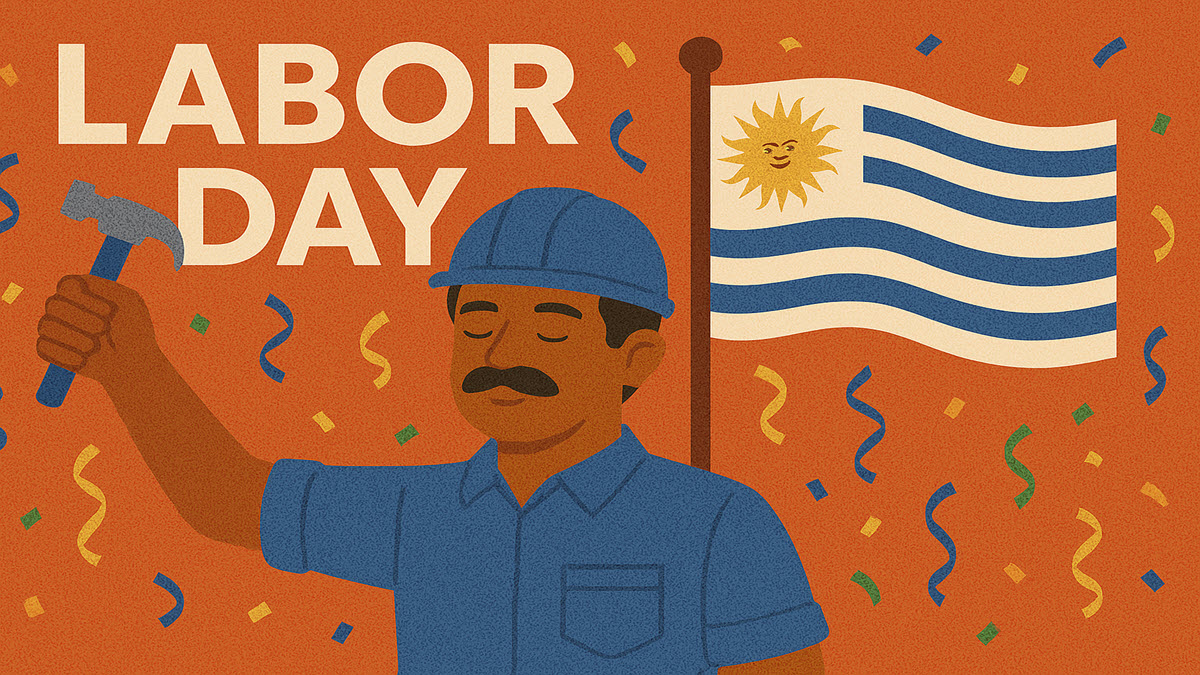
Labour Day in Uruguay is celebrated on May 1st, in line with International Workers' Day, to recognize and honor the contributions and rights of workers. 
Labour Day in Vanuatu is a public holiday, aligning with the global celebration of International Workers’ Day. This day is dedicated to honoring the economic and social achievements of workers and the labor movement. 
Labour Day in Venezuela, known as "Día del Trabajador", is celebrated along with many other countries around the world. It is a powerful symbol of the workers' movement, blending historical labor rights advocacy with modern political and social expression. 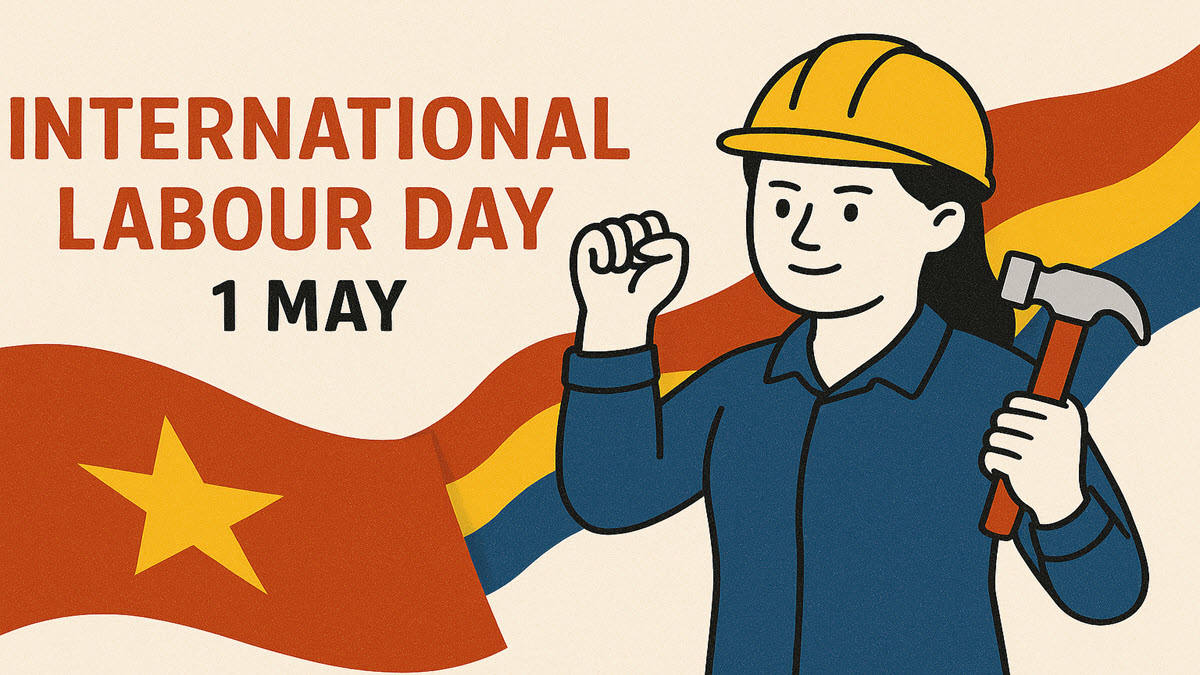
International Labour Day, known in Vietnam as "Ngày Quốc tế Lao động", is a national public holiday and one of the most important official holidays recognizing workers' contributions to the country's development. 
Labour Day is a public holiday in Wallis and Futuna. It aligns with International Workers' Day, observed in many countries worldwide to honor the contributions of workers and the labor movement. 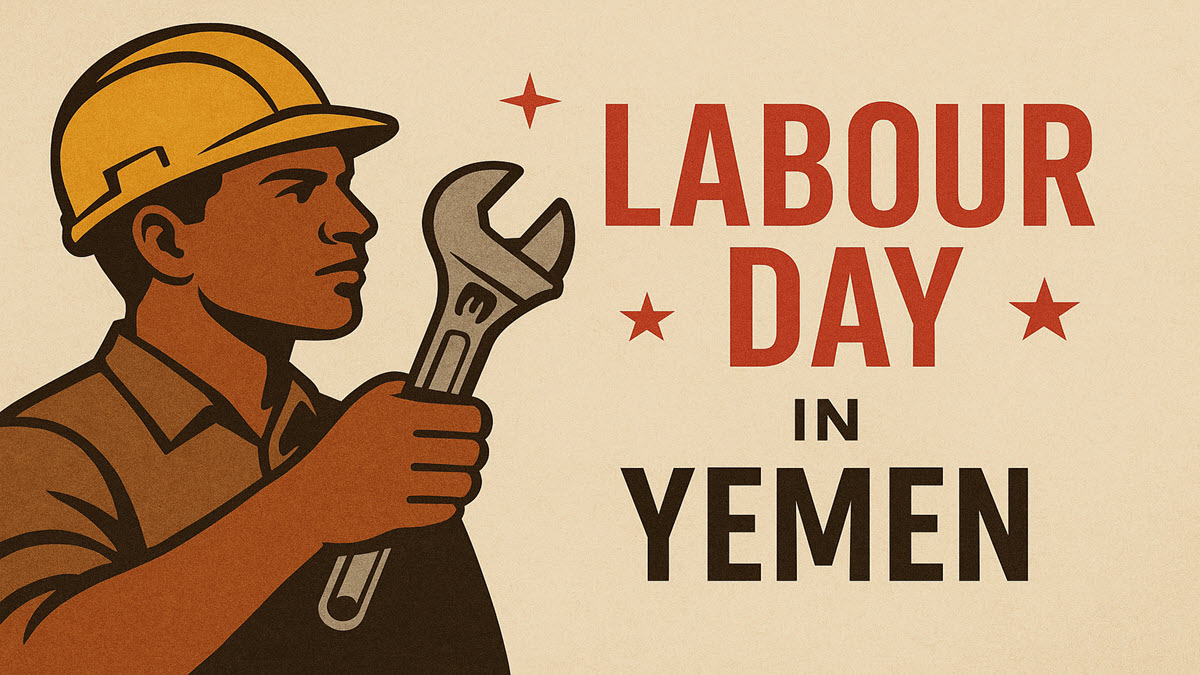
Labour Day, also known as International Workers' Day, is celebrated in Yemen in alignment with many countries around the world, and it serves as a time to acknowledge the contributions of Yemeni workers across sectors such as agriculture, construction, education, and public services. 
Labour Day in Zambia is a national public holiday dedicated to honoring the contributions of workers to the nation's development. It aligns with the global celebration of International Workers' Day, commemorating the achievements of the labor movement. 
International Workers’ Day, also known as Labour Day in Zimbabwe, is a national public holiday dedicated to honoring the contributions of workers and the labor movement in advancing workers’ rights and social justice. 
Labour Day, also known in Turkey as "Emek ve Dayanışma Günü" (Labour and Solidarity Day), honors workers’ rights, labor movements, and social solidarity, similar to International Workers' Day celebrations worldwide. 
Labour Day in Togo is part of the global observance of International Workers’ Day, which honors the contributions of workers and promotes labour rights. Its roots lie in the international labour movement of the late 19th century, and its history in Togo reflects the nation’s post-colonial evolution, union activism, and the fight for better working conditions. 
Labour Day in The Gambia is part of a global tradition known as International Workers’ Day or May Day, which honors the struggles and achievements of workers and the labor movement. In The Gambia, Labour Day shares this international origin but is also shaped by the country’s own political and social development. 
International Workers' Day, also known as Labour Day, is celebrated in Tanzania. It is a national public holiday that honors the contributions, rights, and dignity of workers across the country. While rooted in global labor history, the Tanzanian observance reflects the country’s own post-independence socialist values and ongoing struggle for workers' rights. 
Labour Day, also known as International Workers’ Day or May Day, is celebrated in Tajikistan every year. This holiday honors the contributions and rights of workers, and its roots in Tajikistan are deeply tied to the country’s Soviet past and the global labor movement. 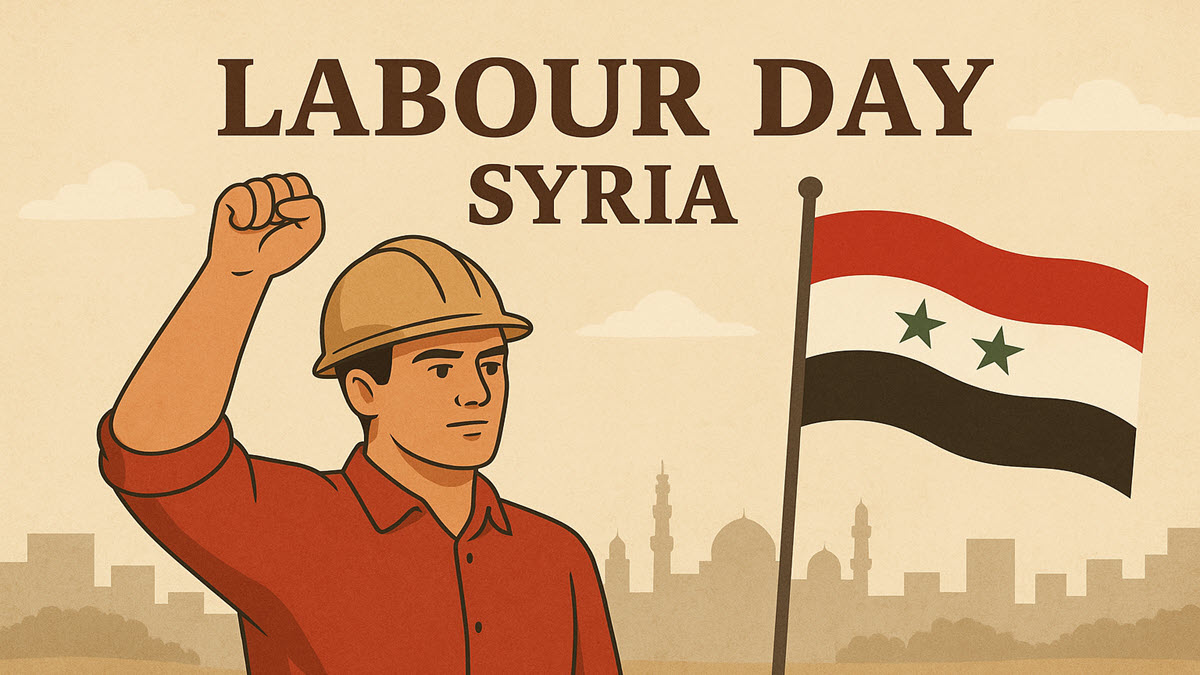
Labour Day in Syria is in alignment with International Workers' Day, a global observance that originated in the late 19th century. In Syria, the holiday has deep political and symbolic significance, especially tied to the Ba'ath Party’s emphasis on social justice, worker empowerment, and state-led economic development. 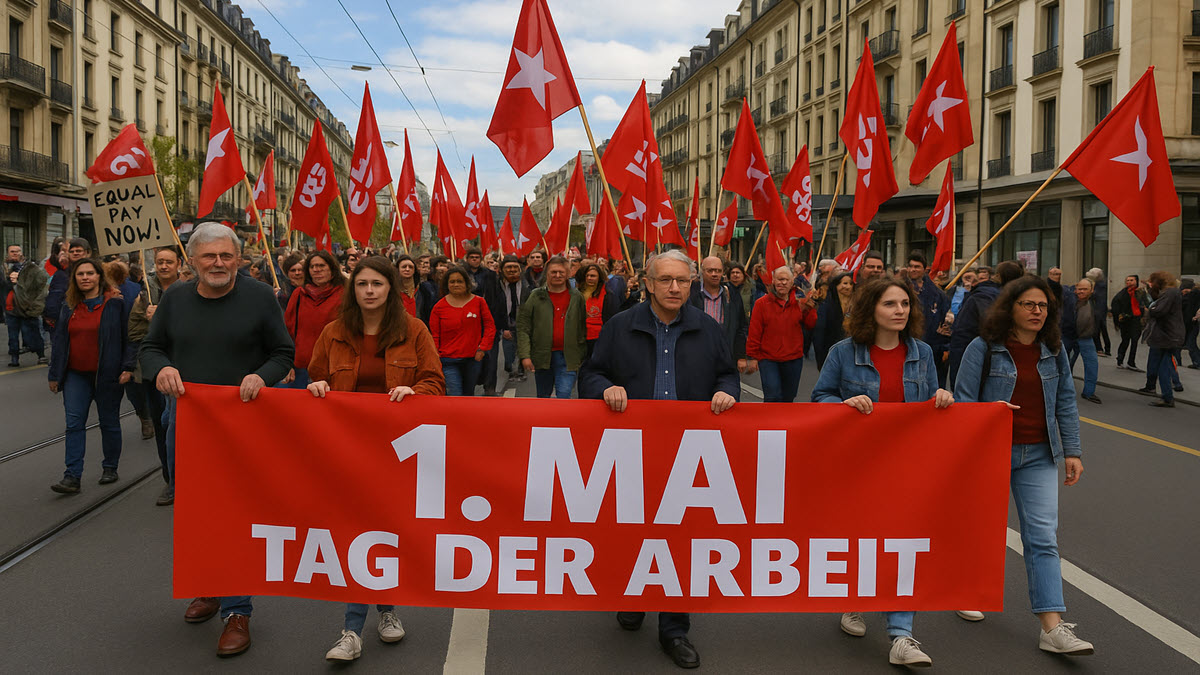
Labour Day is celebrated on May 1st to honor the international labor movement and workers' rights. Although it is not a national public holiday, it is officially recognized in several cantons and cities. Its roots in Switzerland date back to the late 19th century, closely aligned with the global rise of socialism and unionism. 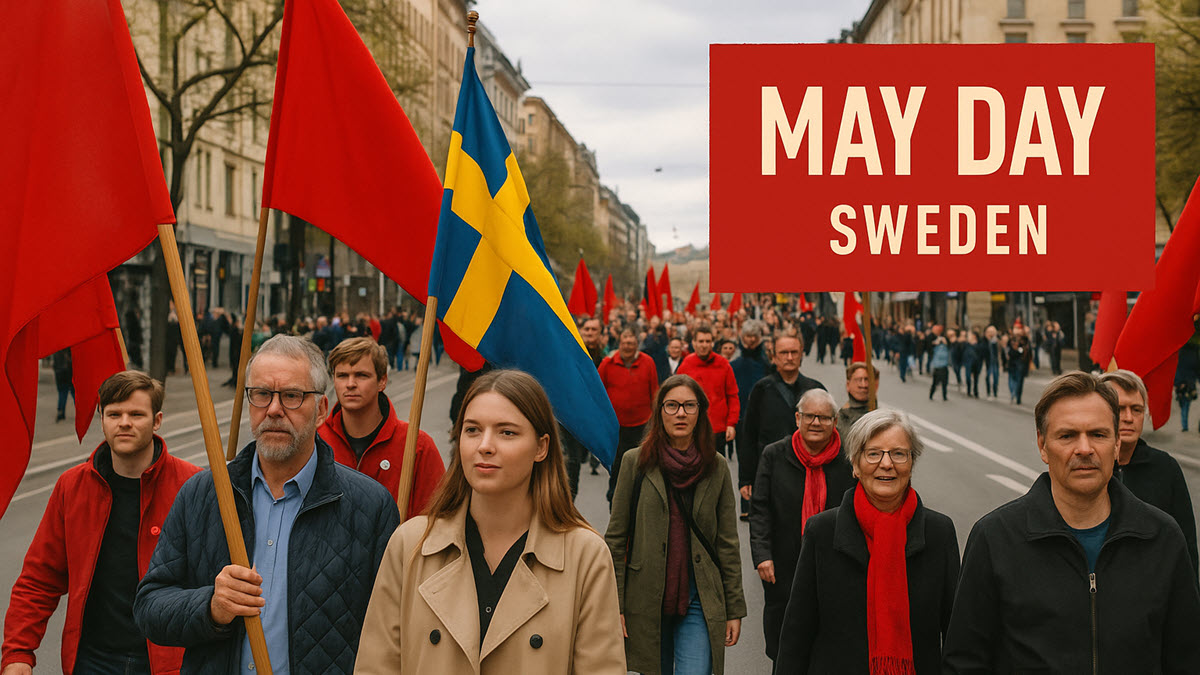
May Day is a public holiday focused on labor rights and social justice. It is officially recognized as International Workers' Day and is a time when political parties hold marches, rallies, and speeches across the country. 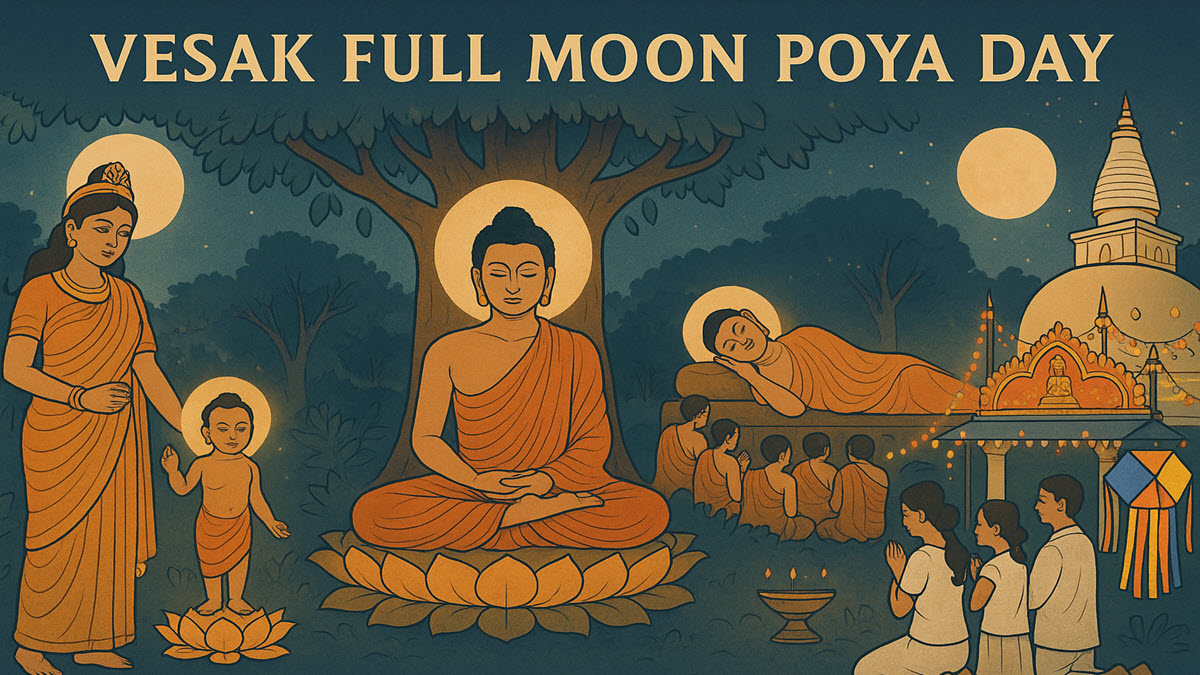
Vesak Full Moon Poya, rooted in ancient India, commemorates the birth, Enlightenment, and passing away of the Buddha, all on the full moon of May. Introduced to Sri Lanka in the 3rd century BCE, it became the island's most sacred Buddhist festival. Today, Vesak is celebrated with temple rituals and almsgiving, symbolizing peace and the victory of wisdom over ignorance. 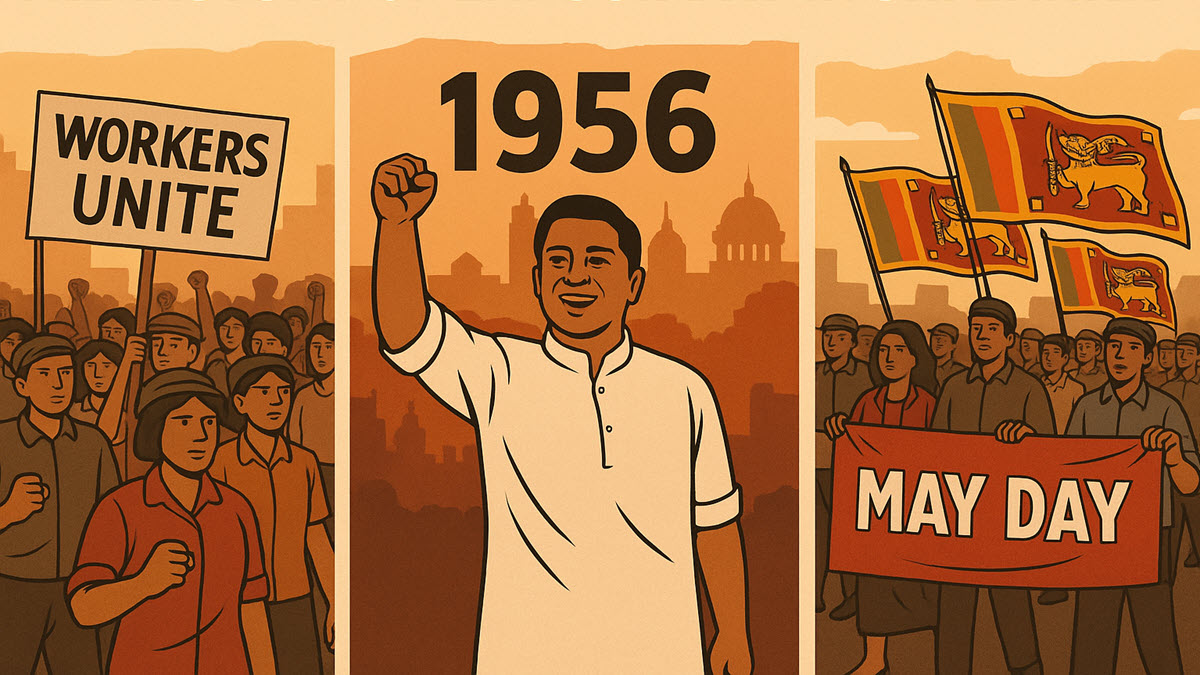
Labour Day in Sri Lanka honors the contributions of workers and the global struggle for labour rights. Recognized as a national holiday since 1956, it is marked by rallies and speeches led by trade unions and political parties, emphasizing workers’ rights and social justice. 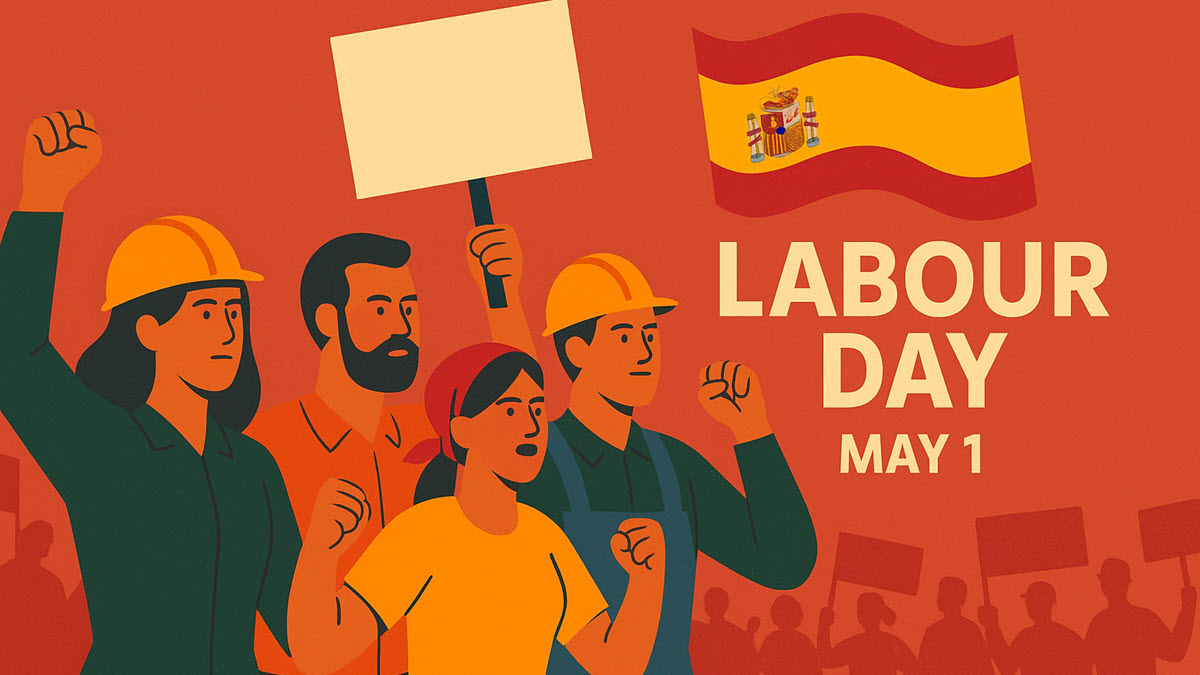
Labour Day in Spain is a public holiday that commemorates the struggles and achievements of workers, with deep historical ties to both international and Spanish labor movements. 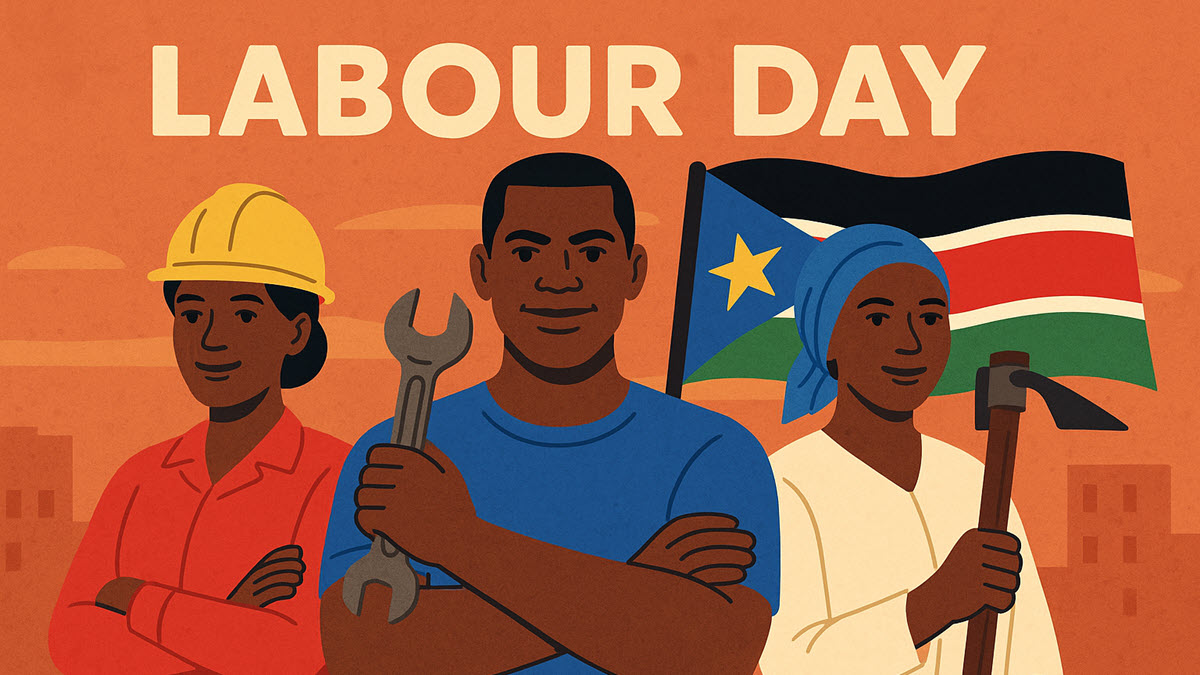
Labour Day in South Sudan has its roots in the global workers’ movement but became nationally significant after independence in 2011. It is to honor workers’ role in nation-building, while also serving as a platform to call for fair labour practices and social justice. 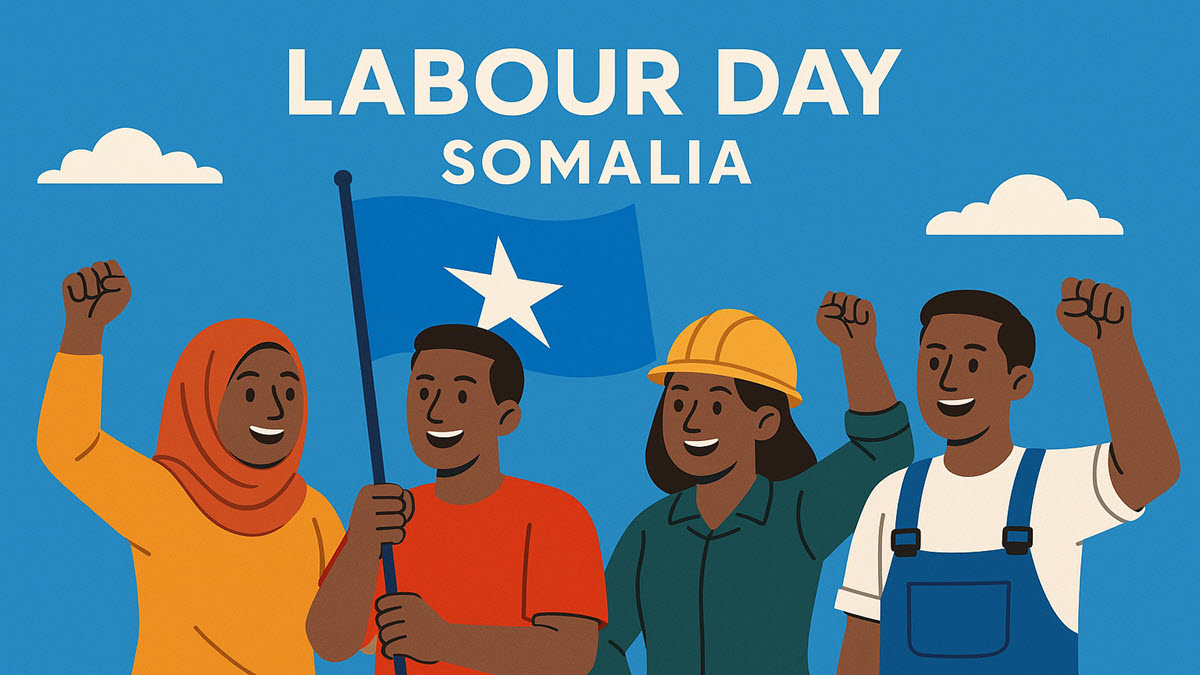
Labour Day in Somalia was adopted after independence in 1960, rooted in the global workers’ rights movement. It honors Somali workers’ contributions, with its observance shaped by socialist-era policies and continuing significance in calls for dignity, rights and economic rebuilding. 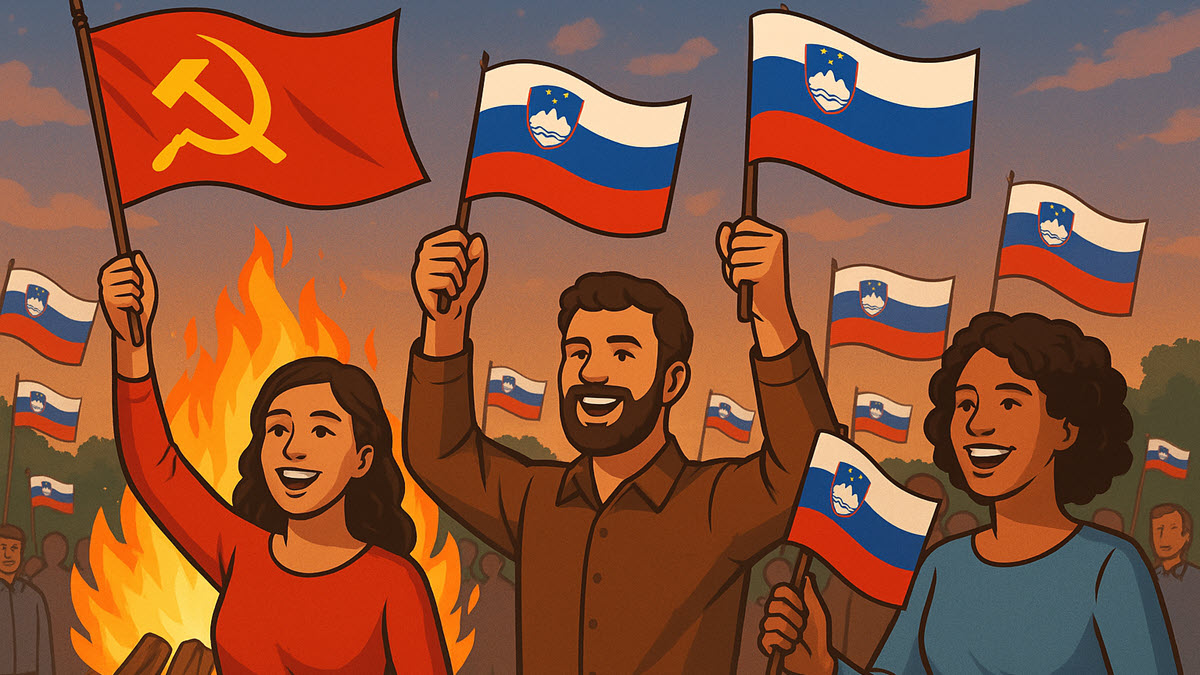
Labour Day in Slovenia has been celebrated since the late 19th century, first under Austro-Hungarian rule, later as a major socialist holiday in Yugoslavia, and today as a two-day public holiday (May 1 and 2) that combines traditions like bonfires and picnics with recognition of workers’ rights and solidarity. 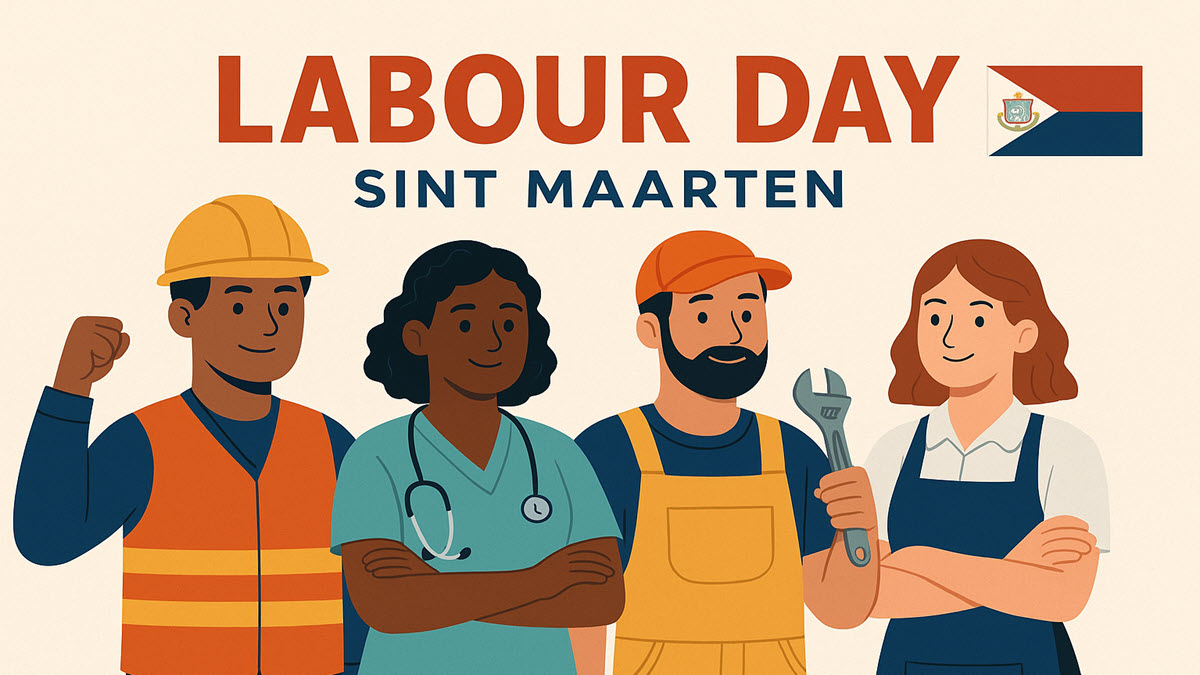
Labour Day in Sint Maarten honors the achievements and struggles of workers and unions, reflecting both international labor traditions and the island’s own history of worker solidarity and advocacy. 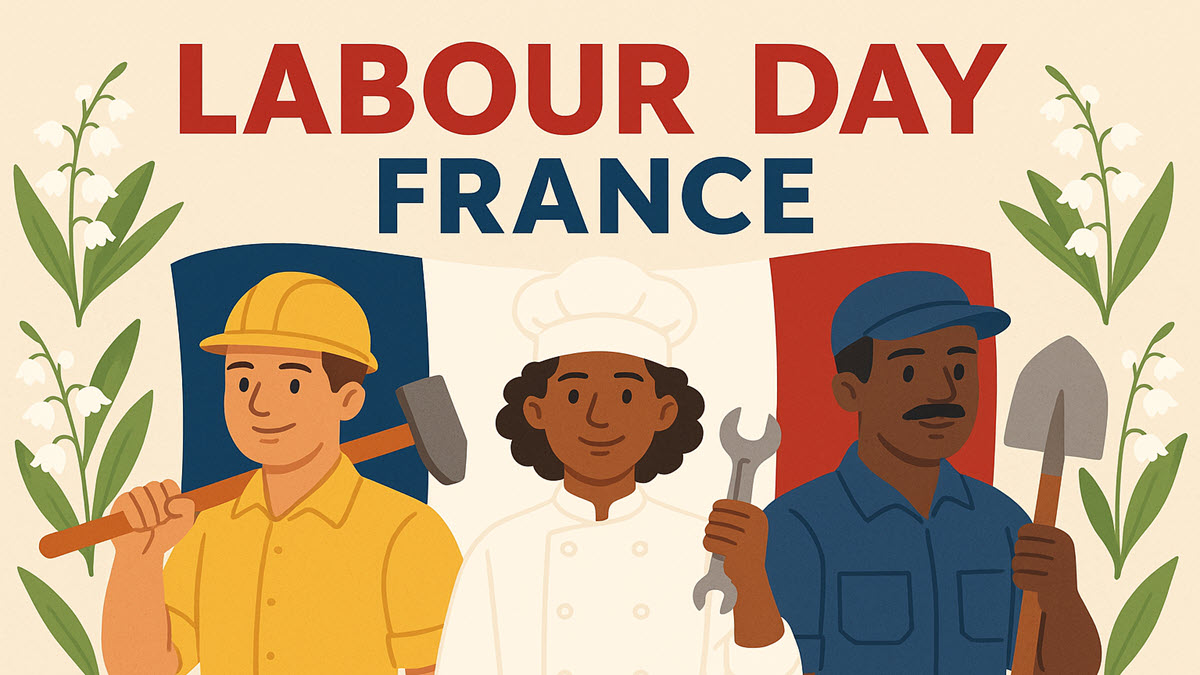
Labour Day in France is both a workers’ holiday and a cultural celebration, combining trade union demonstrations with the joyful exchange of lily of the valley flowers. 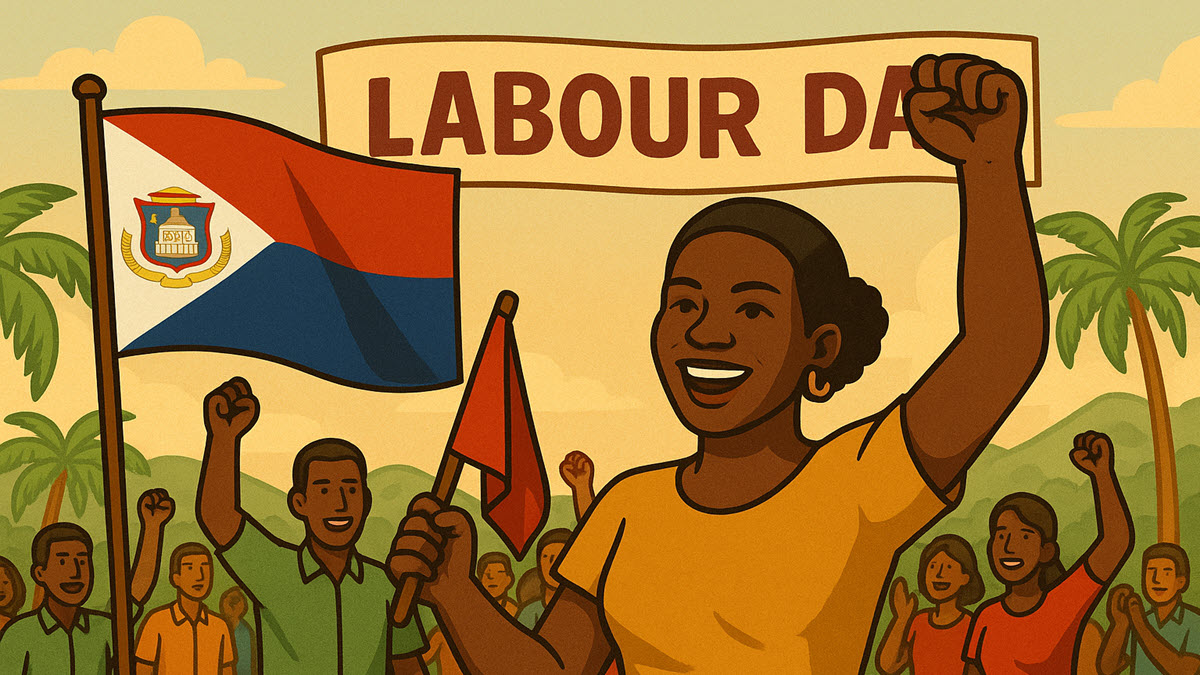
Labour Day in Saint Martin is a public holiday dedicated to honoring the contributions of workers across the island and recognizing the importance of labour rights in society. 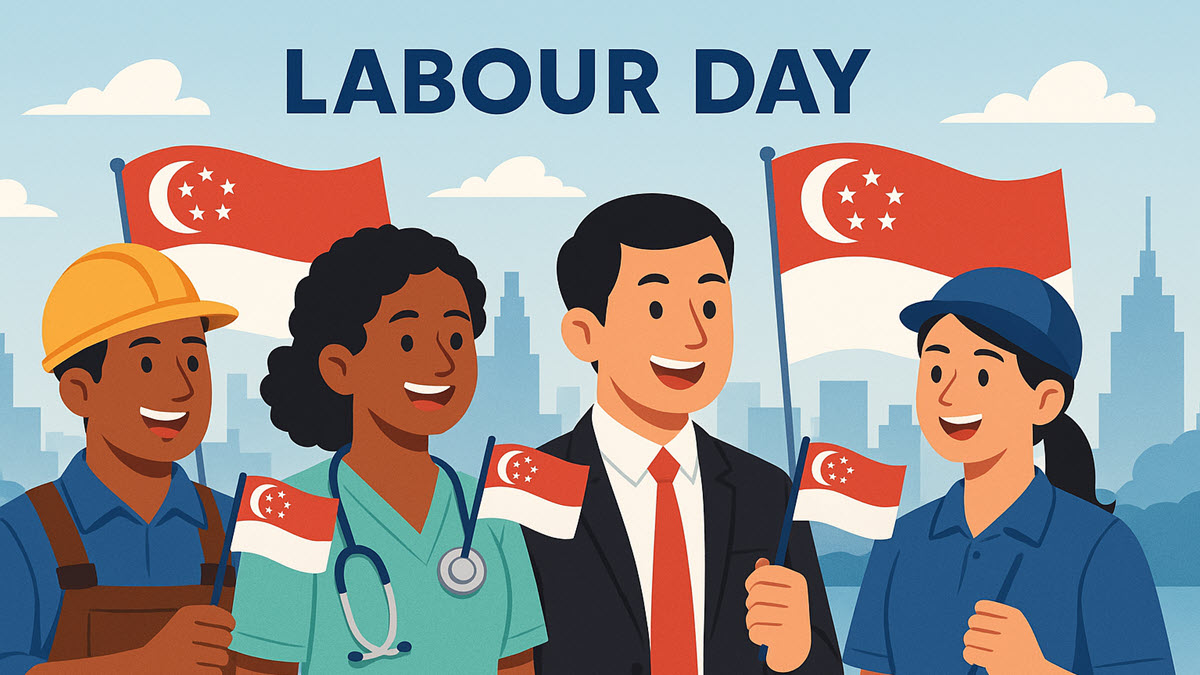
Labour Day in Singapore is a public holiday honoring workers’ contributions, celebrated with official events, union activities, and community festivities, while also giving workers a well-earned day of rest. 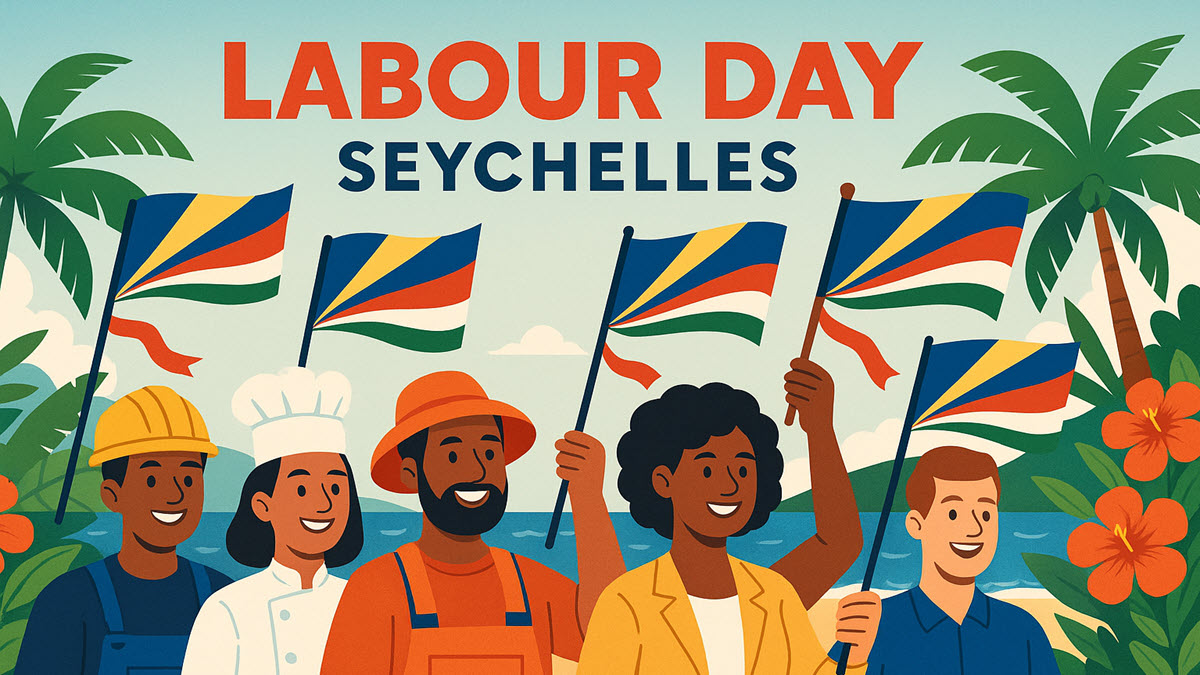
Labour Day in Seychelles is a public holiday celebrating the contributions of workers, promoting rights and solidarity, and observed with ceremonies, parades, and cultural festivities. 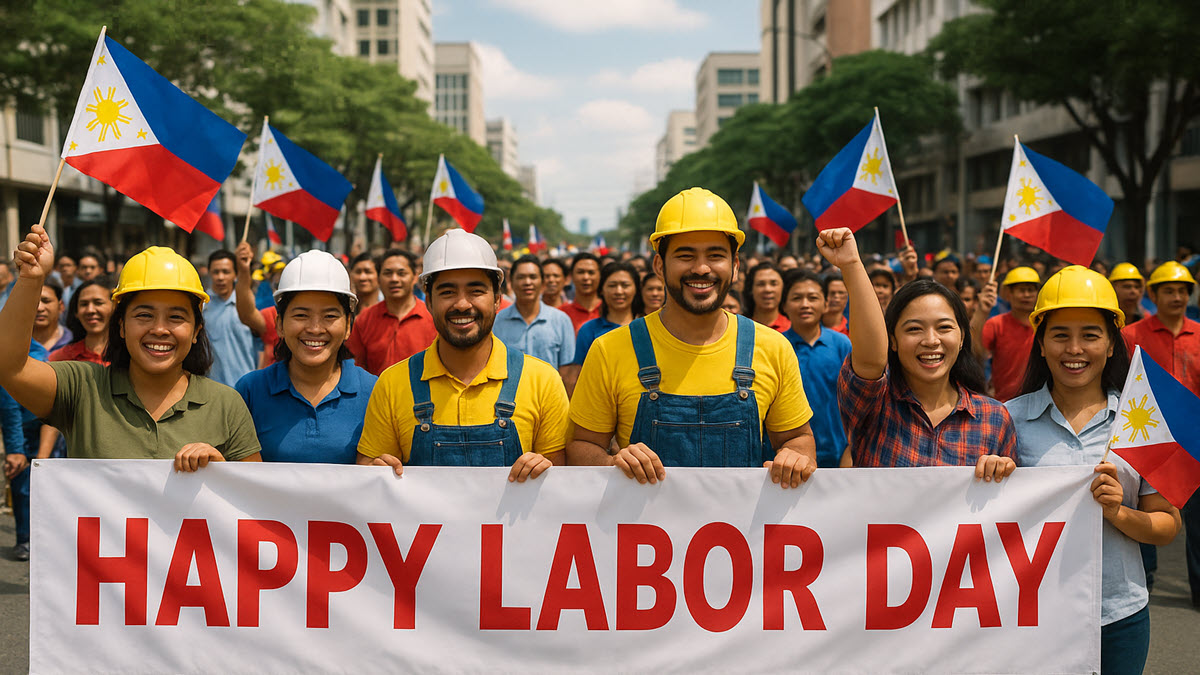
Labour Day in the Philippines commemorates the 1903 workers’ demonstration and honors the contributions of Filipino workers, celebrated with marches, rallies, and community activities, while advocating for continued progress in workers’ rights. 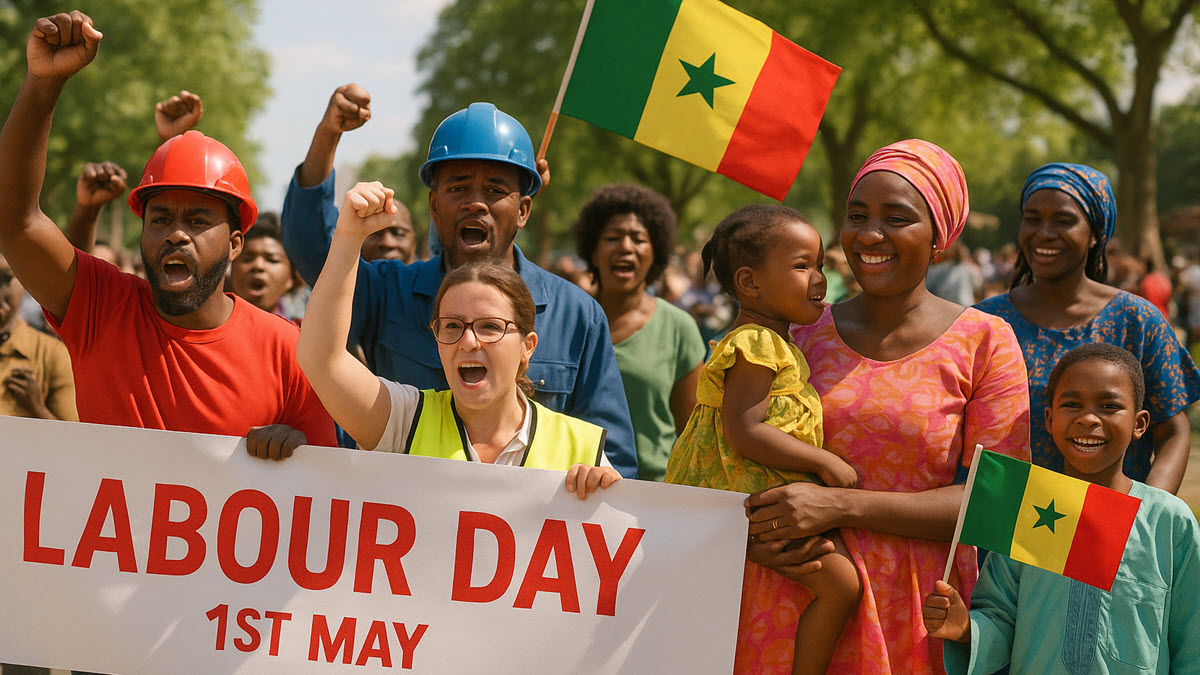
Labour Day in Senegal is both a celebration of workers’ contributions and a platform for labor unions to demand reforms, marked by parades, speeches, and cultural events across the country. 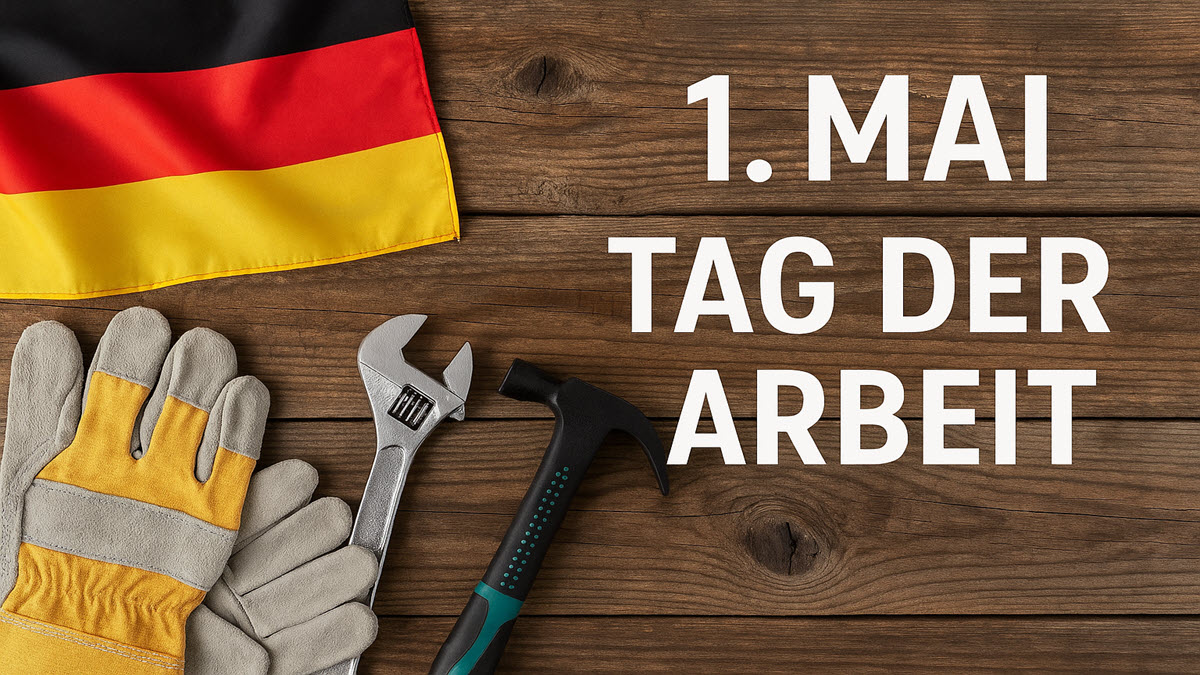
Labour Day in Germany has shifted from a revolutionary workers' holiday to a Nazi propaganda tool, to Cold War symbol, and today a mix of peaceful demonstrations, political statements, and spring festivities. It remains one of the country’s most significant social and political holidays. 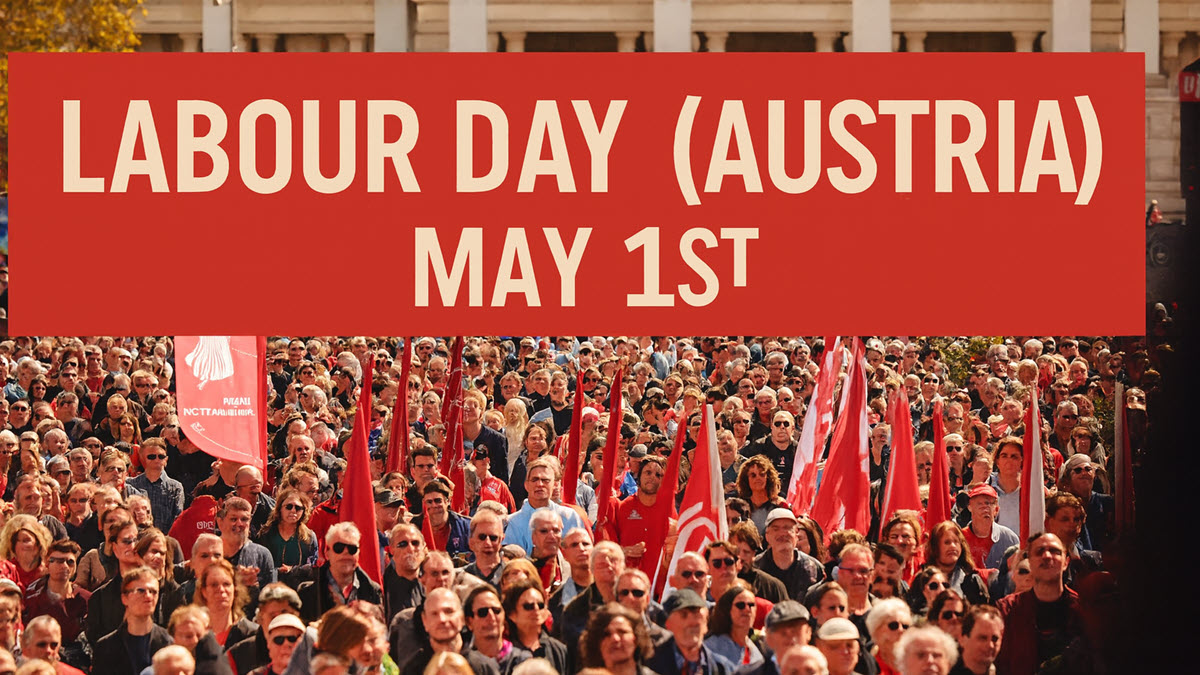
Labour Day in Austria is a public holiday also known as Staatsfeiertag. It combines International Workers’ Day, celebrating labour rights and social achievements, with Austria’s State Holiday, marking national independence. The day features parades, political rallies, maypole festivities and family activities, with most workplaces and schools closed. 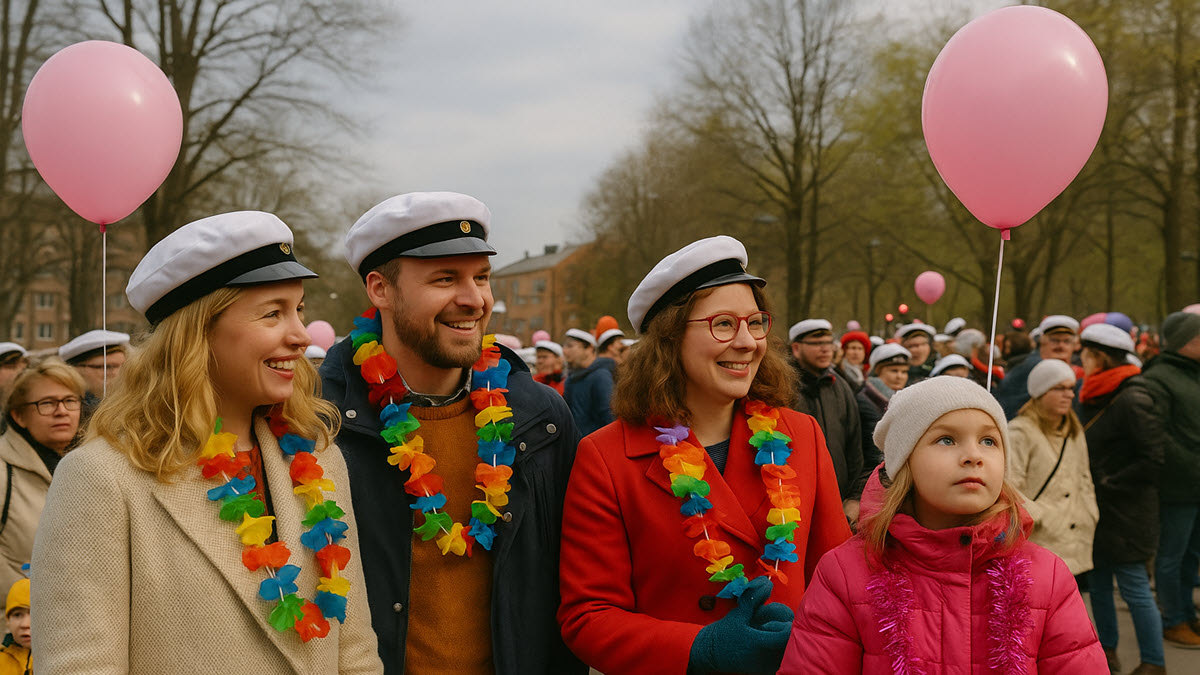
May Day (or Vappu) in Finland is celebrated as both a Labour Day and a spring festival. It features student parades with white caps, workers’ rallies, and family picnics with traditional treats like sima (mead) and doughnuts, making it one of Finland's most festive national holidays. 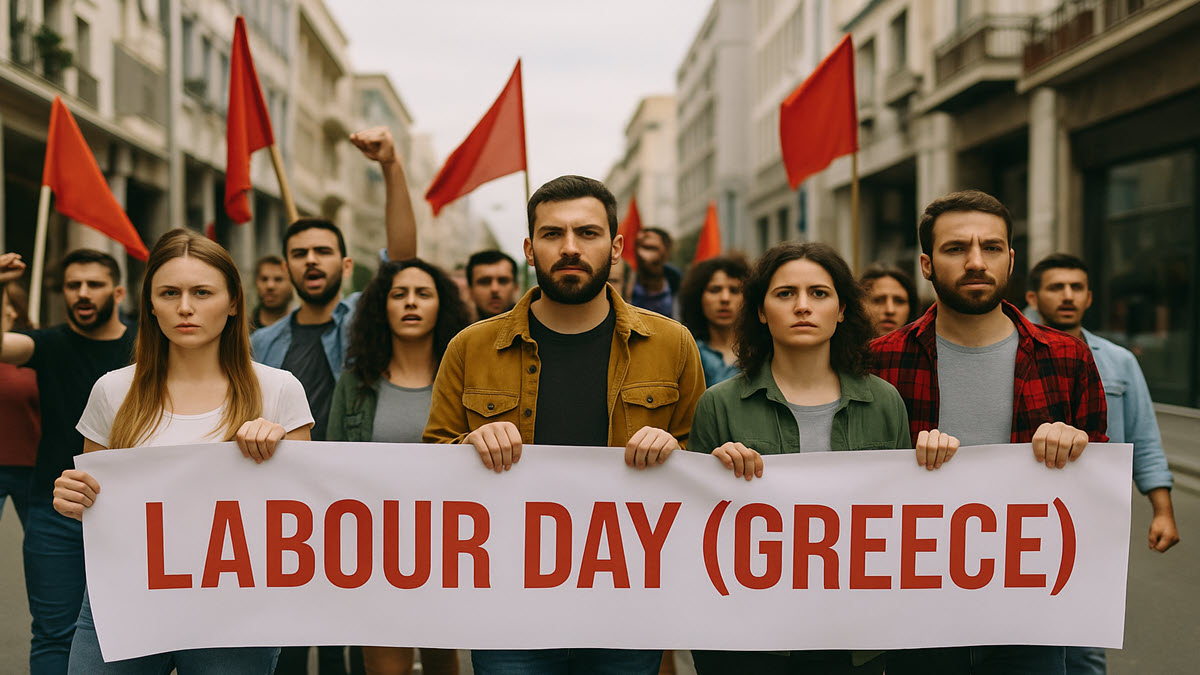
Labour Day in Greece is a public holiday honoring workers’ rights and social struggles, marked by demonstrations, parades and cultural events across the country. 
Labour Day in Iceland honors workers and the labour movement, marked with parades, rallies and speeches. It celebrates the achievements of trade unions in securing fair rights while highlighting the ongoing importance of solidarity and social justice. 
Labour Day in Italy is a national holiday dedicated to workers' rights and social achievements. Rooted in the late 19th-century labor movement, it honors the struggles for fair wages, better conditions, and the eight-hour workday. Today, Italians mark the day with parades, demonstrations and concerts, the most famous being the free "Concerto del Primo Maggio" in Rome's Piazza San Giovanni, bringing together music, solidarity, and celebration of social progress. 
Labour Day in Luxembourg honors workers and the social progress achieved through the labor movement. It is a public holiday that recognizes fair working conditions, solidarity and workers' rights. While rooted in international labor struggles of the late 19th century, in Luxembourg it has evolved into a day of rest and community, marked by union gatherings, cultural events and family activities that celebrate both social justice and the arrival of spring. 
Labour Day in Poland honors workers and their contributions to society. It has been observed in Poland since 1890, originally tied to the international labor movement’s fight for fair working conditions and the eight-hour workday. During the communist era, it was a major state holiday marked by parades and speeches. Today, it remains a day of rest and reflection, often forming part of the long May holiday weekend. 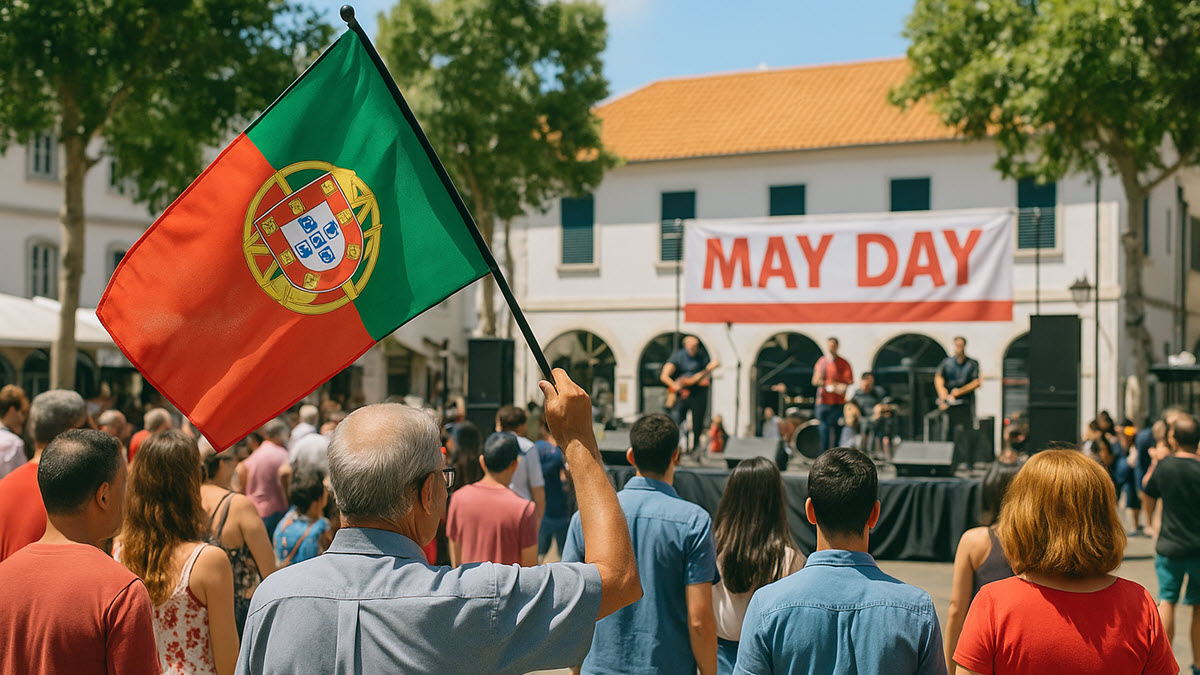
May Day in Gibraltar combines the spirit of International Workers' Day with a springtime festival for the whole community. It honors workers' rights and social unity, while also featuring live entertainment, family activities and cultural performances. 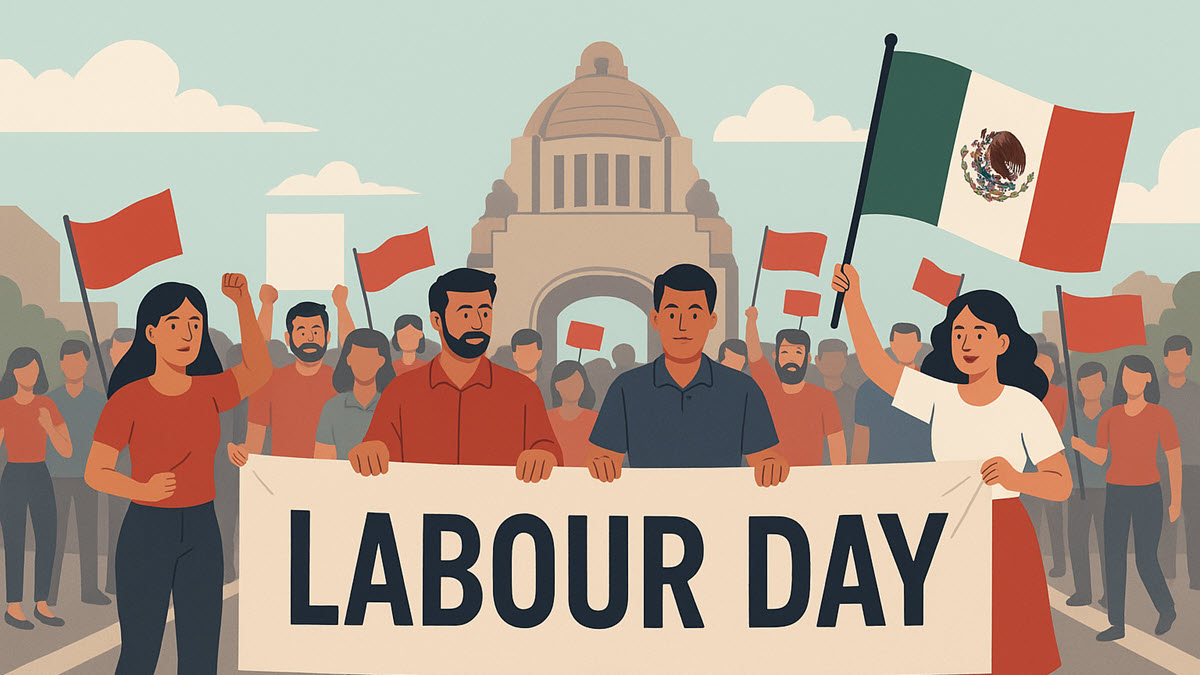
Labour Day in Mexico honors the contributions and struggles of workers across the nation. It commemorates the fight for fair labor conditions, inspired by global labor movements such as the Haymarket affair of 1886. In Mexico, the day reflects the country's strong workers' rights tradition, which enshrined key protections like the eight-hour workday and the right to strike. 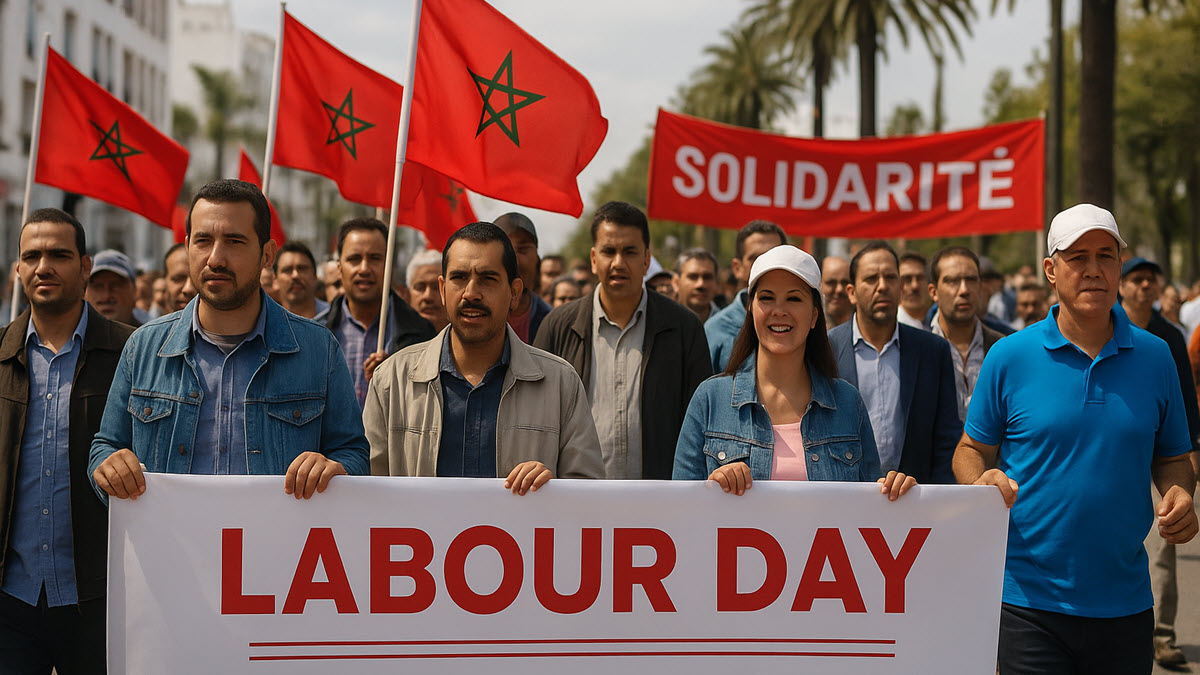
Labour Day in Morocco honors workers' rights and social progress, featuring parades, union gatherings, and speeches across the country that highlight solidarity, equality, and the dignity of labor. 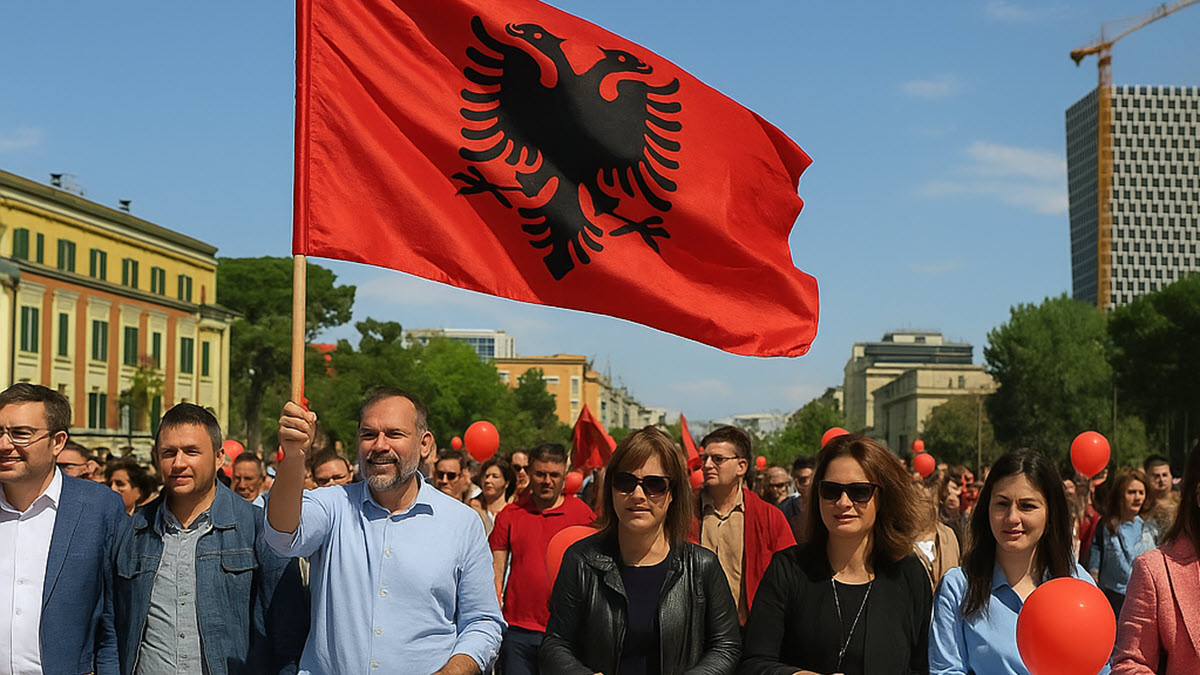
Labour Day in Albania honors the contributions and rights of workers, featuring marches, gatherings, and cultural events that promote solidarity, fair labor practices and social progress across the nation. 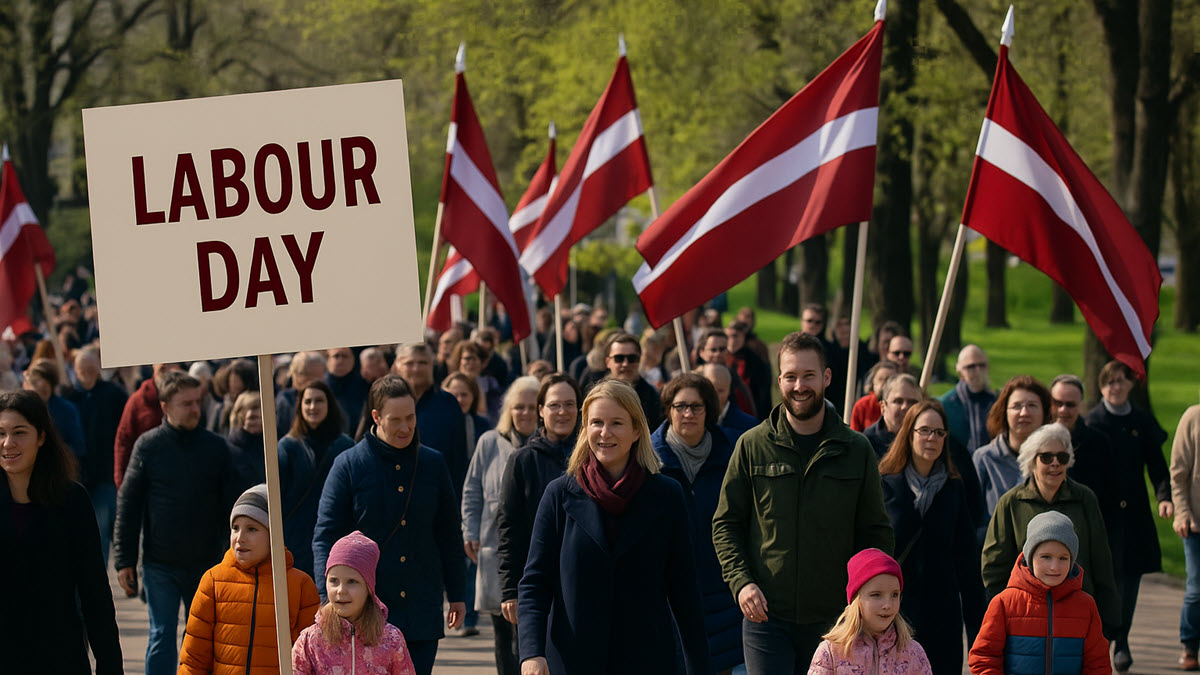
Labour Day in Latvia honors workers’ contributions and the value of fair labor. It also marks the arrival of spring, blending social recognition with festive gatherings, concerts, and community celebrations across the country. 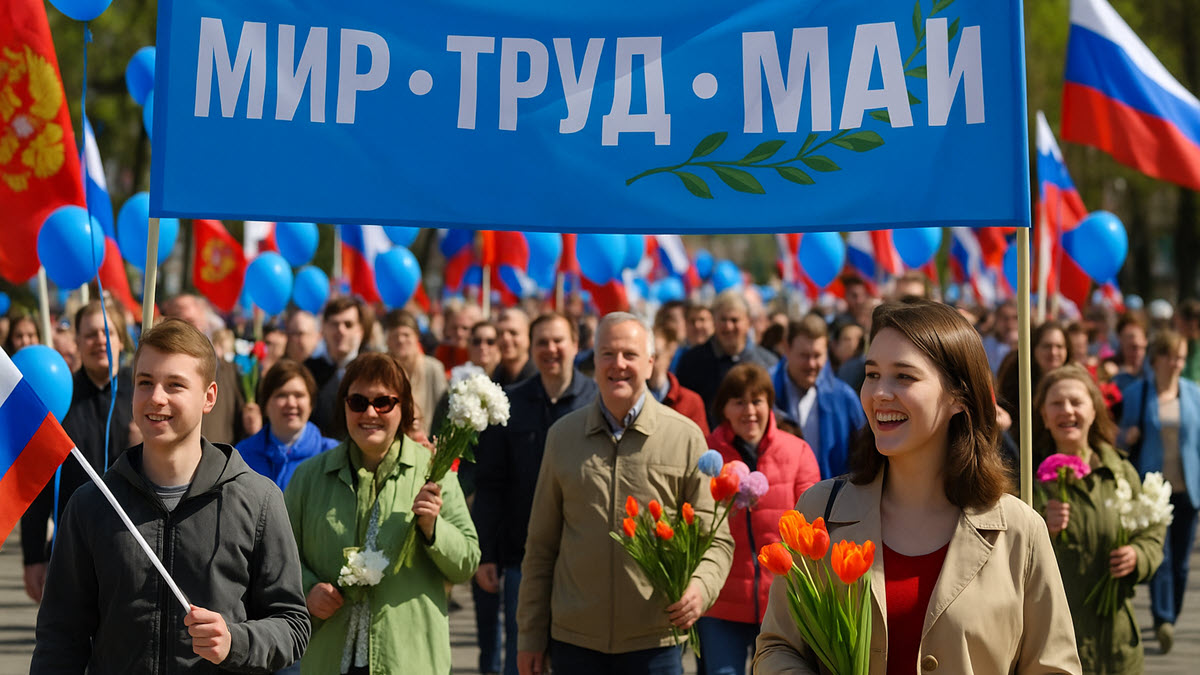
Labour Day in Russia honors the achievements and solidarity of workers. Once a major Soviet holiday known for parades and political slogans, it is now a public holiday for rest, picnics, and community celebrations, symbolizing spring, renewal, and unity. 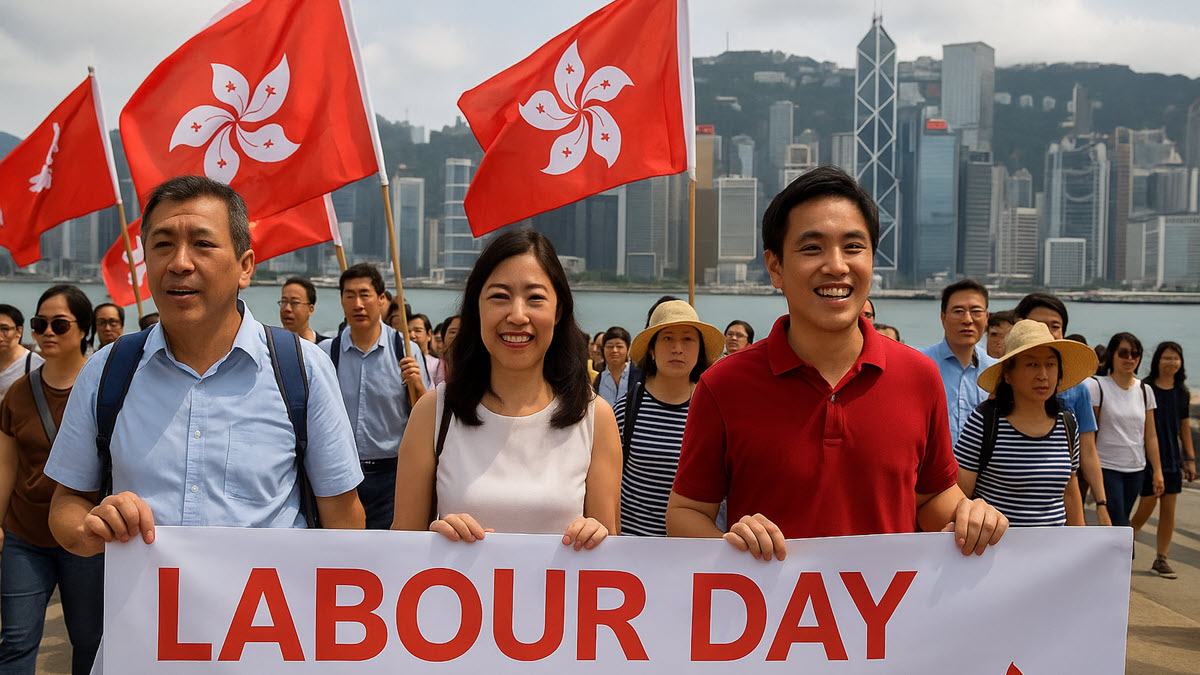
Labour Day in Hong Kong celebrates the achievements and rights of workers and their contribution to society. As a public holiday, it is a time for rest, family gatherings and leisure, often marked by community events and union-led activities promoting fair labor practices. 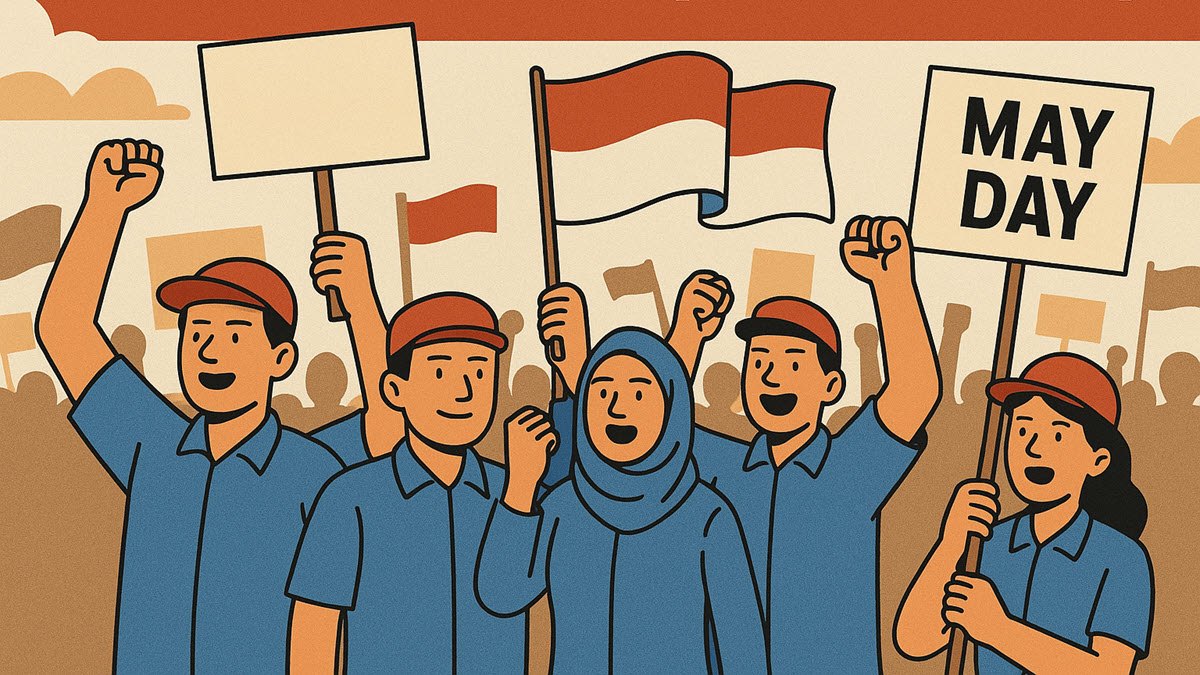
Labour Day in Indonesia, or Hari Buruh Internasional, honors the contributions and struggles of workers across the nation and around the world. The day is marked by rallies, parades, and gatherings organized by labor unions to advocate for fair wages, improved working conditions, and workers' rights. 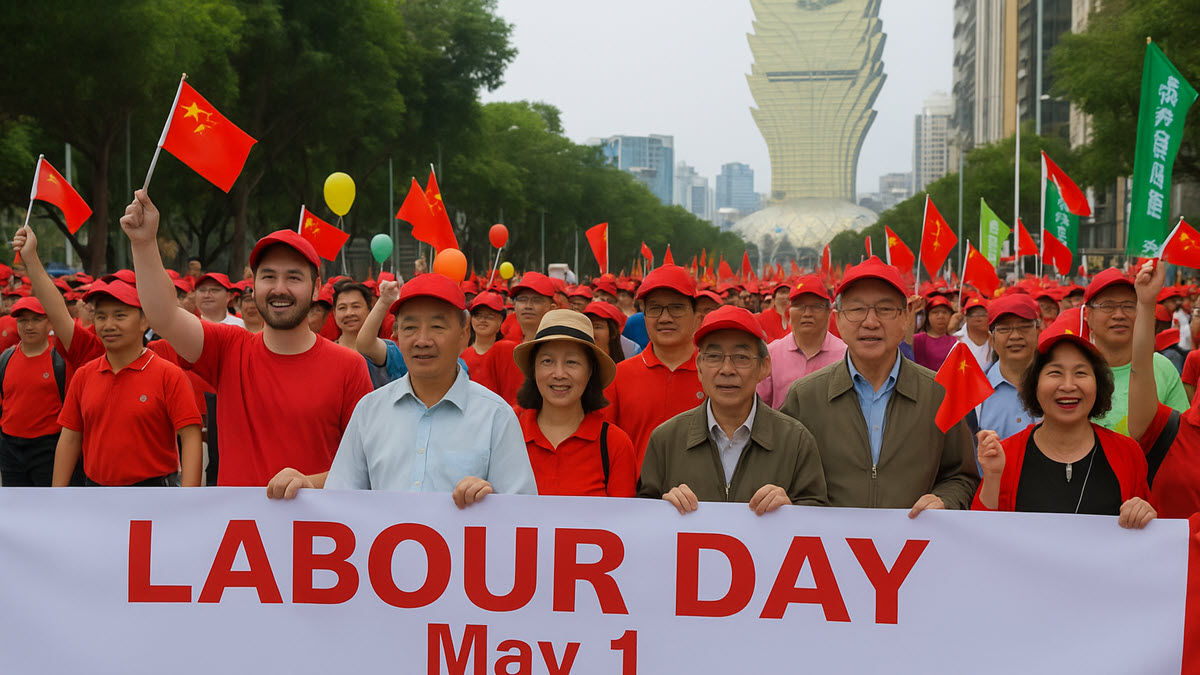
Labour Day, or International Workers' Day, honors the contributions and rights of workers across all sectors. The day is marked by parades, community events, and labor union gatherings, promoting solidarity and fair working conditions. For many residents, it is also a public holiday spent relaxing with family or enjoying local festivities, reflecting both appreciation for workers and Macau's vibrant social spirit. 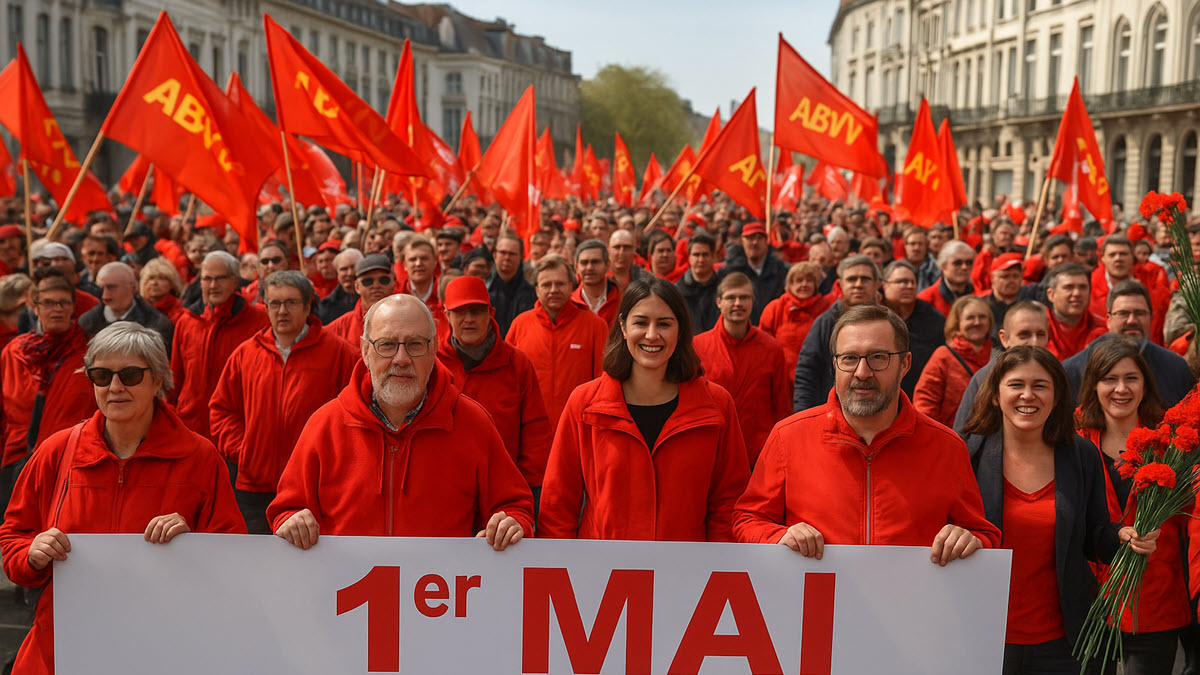
Labour Day in Belgium is a public holiday dedicated to honoring workers and the labour movement. The holiday recognizes the struggles and achievements of those who fought for fair working conditions and social progress. The day features union marches, political gatherings and community festivals, often accompanied by speeches and concerts. For many Belgians, it is also a cherished spring holiday. 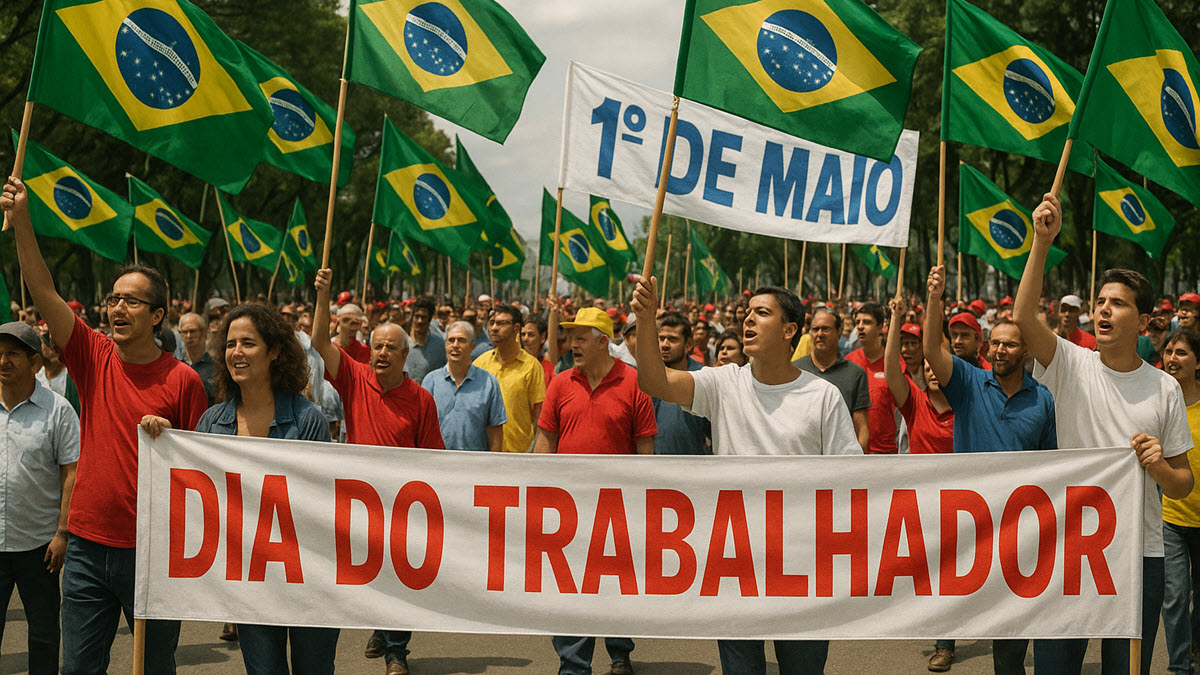
Labour Day in Brazil honors workers and their contributions to the nation's progress. The holiday reflects both social achievements and ongoing struggles for workers' rights. Introduced in the late 19th century and officially recognized in 1925, it became a symbol of unity and labor solidarity. 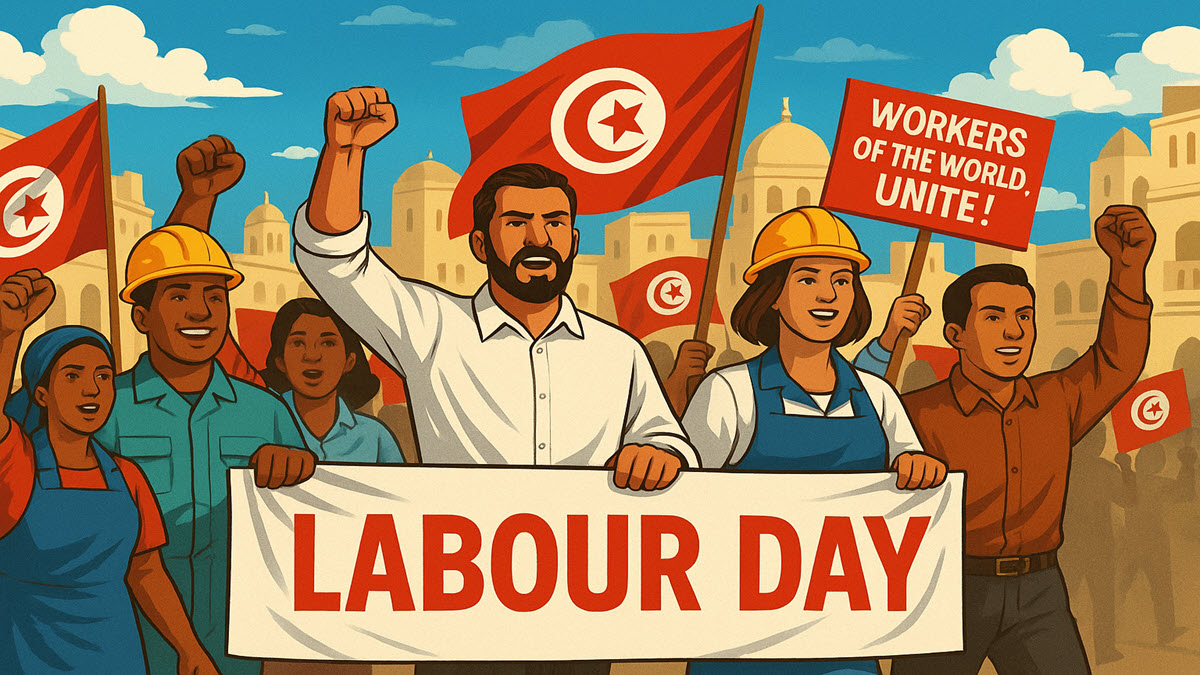
Labour Day is a national public holiday in Tunisia dedicated to honoring workers and their contributions to the country’s development. It is part of International Workers' Day, celebrated globally, and reflects Tunisia’s long tradition of labor activism and social justice. 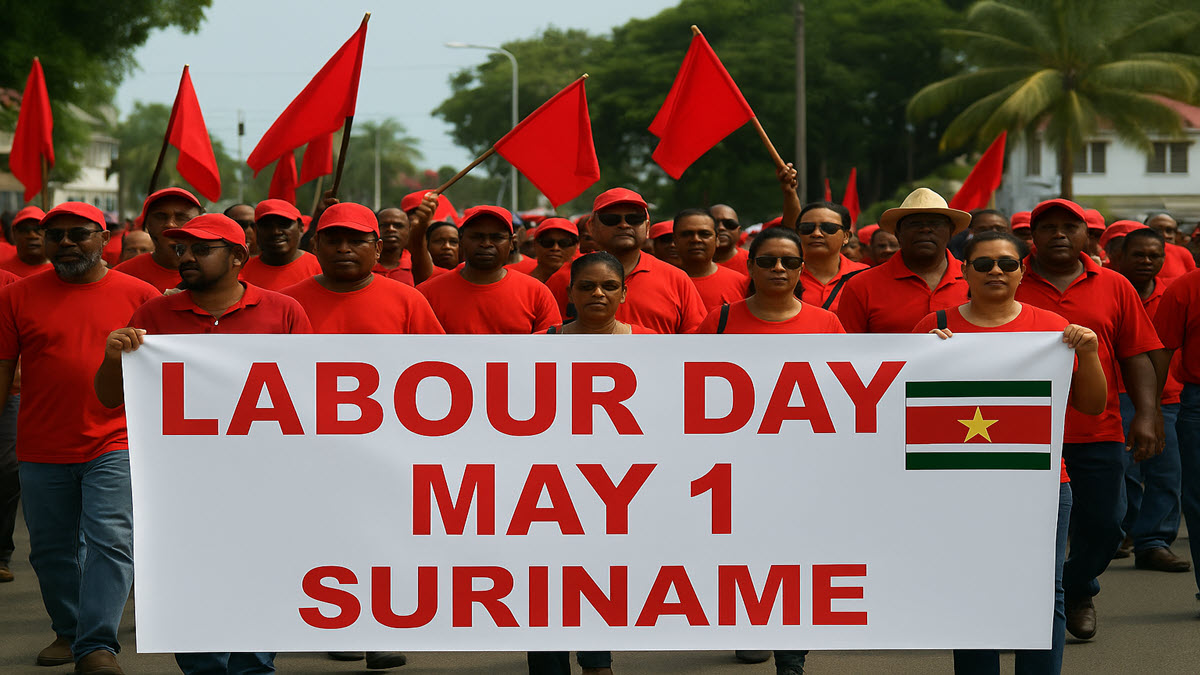
Labour Day in Suriname honors the contributions of workers and the achievements of the labour movement. Marked by union rallies, cultural events, and public recognition, it stands as both a celebration of workers’ rights and a call for continued social and economic progress. 
Labour Day in Slovakia originated from the global workers’ rights movement, was strongly emphasized during Czechoslovakia’s socialist era, and today serves both as a workers’ holiday and a commemoration of the 1918 Slovak National Council, blending labor solidarity with national pride. 
Labour Day in Serbia is both a recognition of the international labor movement and a national holiday of rest and celebration, marked by family picnics, cultural events, and occasional union demonstrations. 
Labour Day in Hungary honors workers' rights and social progress. Once marked by large parades during the communist era, today it is a public holiday with fairs, concerts and family gatherings, while trade unions still hold rallies. 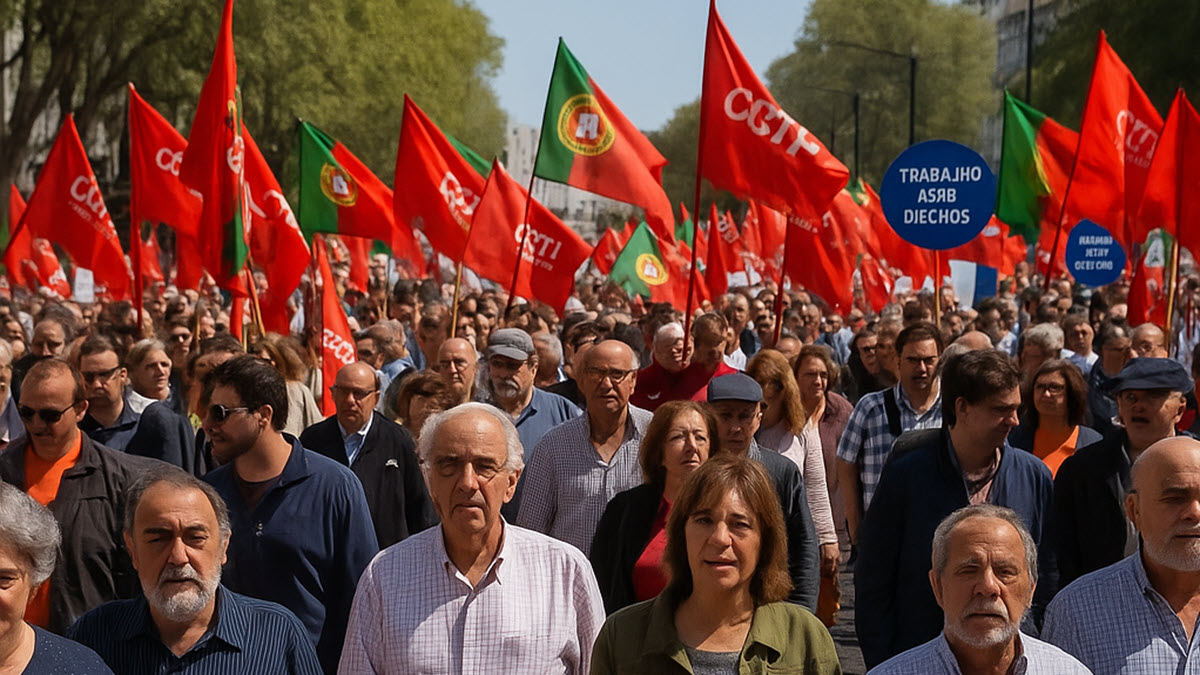
Labour Day in Portugal honors the achievements and rights of workers. It has roots in the international labor movement advocating for the eight-hour workday. Banned during Portugal's dictatorship, it regained importance after the Carnation Revolution of 1974, symbolizing both workers' freedom and democracy. 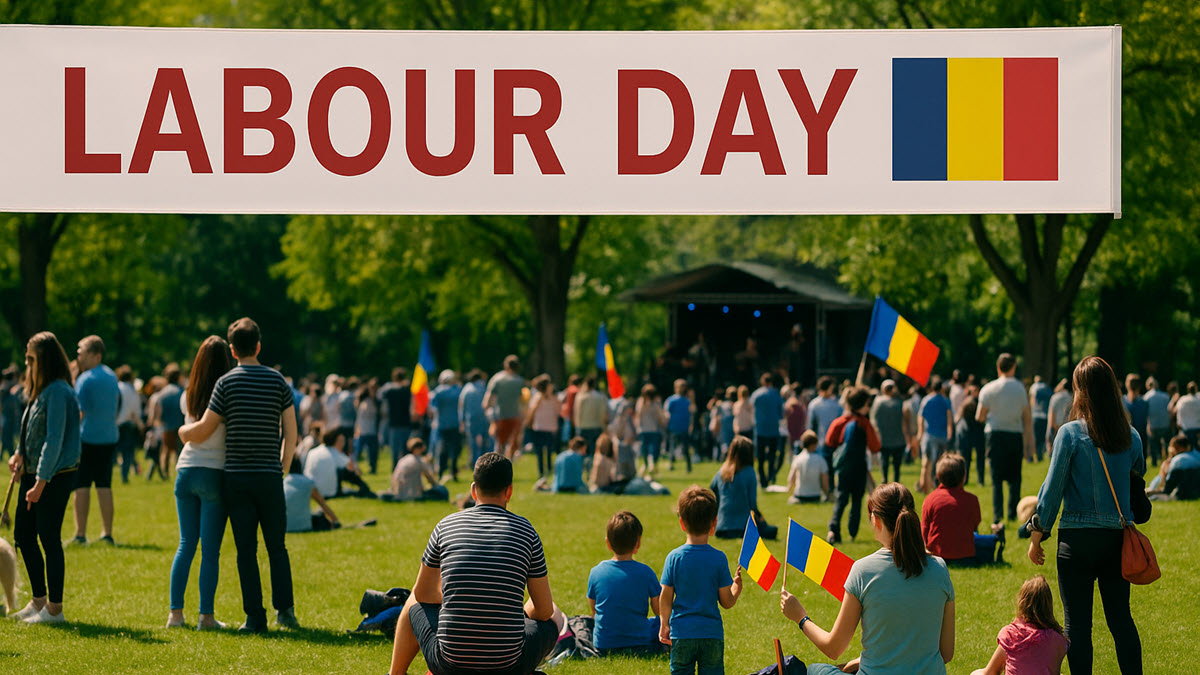
Labour Day in Romania honors the contributions and rights of workers. Rooted in the international labor movement, it is both a day of solidarity and rest, marked by public festivities, picnics, and outdoor gatherings across the country. 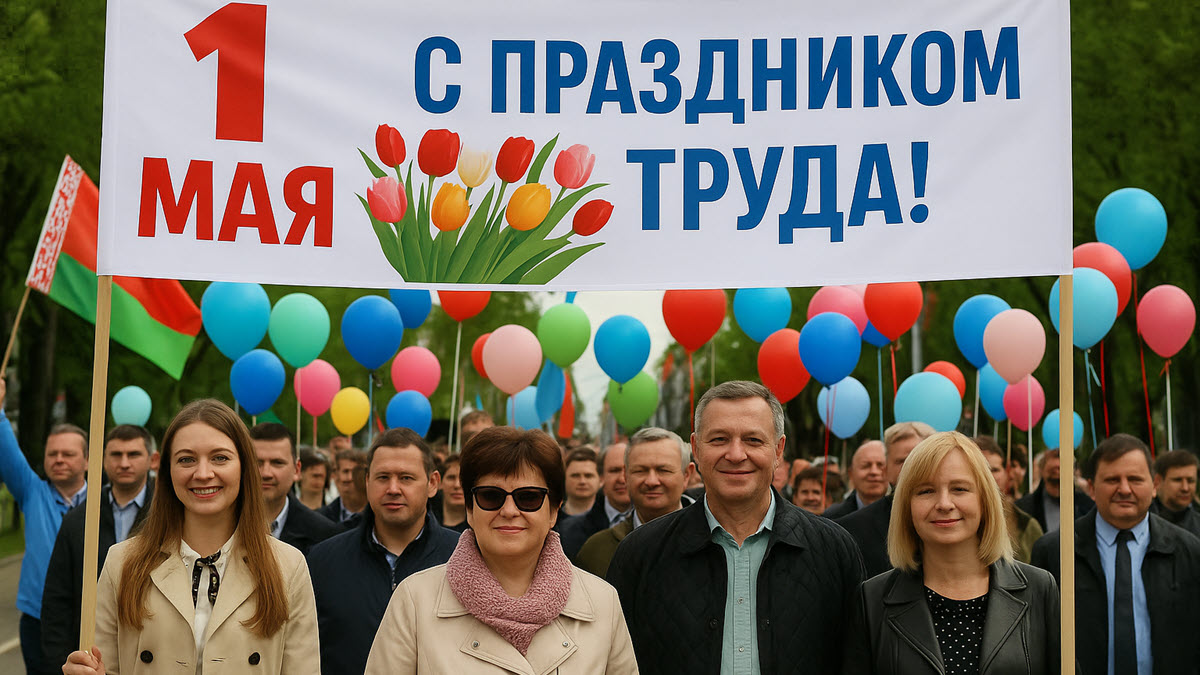
Labour Day in Belarus honors workers' contributions and the dignity of labour. The day is marked with festive parades, concerts and community gatherings, where people enjoy the arrival of spring, express solidarity, and celebrate social and economic achievements. Labour Day reflects both the historic spirit of workers’ unity and the modern joy of renewal and togetherness. |
3 events,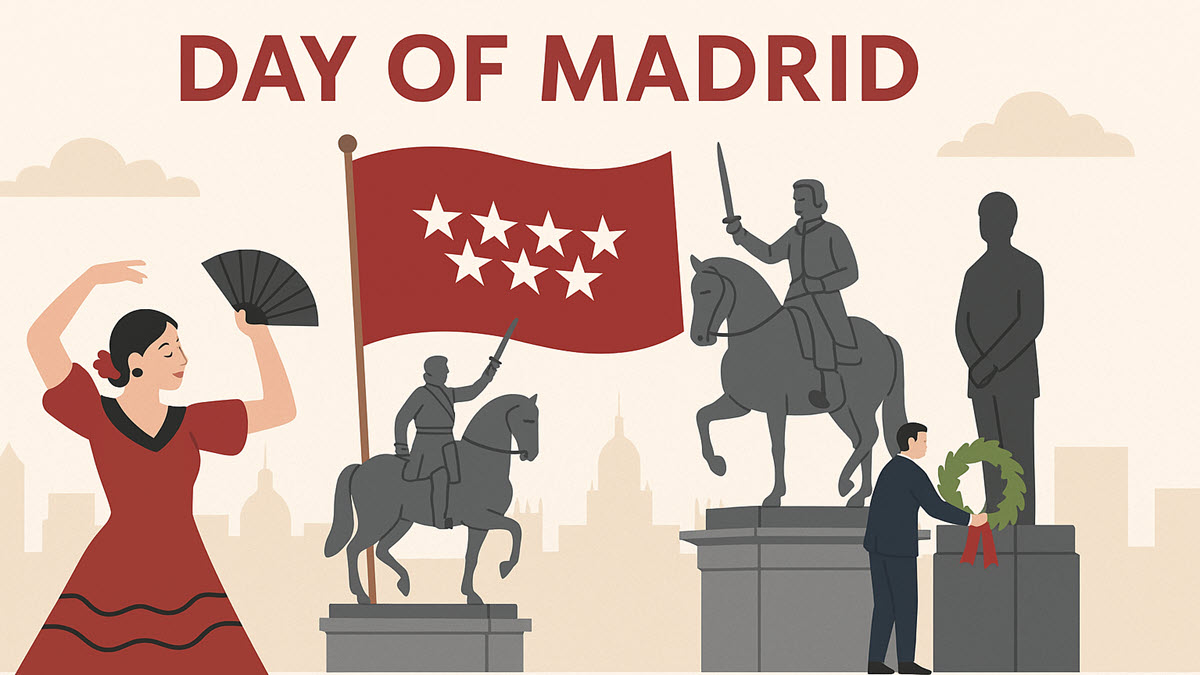
The Day of Madrid commemorates the 1808 uprising, a pivotal moment when ordinary citizens resisted Napoleon’s occupation. Though suppressed, it became a lasting symbol of freedom and regional pride, and since 1983 it has also represented the autonomy of Madrid within Spain. |