Historical Holiday
Events
Calendar of Events
|
Sunday
|
Monday
|
Tuesday
|
Wednesday
|
Thursday
|
Friday
|
Saturday
|
|---|---|---|---|---|---|---|
|
1 event,
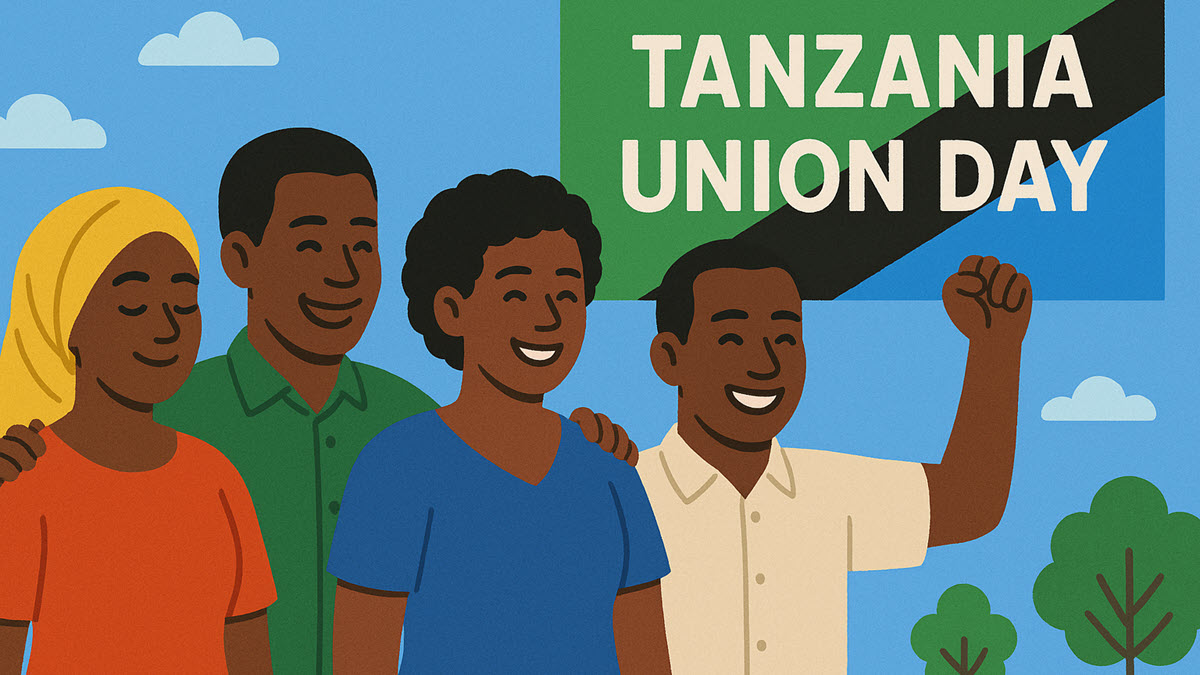
Tanzania Union Day is celebrated annually to commemorate the political union of Tanganyika and Zanzibar in 1964, forming the modern nation of Tanzania. It is one of the most important national holidays in Tanzania, symbolizing national unity and sovereignty. |
4 events,

Independence Day in Togo is a national holiday and it commemorates the day in 1960 when Togo gained full independence from France, ending decades of colonial rule. 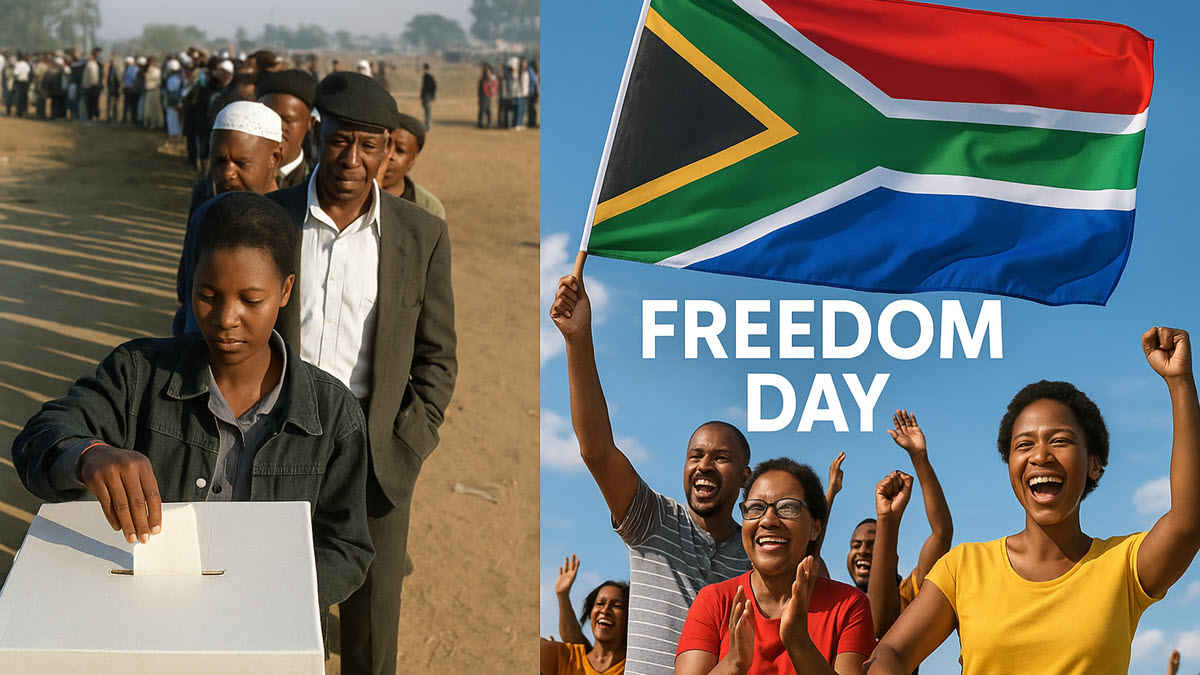
Freedom Day marks the first democratic elections in South Africa in 1994, ending decades of apartheid and ushering in a new era of democracy under Nelson Mandela. It is both a celebration of liberation and a day of reflection on the country’s ongoing journey toward equality and justice. 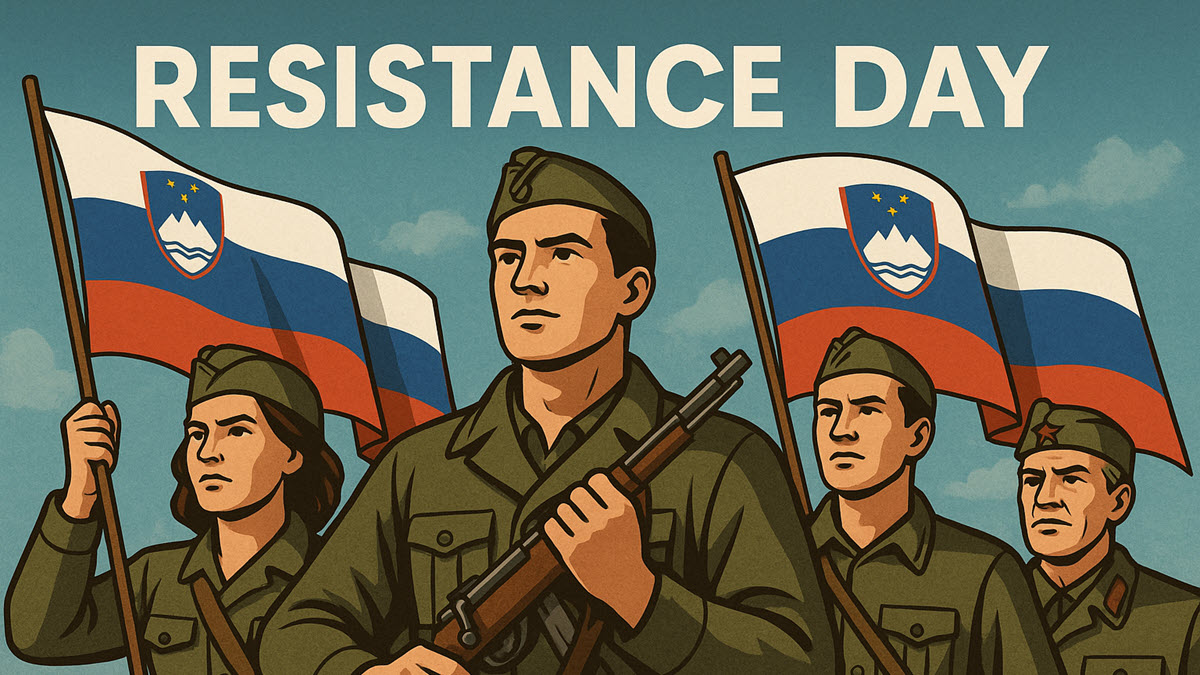
Resistance Day commemorates the founding of the Liberation Front in 1941, marking the start of Slovenia’s organized resistance against fascist occupation in WWII, and celebrating national unity, freedom and resilience. 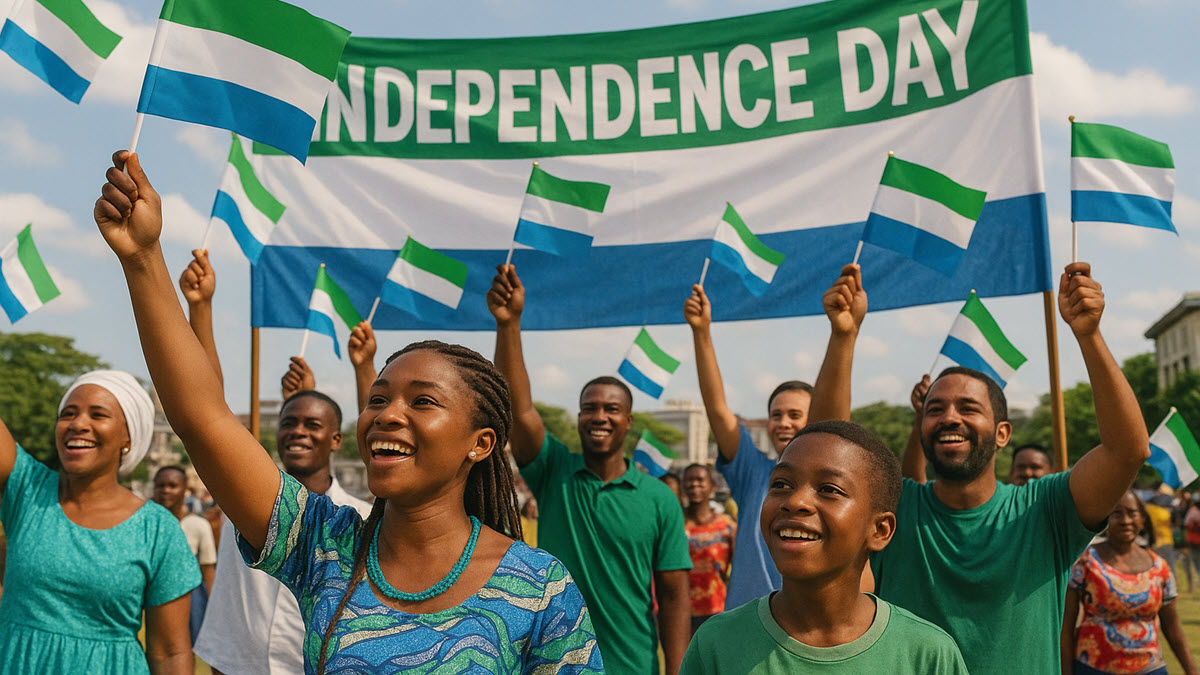
Independence Day in Sierra Leone marks the country’s liberation from British colonial rule and the establishment of a sovereign parliamentary democracy under Sir Milton Margai on April 27, 1961. It is remembered as the moment Sierra Leoneans took charge of their own destiny and continues to be celebrated with patriotic pride and cultural unity. |
0 events,
|
0 events,
|
0 events,
|
58 events,

Labour Day in Uganda is a national public holiday to honor workers' contributions and advocate for labor rights and social justice. Aligned with global International Workers’ Day traditions, Uganda began officially observing it in the 1970s, with increasing government and union participation. 
Labour Day is a public holiday in Ukraine, and it honors the contributions of workers and the labor movement. Ukraine's observance of Labour Day has evolved over time, reflecting the nation's historical and political changes. 
Labour Day in Vanuatu is a public holiday, aligning with the global celebration of International Workers’ Day. This day is dedicated to honoring the economic and social achievements of workers and the labor movement. 
Labour Day in Venezuela, known as "Día del Trabajador", is celebrated along with many other countries around the world. It is a powerful symbol of the workers' movement, blending historical labor rights advocacy with modern political and social expression. 
International Labour Day, known in Vietnam as "Ngày Quốc tế Lao động", is a national public holiday and one of the most important official holidays recognizing workers' contributions to the country's development. 
Labour Day is a public holiday in Wallis and Futuna. It aligns with International Workers' Day, observed in many countries worldwide to honor the contributions of workers and the labor movement. 
Labour Day, also known as International Workers' Day, is celebrated in Yemen in alignment with many countries around the world, and it serves as a time to acknowledge the contributions of Yemeni workers across sectors such as agriculture, construction, education, and public services. 
Labour Day in Zambia is a national public holiday dedicated to honoring the contributions of workers to the nation's development. It aligns with the global celebration of International Workers' Day, commemorating the achievements of the labor movement. 
International Workers’ Day, also known as Labour Day in Zimbabwe, is a national public holiday dedicated to honoring the contributions of workers and the labor movement in advancing workers’ rights and social justice. 
Labour Day is a national public holiday in Tunisia dedicated to honoring workers and their contributions to the country’s development. It is part of International Workers' Day, celebrated globally, and reflects Tunisia’s long tradition of labor activism and social justice. 
Labour Day in Togo is part of the global observance of International Workers’ Day, which honors the contributions of workers and promotes labour rights. Its roots lie in the international labour movement of the late 19th century, and its history in Togo reflects the nation’s post-colonial evolution, union activism, and the fight for better working conditions. 
Labour Day in The Gambia is part of a global tradition known as International Workers’ Day or May Day, which honors the struggles and achievements of workers and the labor movement. In The Gambia, Labour Day shares this international origin but is also shaped by the country’s own political and social development. 
International Workers' Day, also known as Labour Day, is celebrated in Tanzania. It is a national public holiday that honors the contributions, rights, and dignity of workers across the country. While rooted in global labor history, the Tanzanian observance reflects the country’s own post-independence socialist values and ongoing struggle for workers' rights. 
Labour Day, also known as International Workers’ Day or May Day, is celebrated in Tajikistan every year. This holiday honors the contributions and rights of workers, and its roots in Tajikistan are deeply tied to the country’s Soviet past and the global labor movement. 
Labour Day in Syria is in alignment with International Workers' Day, a global observance that originated in the late 19th century. In Syria, the holiday has deep political and symbolic significance, especially tied to the Ba'ath Party’s emphasis on social justice, worker empowerment, and state-led economic development. 
May Day is a public holiday focused on labor rights and social justice. It is officially recognized as International Workers' Day and is a time when political parties hold marches, rallies, and speeches across the country. 
Labour Day in Suriname honors the contributions of workers and the achievements of the labour movement. Marked by union rallies, cultural events, and public recognition, it stands as both a celebration of workers’ rights and a call for continued social and economic progress. 
Labour Day in Sri Lanka honors the contributions of workers and the global struggle for labour rights. Recognized as a national holiday since 1956, it is marked by rallies and speeches led by trade unions and political parties, emphasizing workers’ rights and social justice. 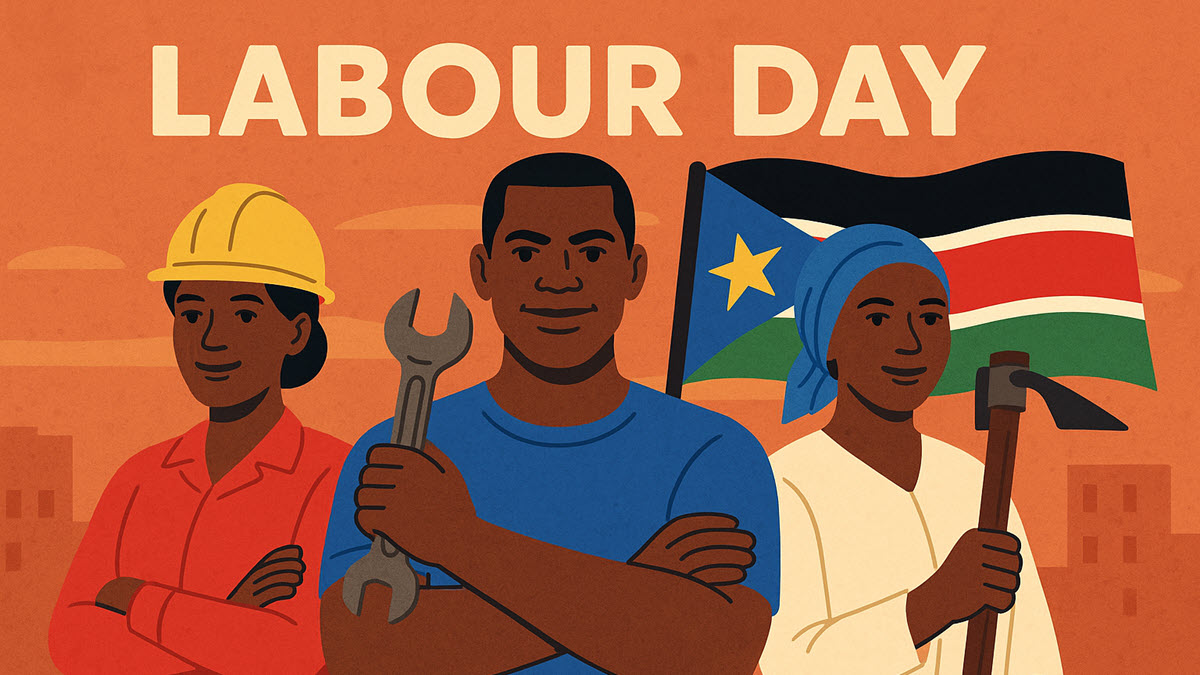
Labour Day in South Sudan has its roots in the global workers’ movement but became nationally significant after independence in 2011. It is to honor workers’ role in nation-building, while also serving as a platform to call for fair labour practices and social justice. 
International Workers' Day, also known as Labour Day, celebrates the role of workers in society, honours the struggles of the labour movement, and recognizes the sacrifices made by trade unions and workers in the fight against apartheid and for fair working conditions. 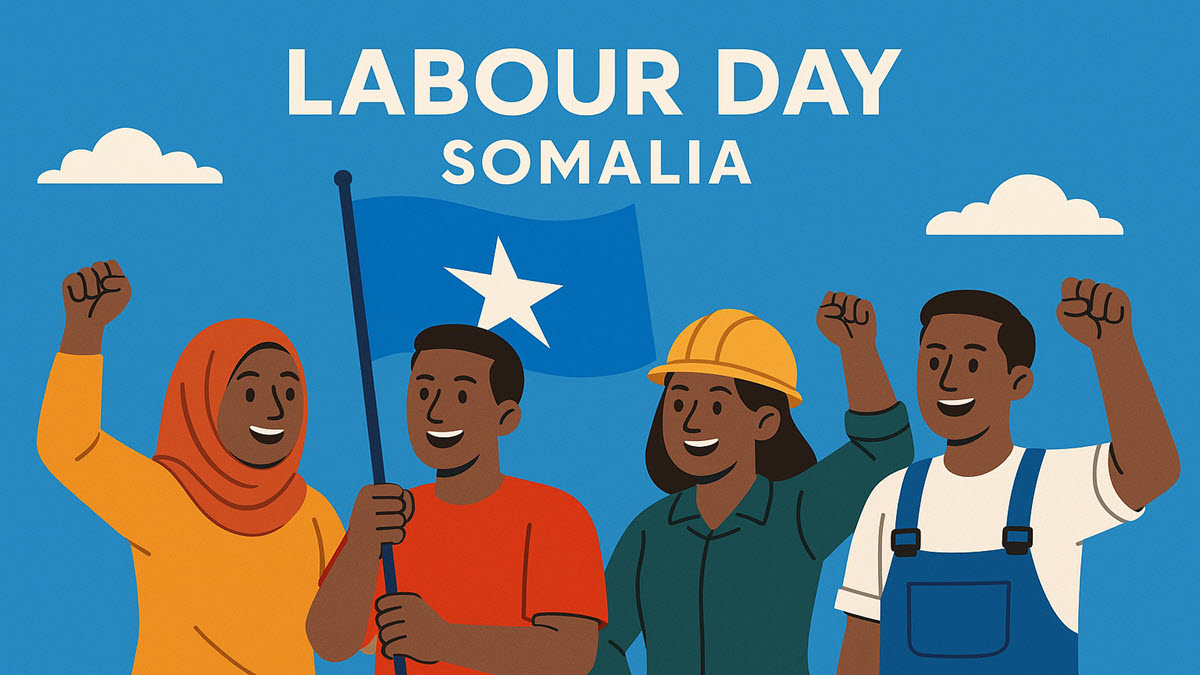
Labour Day in Somalia was adopted after independence in 1960, rooted in the global workers’ rights movement. It honors Somali workers’ contributions, with its observance shaped by socialist-era policies and continuing significance in calls for dignity, rights and economic rebuilding. 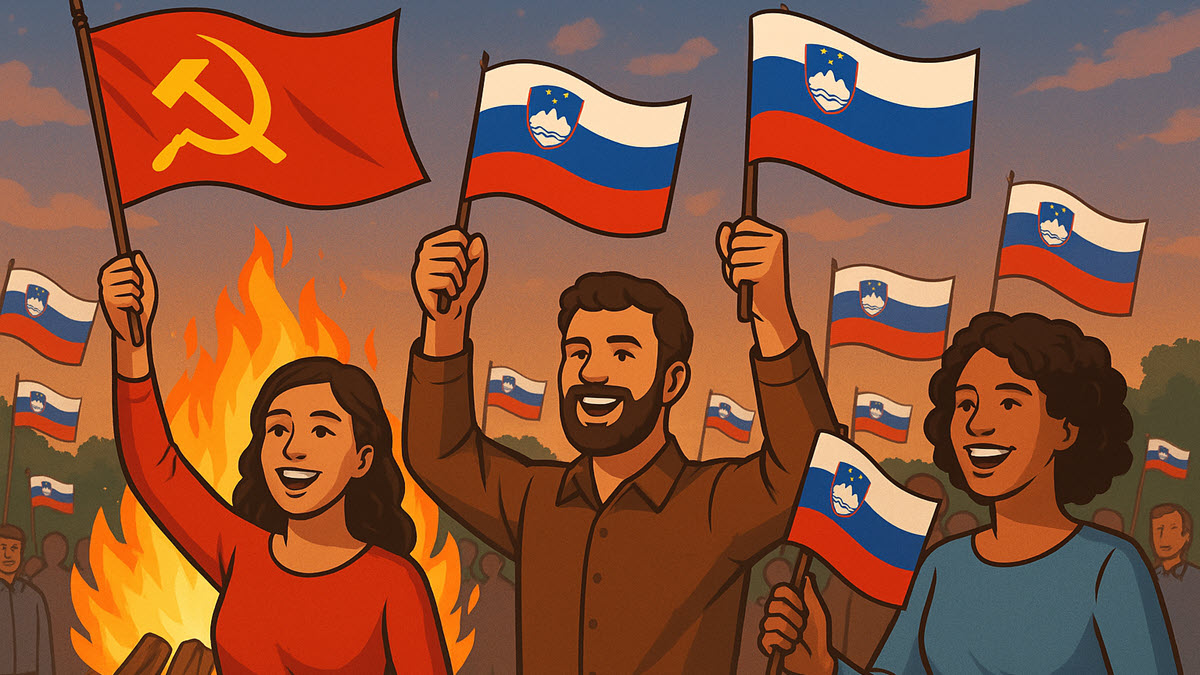
Labour Day in Slovenia has been celebrated since the late 19th century, first under Austro-Hungarian rule, later as a major socialist holiday in Yugoslavia, and today as a two-day public holiday (May 1 and 2) that combines traditions like bonfires and picnics with recognition of workers’ rights and solidarity. 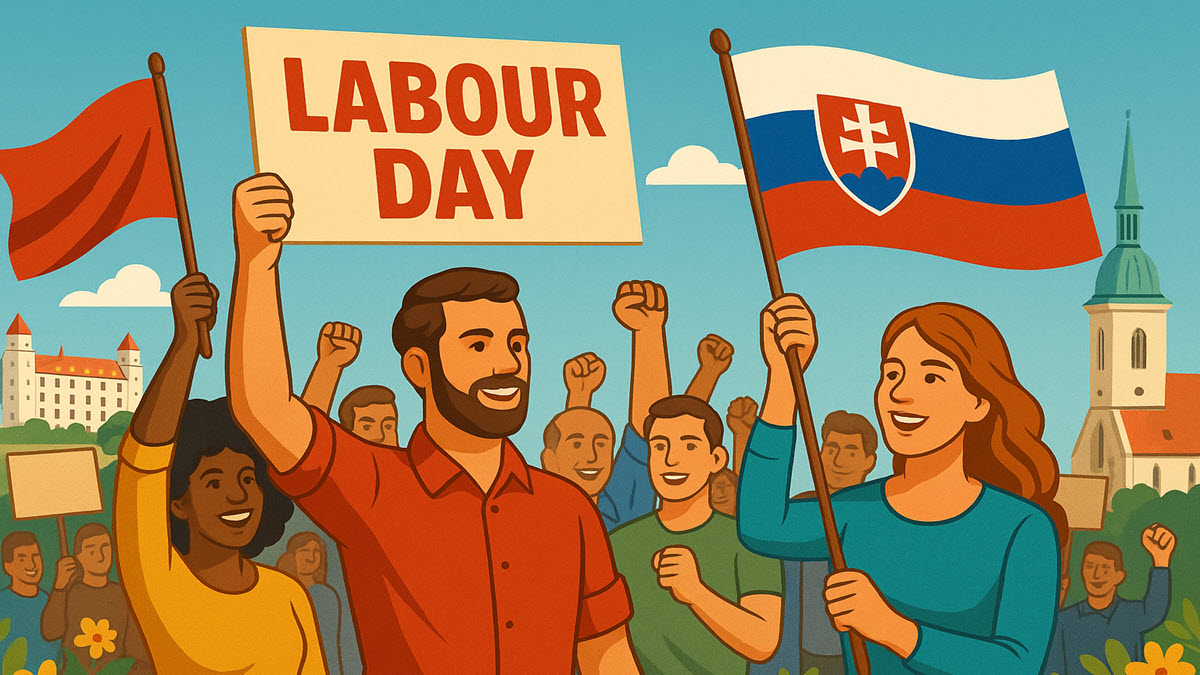
Labour Day in Slovakia originated from the global workers’ rights movement, was strongly emphasized during Czechoslovakia’s socialist era, and today serves both as a workers’ holiday and a commemoration of the 1918 Slovak National Council, blending labor solidarity with national pride. 
Labour Day in Sint Maarten honors the achievements and struggles of workers and unions, reflecting both international labor traditions and the island’s own history of worker solidarity and advocacy. 
Labour Day in Saint Martin is a public holiday dedicated to honoring the contributions of workers across the island and recognizing the importance of labour rights in society. 
Labour Day in Singapore is a public holiday honoring workers’ contributions, celebrated with official events, union activities, and community festivities, while also giving workers a well-earned day of rest. 
Labour Day in Seychelles is a public holiday celebrating the contributions of workers, promoting rights and solidarity, and observed with ceremonies, parades, and cultural festivities. 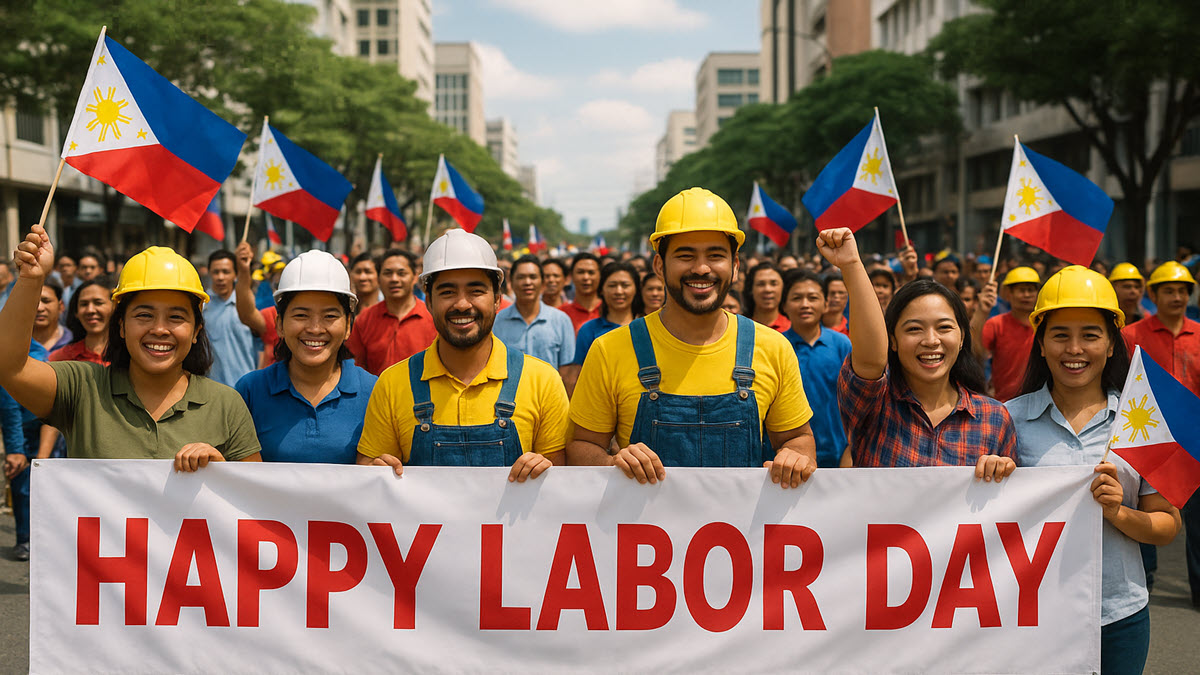
Labour Day in the Philippines commemorates the 1903 workers’ demonstration and honors the contributions of Filipino workers, celebrated with marches, rallies, and community activities, while advocating for continued progress in workers’ rights. 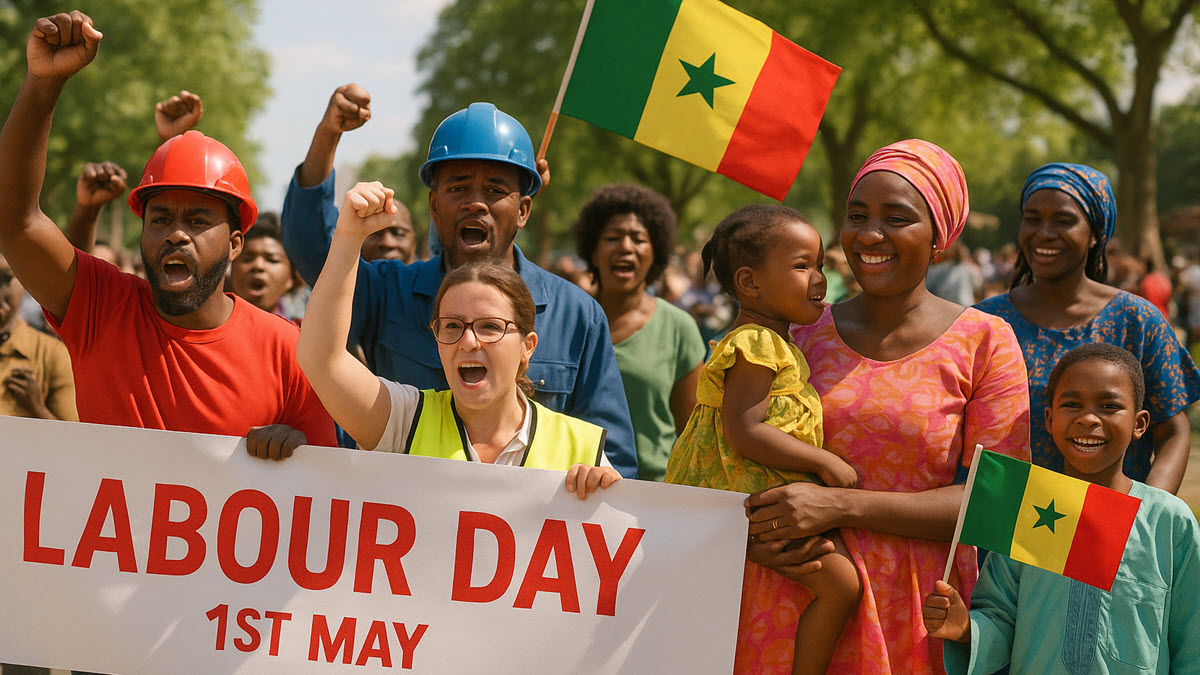
Labour Day in Senegal is both a celebration of workers’ contributions and a platform for labor unions to demand reforms, marked by parades, speeches, and cultural events across the country. 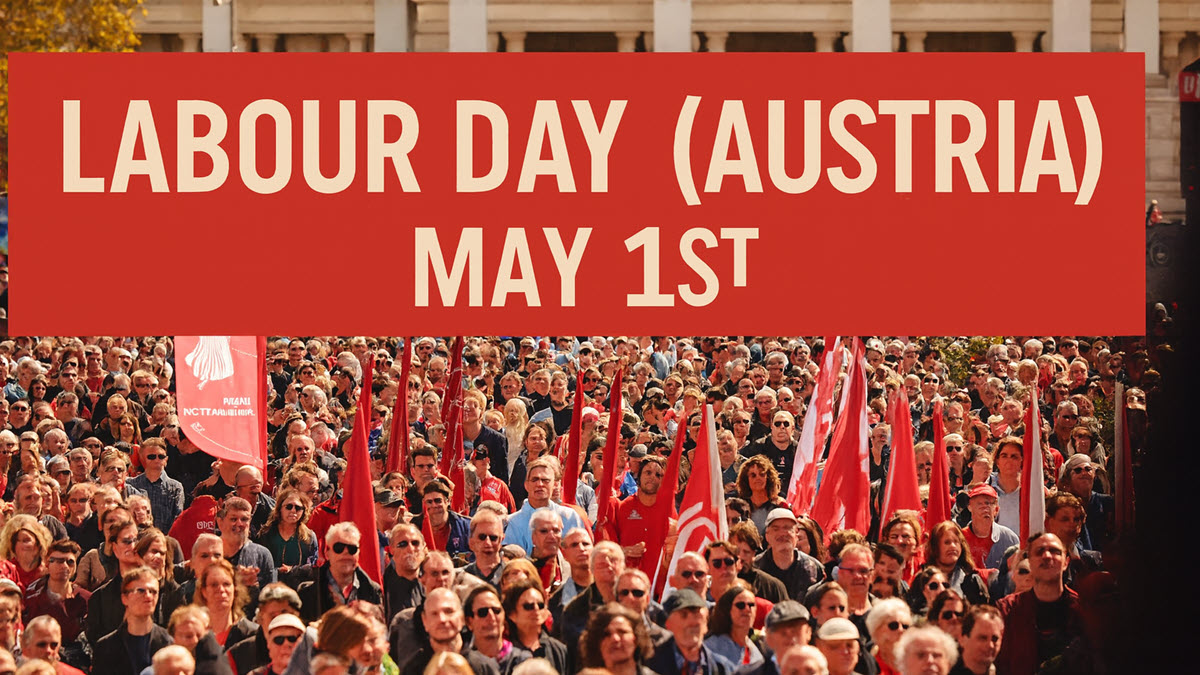
Labour Day in Austria is a public holiday also known as Staatsfeiertag. It combines International Workers’ Day, celebrating labour rights and social achievements, with Austria’s State Holiday, marking national independence. The day features parades, political rallies, maypole festivities and family activities, with most workplaces and schools closed. 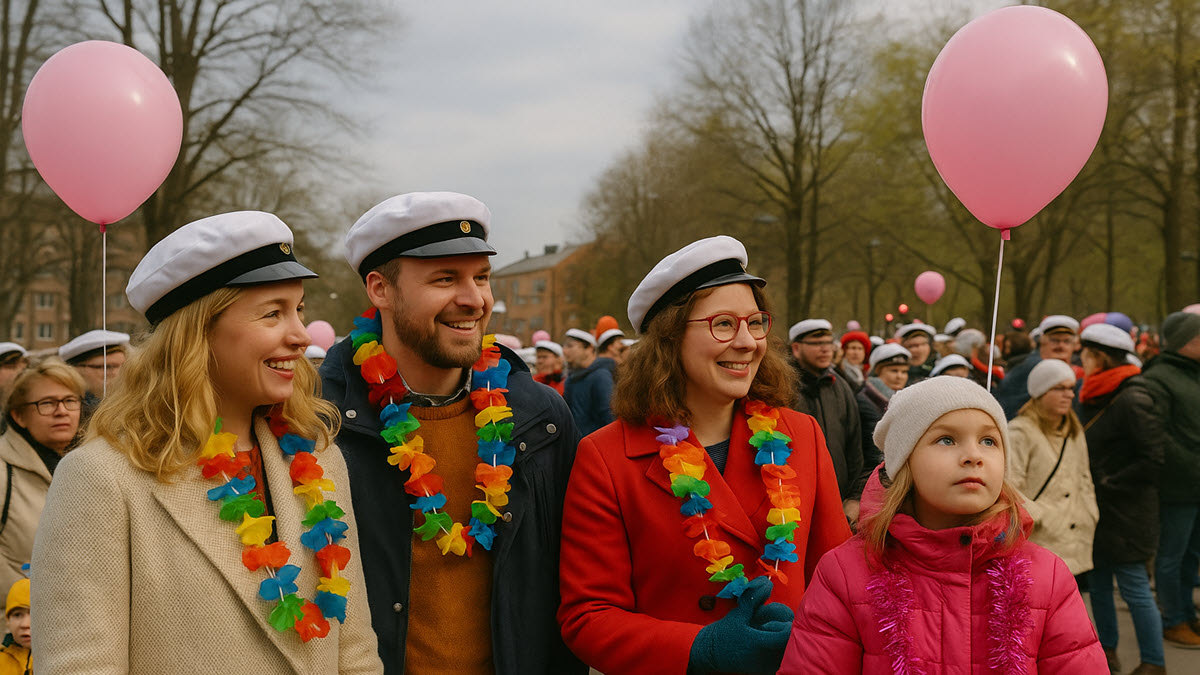
May Day (or Vappu) in Finland is celebrated as both a Labour Day and a spring festival. It features student parades with white caps, workers’ rallies, and family picnics with traditional treats like sima (mead) and doughnuts, making it one of Finland's most festive national holidays. 
Labour Day in Greece is a public holiday honoring workers’ rights and social struggles, marked by demonstrations, parades and cultural events across the country. 
Labour Day in Iceland honors workers and the labour movement, marked with parades, rallies and speeches. It celebrates the achievements of trade unions in securing fair rights while highlighting the ongoing importance of solidarity and social justice. 
Labour Day in Italy is a national holiday dedicated to workers' rights and social achievements. Rooted in the late 19th-century labor movement, it honors the struggles for fair wages, better conditions, and the eight-hour workday. Today, Italians mark the day with parades, demonstrations and concerts, the most famous being the free "Concerto del Primo Maggio" in Rome's Piazza San Giovanni, bringing together music, solidarity, and celebration of social progress. 
Labour Day in Luxembourg honors workers and the social progress achieved through the labor movement. It is a public holiday that recognizes fair working conditions, solidarity and workers' rights. While rooted in international labor struggles of the late 19th century, in Luxembourg it has evolved into a day of rest and community, marked by union gatherings, cultural events and family activities that celebrate both social justice and the arrival of spring. 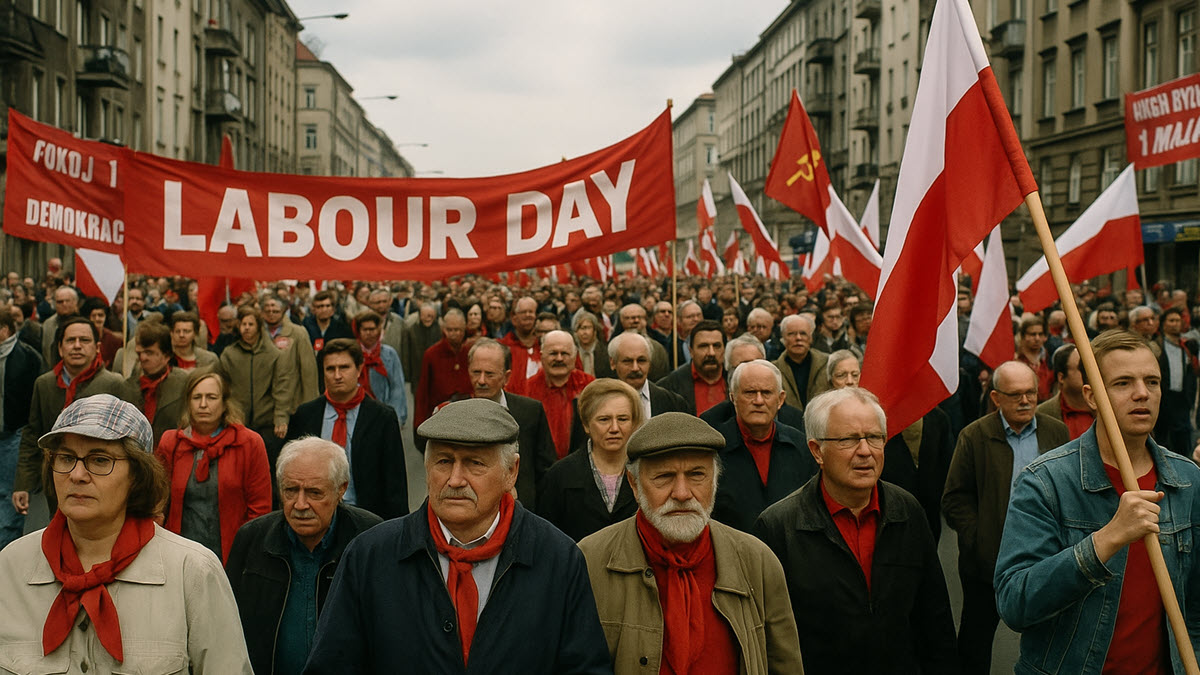
Labour Day in Poland honors workers and their contributions to society. It has been observed in Poland since 1890, originally tied to the international labor movement’s fight for fair working conditions and the eight-hour workday. During the communist era, it was a major state holiday marked by parades and speeches. Today, it remains a day of rest and reflection, often forming part of the long May holiday weekend. 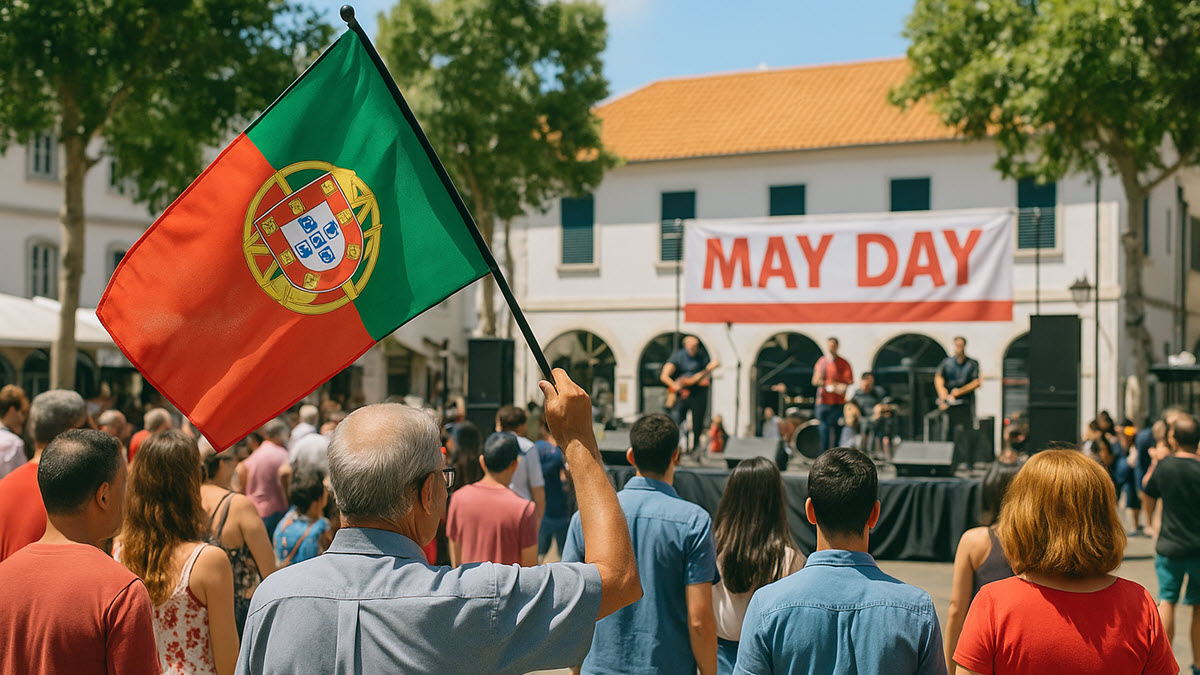
May Day in Gibraltar combines the spirit of International Workers' Day with a springtime festival for the whole community. It honors workers' rights and social unity, while also featuring live entertainment, family activities and cultural performances. 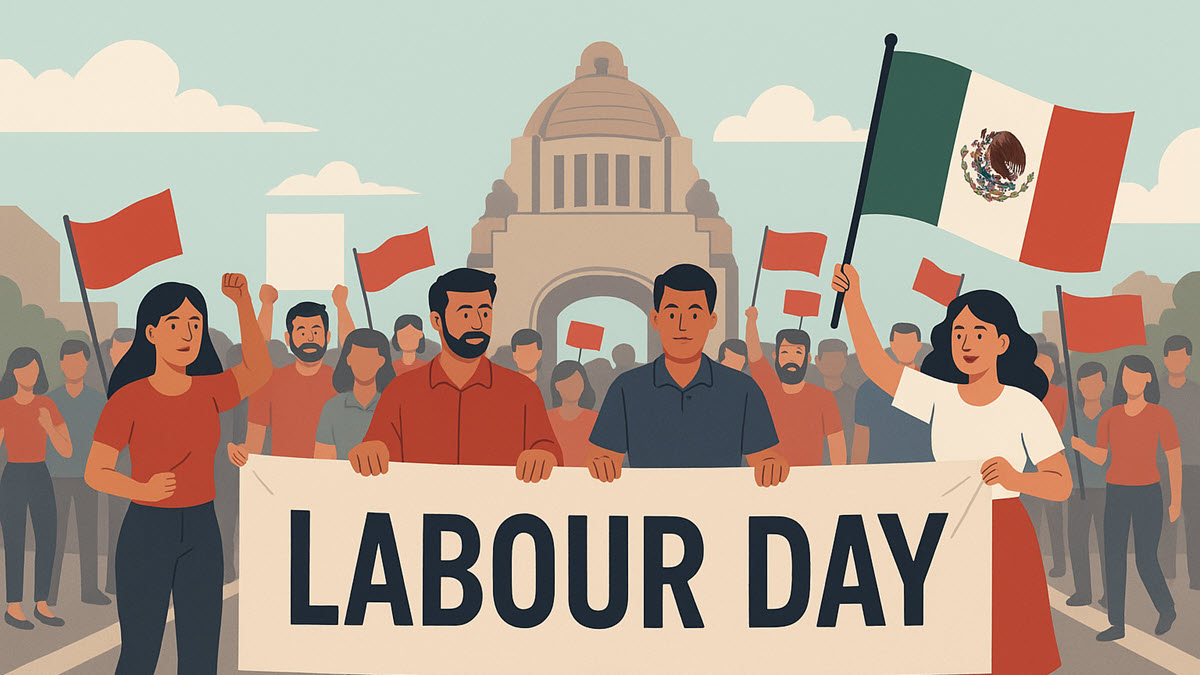
Labour Day in Mexico honors the contributions and struggles of workers across the nation. It commemorates the fight for fair labor conditions, inspired by global labor movements such as the Haymarket affair of 1886. In Mexico, the day reflects the country's strong workers' rights tradition, which enshrined key protections like the eight-hour workday and the right to strike. 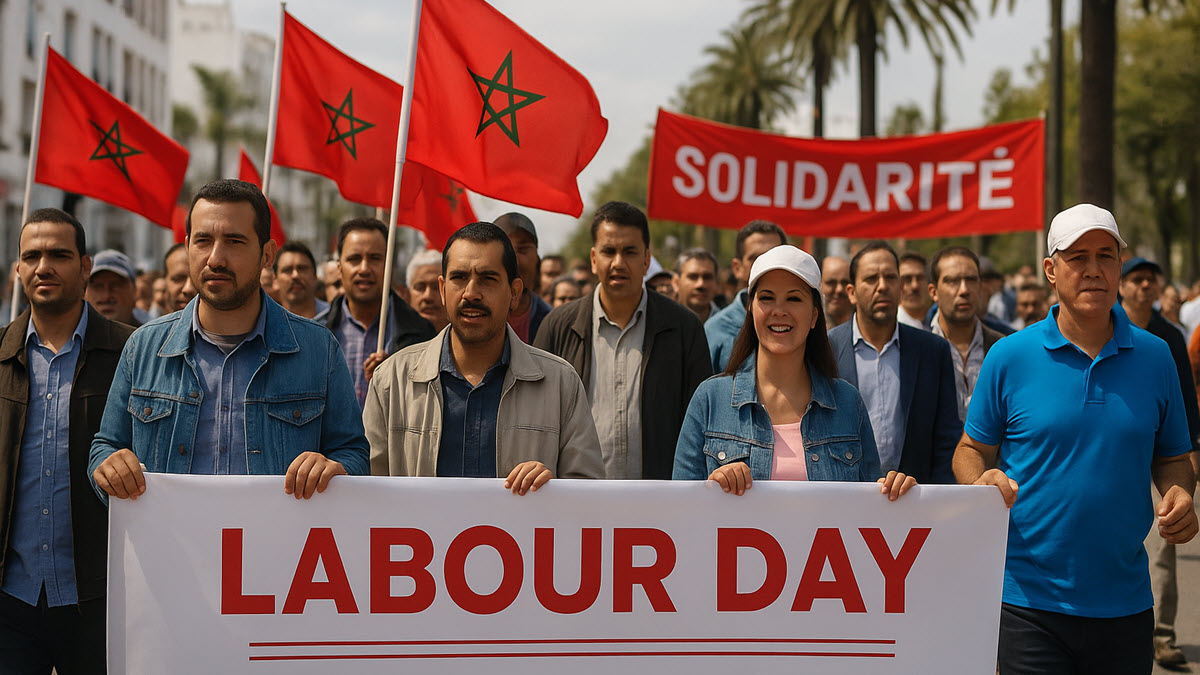
Labour Day in Morocco honors workers' rights and social progress, featuring parades, union gatherings, and speeches across the country that highlight solidarity, equality, and the dignity of labor. 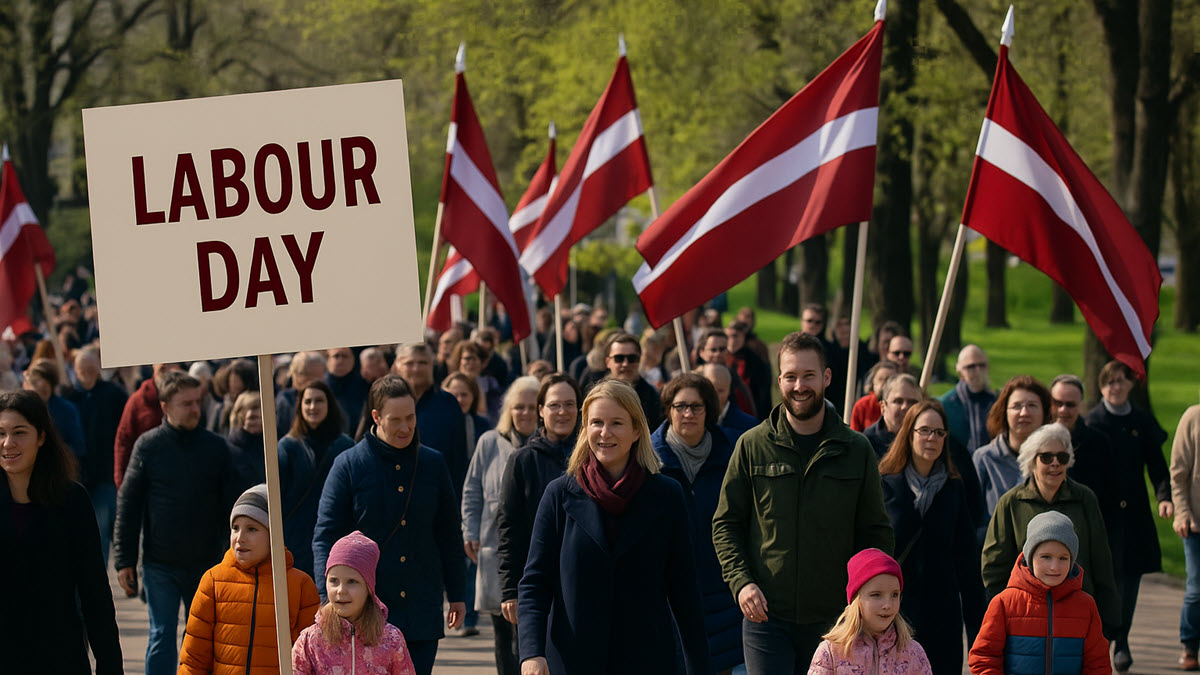
Labour Day in Latvia honors workers’ contributions and the value of fair labor. It also marks the arrival of spring, blending social recognition with festive gatherings, concerts, and community celebrations across the country. 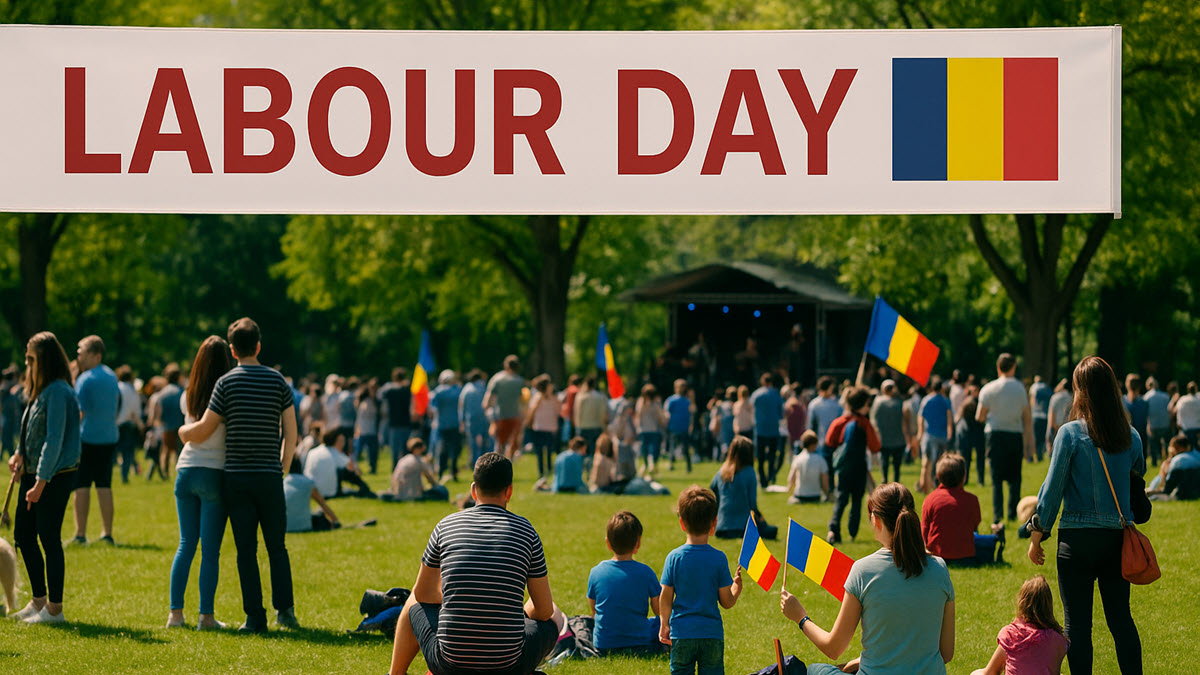
Labour Day in Romania honors the contributions and rights of workers. Rooted in the international labor movement, it is both a day of solidarity and rest, marked by public festivities, picnics, and outdoor gatherings across the country. 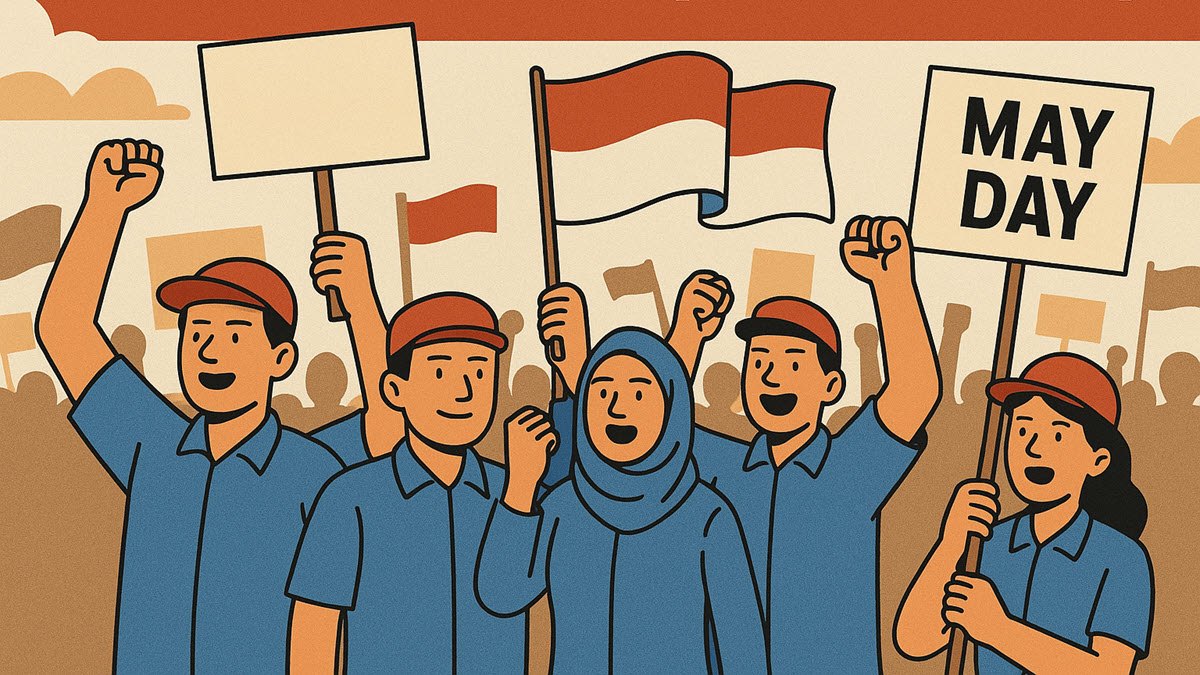
Labour Day in Indonesia, or Hari Buruh Internasional, honors the contributions and struggles of workers across the nation and around the world. The day is marked by rallies, parades, and gatherings organized by labor unions to advocate for fair wages, improved working conditions, and workers' rights. 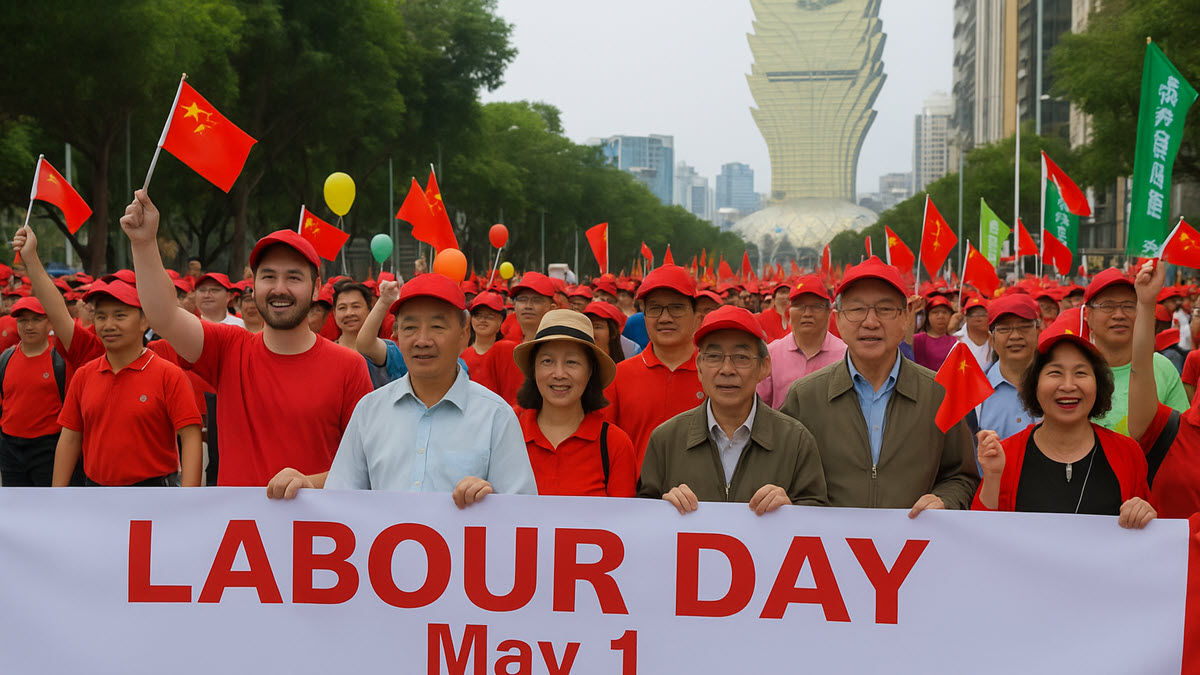
Labour Day, or International Workers' Day, honors the contributions and rights of workers across all sectors. The day is marked by parades, community events, and labor union gatherings, promoting solidarity and fair working conditions. For many residents, it is also a public holiday spent relaxing with family or enjoying local festivities, reflecting both appreciation for workers and Macau's vibrant social spirit. 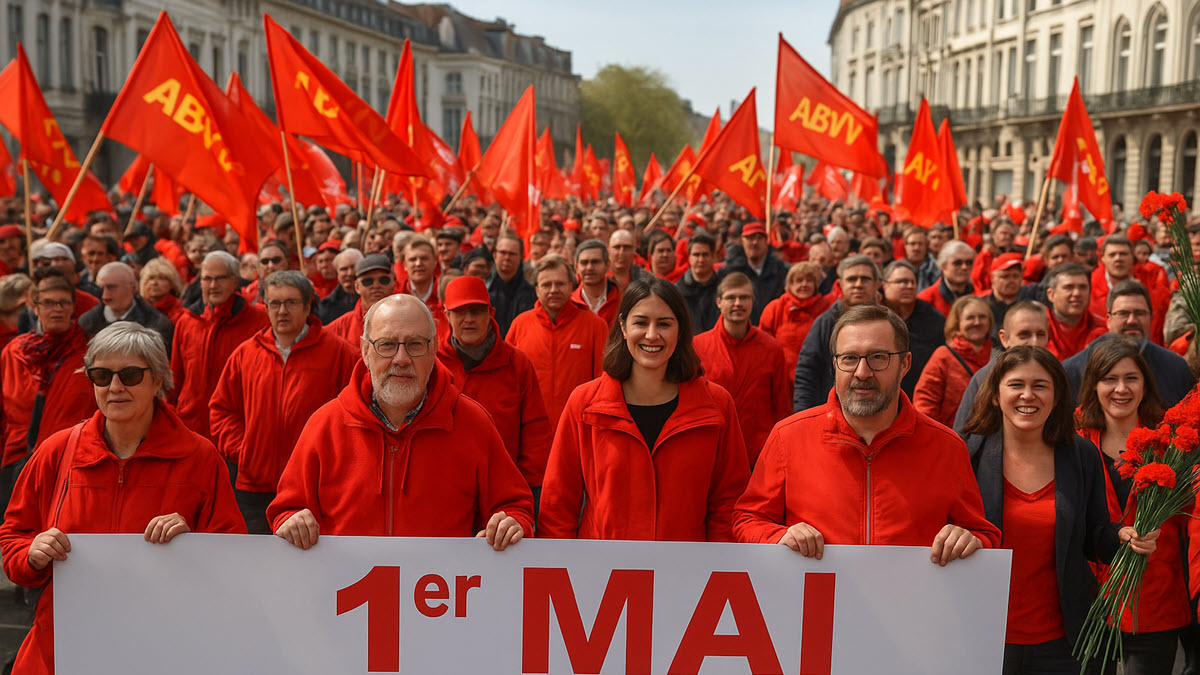
Labour Day in Belgium is a public holiday dedicated to honoring workers and the labour movement. The holiday recognizes the struggles and achievements of those who fought for fair working conditions and social progress. The day features union marches, political gatherings and community festivals, often accompanied by speeches and concerts. For many Belgians, it is also a cherished spring holiday. 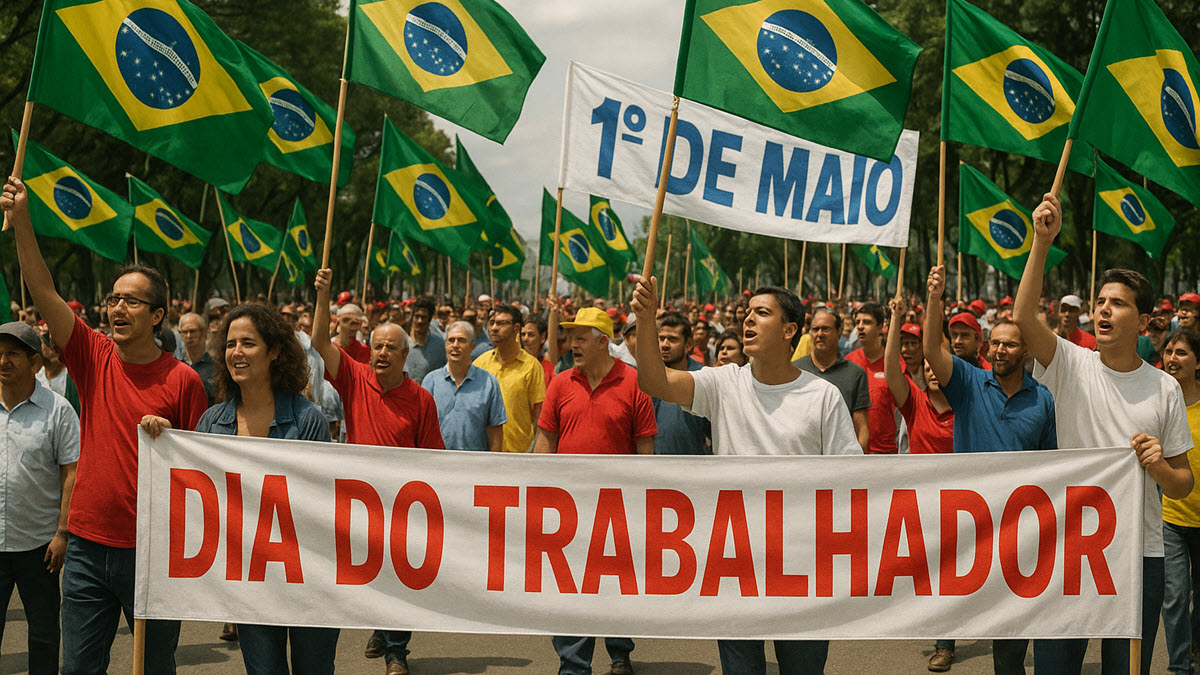
Labour Day in Brazil honors workers and their contributions to the nation's progress. The holiday reflects both social achievements and ongoing struggles for workers' rights. Introduced in the late 19th century and officially recognized in 1925, it became a symbol of unity and labor solidarity. 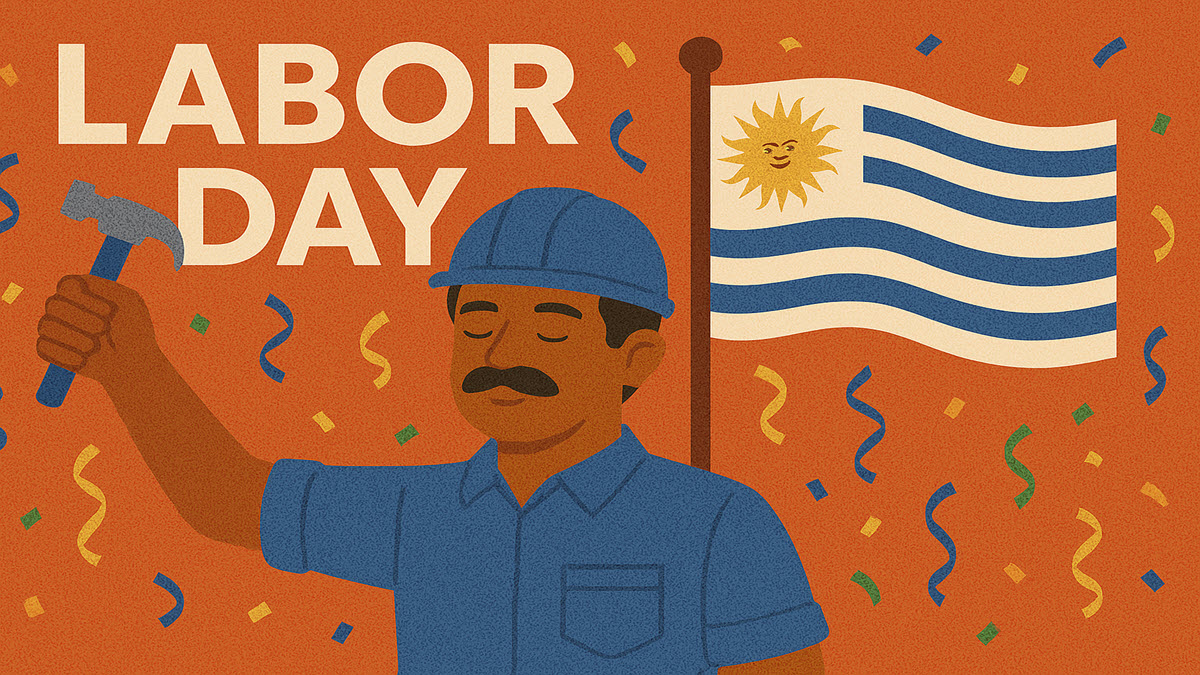
Labour Day in Uruguay is celebrated on May 1st, in line with International Workers' Day, to recognize and honor the contributions and rights of workers. 
Labour Day, also known in Turkey as "Emek ve Dayanışma Günü" (Labour and Solidarity Day), honors workers’ rights, labor movements, and social solidarity, similar to International Workers' Day celebrations worldwide. 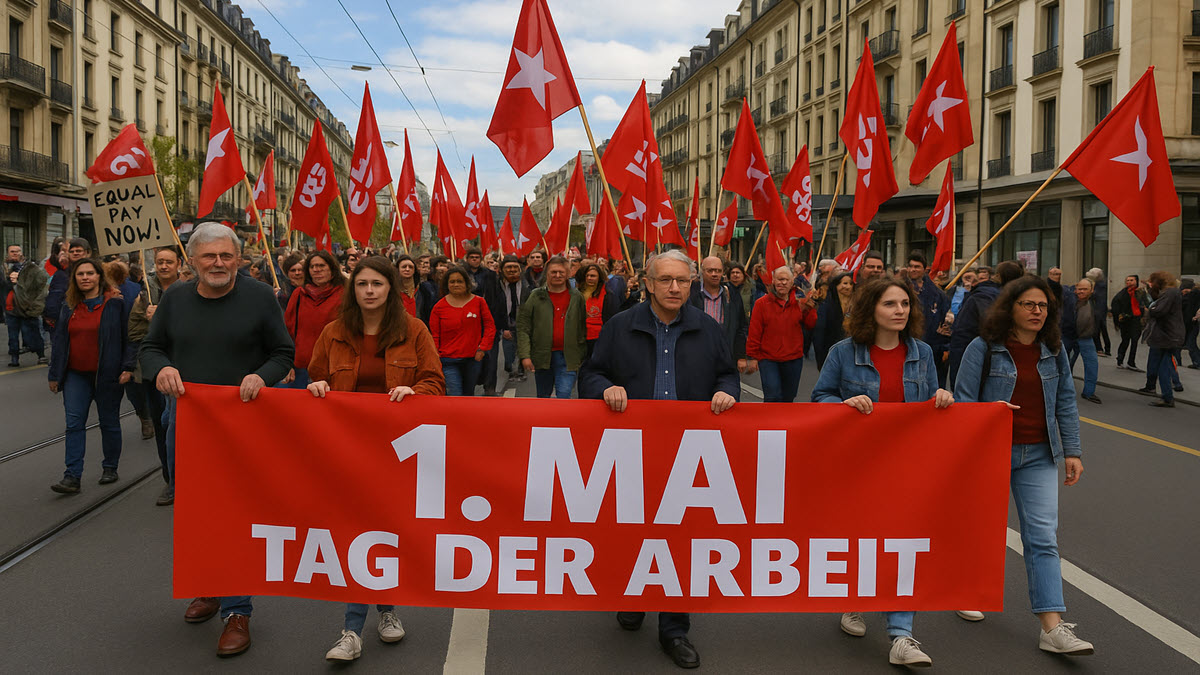
Labour Day is celebrated on May 1st to honor the international labor movement and workers' rights. Although it is not a national public holiday, it is officially recognized in several cantons and cities. Its roots in Switzerland date back to the late 19th century, closely aligned with the global rise of socialism and unionism. 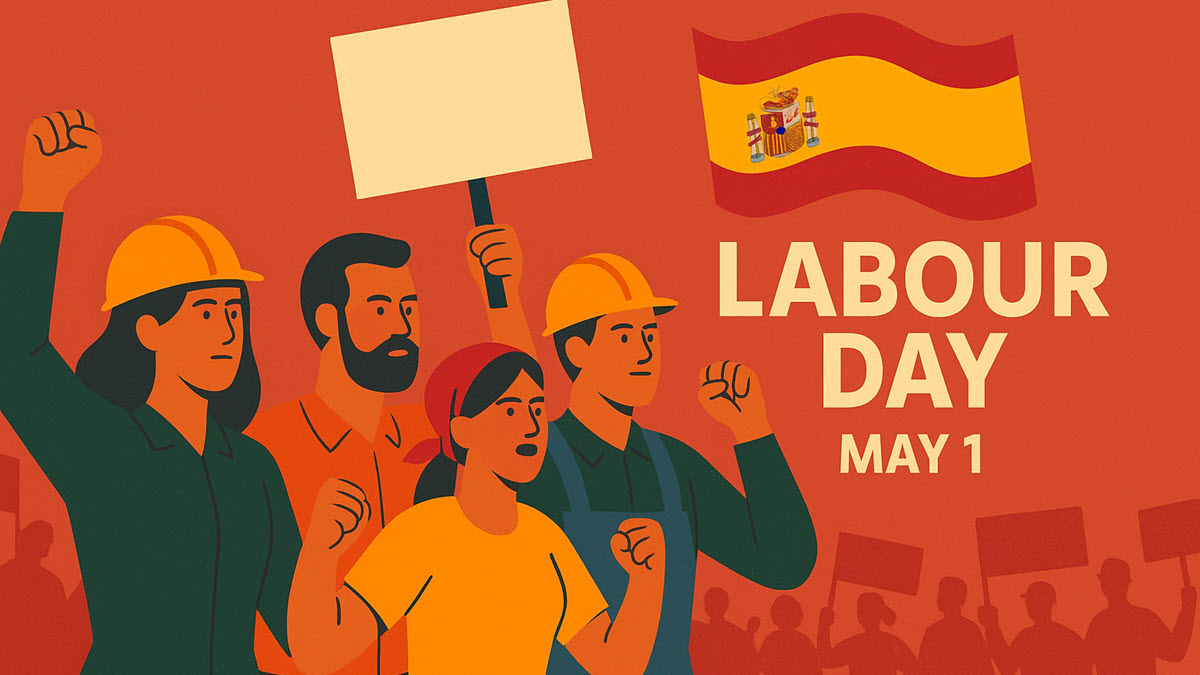
Labour Day in Spain is a public holiday that commemorates the struggles and achievements of workers, with deep historical ties to both international and Spanish labor movements. 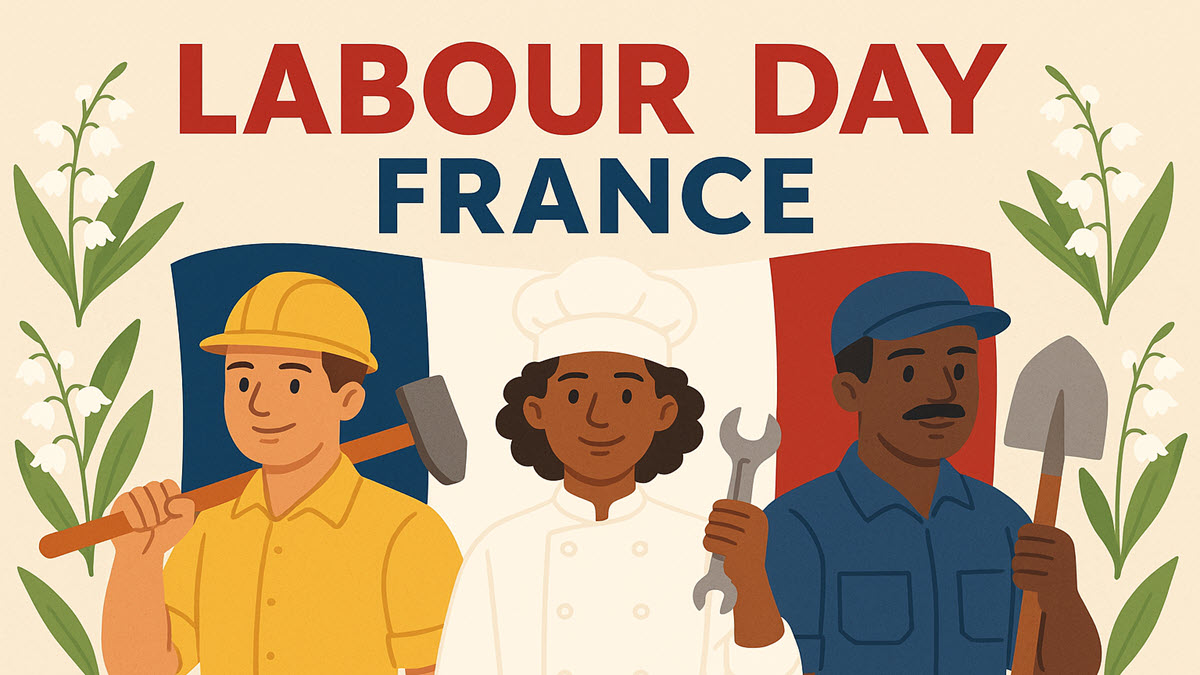
Labour Day in France is both a workers’ holiday and a cultural celebration, combining trade union demonstrations with the joyful exchange of lily of the valley flowers. 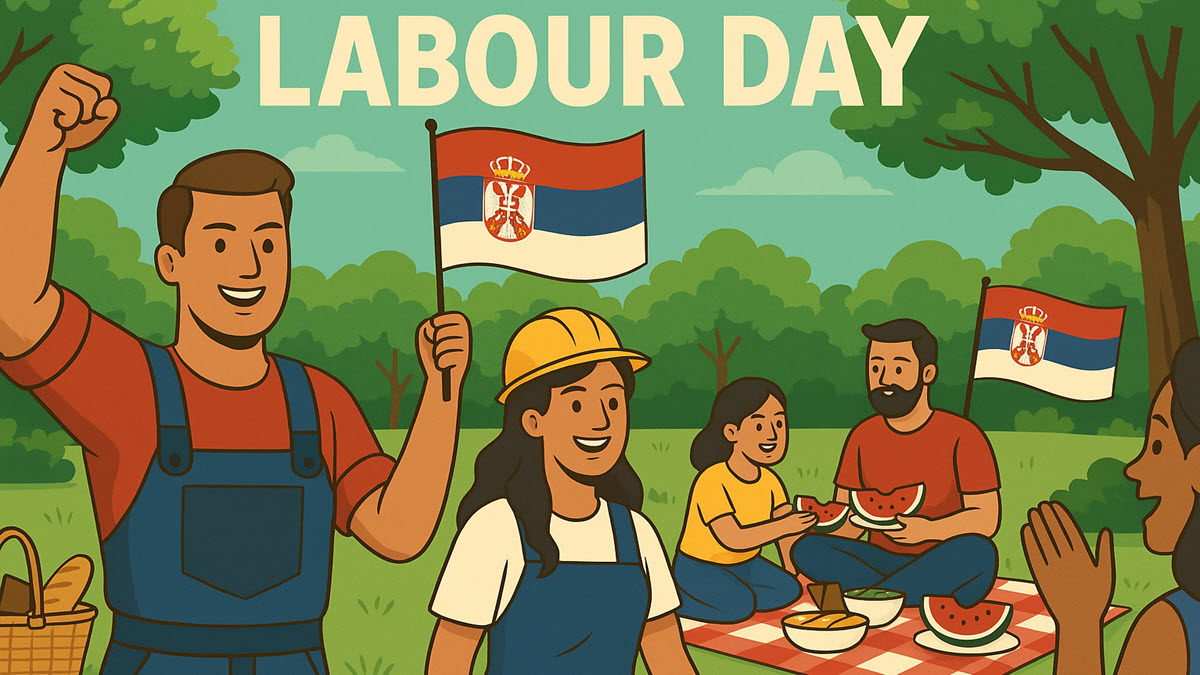
Labour Day in Serbia is both a recognition of the international labor movement and a national holiday of rest and celebration, marked by family picnics, cultural events, and occasional union demonstrations. 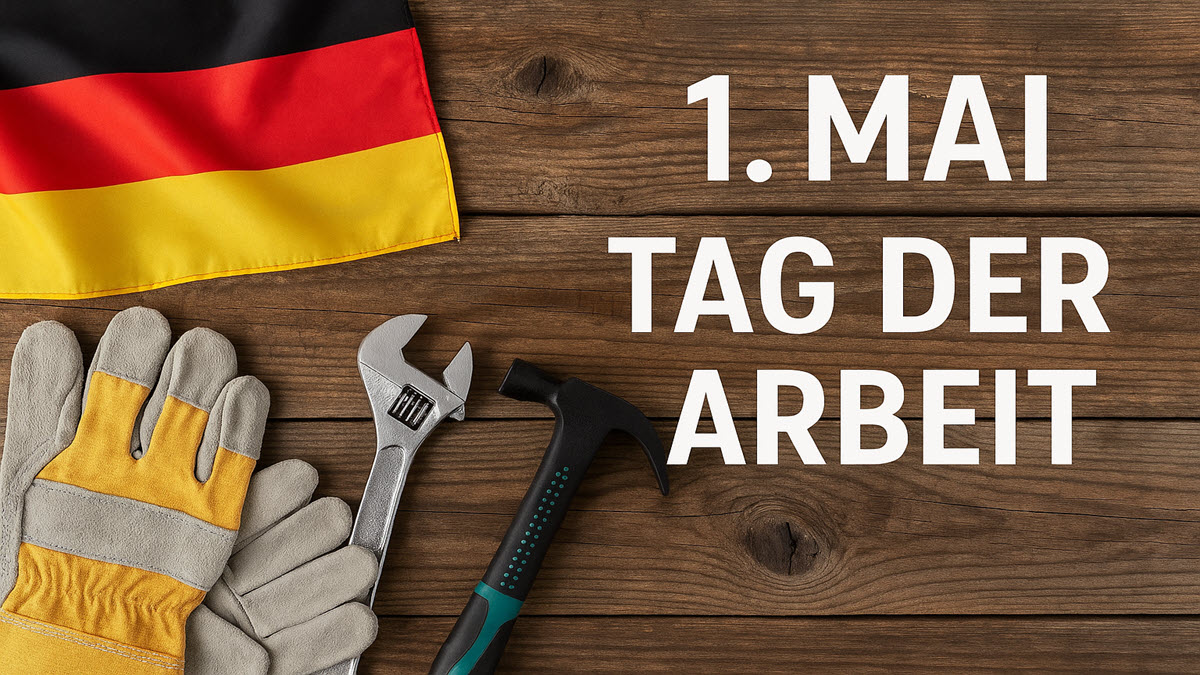
Labour Day in Germany has shifted from a revolutionary workers' holiday to a Nazi propaganda tool, to Cold War symbol, and today a mix of peaceful demonstrations, political statements, and spring festivities. It remains one of the country’s most significant social and political holidays. 
Labour Day in Hungary honors workers' rights and social progress. Once marked by large parades during the communist era, today it is a public holiday with fairs, concerts and family gatherings, while trade unions still hold rallies. 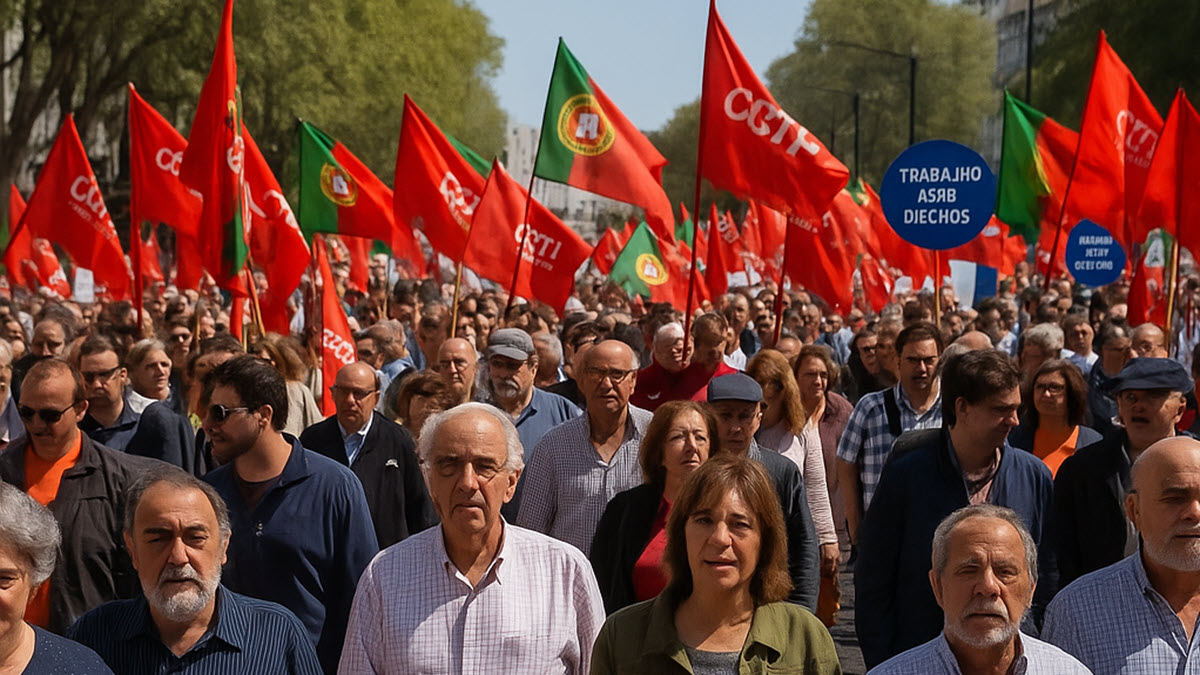
Labour Day in Portugal honors the achievements and rights of workers. It has roots in the international labor movement advocating for the eight-hour workday. Banned during Portugal's dictatorship, it regained importance after the Carnation Revolution of 1974, symbolizing both workers' freedom and democracy. 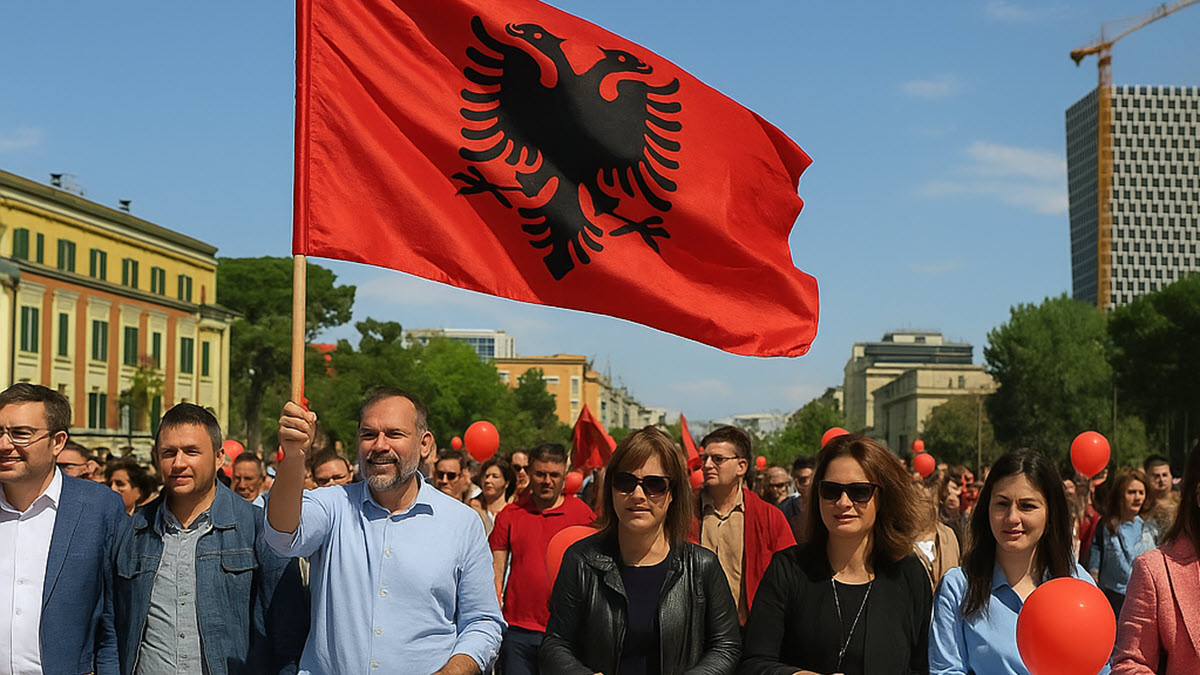
Labour Day in Albania honors the contributions and rights of workers, featuring marches, gatherings, and cultural events that promote solidarity, fair labor practices and social progress across the nation. 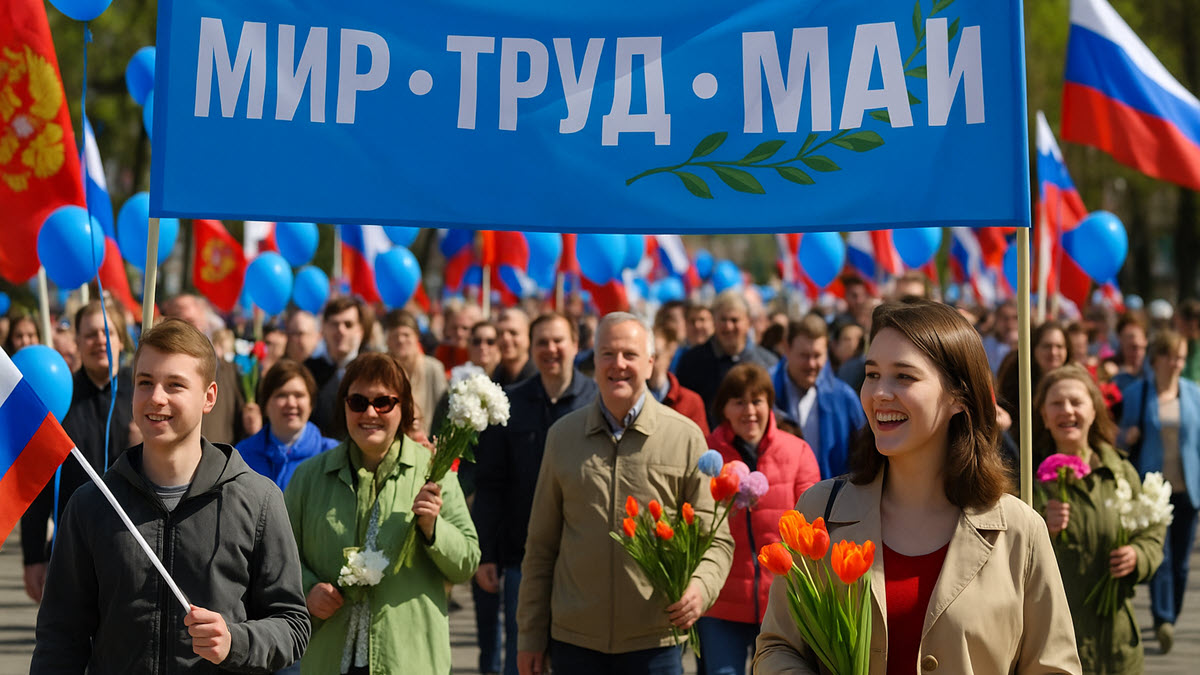
Labour Day in Russia honors the achievements and solidarity of workers. Once a major Soviet holiday known for parades and political slogans, it is now a public holiday for rest, picnics, and community celebrations, symbolizing spring, renewal, and unity. 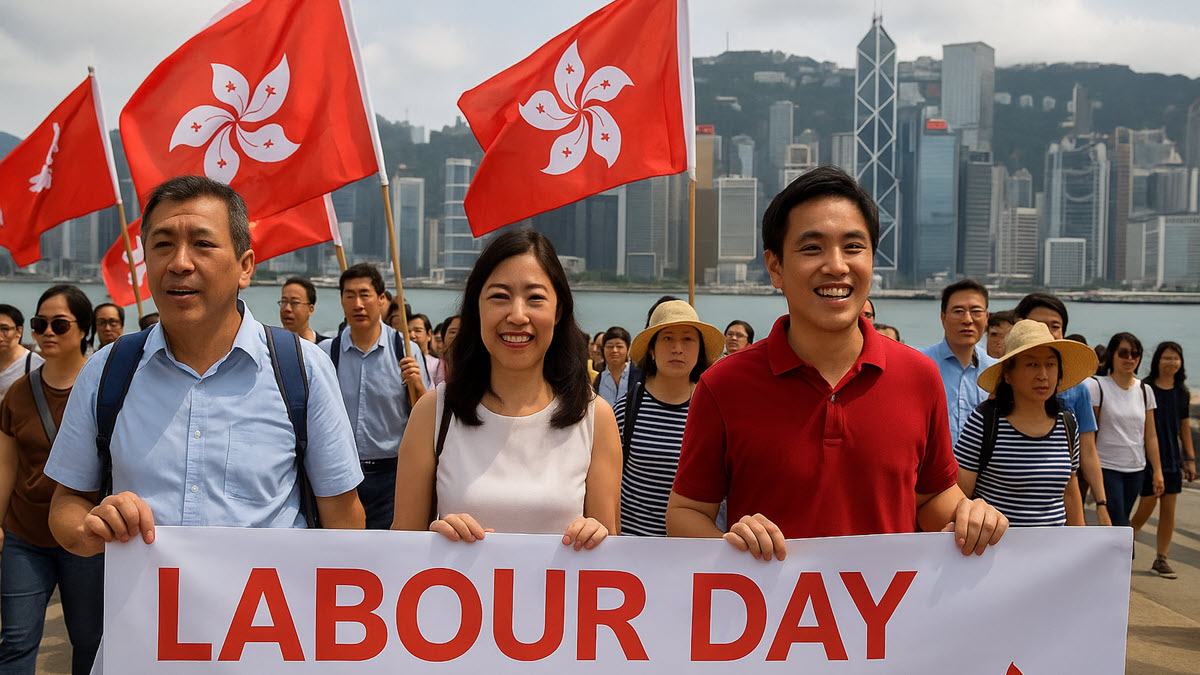
Labour Day in Hong Kong celebrates the achievements and rights of workers and their contribution to society. As a public holiday, it is a time for rest, family gatherings and leisure, often marked by community events and union-led activities promoting fair labor practices. 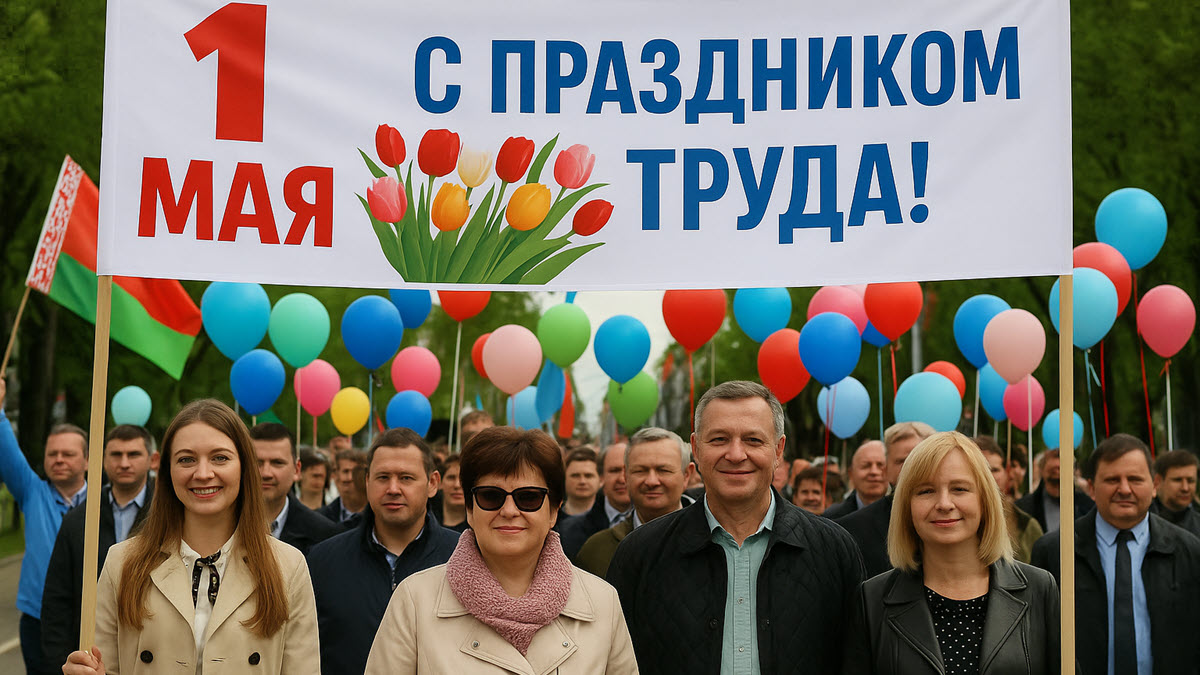
Labour Day in Belarus honors workers' contributions and the dignity of labour. The day is marked with festive parades, concerts and community gatherings, where people enjoy the arrival of spring, express solidarity, and celebrate social and economic achievements. Labour Day reflects both the historic spirit of workers’ unity and the modern joy of renewal and togetherness. |
2 events,
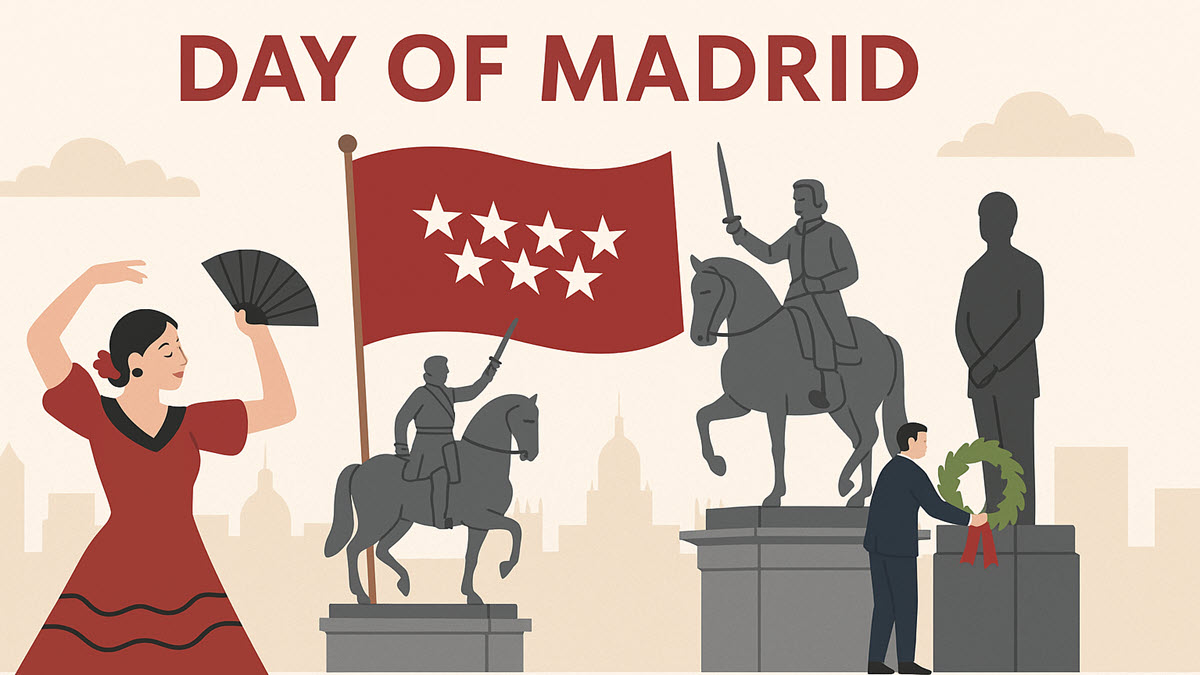
The Day of Madrid commemorates the 1808 uprising, a pivotal moment when ordinary citizens resisted Napoleon’s occupation. Though suppressed, it became a lasting symbol of freedom and regional pride, and since 1983 it has also represented the autonomy of Madrid within Spain. |
|
2 events,
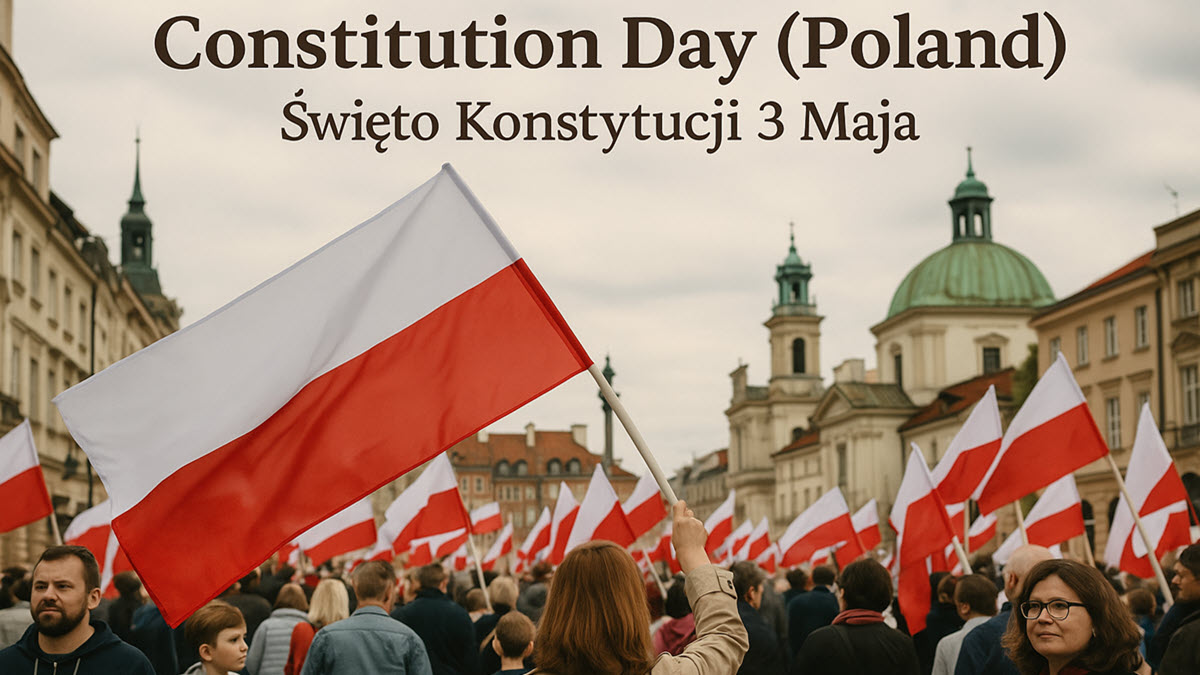
Constitution Day in Poland commemorates the adoption of the Polish Constitution of 1791, the first modern constitution in Europe and the second in the world after the United States. It symbolizes Poland's commitment to freedom, democracy, and national unity. Today, it is one of Poland's most important national holidays, marked by patriotic parades, concerts and ceremonies across the country. 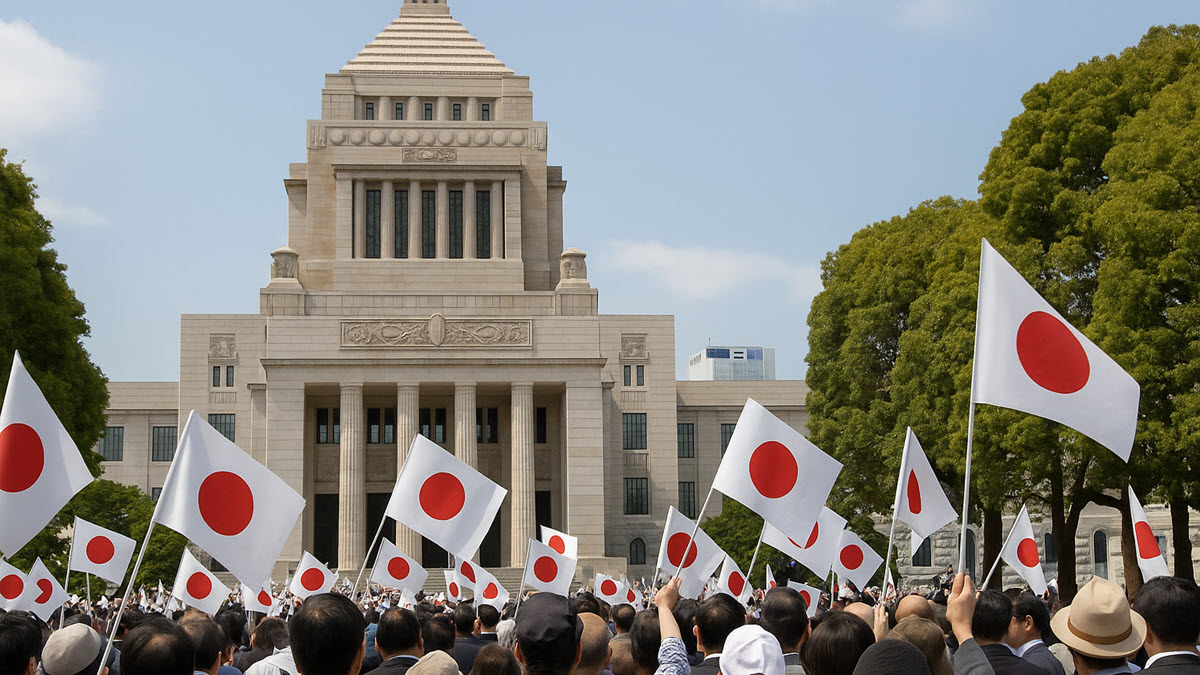
Constitution Day commemorates the enforcement of Japan’s postwar Constitution of 1947, which established democracy, pacifism and the sovereignty of the people. The day encourages citizens to reflect on the meaning of democracy and peace in modern Japan. It is also part of Golden Week, a series of national holidays when museums, government buildings and cultural sites often hold special events and open houses. |
3 events,
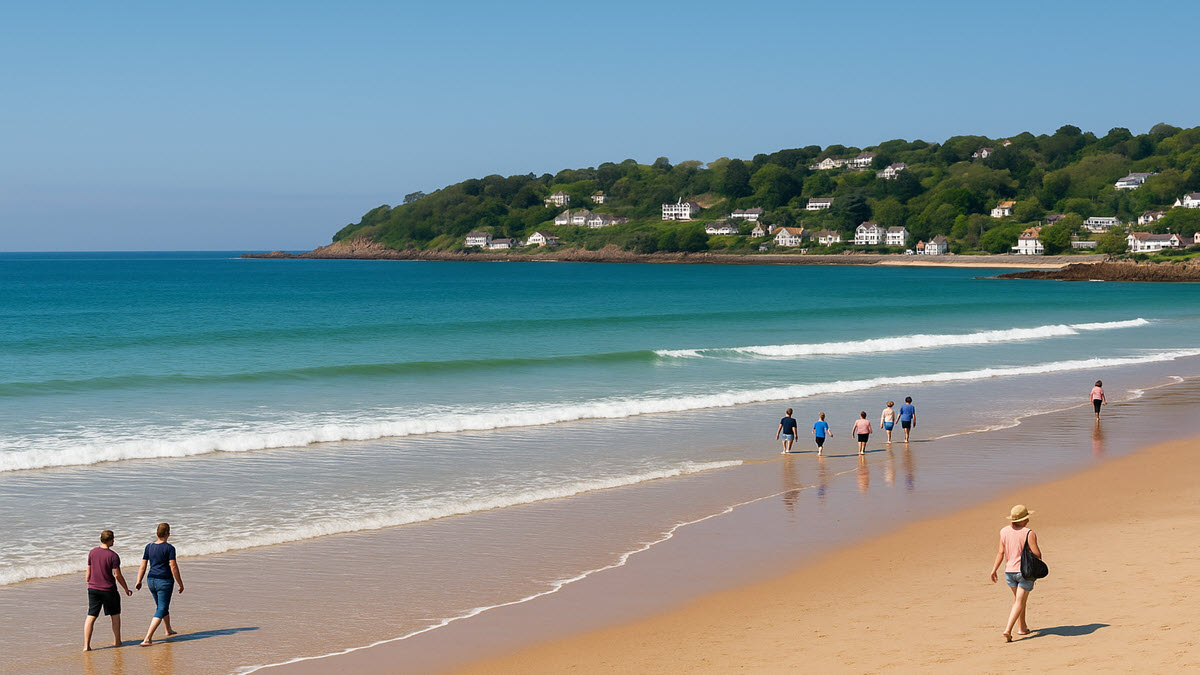
The Early May Bank Holiday in Jersey marks the arrival of spring and offering islanders a well-earned break. Rooted in ancient May Day traditions and later tied to the workers' rights movement, it has evolved into a non-political holiday focused on rest, community, and enjoying Jersey's natural beauty. Many residents spend the long weekend outdoors—walking along beaches, attending local fairs, or welcoming the start of the summer season. 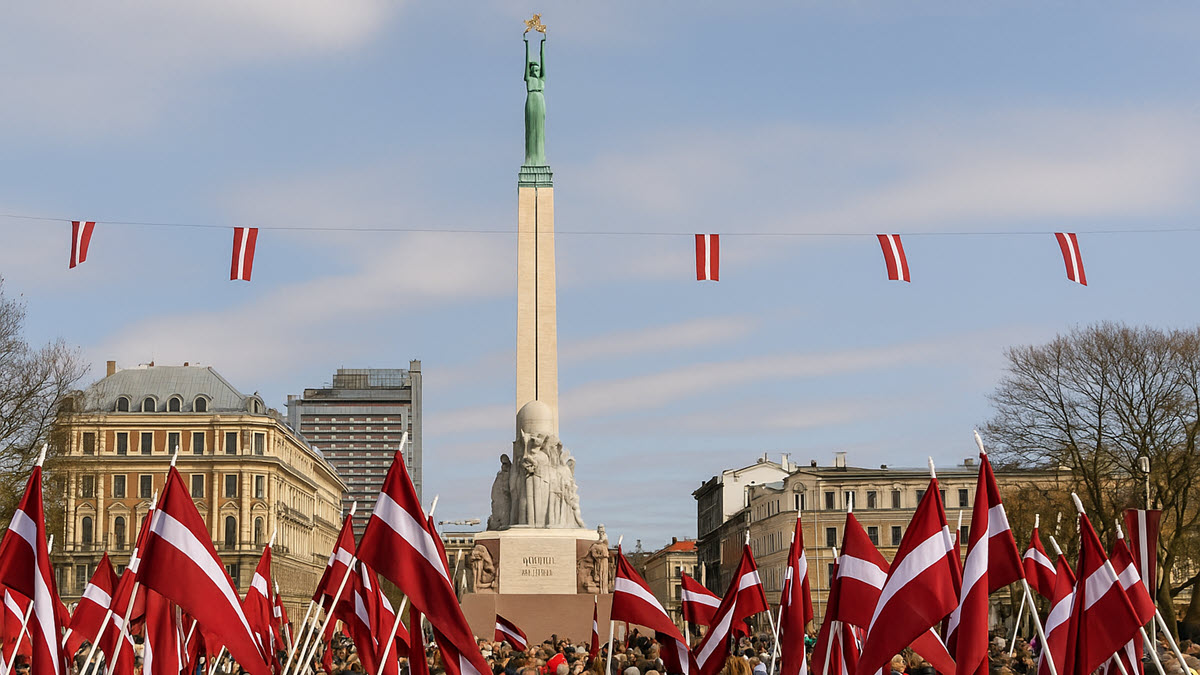
Independence Restoration Day in Latvia commemorates the 1990 declaration restoring Latvia's independence from Soviet rule, honoring the nation's courage, unity and peaceful path toward freedom and democracy. 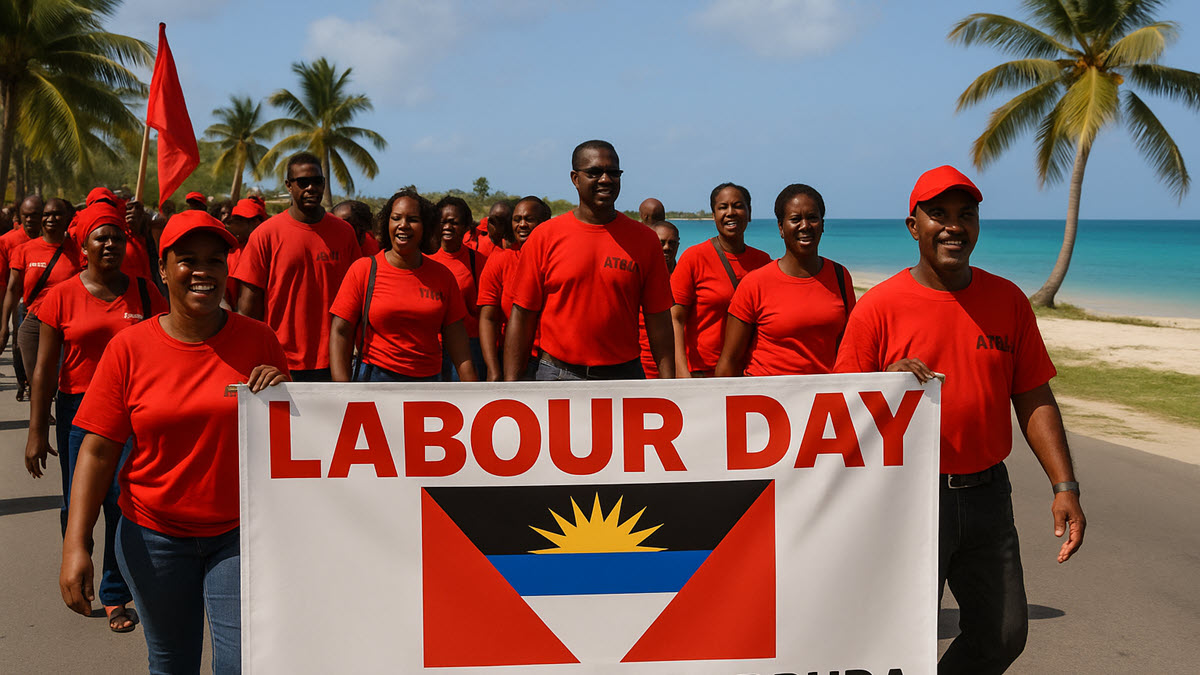
Labour Day in Antigua and Barbuda recognizes the efforts that shaped the nation's social and economic progress. It features vibrant parades, union marches and political rallies. The holiday blends advocacy and celebration, reflecting both the country’s proud labour heritage and its joyful Caribbean spirit. |
1 event,
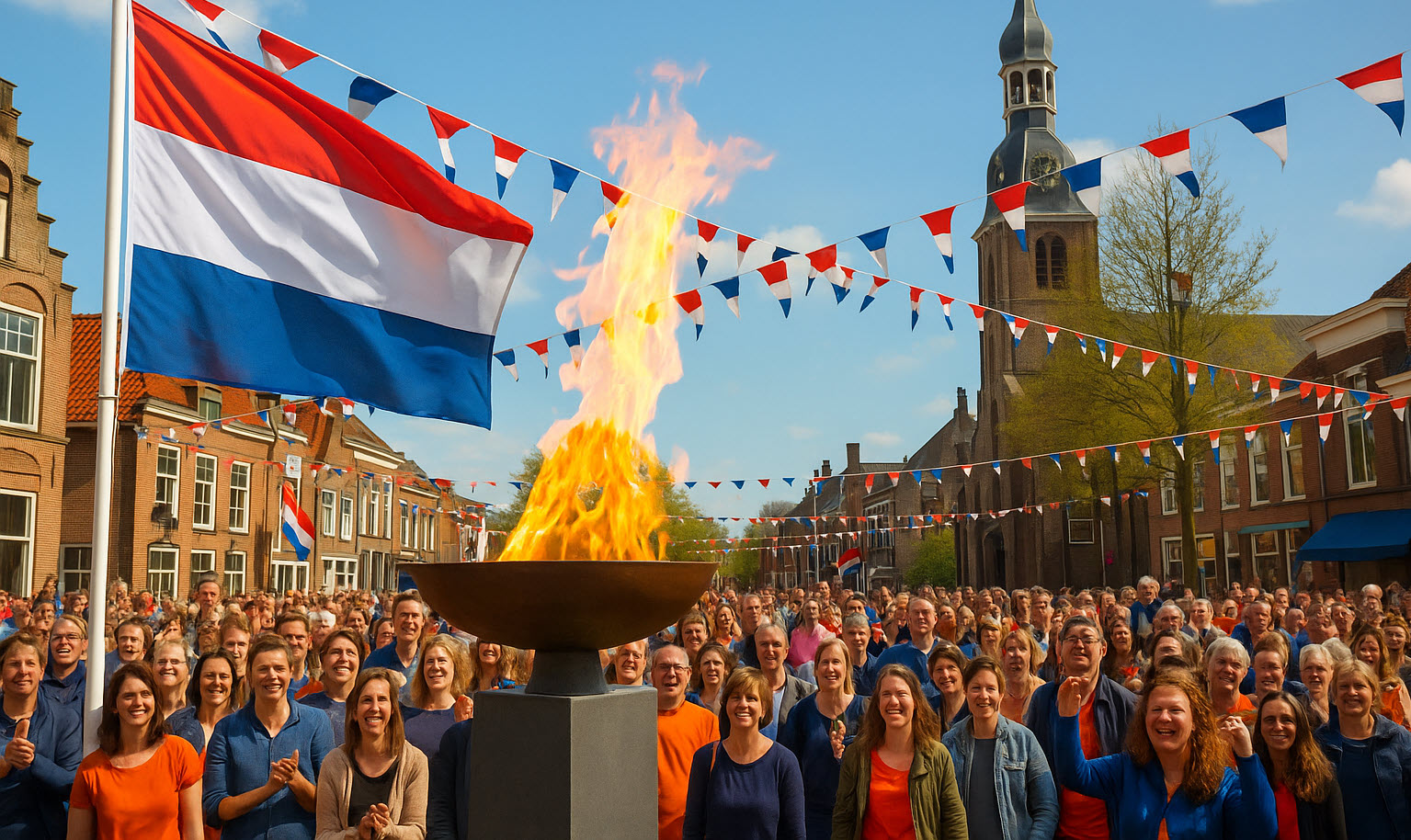
Liberation Day marks the end of WWII occupation in the Netherlands. It is celebrated every year with ceremonies, festivals, and the Freedom Flame, reminding the nation of the importance of peace and democracy. |
0 events,
|
0 events,
|
3 events,
Victory Day is a public holiday in Wallis and Futuna. It commemorates the Allied victory in Europe during World War II, marking the formal surrender of Nazi Germany on May 8, 1945. As a French overseas collectivity, Wallis and Futuna observes this day in alignment with France's national holiday. 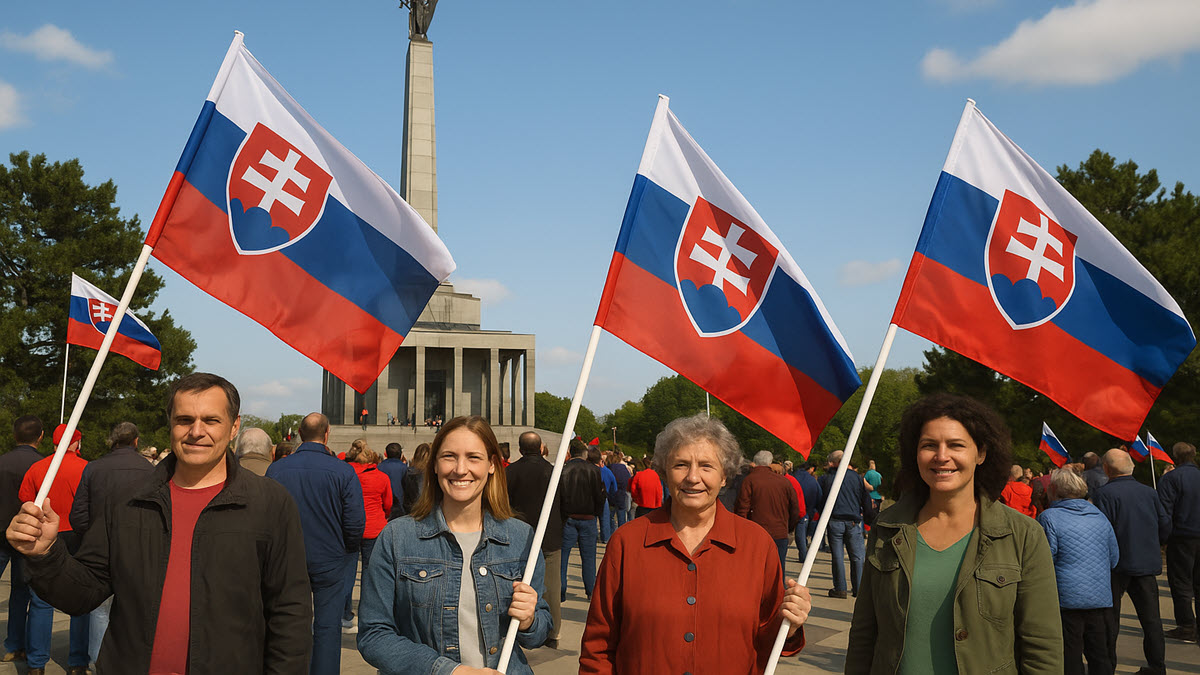
Victory over Fascism Day in Slovakia commemorates the defeat of Nazi Germany in 1945, the liberation of Slovak lands, and the sacrifices of both Slovak partisans and Allied soldiers. Established after WWII, it continues today as a reminder of the nation’s struggle for freedom, democracy, and resistance to totalitarianism. 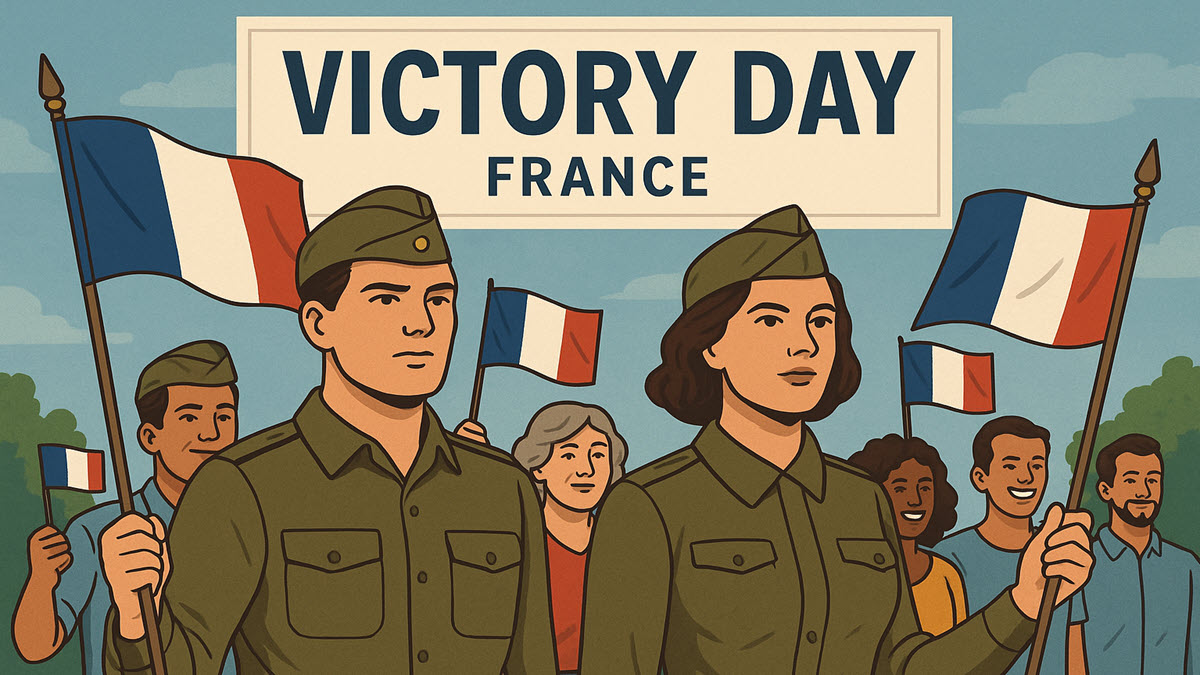
Victory Day in France honors the end of World War II in Europe, the defeat of Nazi Germany, and the sacrifices made for freedom, with nationwide ceremonies and an official public holiday. |
4 events,
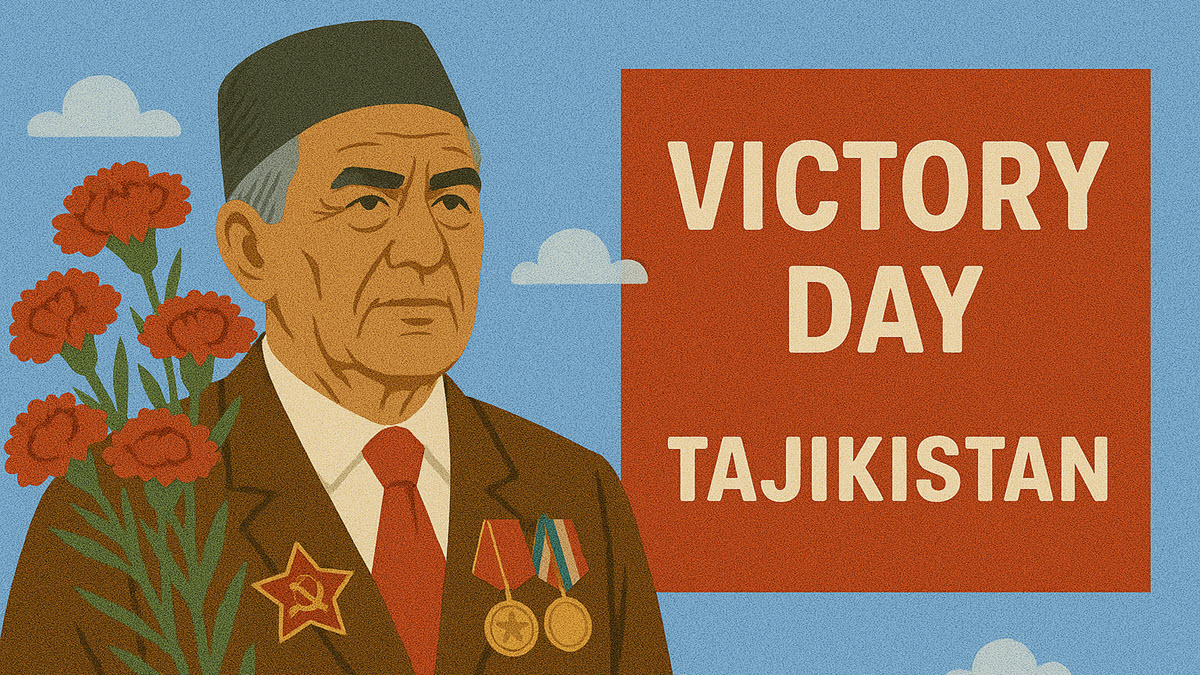
Victory Day marks the defeat of Nazi Germany in 1945 and the end of the Great Patriotic War (the Eastern Front of World War II). In Tajikistan, as in other former Soviet republics, it is a deeply significant holiday that honors the sacrifices made by Tajik soldiers and civilians during World War II. 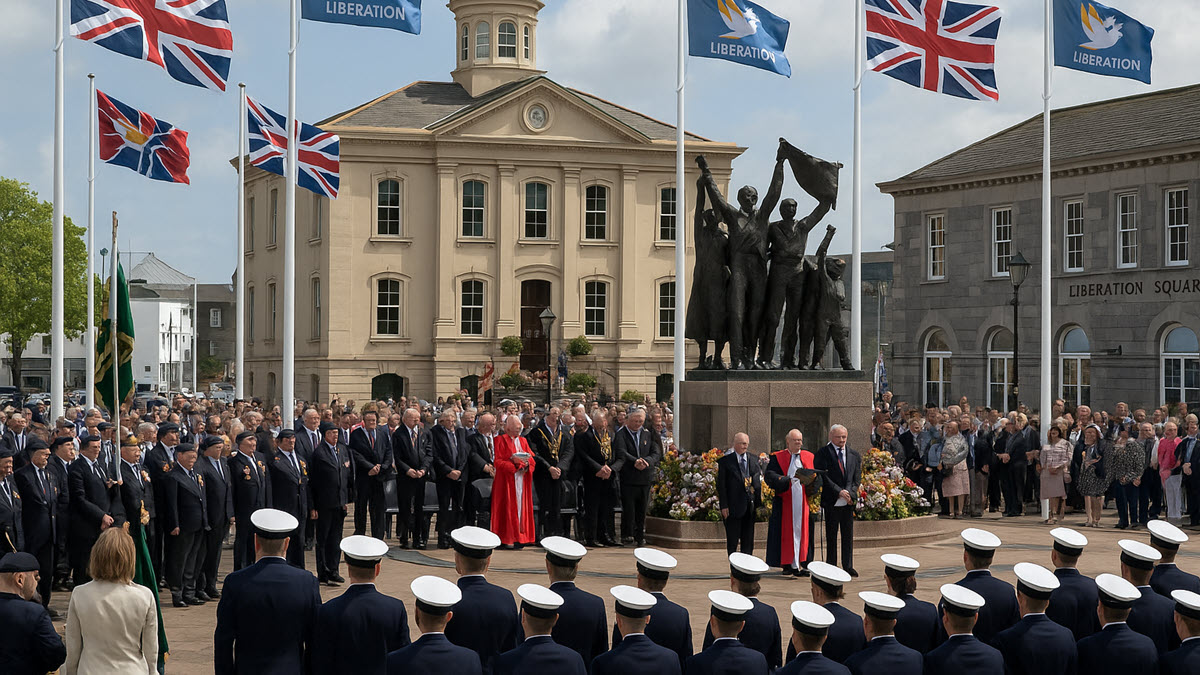
Liberation Day in Jersey is marking the island’s freedom from German occupation at the end of World War II in 1945. It is Jersey’s national day, commemorating the return of peace and the restoration of democracy after nearly five years under occupation. Liberation Day is both a celebration of freedom and a tribute to resilience and remembrance. 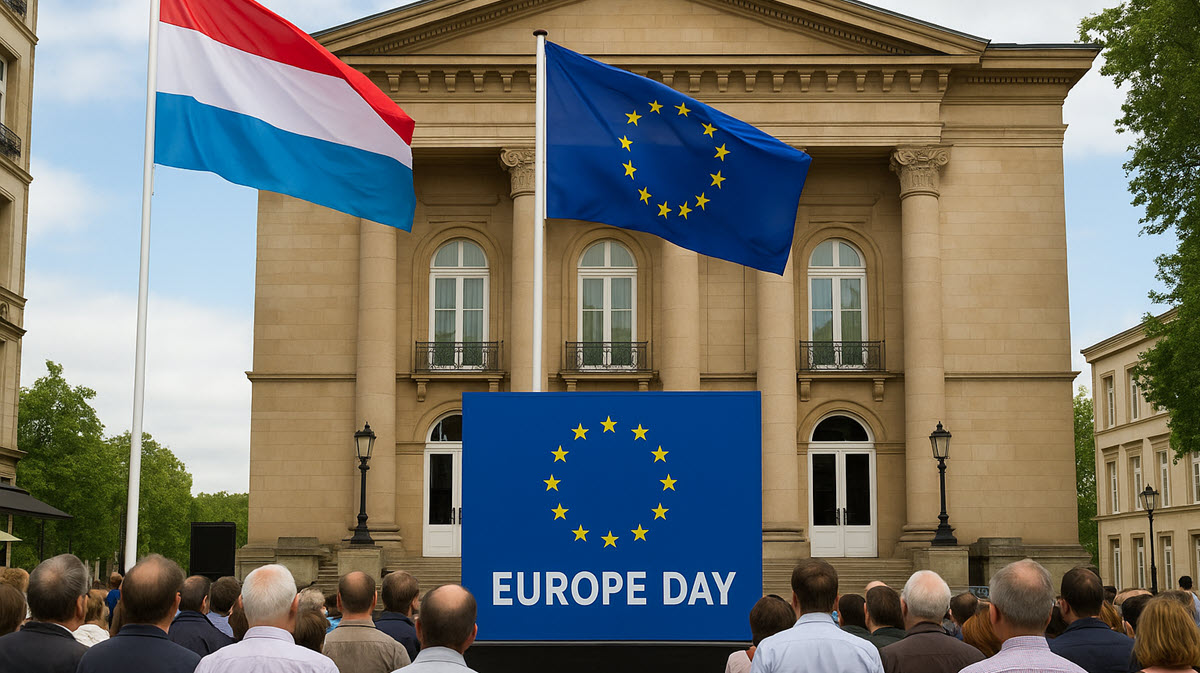
Europe Day in Luxembourg marks the anniversary of the Schuman Declaration (1950), which laid the foundation for the European Union. Luxembourg, the birthplace of Robert Schuman and a founding member of the EU, proudly observes this day as an official public holiday. The celebration honors peace, unity and European cooperation that highlight the nation’s central role in building a united Europe. 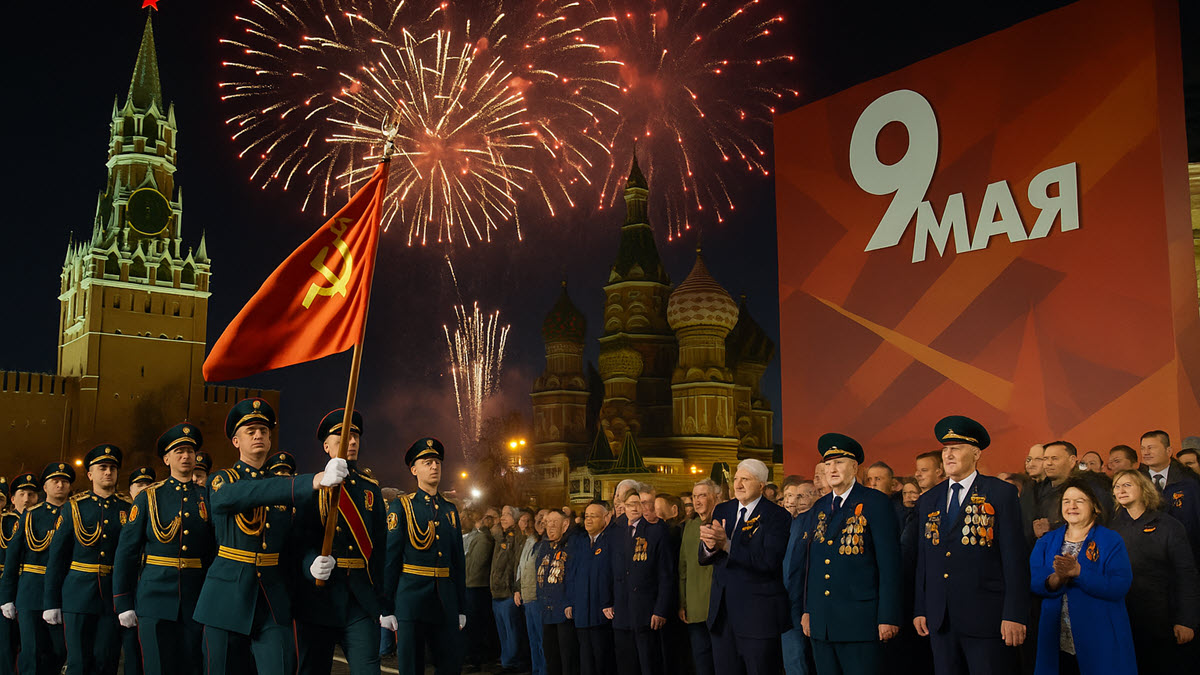
Victory Day in Russia commemorates the defeat of Nazi Germany in 1945 and honors the sacrifice and heroism of those who fought in the Great Patriotic War. It is marked by military parades, fireworks and remembrance ceremonies across the nation. |
|
0 events,
|
0 events,
|
0 events,
|
0 events,
|
0 events,
|
0 events,
|
|
|
1 event,
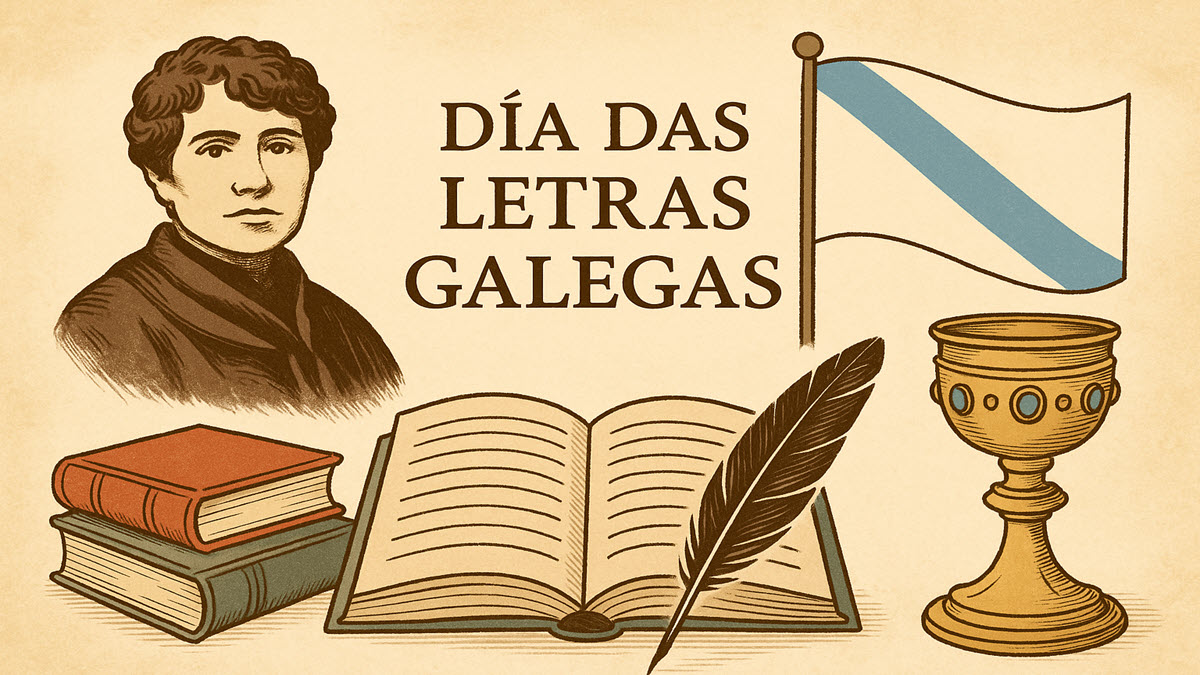
Galician Literature Day honors the Galician language and its literary tradition, first inspired by Rosalía de Castro’s Cantares Gallegos. Each year it highlights a different author, blending education, culture and civic pride to strengthen Galicia’s linguistic and cultural identity. |
1 event,
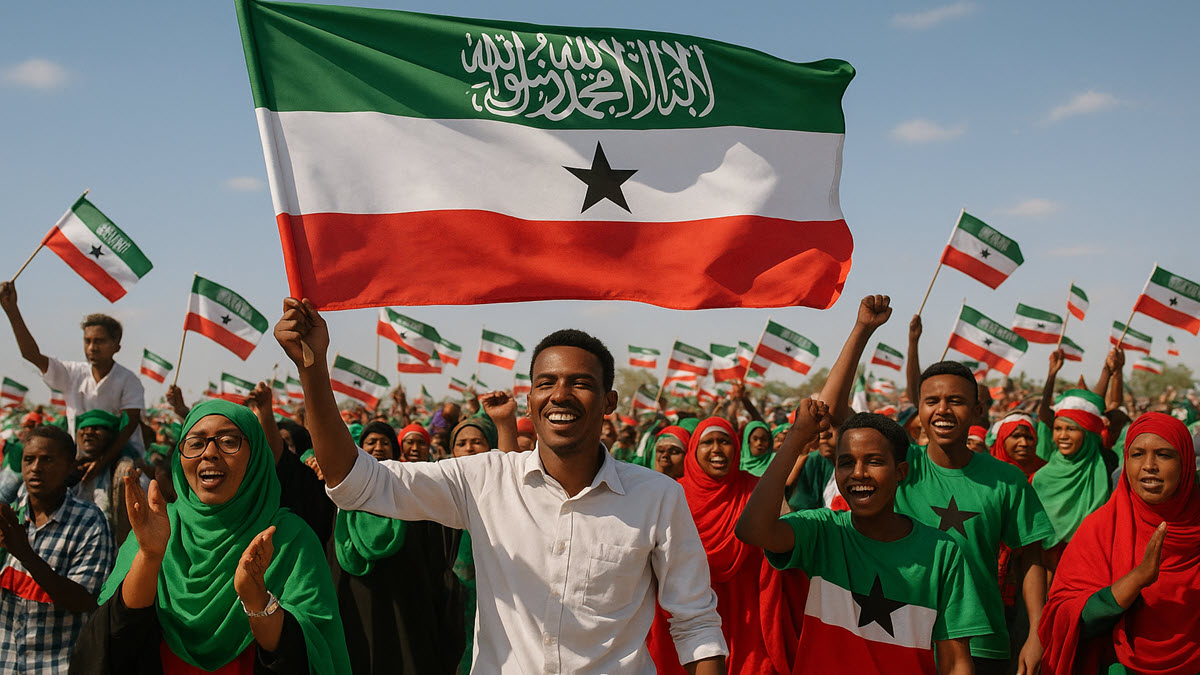
Somaliland Sovereignty Day commemorates May 18, 1991, when Somaliland declared itself independent after decades of hardship under Somali rule, reclaiming the short-lived sovereignty it first had in 1960. It is celebrated as a day of freedom, resilience and national pride. |
0 events,
|
0 events,
|
0 events,
|
0 events,
|
0 events,
|
|
0 events,
|
3 events,
Africa Day marks the anniversary of the founding of the Organization of African Unity (OAU) in 1963, which later became the African Union (AU). The holiday commemorates the founding of the Organization of African Unity (OAU) in 1963 and celebrates the struggle for African unity, freedom, and progress. 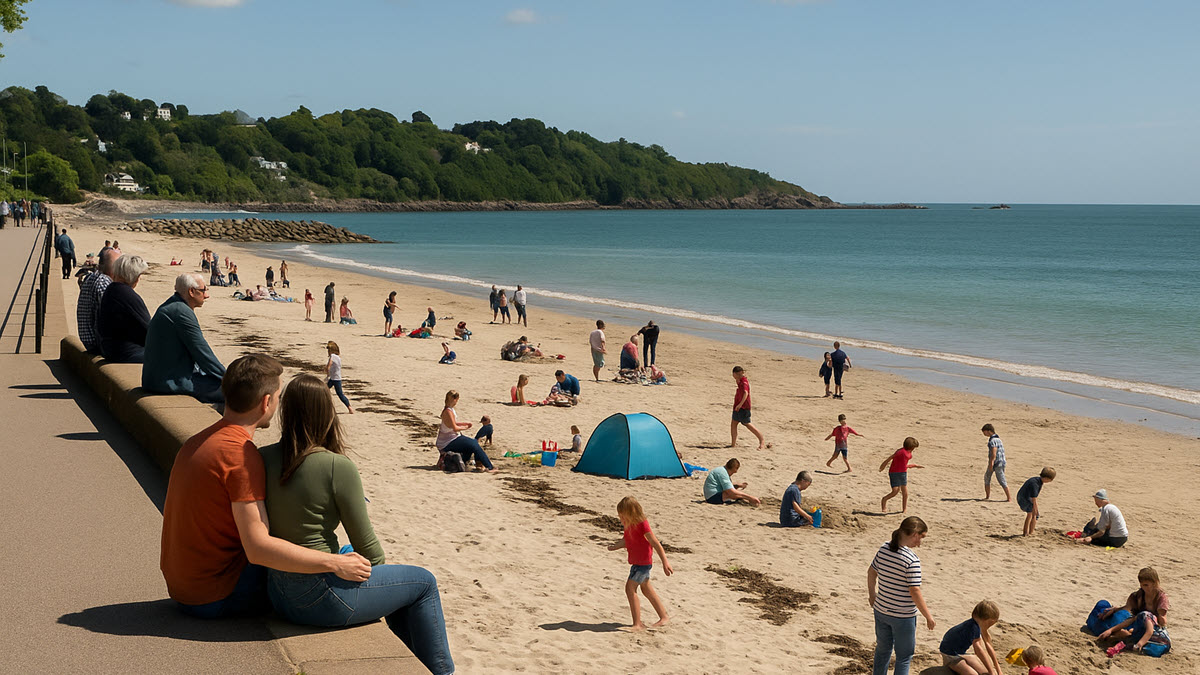
The Spring Bank Holiday gives islanders a welcome break as spring turns to summer. Originating as a general holiday for banks and businesses in the 19th century, it has evolved into a seasonal celebration of rest and outdoor leisure. Many Jersey residents use the long weekend to enjoy the island's beaches, countryside walks, and family gatherings, marking the unofficial start of the summer season with community events and seaside activities. 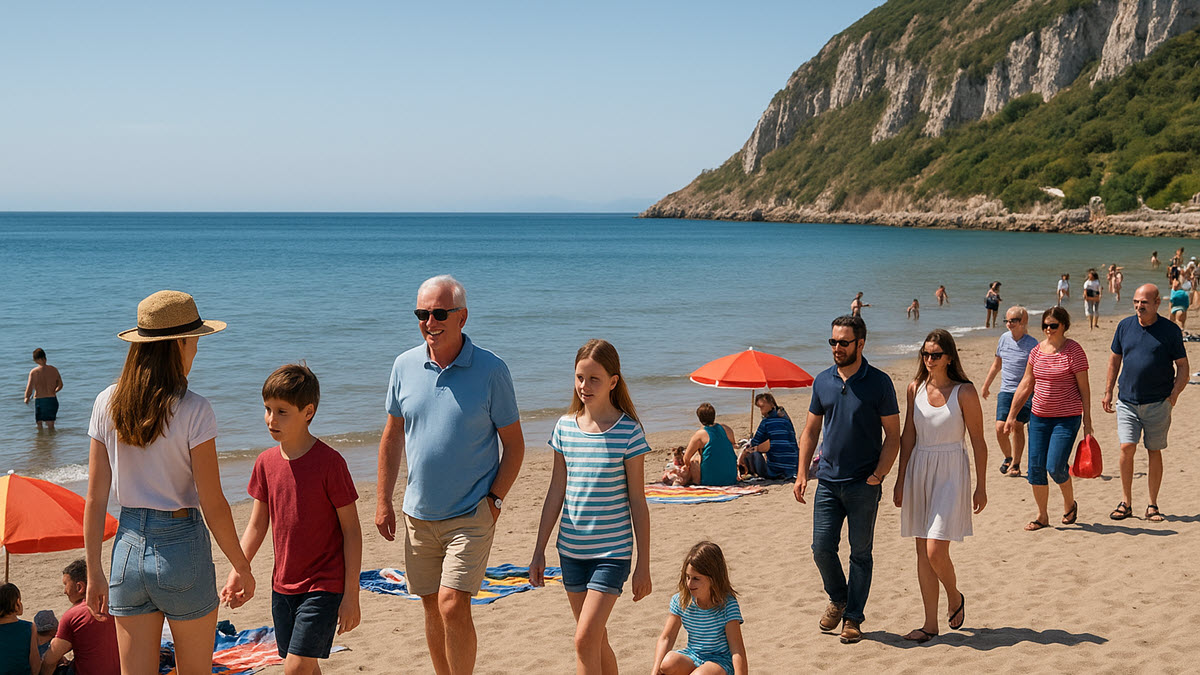
The Spring Bank Holiday in Gibraltar offers residents a relaxing break as spring turns to summer. It provides a long weekend for rest, leisure and family activities. Many people take the opportunity to enjoy Gibraltar’s beaches, nature trails or local events, marking the transition to warmer months with a spirit of renewal and community. |
0 events,
|
0 events,
|
1 event,
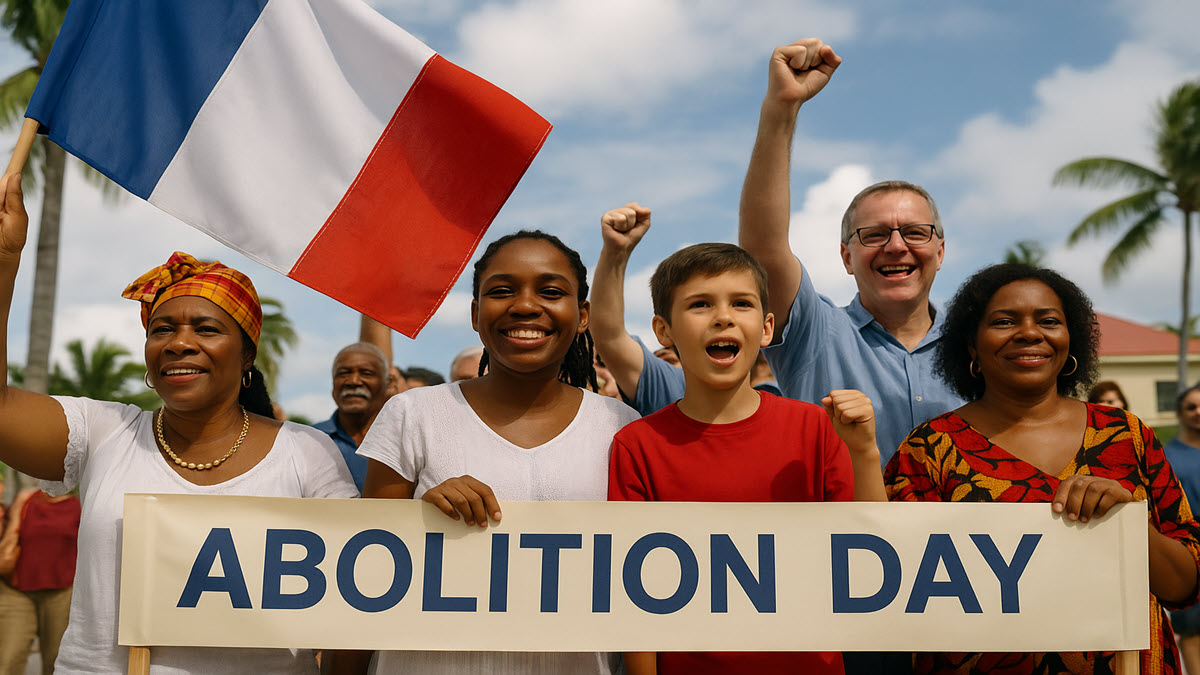
Abolition Day in Saint Martin commemorates the 1848 abolition of slavery in the French Caribbean, honoring the struggles and resilience of enslaved people and celebrating freedom, heritage, and human dignity. |
1 event,
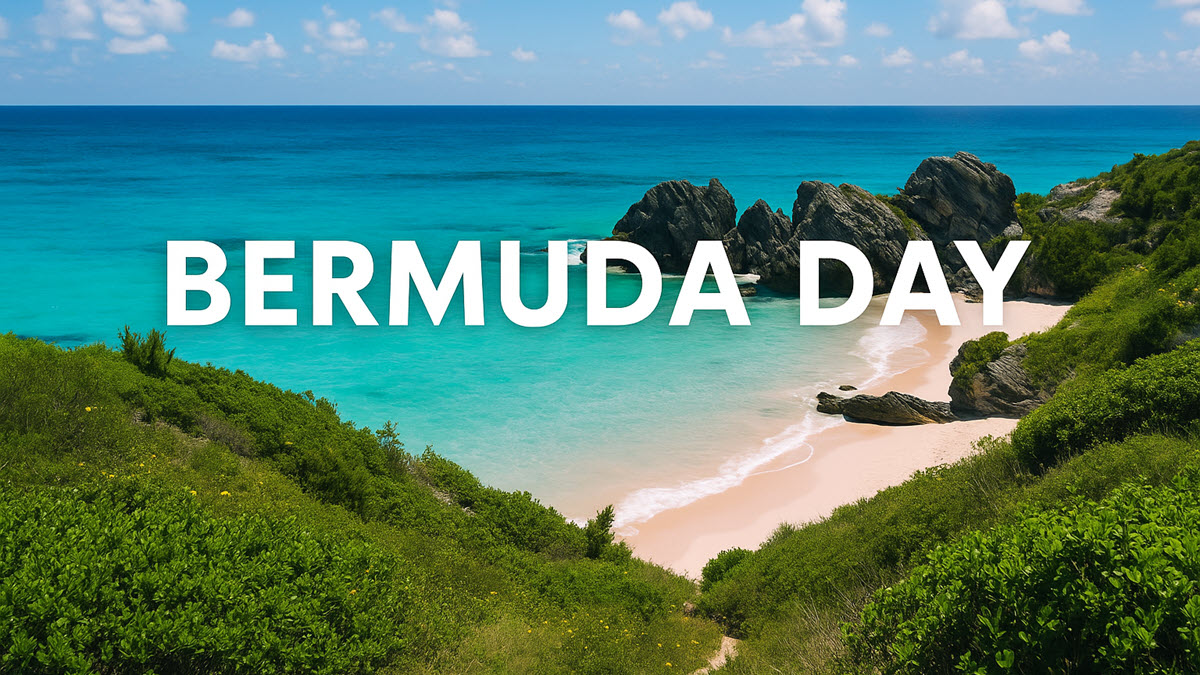
Bermuda Day marks the start of summer and is one of the island's most beloved holidays. Originally known as Empire Day, it evolved into a uniquely Bermudian celebration of national pride, culture, and heritage. Many islanders also take their first swim of the year and enjoy picnics or boat outings. Bermuda Day captures the island’s joyful spirit and sense of community, blending tradition and Caribbean flair. |
2 events,
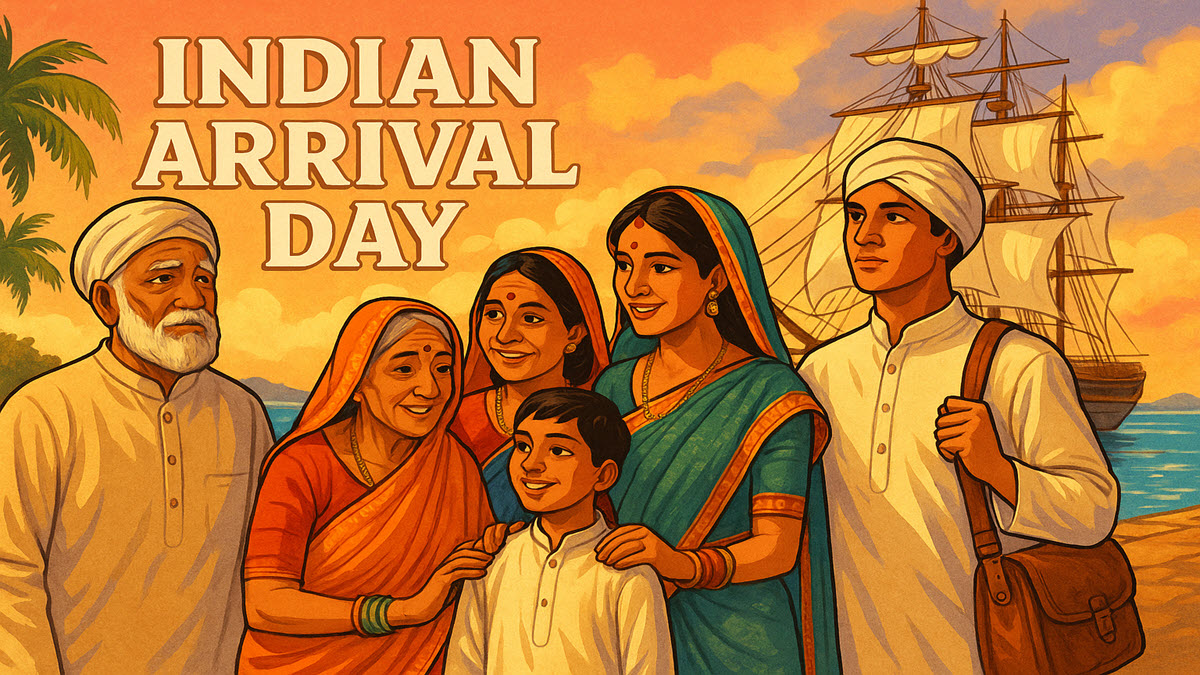
Indian Arrival Day is a national public holiday in Trinidad and Tobago to commemorate the arrival of the first Indian indentured laborers to the country in 1845. It honors the contributions, culture, and resilience of the Indo-Trinidadian community, whose ancestors came from India to work on sugar plantations after slavery was abolished. 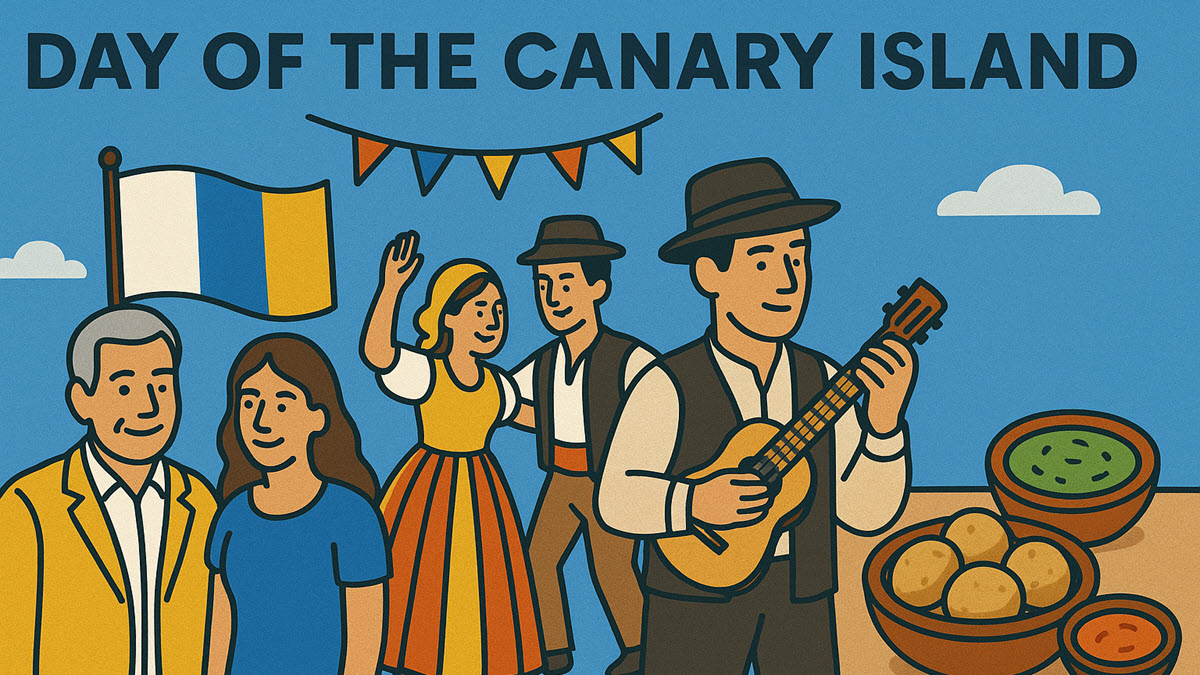
The Day of the Canary Islands commemorates the first meeting of the Canary Islands Parliament on May 30, 1983, symbolizing both political autonomy and cultural pride. |
|
1 event,
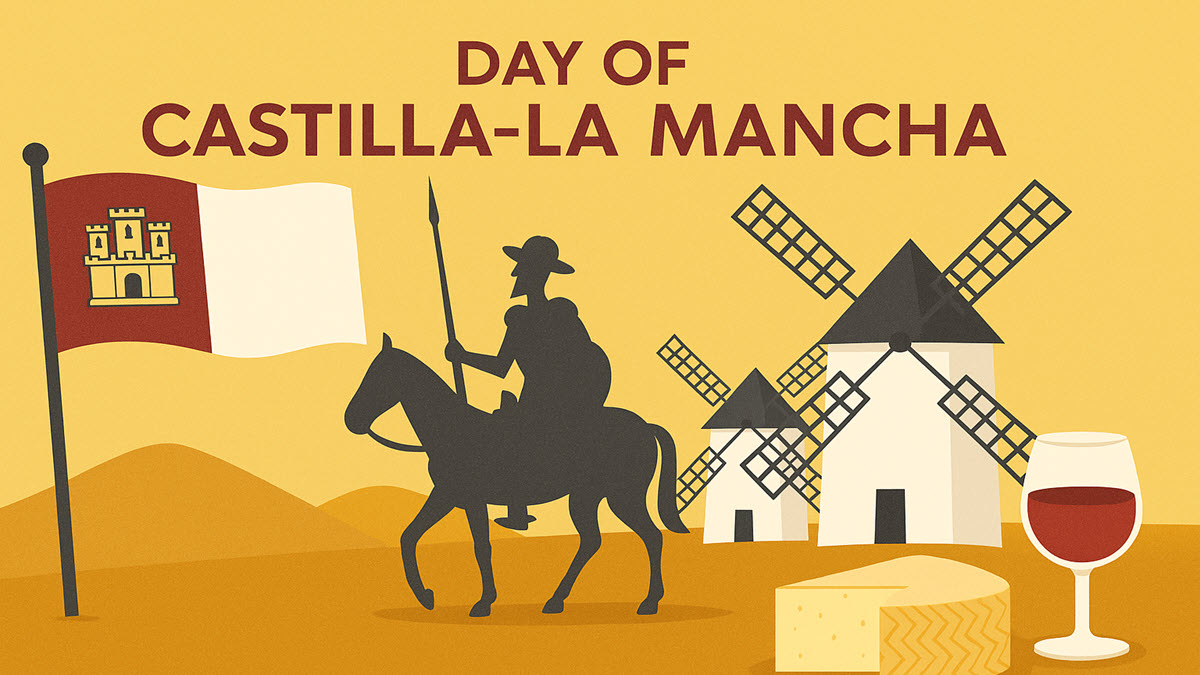
The Day of Castilla–La Mancha commemorates the creation of its autonomous institutions on May 31, 1983, following the Statute of Autonomy of 1982. It is celebrated each year with official honors and cultural festivities, symbolizing the region’s unity, traditions and self-government. |
1 event,
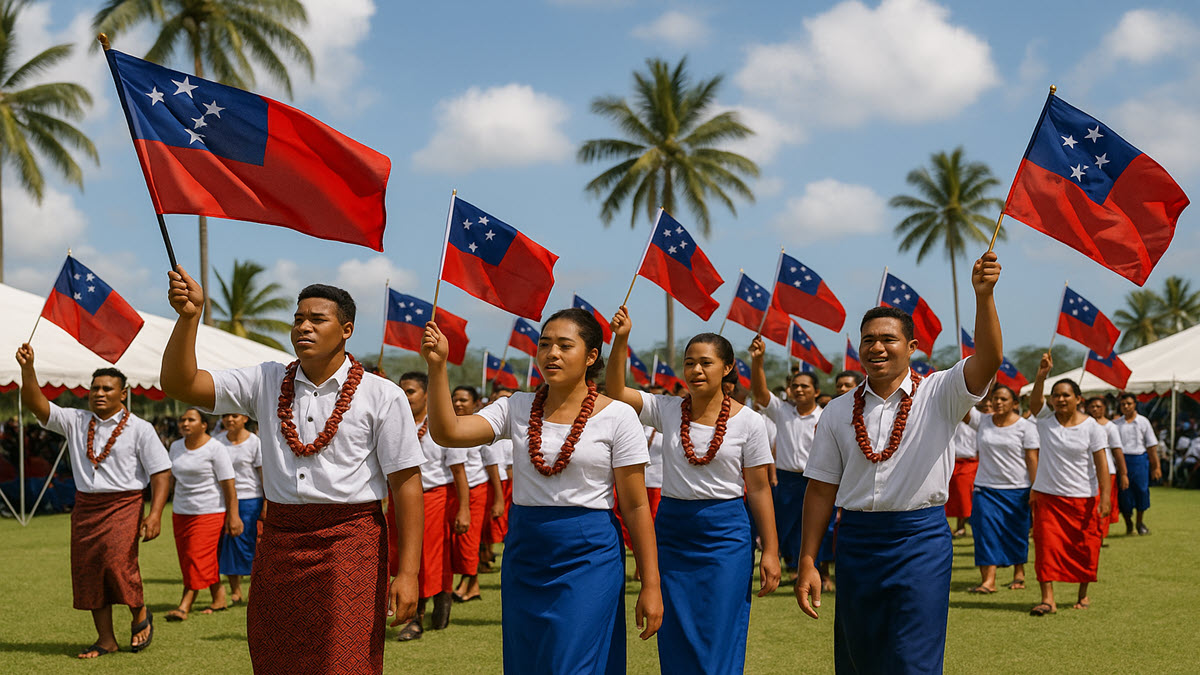
Independence Day in Samoa is marking the nation’s freedom in 1962 as the first Pacific Island country to gain independence. The day is honored with parades, cultural performances, church services and community gatherings that showcase Samoan pride and identity. |
1 event,
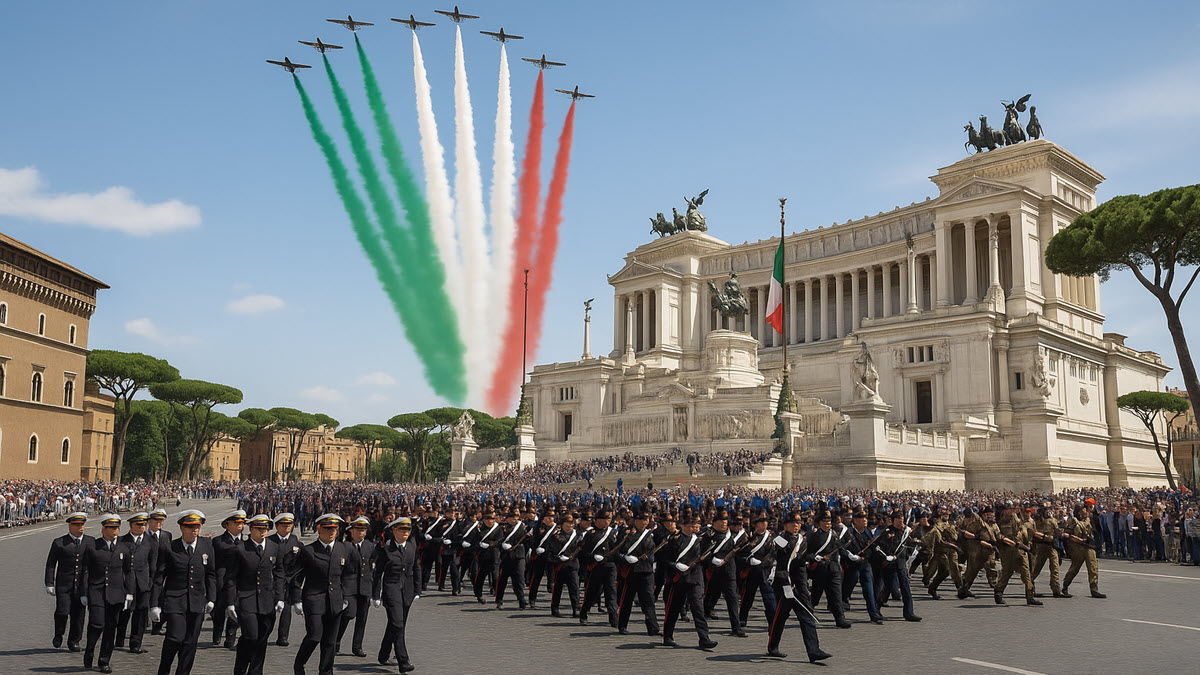
Republic Day is a national holiday in Italy marking the 1946 referendum when Italians voted to abolish the monarchy and establish a republic. It was also the first election in which Italian women voted. The day is commemorated with a military parade in Rome, a wreath-laying at the Tomb of the Unknown Soldier, and an aerial show, symbolizing Italy’s rebirth as a free and democratic nation. |
0 events,
|
0 events,
|
0 events,
|
1 event,
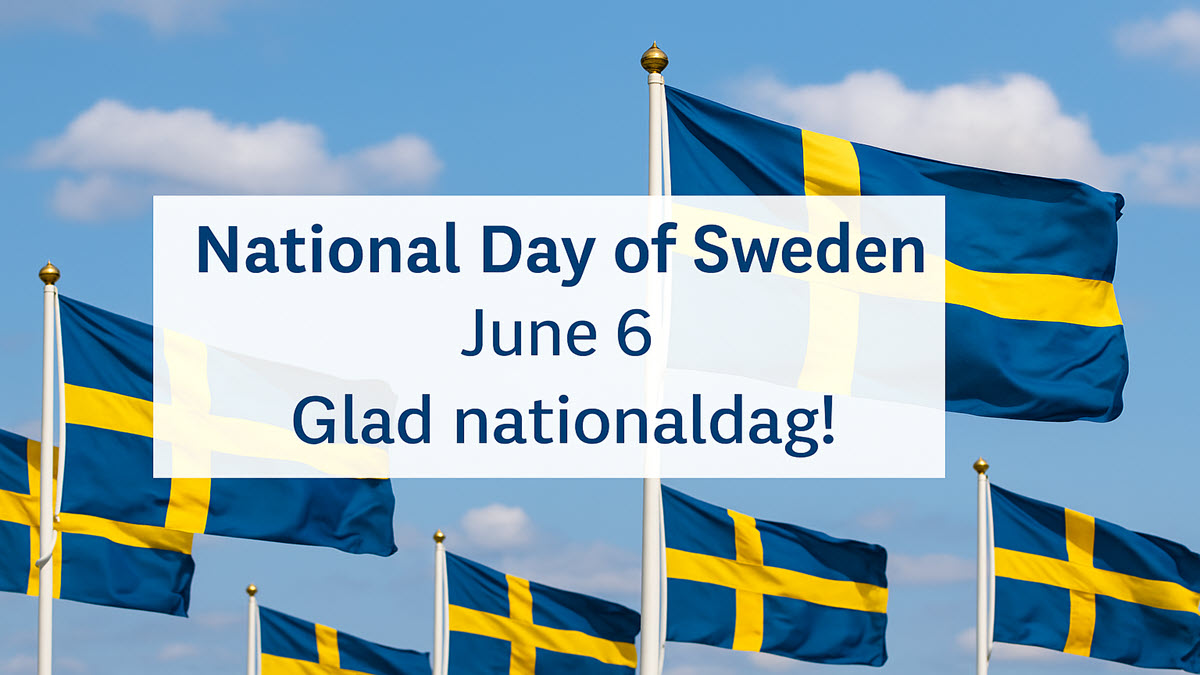
Sweden’s National Day commemorates Gustav Vasa’s 1523 election and the adoption of the 1809 constitution. Originating as Swedish Flag Day (1916), it became the official National Day in 1983 and a public holiday in 2005, marked by royal ceremonies at Skansen, flag-raisings, and citizenship events. |