Events
-
-
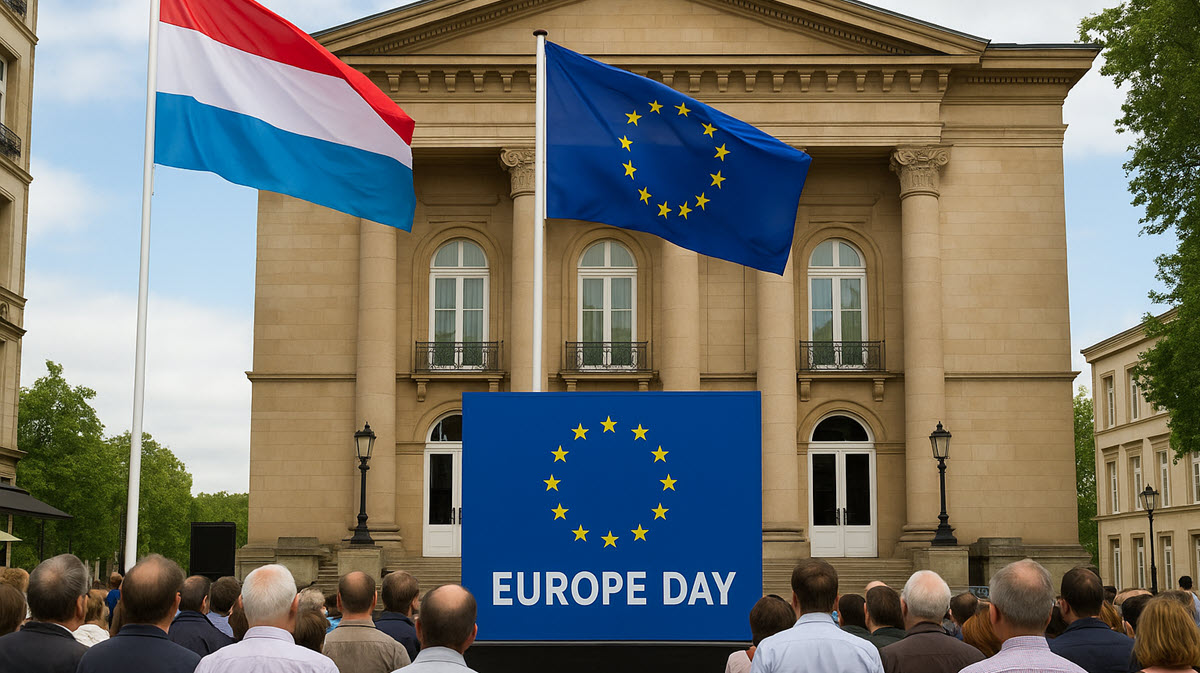
Europe Day (Luxembourg)
Europe Day in Luxembourg marks the anniversary of the Schuman Declaration (1950), which laid the foundation for the European Union. Luxembourg, the birthplace of Robert Schuman and a founding member of the EU, proudly observes this day as an official public holiday. The celebration honors peace, unity and European cooperation that highlight the nation’s central role in building a united Europe.
-
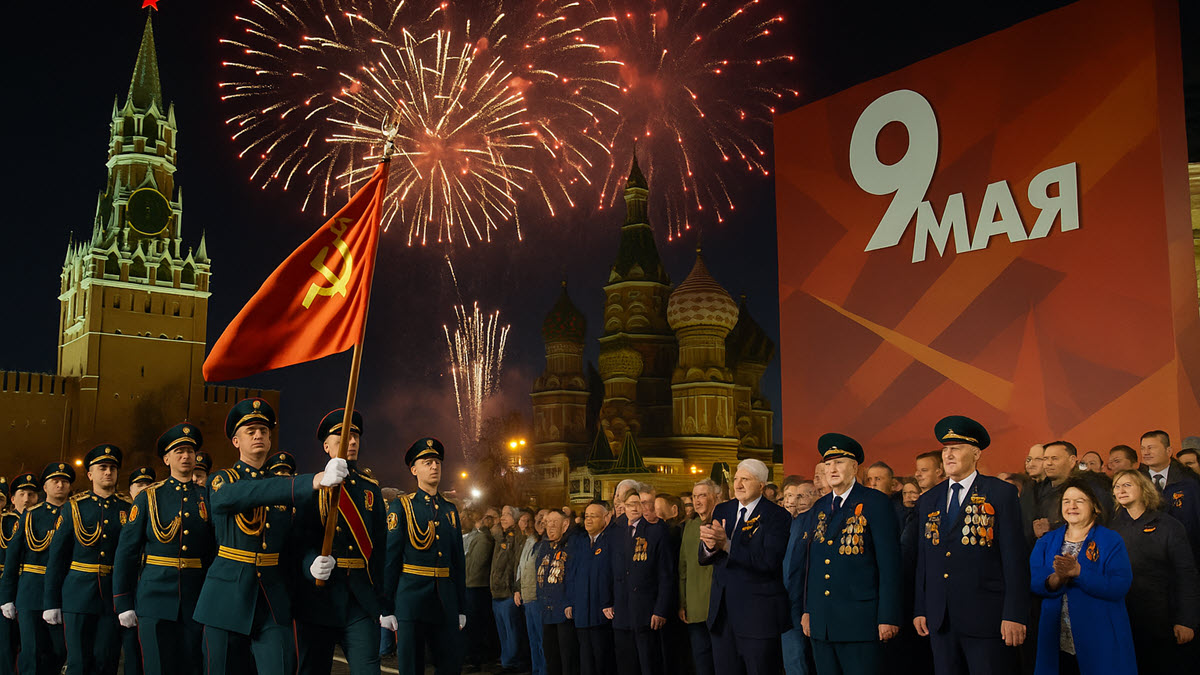
Victory Day (Russia)
Victory Day in Russia commemorates the defeat of Nazi Germany in 1945 and honors the sacrifice and heroism of those who fought in the Great Patriotic War. It is marked by military parades, fireworks and remembrance ceremonies across the nation.
-
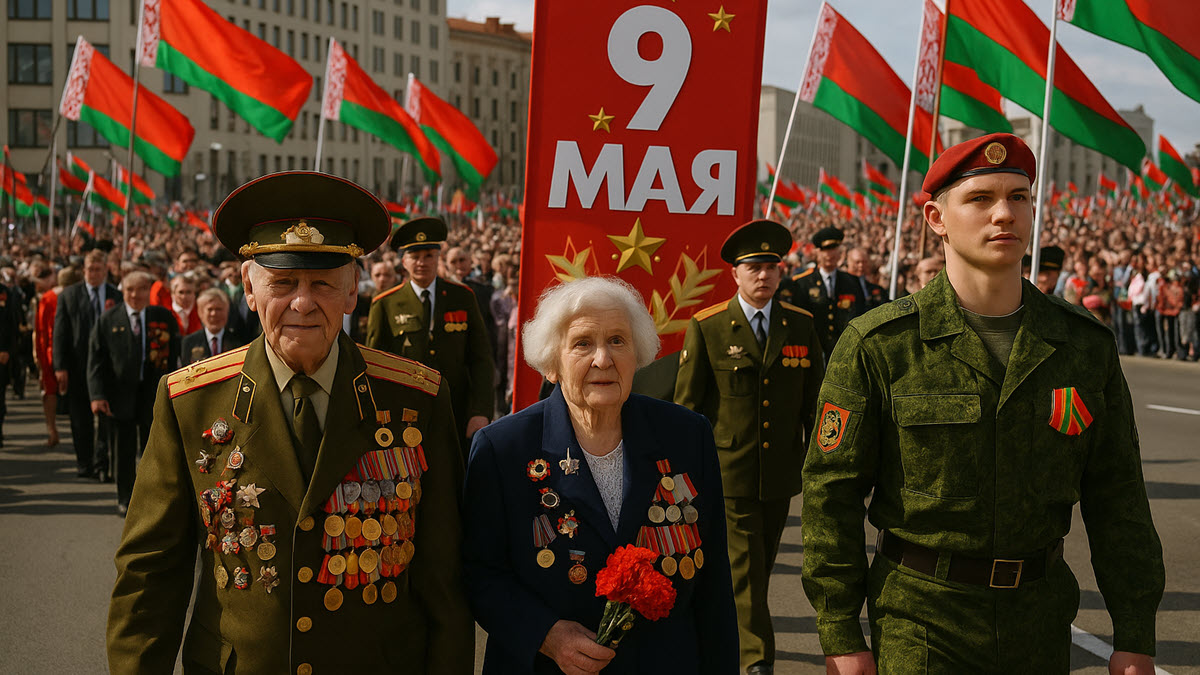
Victory Day (Belarus)
Victory Day in Belarus commemorates the end of World War II in Europe and honors the immense sacrifices made by Belarusians during the conflict. Known locally as the Great Patriotic War, it holds deep emotional and historical significance, over a quarter of the population perished during the Nazi occupation. Victory Day stands as a solemn yet proud celebration of courage, resilience and national unity.
-
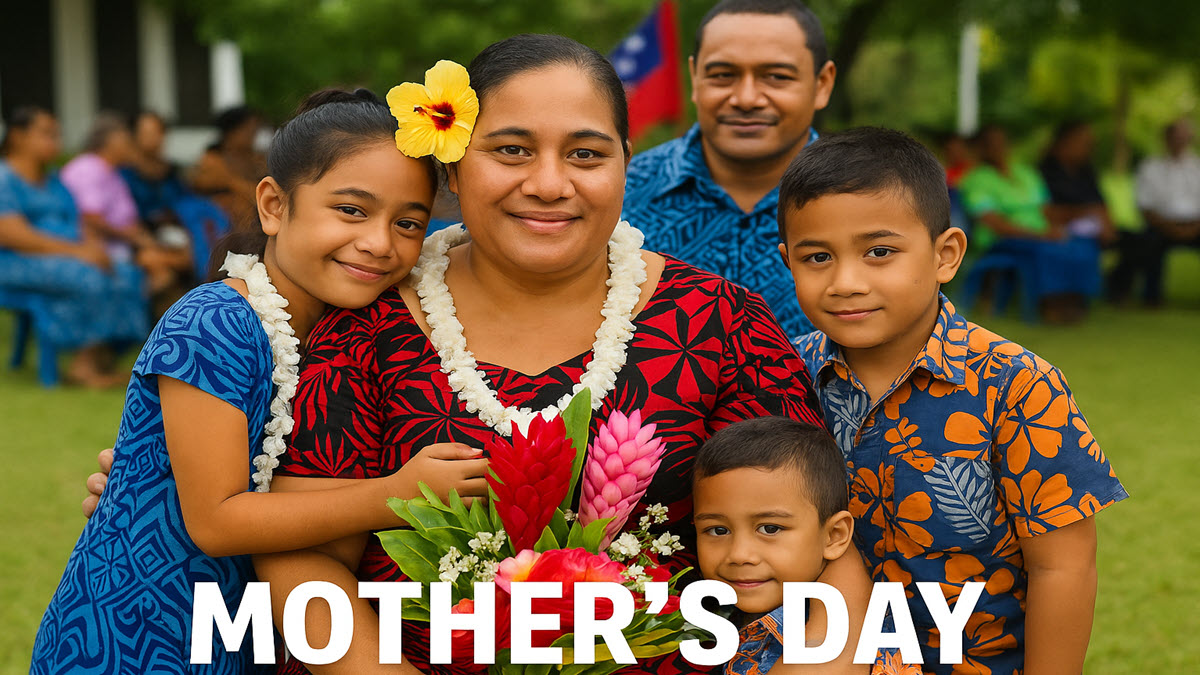
Mother's Day (Samoa)
Mother's Day in Samoa is one of the country’s most cherished celebrations, honoring mothers through church services, family feasts, and cultural traditions that highlight their central role in Samoan society.
-

Royal Ploughing Ceremony
The Royal Ploughing Ceremony is an ancient Thai tradition held each year in May, marking the beginning of the rice-growing season. The ceremony blends Hindu and Buddhist rituals, symbolizing prosperity, good harvests, and the close relationship between the Thai monarchy and agriculture.
-
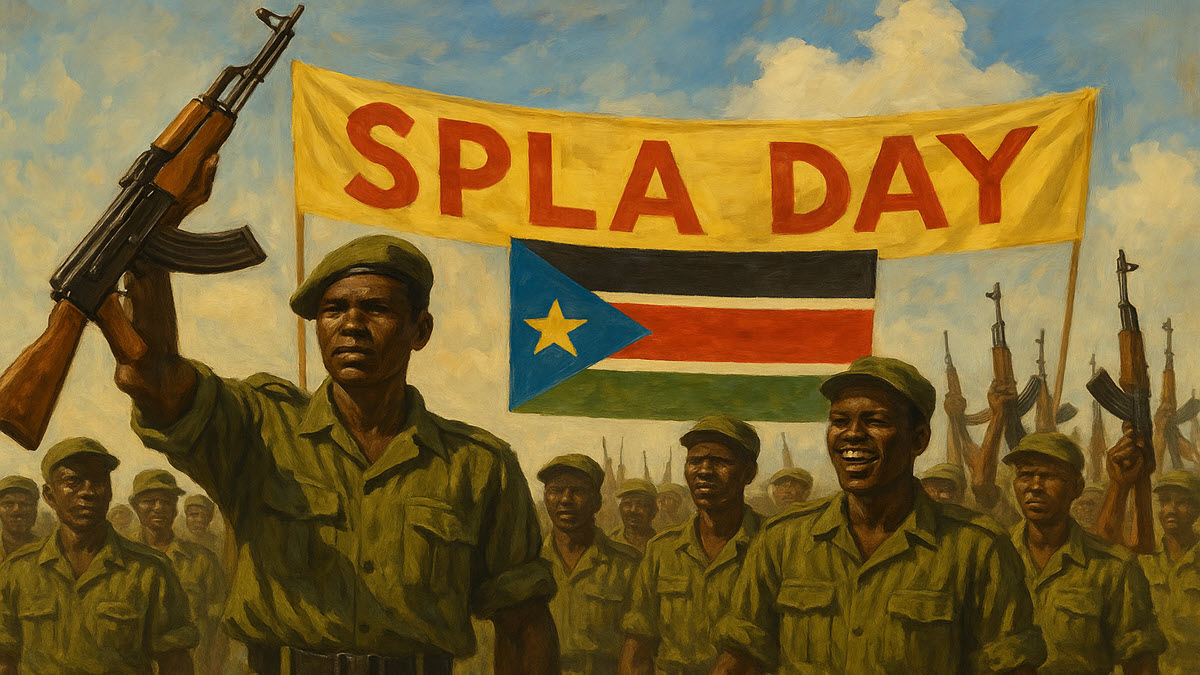
SPLA Day
SPLA Day commemorates the 1983 founding of the SPLA, the rebel army that fought for South Sudan’s freedom, eventually leading to the country’s independence in 2011.
-
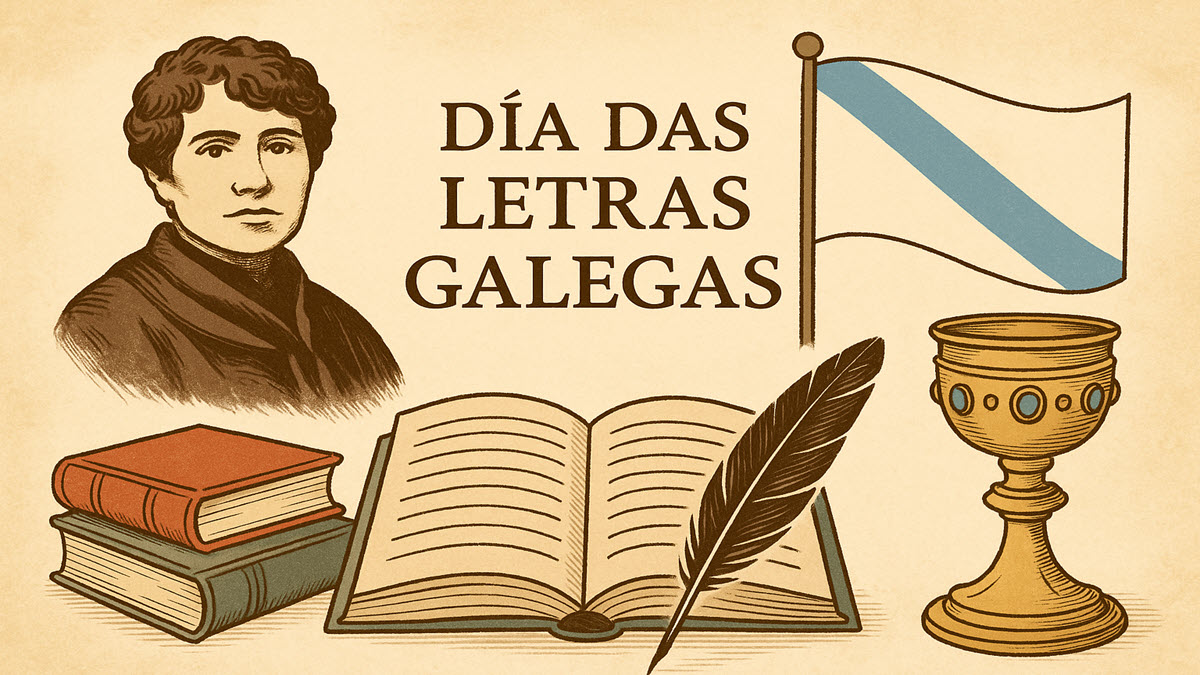
Galician Literature Day
Galician Literature Day honors the Galician language and its literary tradition, first inspired by Rosalía de Castro’s Cantares Gallegos. Each year it highlights a different author, blending education, culture and civic pride to strengthen Galicia’s linguistic and cultural identity.
-

Constitution and Flag Day
Constitution and Flag Day is a national public holiday in Turkmenistan, and it marks two significant events in Turkmenistan’s national identity: the adoption of the Constitution of Turkmenistan and the celebration of the national flag.
-
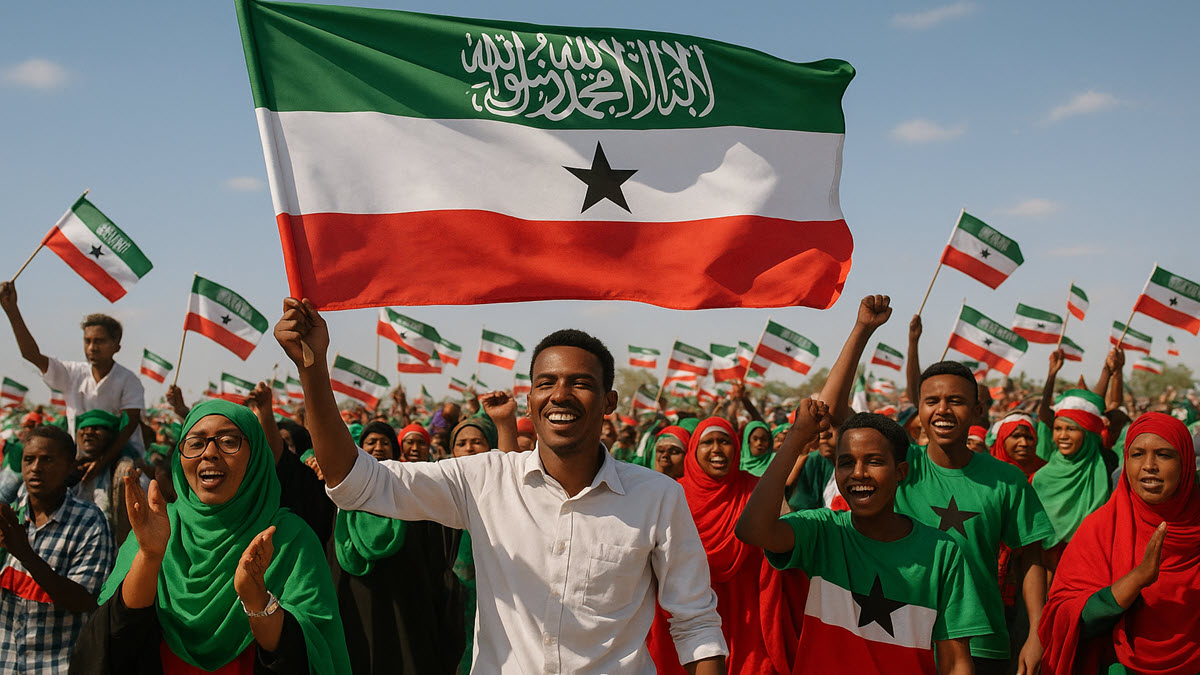
Somaliland Sovereignty Day
Somaliland Sovereignty Day commemorates May 18, 1991, when Somaliland declared itself independent after decades of hardship under Somali rule, reclaiming the short-lived sovereignty it first had in 1960. It is celebrated as a day of freedom, resilience and national pride.
-
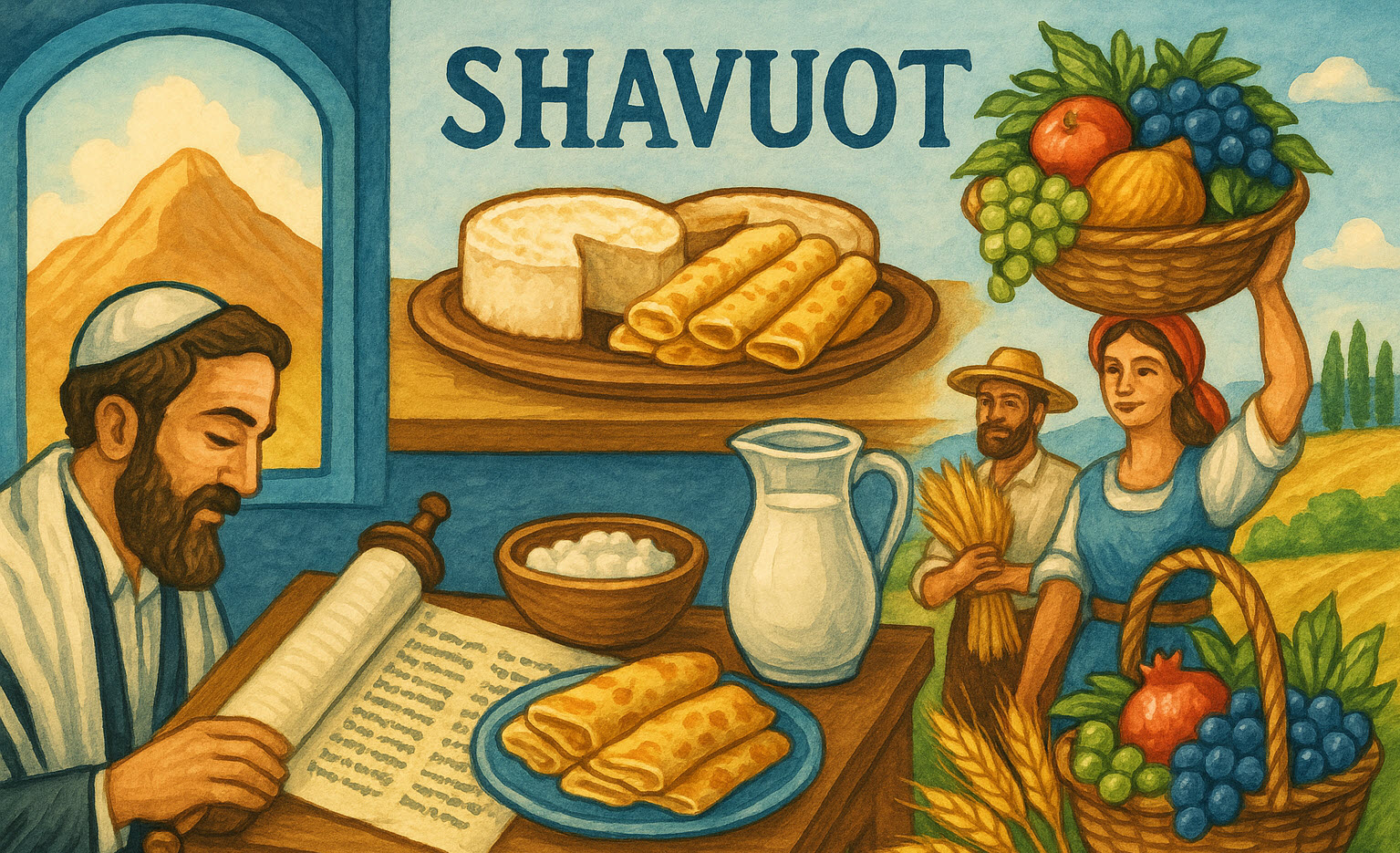
Shavuot (Israel)
In Israel, Shavuot is a one-day festival with dual meaning: it celebrates the giving of the Torah at Sinai and the harvest of the first fruits. It is observed with Torah study, seating dairy foods, and agricultural festivals, making it both a deeply spiritual and earthly celebration.
-
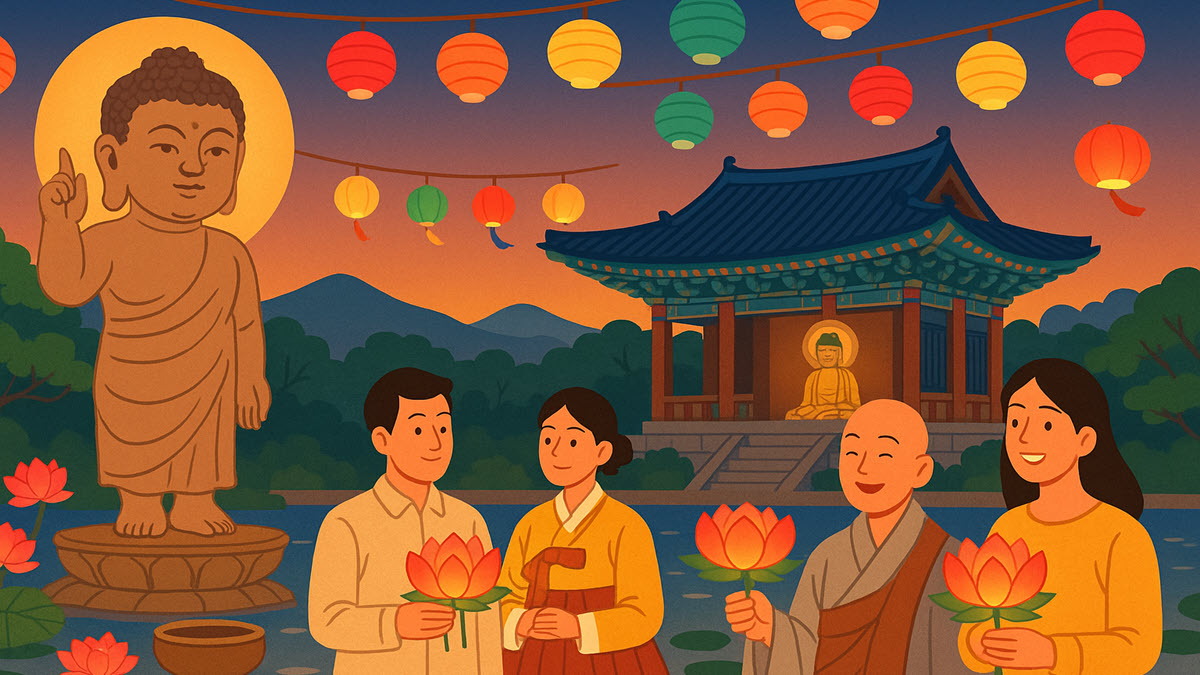
Buddha's Birthday (South Korea)
Buddha’s Birthday originated in India, spread across Asia with Buddhism, and became a central festival in Korea from the 4th century CE. Despite suppression under Confucian rule, it survived and is now one of Korea’s most cherished holidays, marked by lantern festivals, rituals, and cultural celebrations.
-
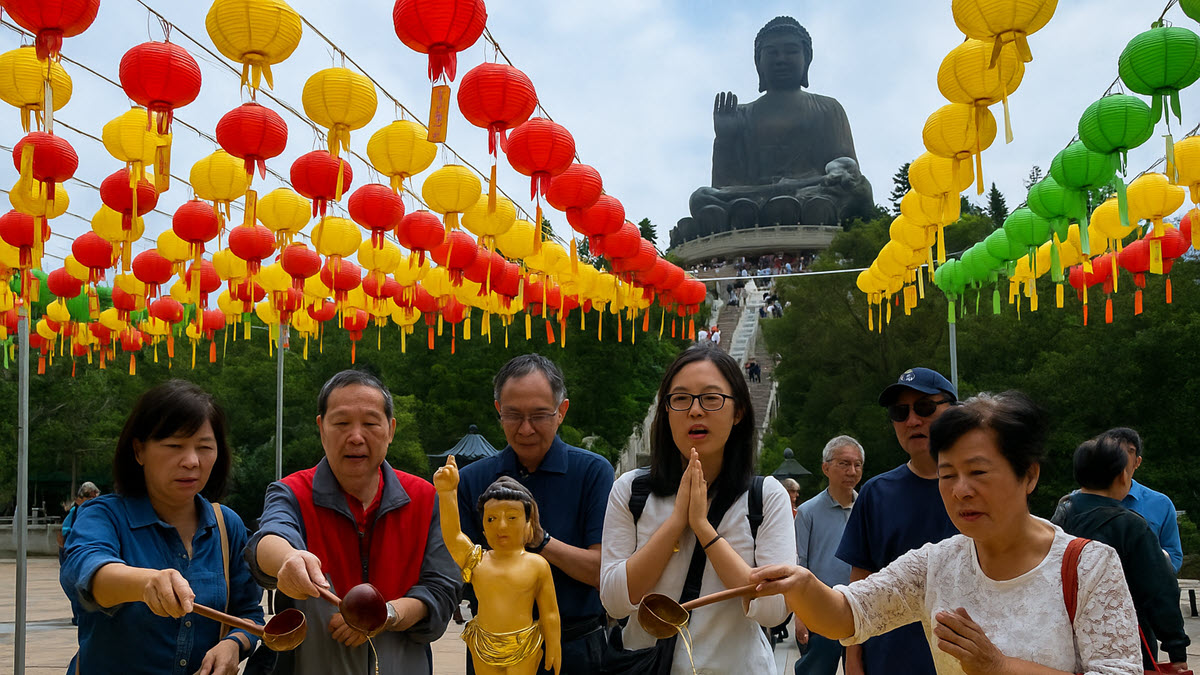
Buddha's Birthday (Hong Kong)
Buddha's Birthday in Hong Kong honors the birth of Siddhartha Gautama, the founder of Buddhism. It is a public holiday marked by ceremonies, temple visits, and the ritual of bathing the Buddha, symbolizing purity, compassion and spiritual renewal.