Events
-
-
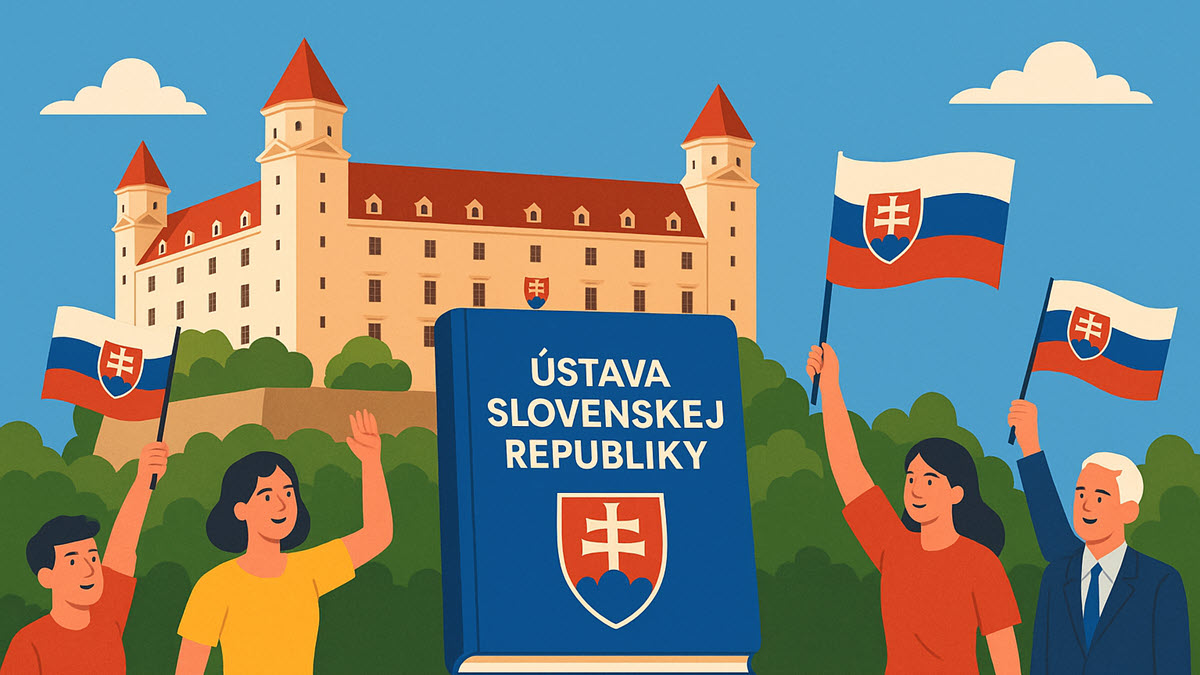
Constitution Day (Slovakia)
Constitution Day in Slovakia commemorates the adoption of the Slovak Constitution in 1992, a pivotal step toward independence from Czechoslovakia. It remains a key national holiday, symbolizing sovereignty, democracy and the rights of Slovak citizens.
-
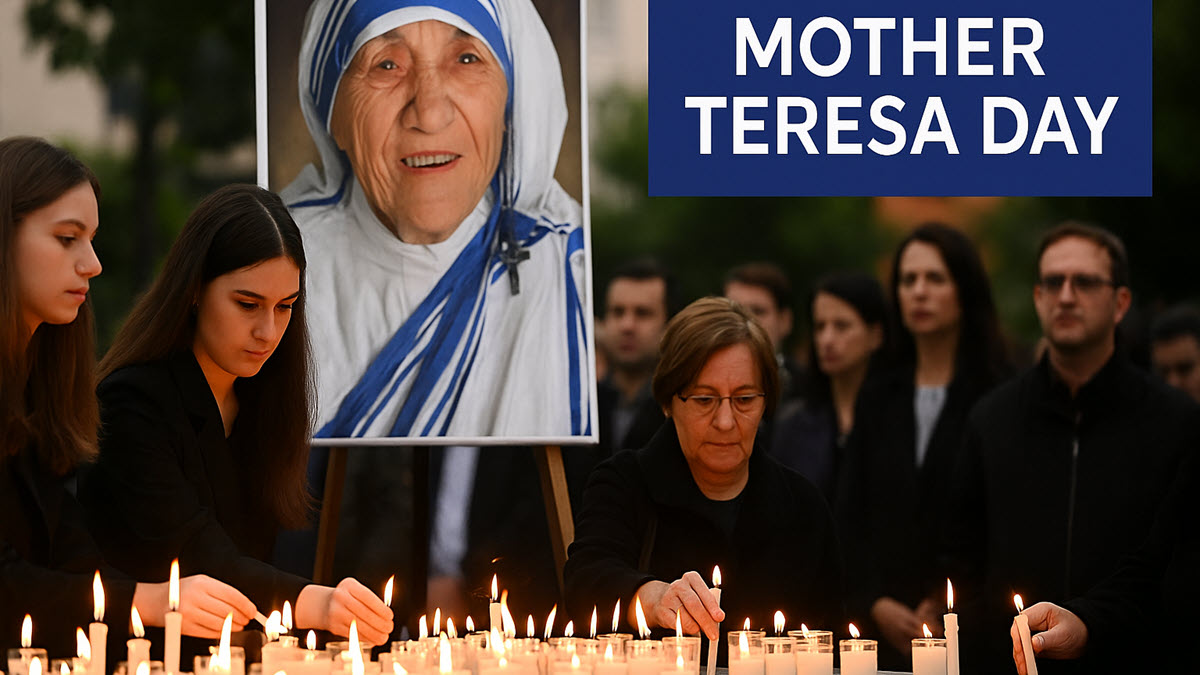
Mother Teresa Day (Albania)
Mother Teresa Day in Albania honors the life and humanitarian legacy of Saint Teresa of Calcutta, Albania's most revered figure, celebrating her compassion, charity and lifelong service to the poor and suffering.
-
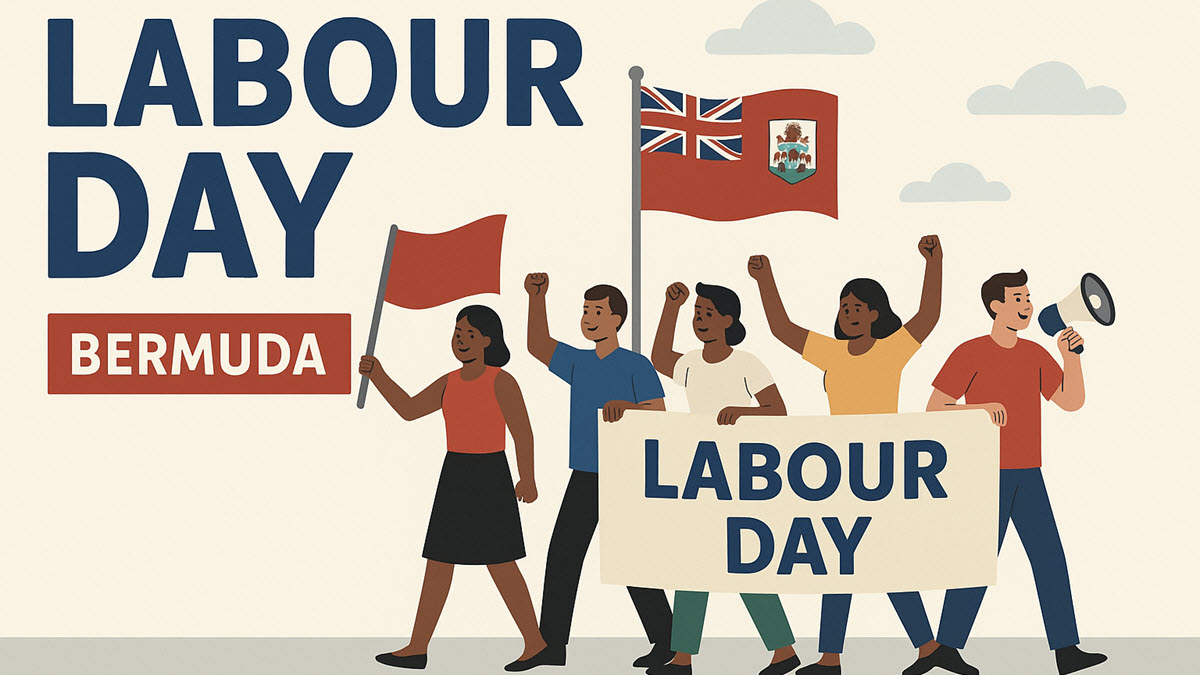
Labour Day (Bermuda)
Labour Day in Bermuda honors the contributions of Bermudian workers and the nation’s trade union movement. Established in 1982, the holiday recognizes the struggles and achievements that shaped fair labor practices, improved working conditions, and strengthened social progress. The day serves as a moment of unity, celebrating the dignity of work, the importance of solidarity and the enduring role of Bermudian workers in building a just and prosperous society.
-
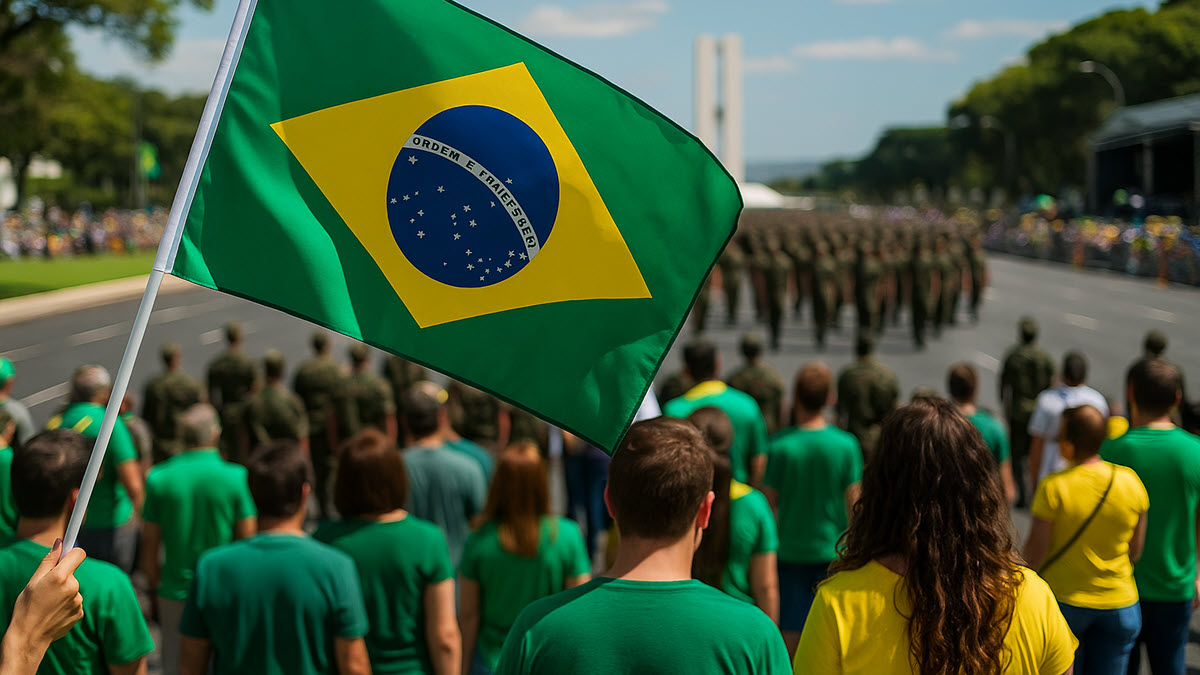
Independence Day (Brazil)
Independence Day in Brazil marks the country's declaration of independence from Portugal in 1822. Known as Sete de Setembro, the day commemorates Prince Dom Pedro's historic cry of "Independence or Death!" along the banks of the Ipiranga River in São Paulo. The holiday stands as a proud expression of Brazilian unity, freedom and national identity, honoring the nation's journey toward sovereignty and democracy.
-
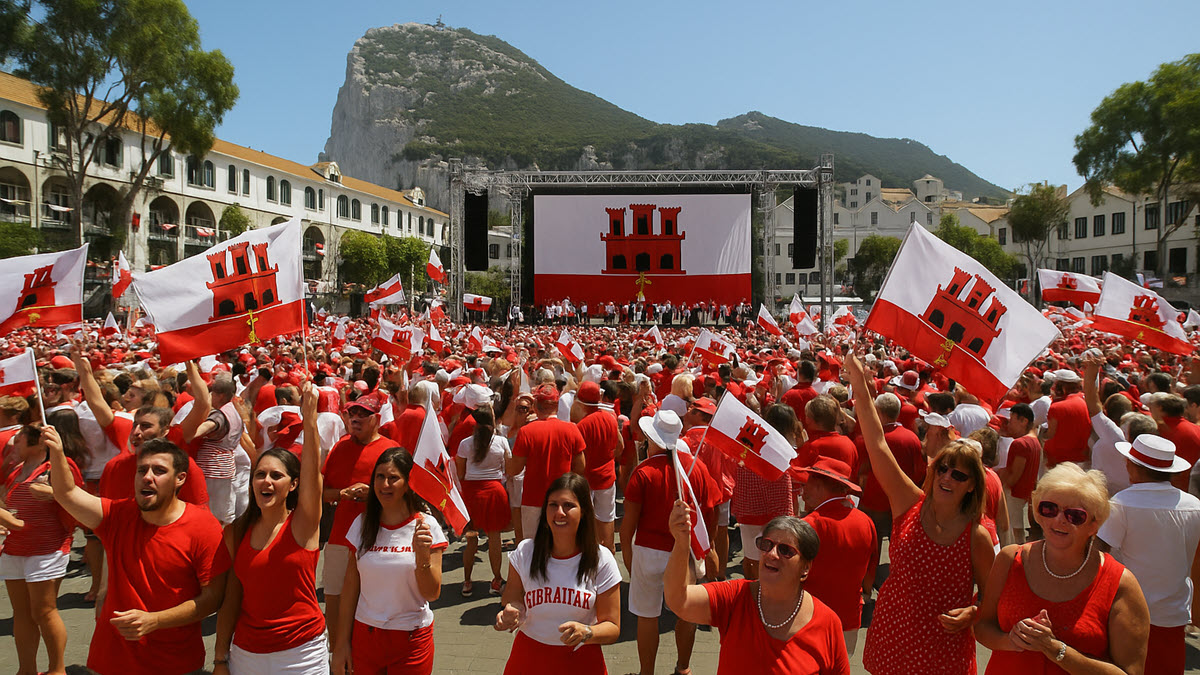
Gibraltar National Day
Gibraltar National Day marks the anniversary of the 1967 sovereignty referendum, when Gibraltarians voted overwhelmingly to remain under British sovereignty rather than join Spain. The day is a powerful expression of Gibraltar’s identity, unity and self-determination. National Day reflects the pride and resilience of the Gibraltarian people, honoring their right to decide their own future and celebrating their close ties to the United Kingdom.
-
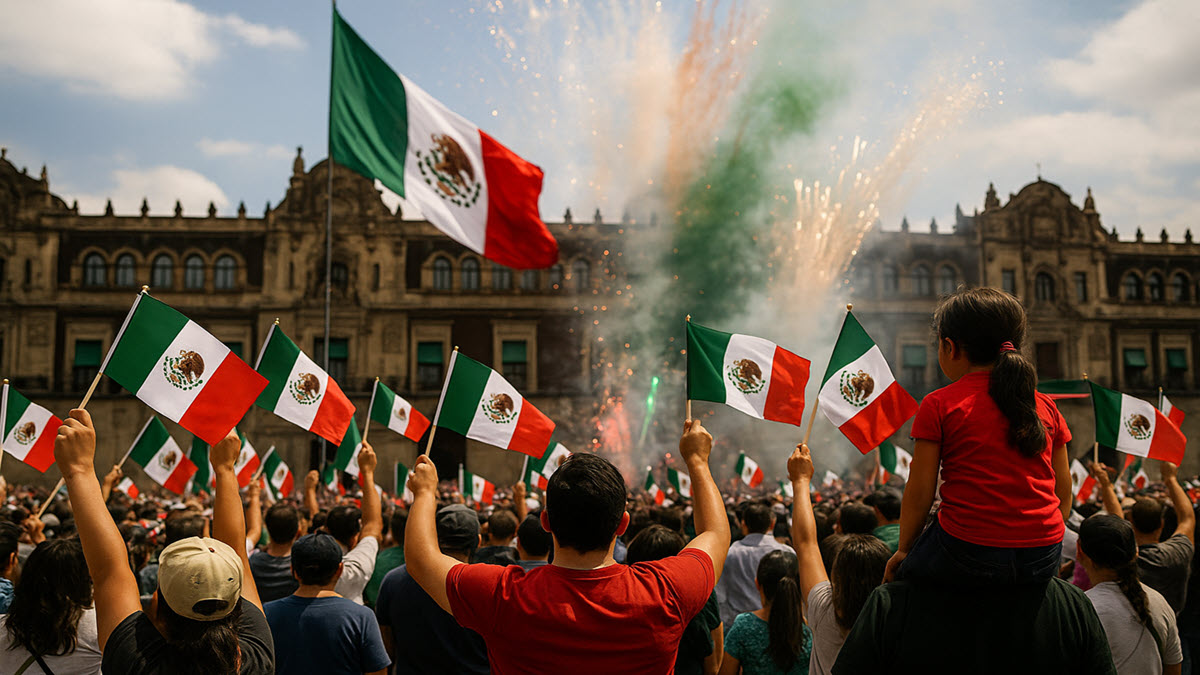
Independence Day (Mexico)
Independence Day in Mexico commemorates the start of Mexico's struggle for independence from Spanish rule in 1810. It is one of Mexico's most important and festive national holidays, symbolizing the country's enduring spirit of liberty and independence.
-
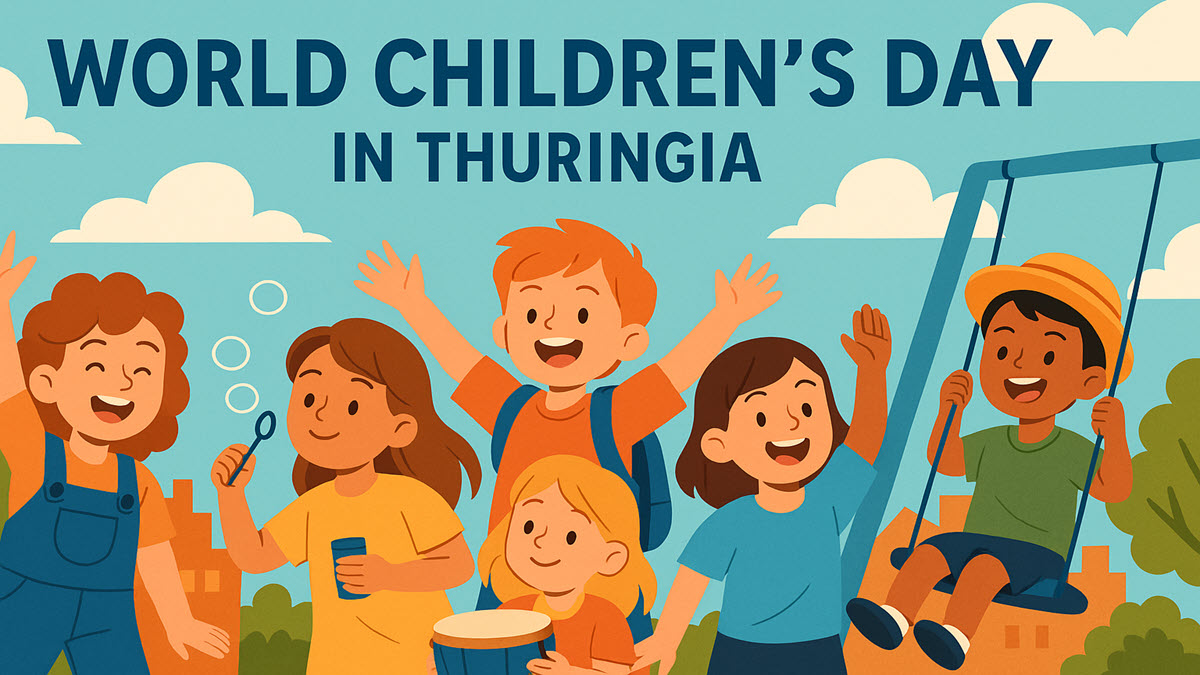
World Children's Day (Germany)
World Children’s Day in Thuringia, Germany has roots in both the UN’s call for children’s rights (1954) and Germany’s postwar traditions (June 1 in the East, September 20 in the West). It is celebrated with public events, children’s rights campaigns, and symbolic recognition of the importance of children in society.
-

Respect for the Aged Day (Japan)
Respect for the Aged Day honors the contributions, wisdom and longevity of older adults, reflecting Japan’s deep cultural value of respect for elders. Families visit grandparents, communities host ceremonies, and the media features stories of the nation's oldest citizens. The day fosters gratitude, family unity, and appreciation for the generations who helped shape modern Japan.
-
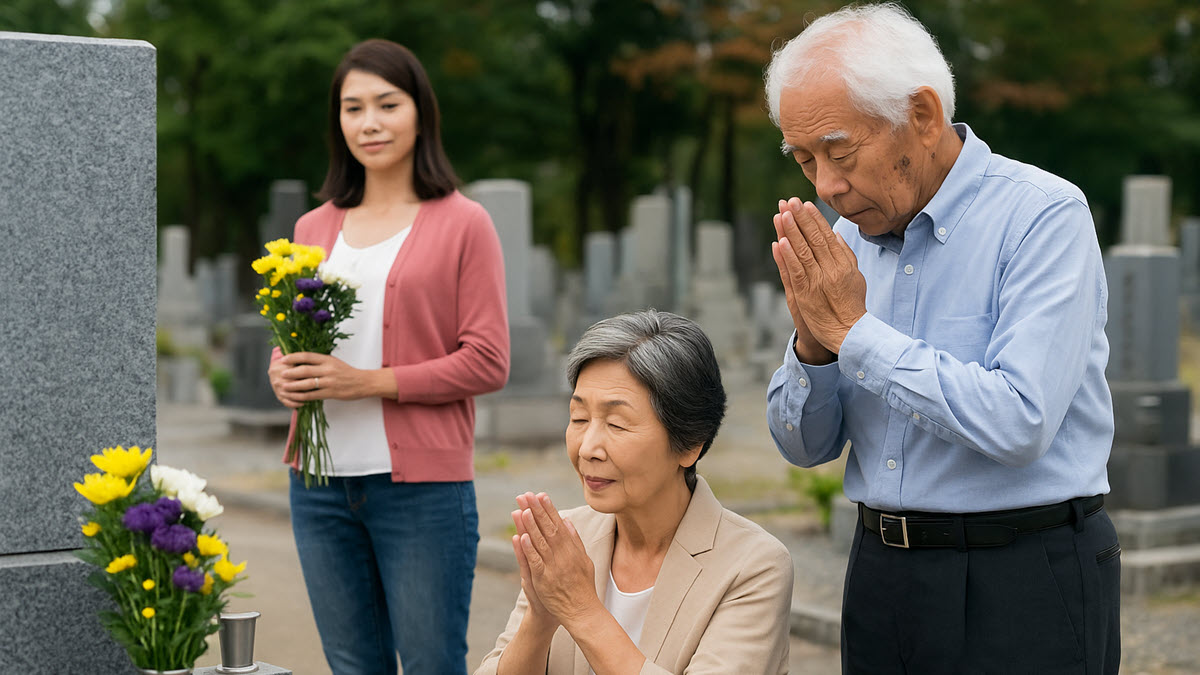
Autumnal Equinox Day (Japan)
Autumnal Equinox Day marks the moment when day and night are nearly equal in length. It is a time to honor nature, express gratitude for the harvest and pay respects to ancestors. Many families visit graves, offer food and flowers, and spend time together. The day blends Buddhist and Shinto traditions, symbolizing balance, harmony and the changing of seasons.
-
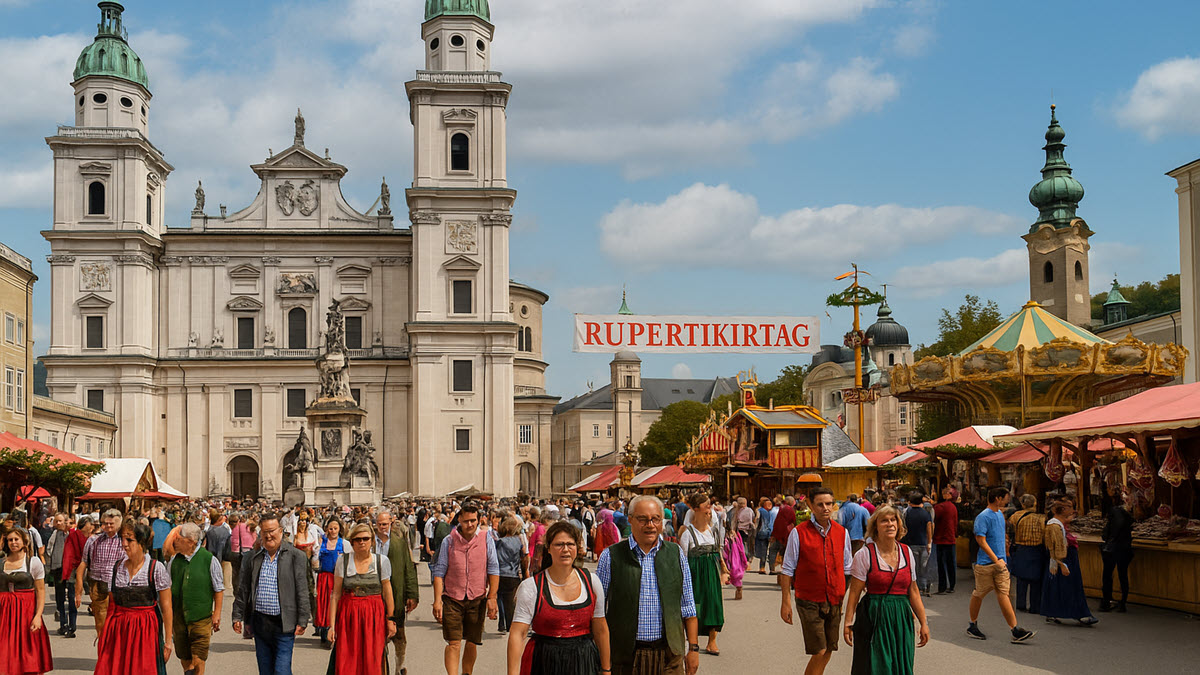
St. Rupert's Day
St. Rupert’s Day is a regional holiday in Salzburg, Austria that honors St. Rupert of Salzburg (c. 660–710), the city’s founder, first bishop, and patron saint.
-
-

May Day in Northern Territory
May Day in Northern Territory, Australia is a public holiday that honours the achievements of workers and the labour movement, particularly the establishment of the eight-hour workday. May Day, also Labour Day, is observed on different dates across Australian states and territories.
-

Tishreen Liberation Day
Tishreen Liberation Day commemorates the start of the October War in 1973, also known internationally as the Yom Kippur War or the Ramadan War, when Syria and Egypt launched a coordinated military offensive against Israel to reclaim territories lost in the 1967 Six-Day War.