Events
-
-
Saba Saba Day
Saba Saba Day (meaning "Seven Seven" in Swahili, referring to July 7) is a national day of political and economic importance in Tanzania. It originated as the anniversary of the founding of the Tanganyika African National Union (TANU) in 1954, which led the fight for independence from British colonial rule. Over time, it has also become associated with the Dar es Salaam International Trade Fair (DITF), one of the largest trade fairs in East Africa.
-
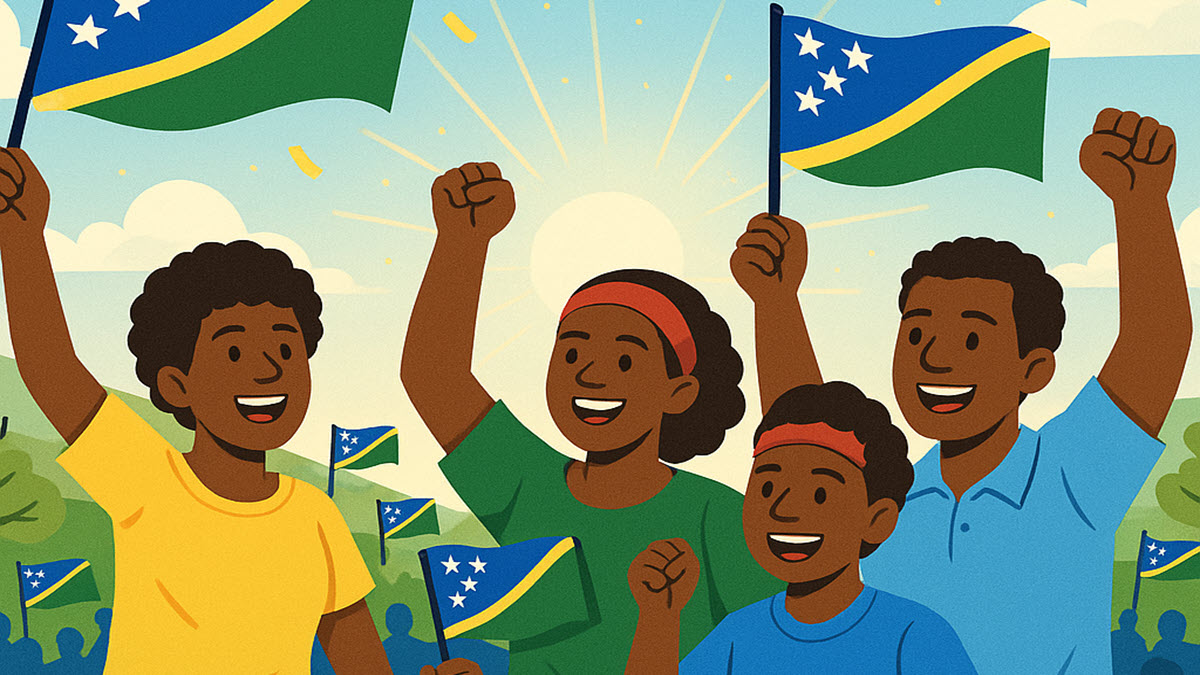
Independence Day (Solomon Islands)
Independence Day in the Solomon Islands commemorates the country’s freedom from British colonial rule on July 7, 1978, celebrated with parades, cultural events and national pride across the islands.
-
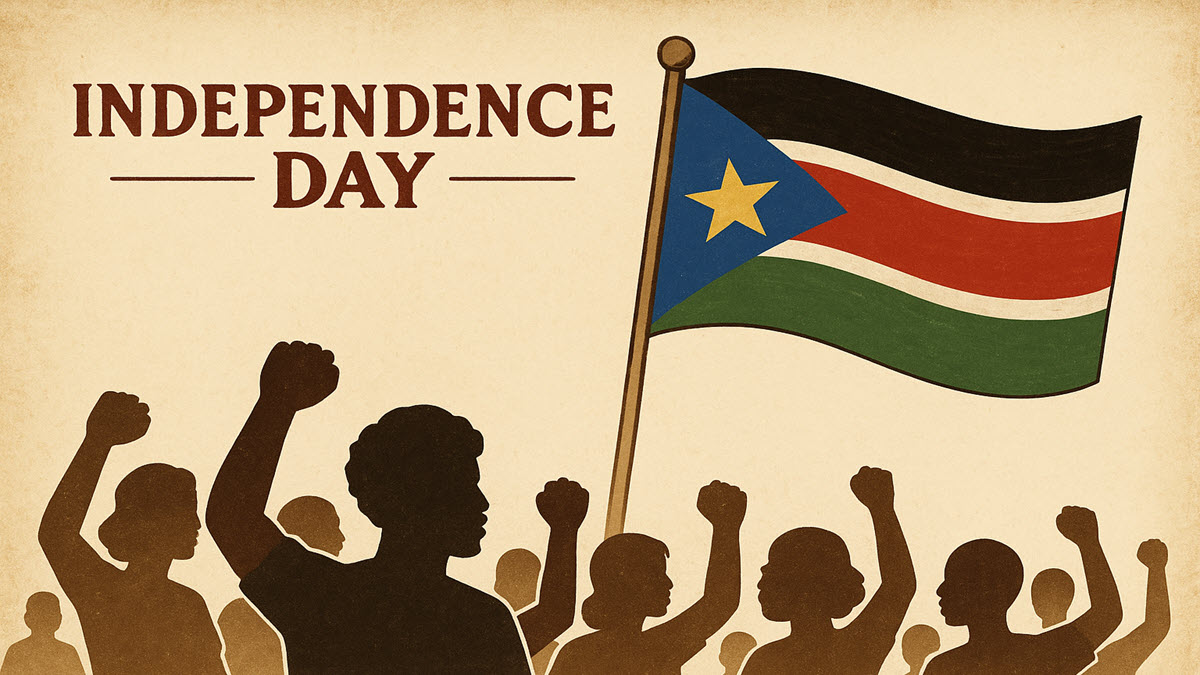
Independence Day (South Sudan)
Independence Day celebrates South Sudan’s birth as a sovereign nation after decades of war, a hard-won referendum, and global recognition as the world’s newest country.
-

Independence Day in The Bahamas
Independence Day in The Bahamas marks the country’s full independence from British colonial rule in 1973, making it a sovereign nation and a proud member of the Commonwealth of Nations.
-
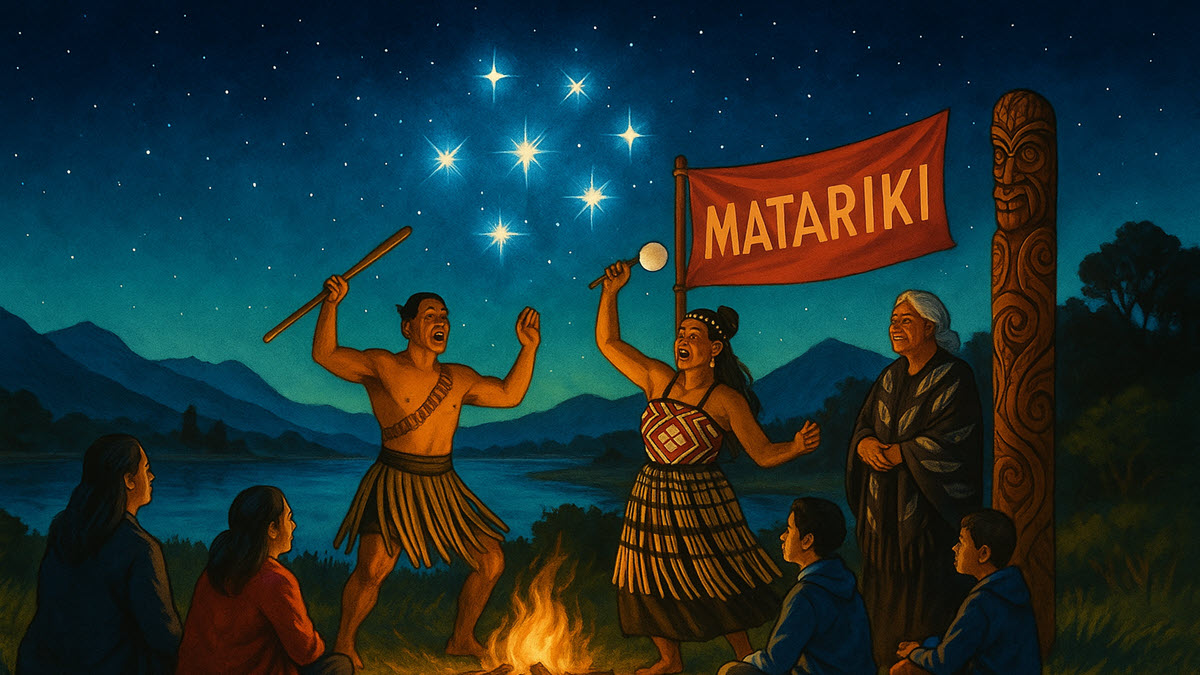
Matariki
Matariki is the Māori New Year in New Zealand, based on the rising of the Matariki star cluster (Pleiades). It is a time of remembrance, celebration, and renewal, officially recognized as a public holiday since 2022.
-
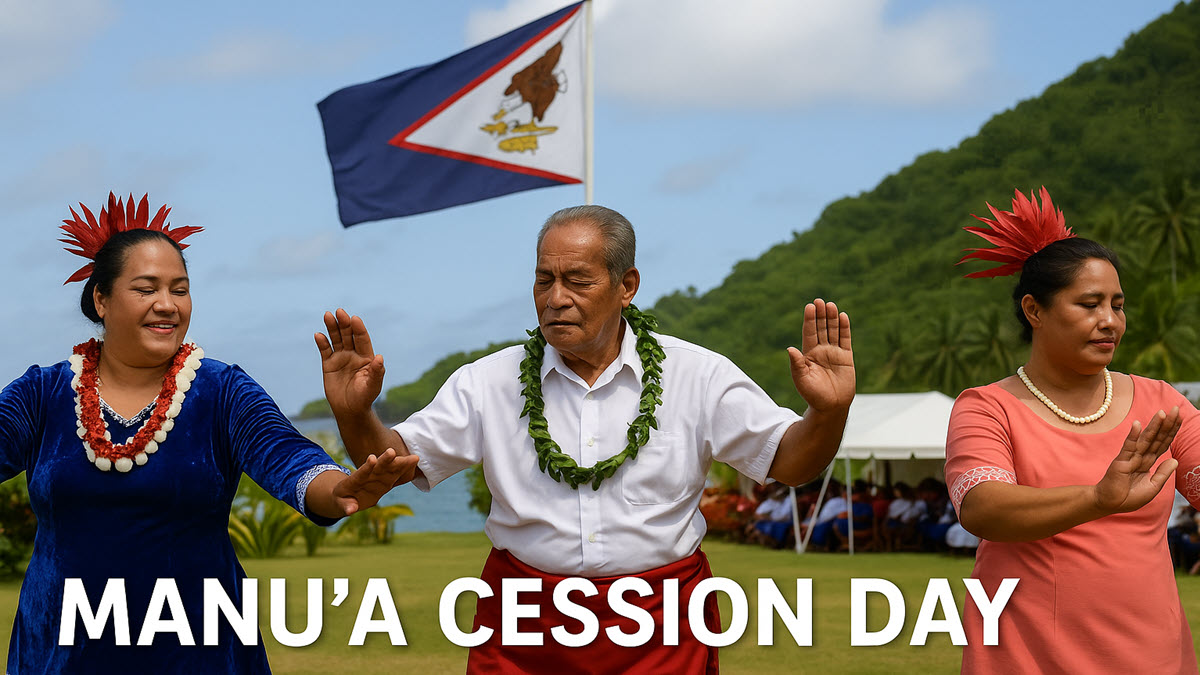
Manu'a Cession Day
Manu'a Cession Day commemorates the anniversary when Tui Manu'a Elisara and other chiefs signed the Treaty of Cession of Manu‘a on July 16, 1904, and the unity of all the Samoan islands within the territory of American Samoa.
-
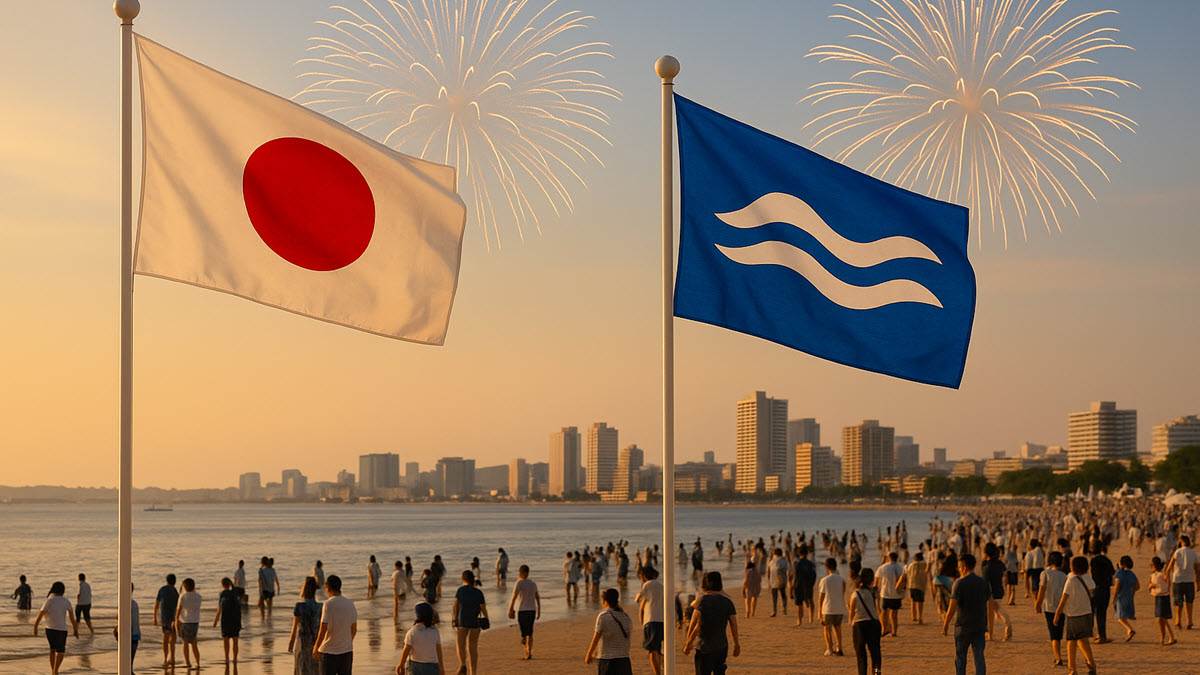
Marine Day (Japan)
Marine Day honors the ocean's importance to Japan as an island nation, recognizing its role in providing food, transportation and prosperity. The holiday encourages appreciation for the sea and maritime culture. Many people visit beaches, participate in ocean-related events, and enjoy fireworks or festivals celebrating Japan's close connection to the sea.
-
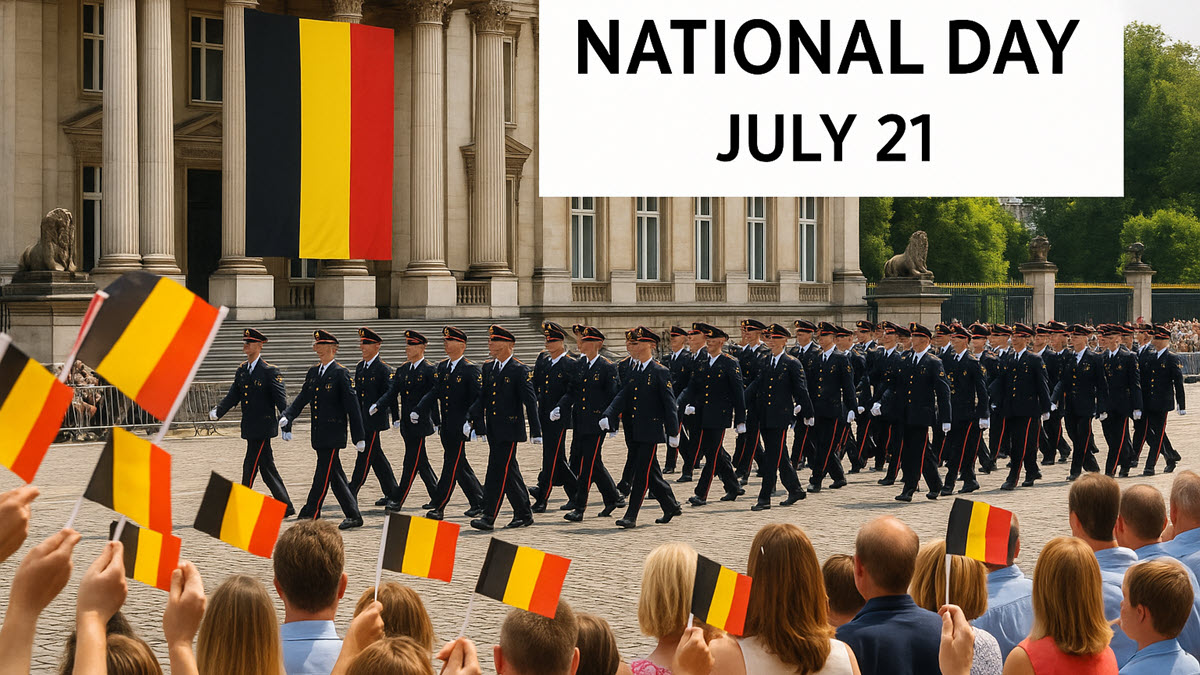
National Day (Belgium)
National Day in Belgium marks the swearing-in of King Leopold I in 1831, the country's first monarch, symbolizing the birth of the independent Belgian state. The day commemorates national unity and pride, featuring a royal military parade in Brussels, flag displays and festive concerts across the country.
-
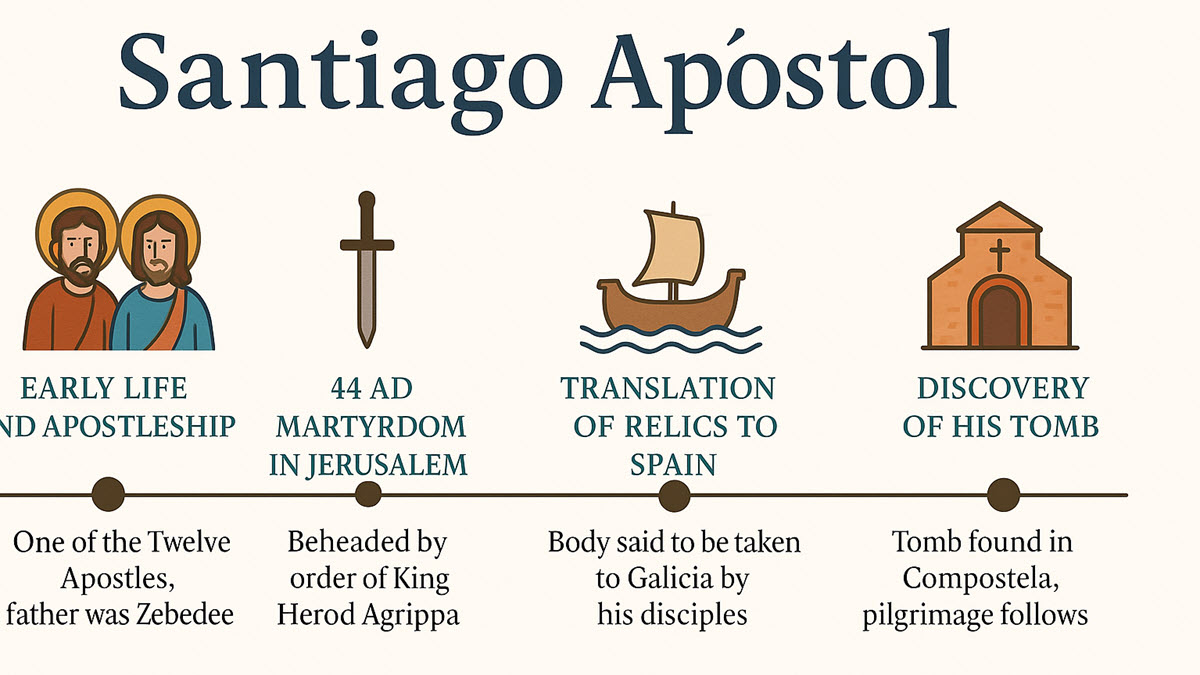
Santiago Apostol
Santiago Apóstol was one of Jesus’s closest disciples and the first apostle to be martyred. His relics, believed to rest in Santiago de Compostela, inspired one of the world’s most important pilgrimage traditions and made him the patron saint of Spain.
-
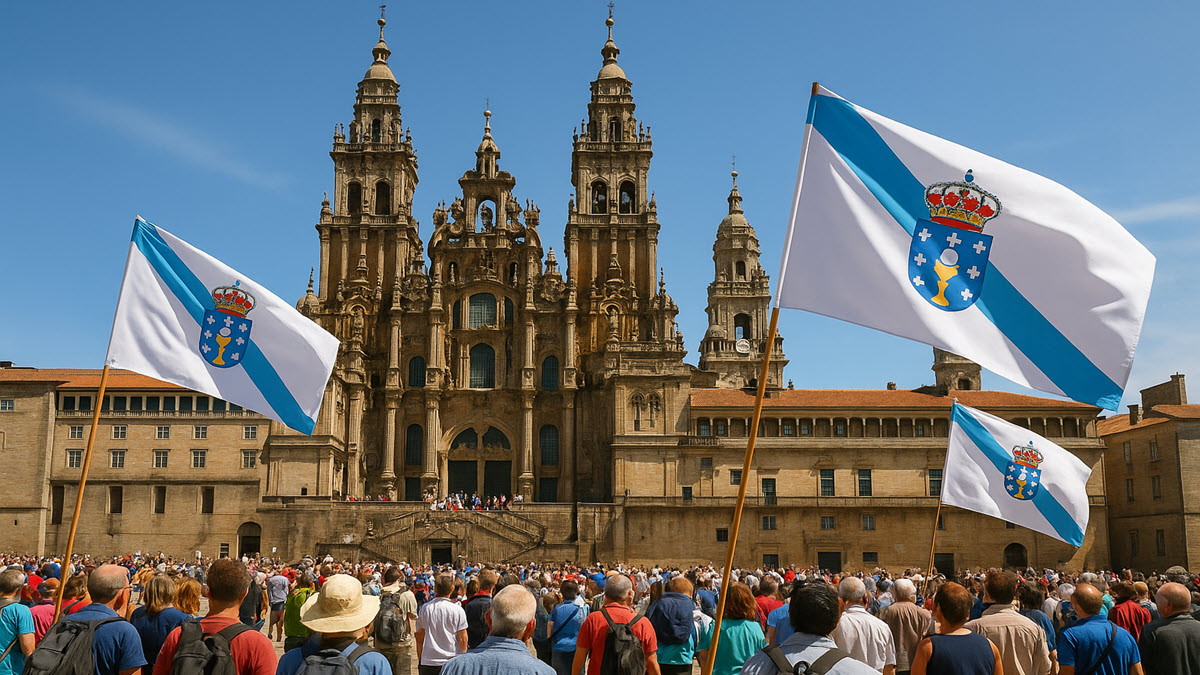
Day of Galicia
The Day of Galicia on is a religious festival honoring Saint James and a national holiday celebrating Galician identity, culture, and language. Born in 1919 as a nationalist movement, suppressed under Franco, and revived after democracy, it remains Galicia’s most important civic and cultural celebration.
-
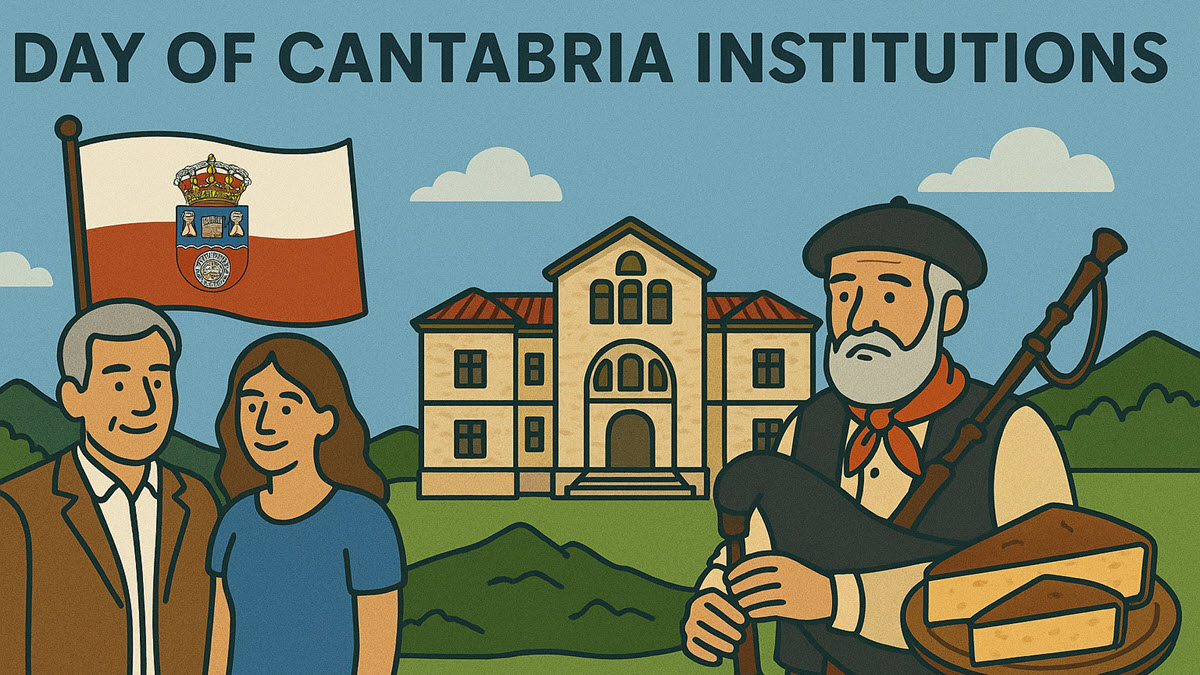
Day of Cantabria Institutions
The Day of the Institutions of Cantabria commemorates the 1778 Assembly in Puente San Miguel, which created the Province of Cantabria and gave the region its first institutional identity. Since the 1990s, it has been celebrated as a symbol of Cantabria’s political and cultural unity.
-

Asalha Puja
Asalha Puja is one of the most sacred Buddhist holidays in Thailand, commemorating the day the Lord Buddha delivered his first sermon, which laid the foundation of the Buddhist faith. The observance of Asalha Puja in Thailand is deeply tied to the country’s religious heritage, monarchy, and Theravāda Buddhist tradition.