Events
-
-
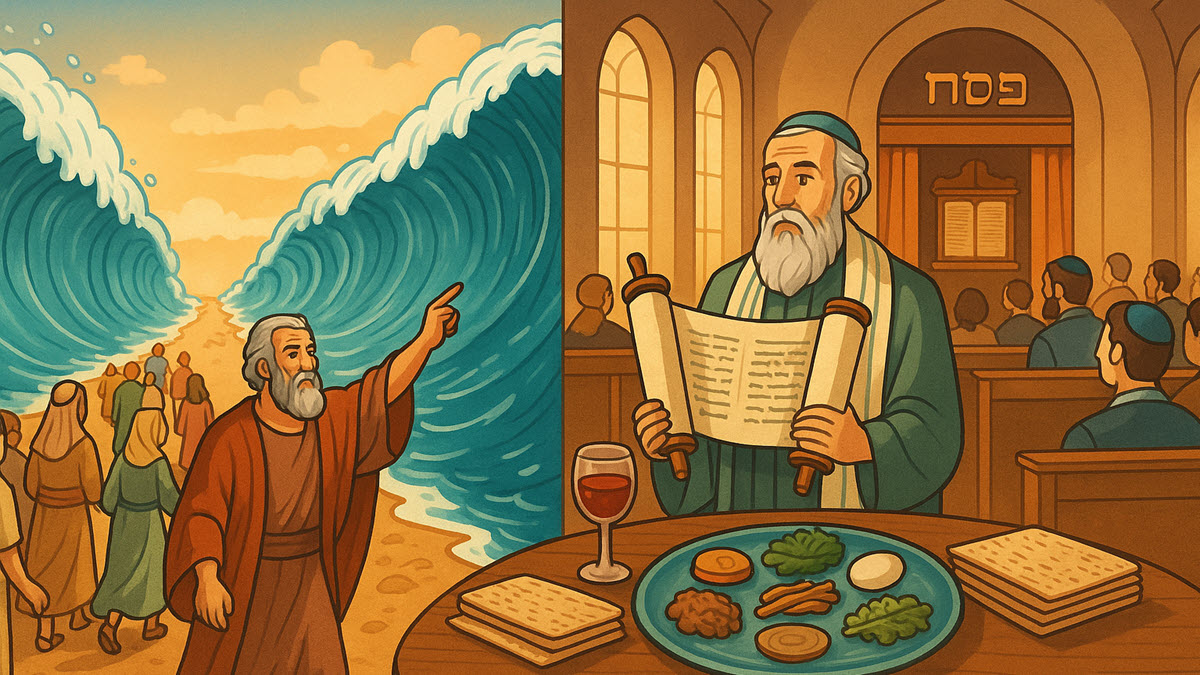
Last Day of Passover
The Last Day of Passover commemorates the crossing of the Red Sea, completing the Israelites' liberation from Egypt. Observed as a holy day, it includes Torah readings, memorial prayers, and festive meals. In Hasidic tradition, the Seudat Moshiach highlights the enduring Jewish hope for ultimate redemption.
-
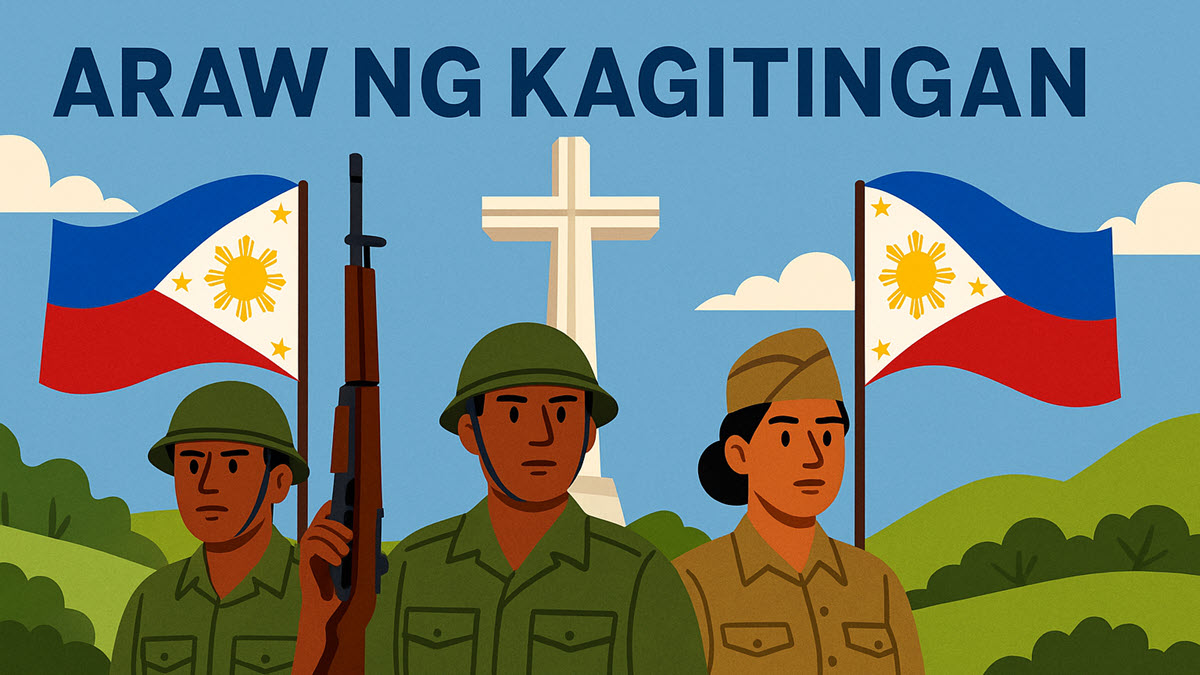
Araw ng Kagitingan
Araw ng Kagitingan commemorates the Fall of Bataan in 1942 and honors the Filipino and American soldiers who fought in WWII and endured the Bataan Death March. Established officially in 1961, it remains a day of remembrance for sacrifice, heroism and resilience.
-
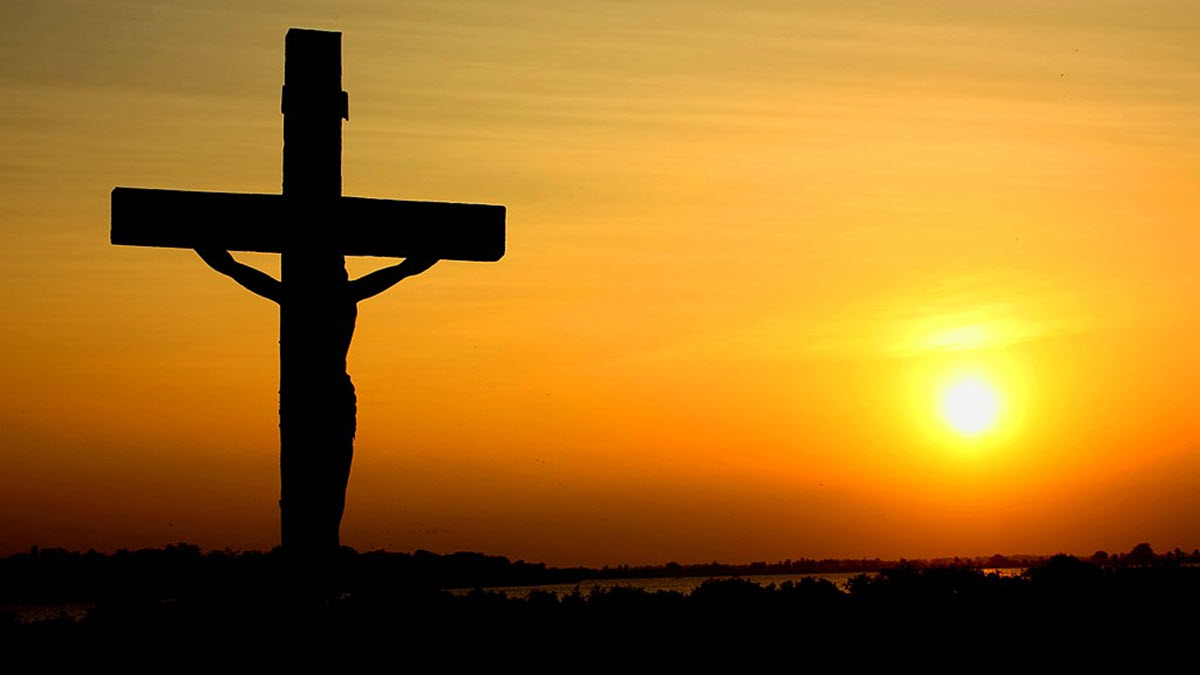
Orthodox Good Friday
Orthodox Good Friday, also known as Great Friday or Holy Friday, is one of the most solemn days in the Eastern Orthodox Church, commemorating the crucifixion and death of Jesus Christ. It is part of the final days of Holy Week, leading up to Orthodox Easter.
-

Songkran
Songkran is the traditional Thai New Year festival, , though festivities often extend longer in different regions. It is one of the most important and joyful festivals in Thailand, famous worldwide for its water-splashing celebrations, but deeply rooted in Buddhist customs, family rituals and cultural renewal.
-
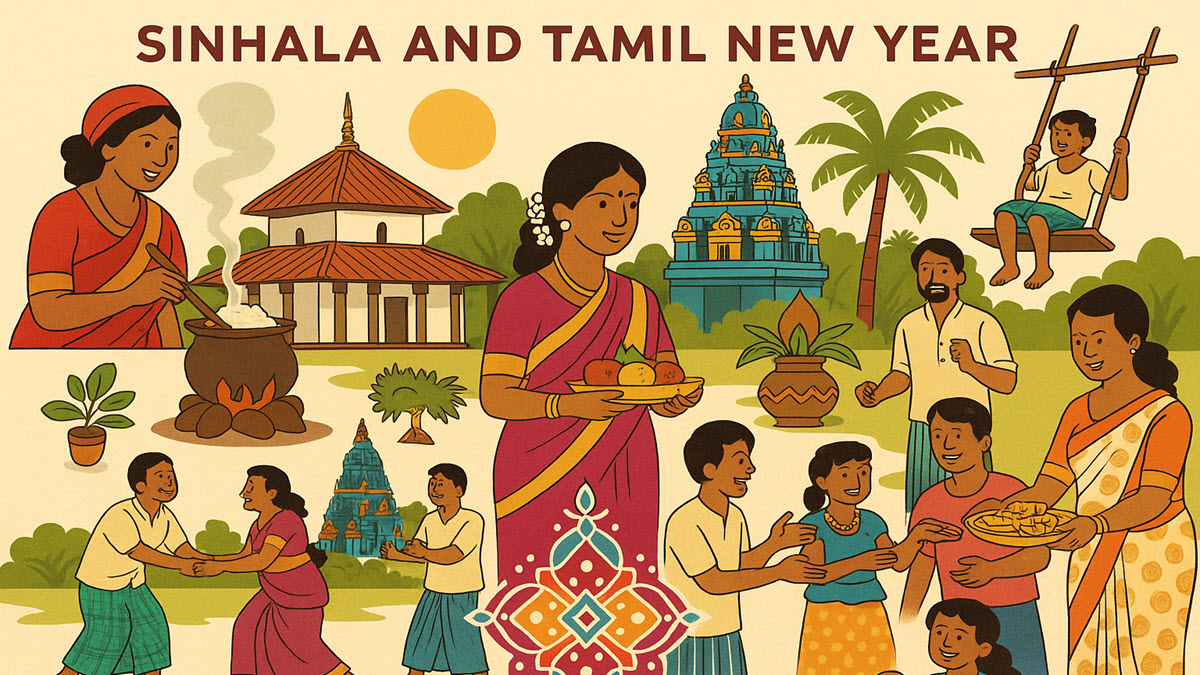
Sinhala and Tamil New Year
The Sinhala and Tamil New Year marks the solar new year and the end of the harvest season in Sri Lanka. It symbolizes prosperity, renewal and cultural unity across Sinhalese Buddhists and Tamil Hindus.
-
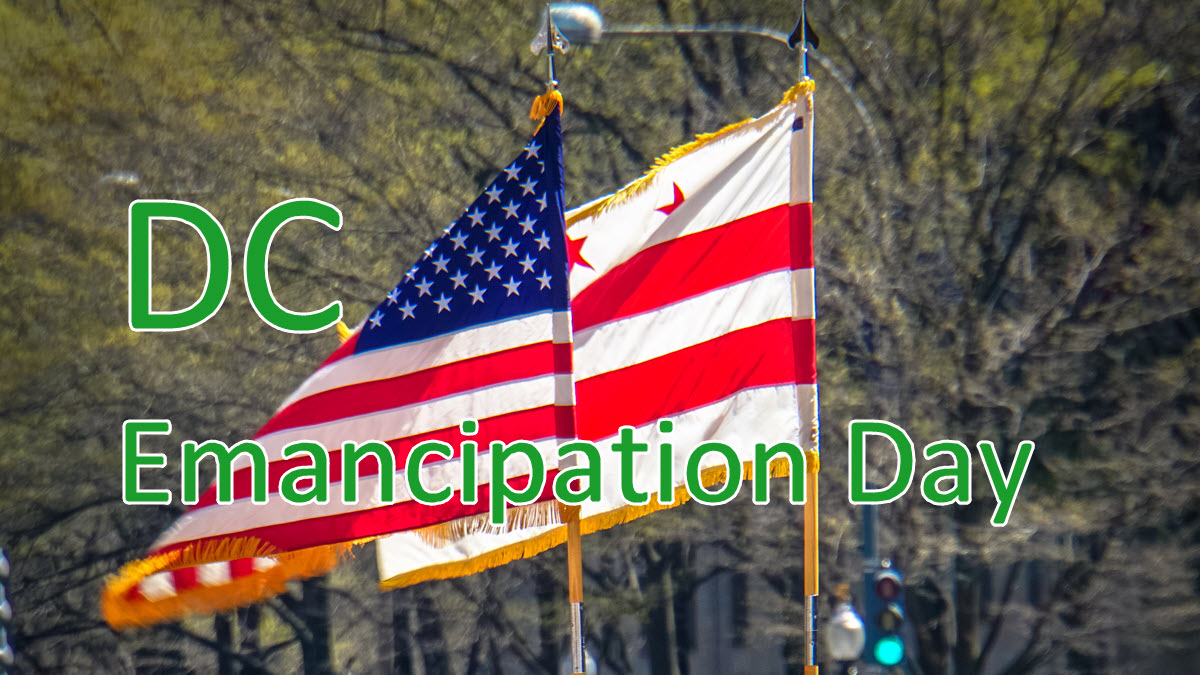
DC Emancipation Day
DC Emancipation Day commemorates the District of Columbia Compensated Emancipation Act of 1862, which ended slavery in Washington, D.C.
-
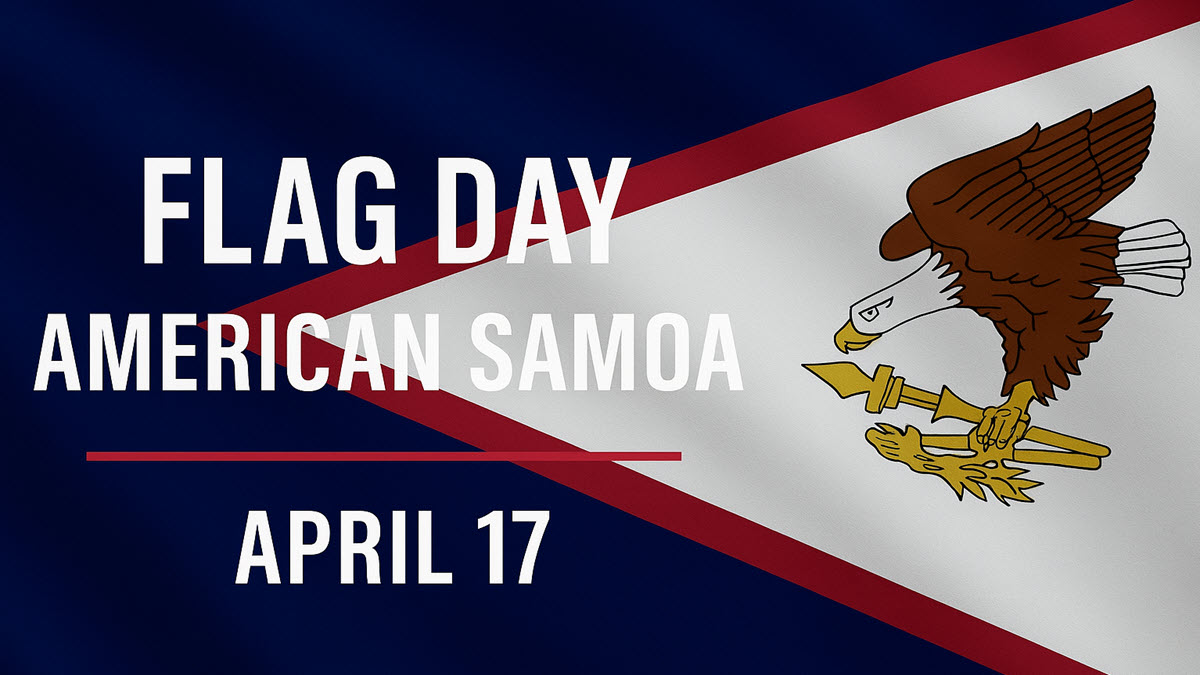
Flag Day (American Samoa)
Flag Day in American Samoa commemorates the day in 1900 when chiefs of Tutuila signed the Treaty of Cession, officially placing American Samoa under U.S. sovereignty. Four years later, the chiefs of Manu‘a also signed a cession agreement, completing the union of the islands with the United States.
-

Landing of the 33 Patriots Day
Landing of the 33 Patriots Day is a national holiday in Uruguay. It commemorates the landing of a revolutionary group known as the Thirty-Three Patriots in 1825, which marked the beginning of Uruguay's struggle for independence from Brazil.
-
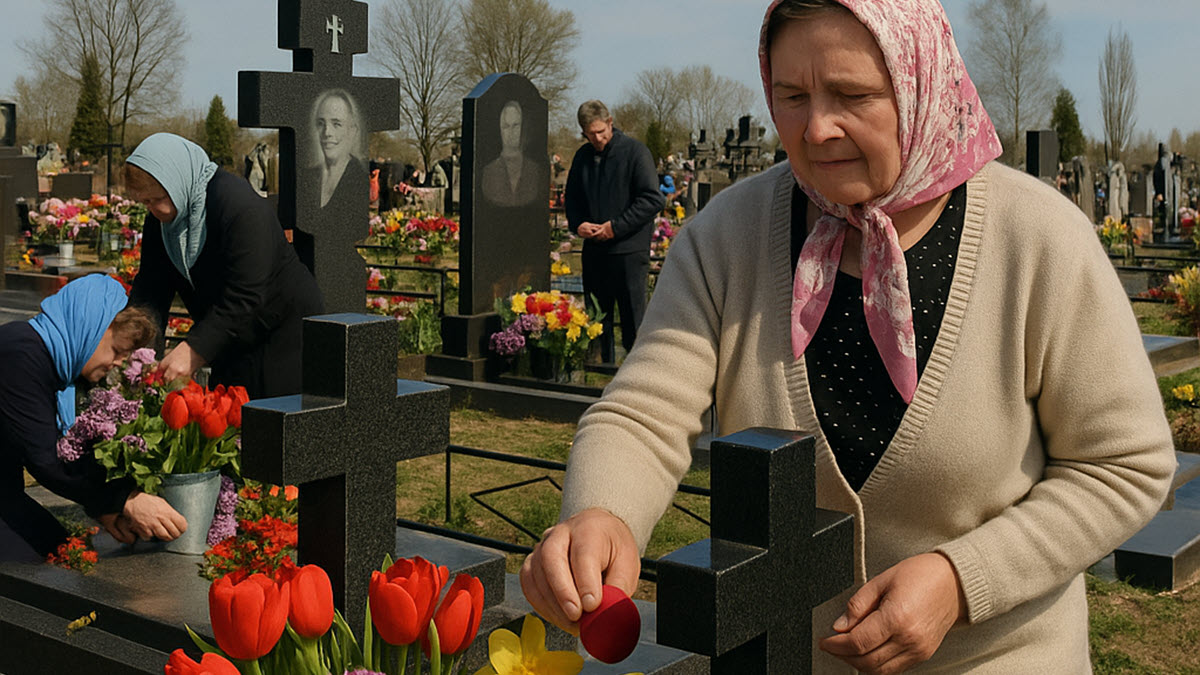
Radonitsa
Radonitsa is an important Eastern Orthodox commemoration of the departed, celebrated in Belarus, Russia, Ukraine, and other Slavic countries. On this day, families visit cemeteries to honor deceased relatives, bringing food, flowers and Easter eggs to their graves as symbols of life and resurrection. In Belarus, Radonitsa is both a religious and public holiday, blending ancient traditions with Christian faith.
-
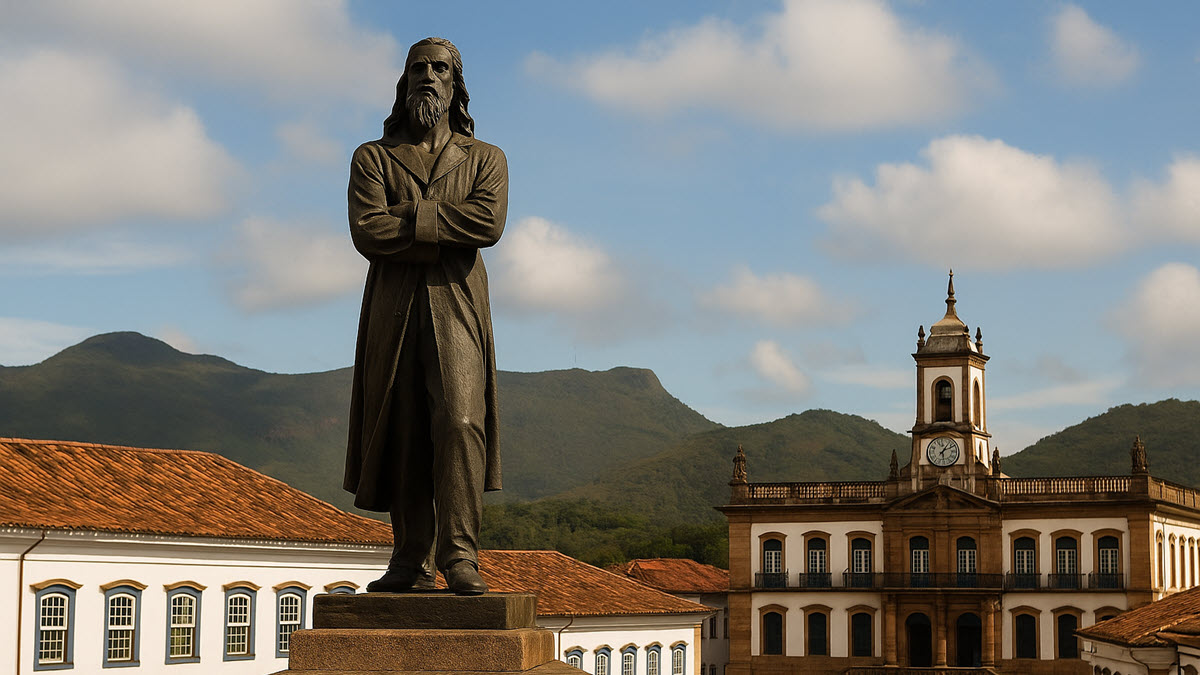
Tiradentes Day
Tiradentes Day honors Joaquim José da Silva Xavier, known as Tiradentes, a national hero of Brazil’s independence movement. He led the Inconfidência Mineira, an 18th-century rebellion against Portuguese colonial rule in Minas Gerais. Though the uprising failed and Tiradentes was executed in 1792, his courage and sacrifice became symbols of freedom and national identity.
-

St. George's Day
St. George’s Day is a Christian feast day celebrated on April 23, in honor of St. George, the patron saint of England, and several other countries and regions.
-

National Sovereignty and Children's Day
National Sovereignty and Children’s Day is a national public holiday in Turkey. It commemorates both the foundation of the Grand National Assembly of Turkey and honors children as the future of the nation. This holiday is unique to Turkey and has deep historical and cultural significance.