Events
-
-
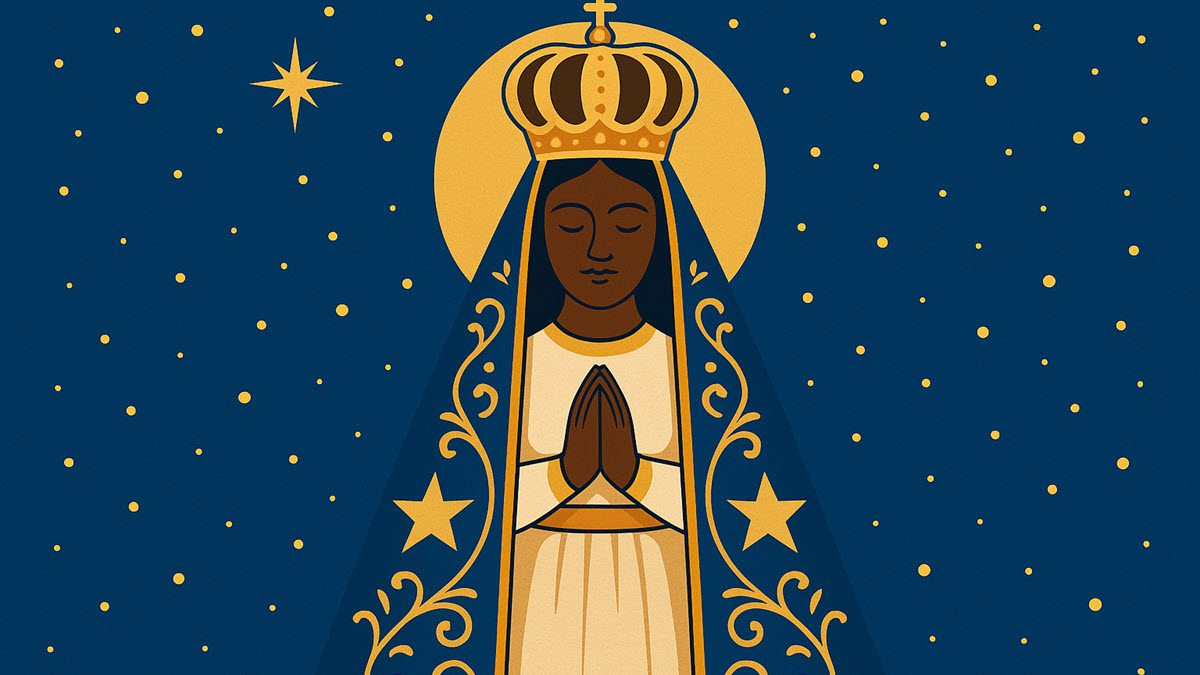
Lady of Aparecida Day (Brazil)
Our Lady of Aparecida Day honors Nossa Senhora Aparecida, the patron saint of Brazil. The day commemorates the 1717 discovery of a small clay statue of the Virgin Mary by fishermen in the Paraíba River, which became a symbol of hope and faith. Over centuries, devotion to Our Lady of Aparecida grew into one of Brazil’s most cherished traditions. Millions of pilgrims visit the Basilica of the National Shrine of Aparecida, one of the largest churches in the world, to pay tribute.
-
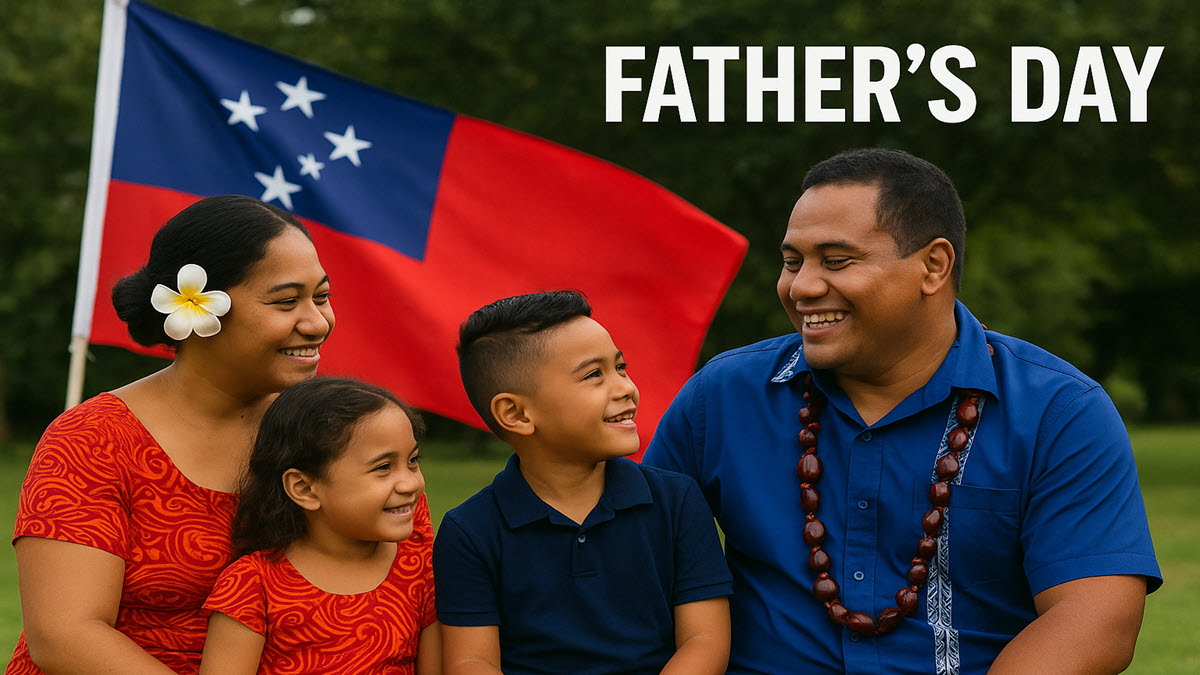
Father's Day (Samoa)
Father’s Day in Samoa honors fathers through church services, family feasts and cultural gatherings, reflecting the central role of fathers in Samoan family and community life.
-
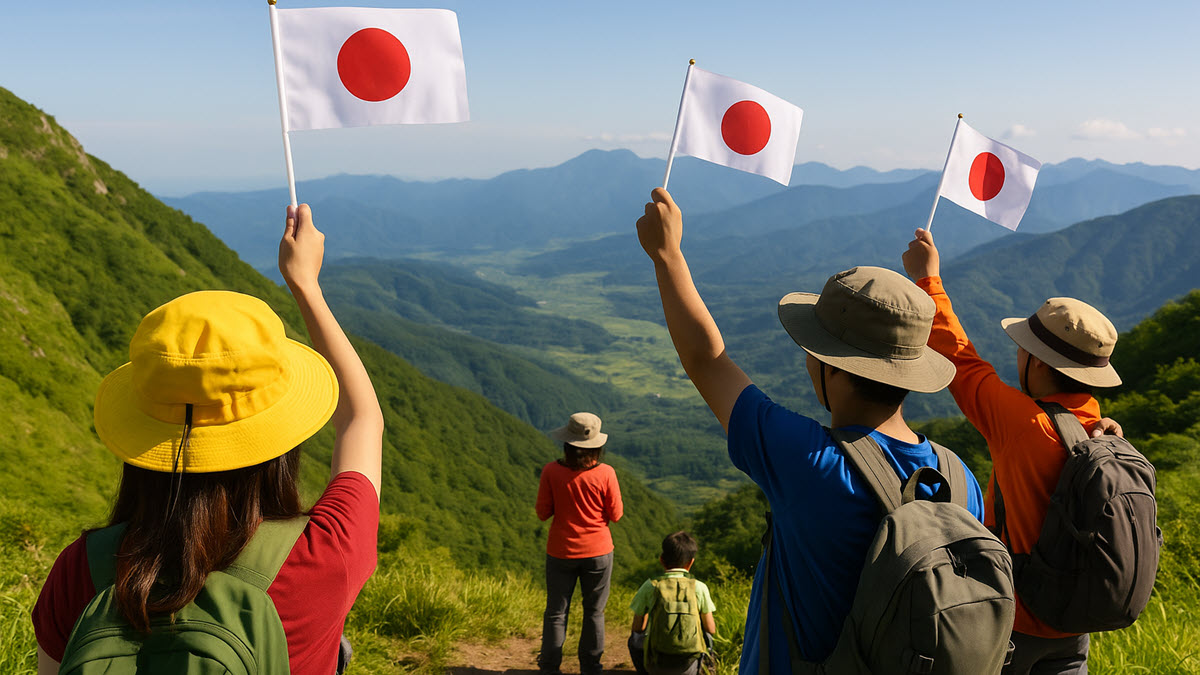
Mountain Day (Japan)
Mountain Day was established to give people an opportunity to appreciate mountains and nature, recognizing their cultural and spiritual importance in Japan's landscape. Many people spend the day hiking, camping, or visiting scenic mountain areas. The holiday highlights Japan's deep respect for nature and encourages outdoor recreation and environmental awareness.
-
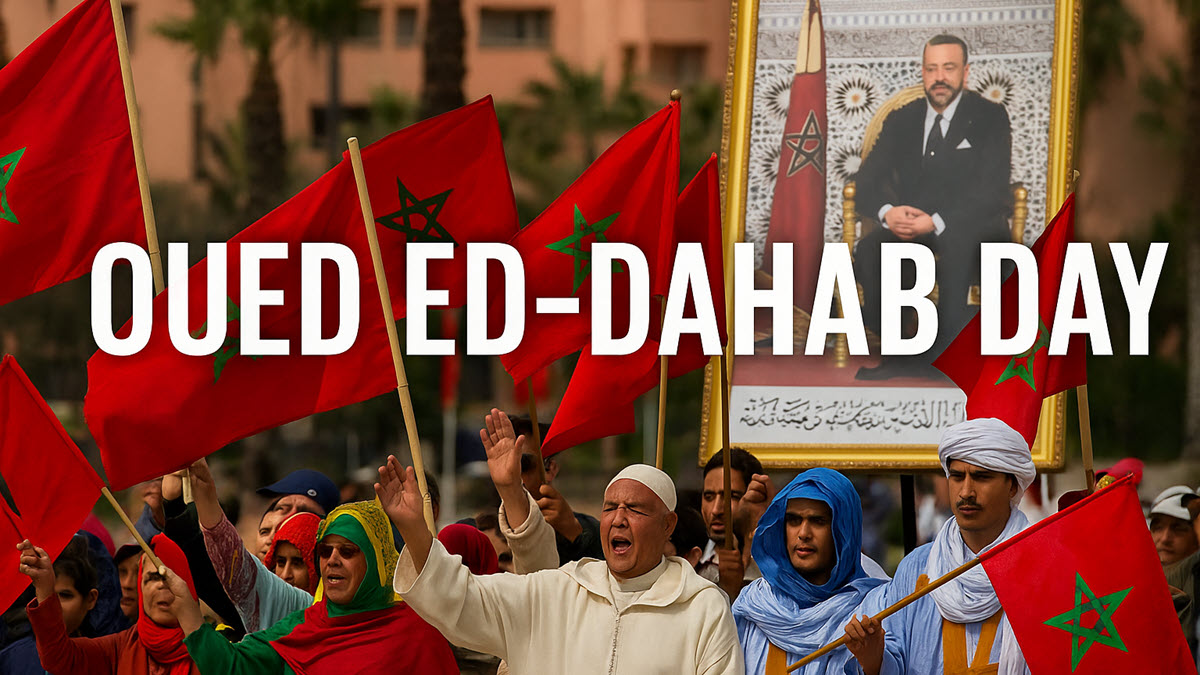
Oued Ed-Dahab Day
Oued Ed-Dahab Day in Morocco commemorates the 1979 reintegration of the Oued Ed-Dahab region into Morocco, celebrating national unity, sovereignty, and the completion of the kingdom’s territorial integrity.
-
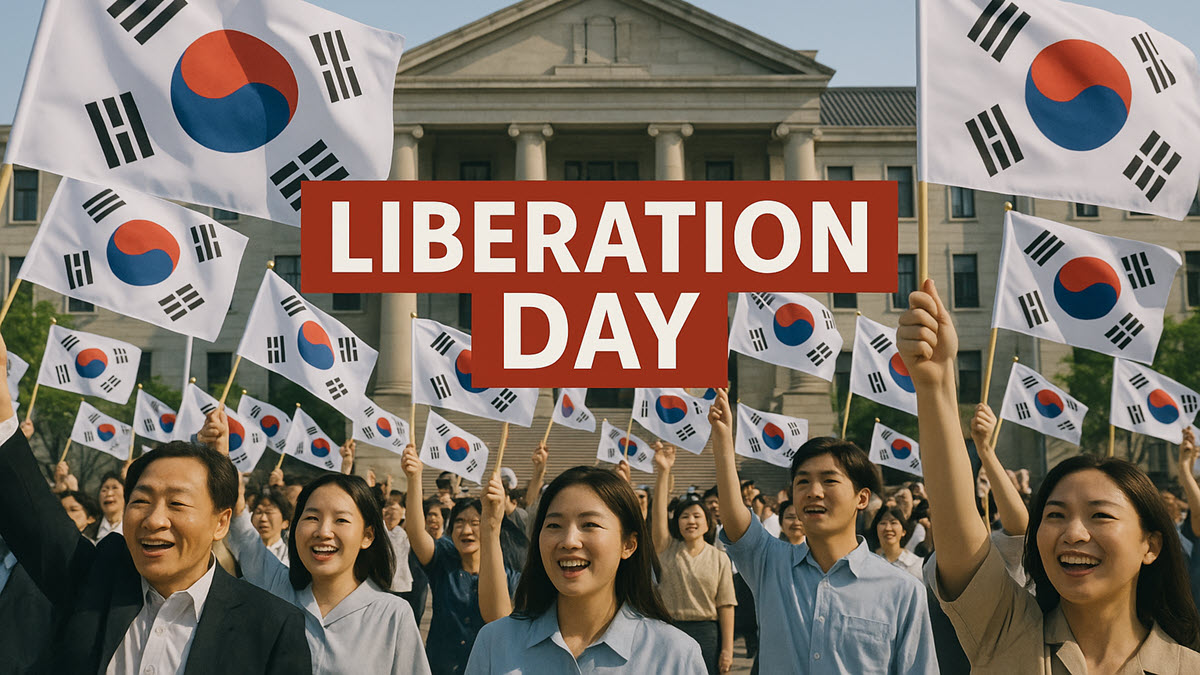
Liberation Day (South Korea)
Liberation Day marks both Korea’s liberation from Japan in 1945 and the founding of the Republic of Korea in 1948. It was officially declared a holiday in 1949 and is celebrated each year as a day of remembrance, pride, and national unity.
-
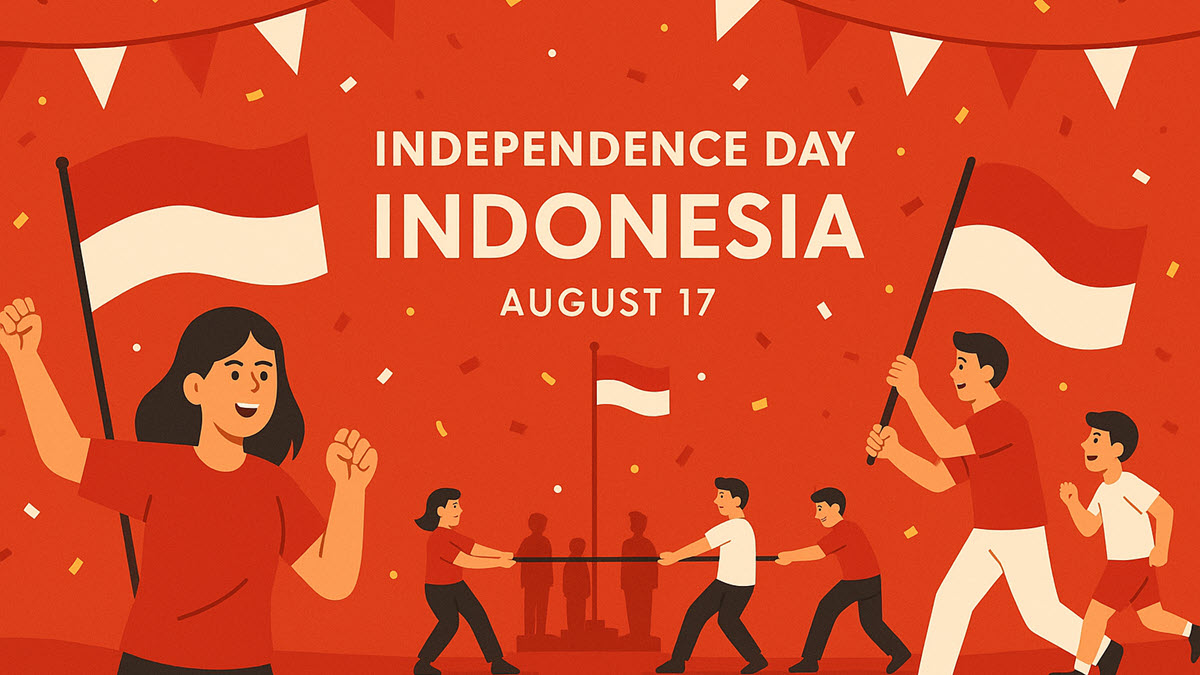
Independence Day (Indonesia)
Independence Day, or Hari Kemerdekaan, commemorates Indonesia’s proclamation of independence from Dutch colonial rule in 1945. On this day, Sukarno and Mohammad Hatta declared Indonesia a sovereign nation, marking the birth of the Republic.
-
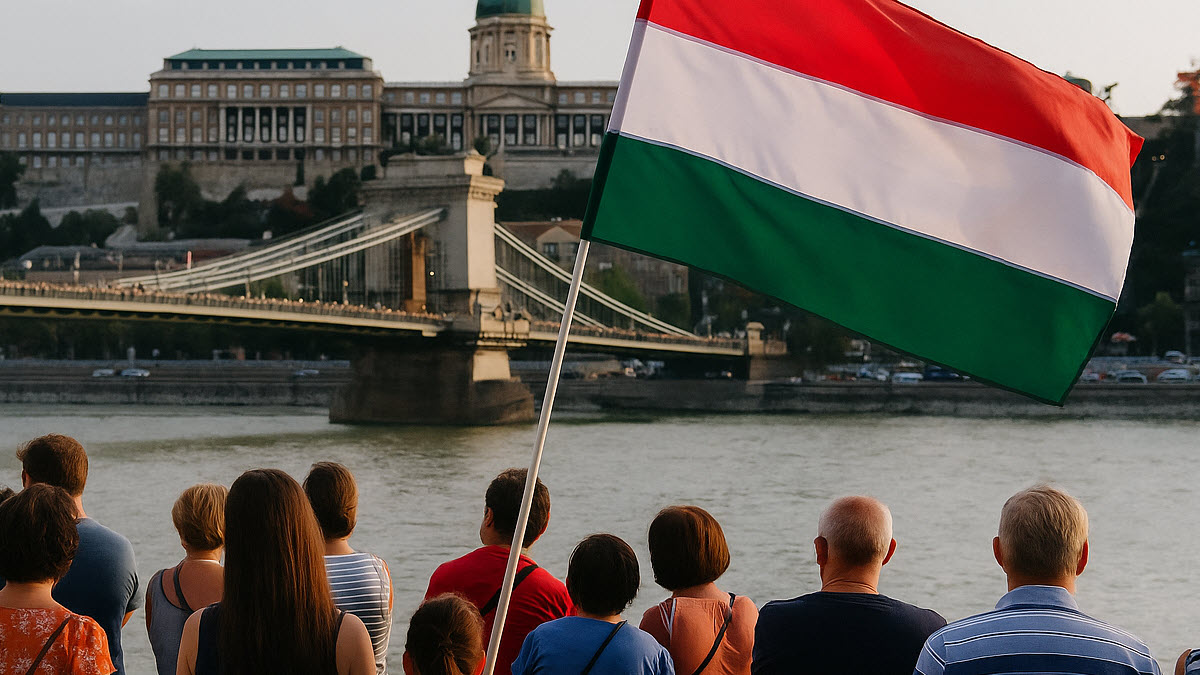
National Day (Hungary)
National Day in Hungary honors St. Stephen I, the nation's first king and founder of the Hungarian state. Marked by church processions, parades and grand fireworks over the Danube, it symbolizes Hungary's statehood, Christian heritage and national unity.
-
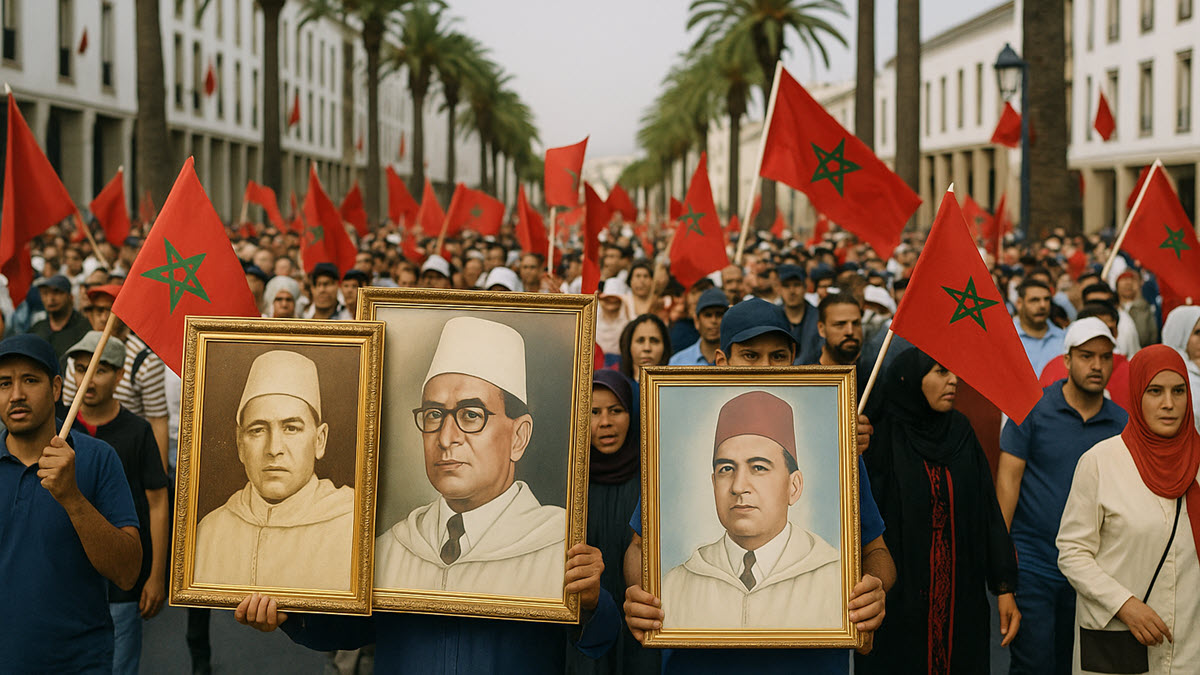
Revolution Day (Morocco)
Revolution Day in Morocco commemorates the 1953 exile of King Mohammed V by French colonial authorities and the ensuing national uprising, symbolizing Morocco’s unity, resistance, and struggle for independence.
-
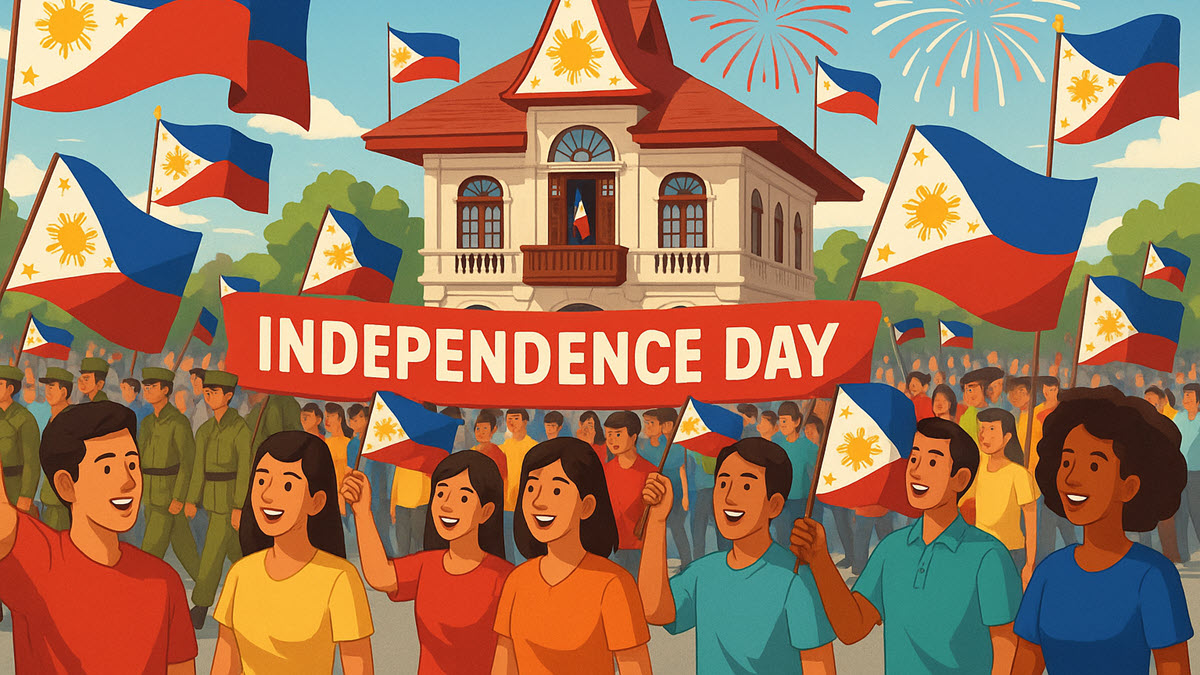
Ninoy Aquino Day
Ninoy Aquino Day honors the life and sacrifice of Senator Benigno “Ninoy” Aquino Jr., whose assassination in 1983 helped ignite the movement that toppled dictatorship and restored democracy in the Philippines.
-
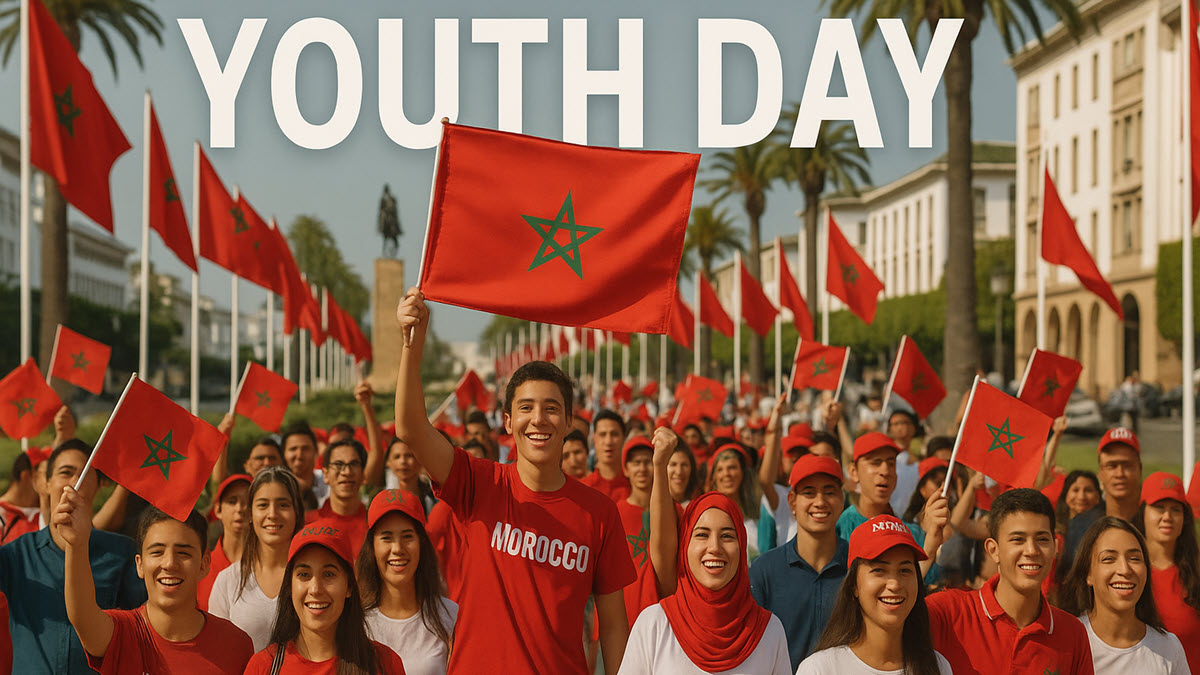
Youth Day (Morocco)
Youth Day in Morocco honors the nation's young people and coincides with the birthday of King Mohammed VI, symbolizing Morocco's investment in youth, education and the future of the country.
-
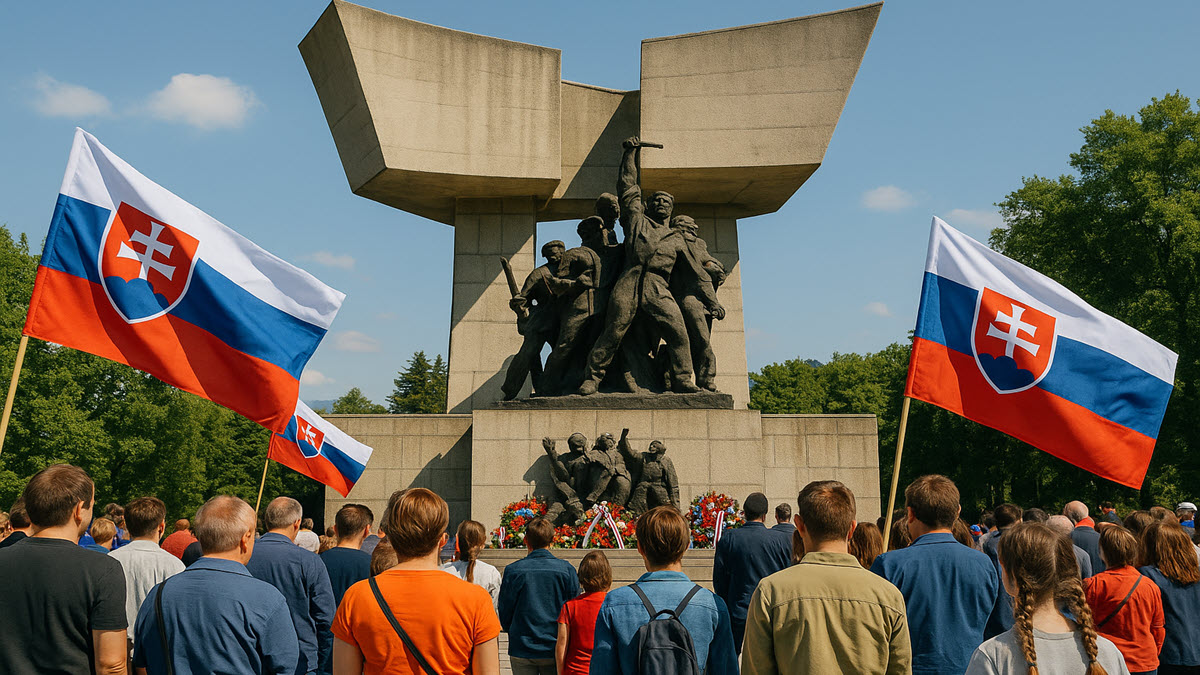
National Uprising Day (Slovakia)
National Uprising Day marks the 1944 Slovak National Uprising against Nazi occupation and the fascist Slovak regime. Though suppressed, it remains a key symbol of Slovakia’s fight for freedom and is honored today as one of the country’s most important national holidays.
-
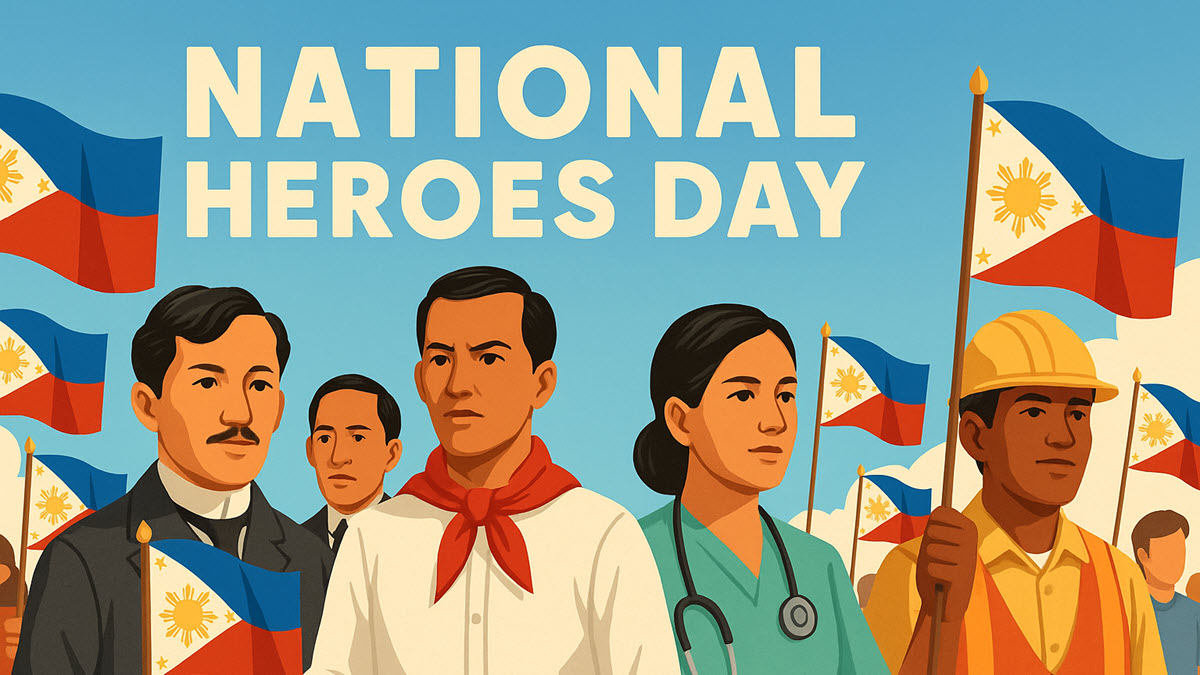
National Heroes Day (Philippines)
National Heroes Day in the Philippines honors all Filipino heroes, past and present, who sacrificed for independence, freedom, and nation-building. It is a day of remembrance, gratitude, and inspiration for future generations.