Events
-
-
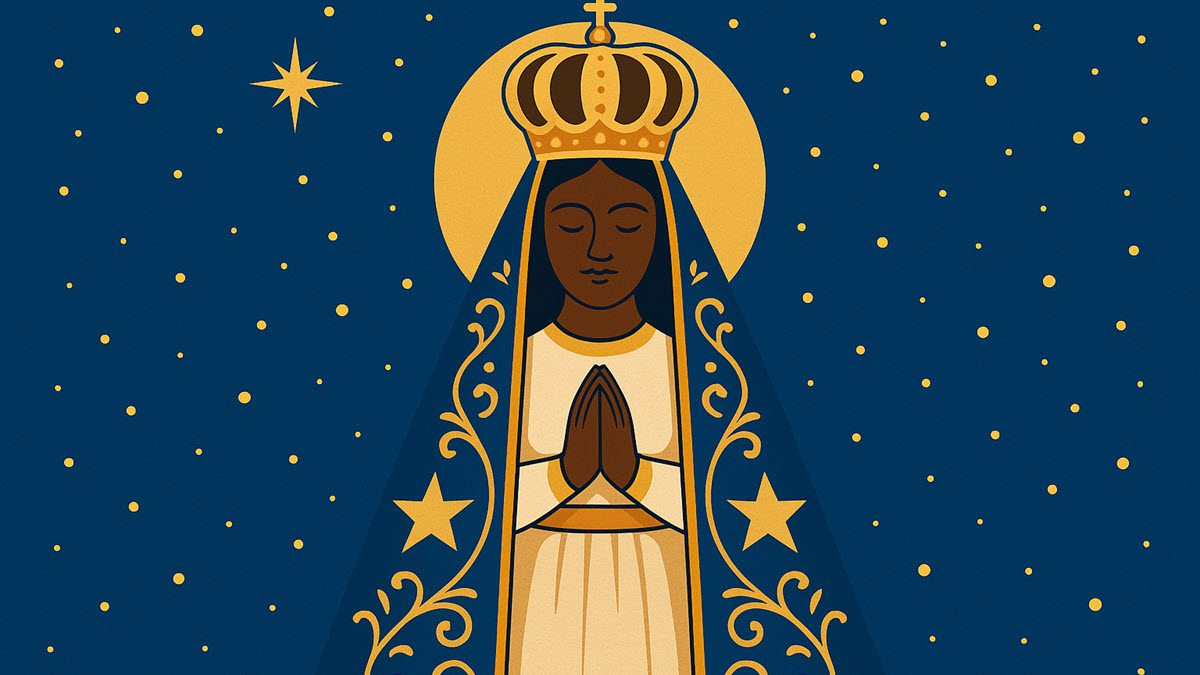
Lady of Aparecida Day (Brazil)
Our Lady of Aparecida Day honors Nossa Senhora Aparecida, the patron saint of Brazil. The day commemorates the 1717 discovery of a small clay statue of the Virgin Mary by fishermen in the Paraíba River, which became a symbol of hope and faith. Over centuries, devotion to Our Lady of Aparecida grew into one of Brazil’s most cherished traditions. Millions of pilgrims visit the Basilica of the National Shrine of Aparecida, one of the largest churches in the world, to pay tribute.
-
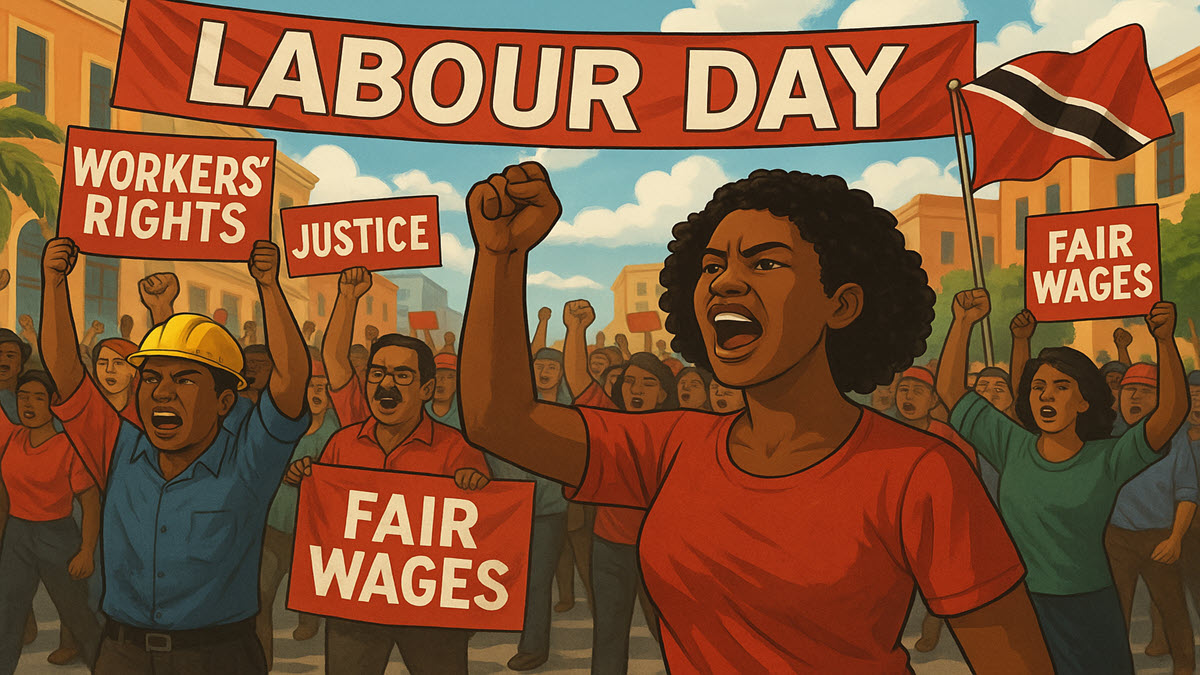
Labour Day Trinidad and Tobago
Labour Day in Trinidad and Tobago is a national public holiday. It commemorates the 1937 labour uprising, led by Tubar Uriah "Buzz" Butler, which gave rise to the country’s modern trade union movement.
-
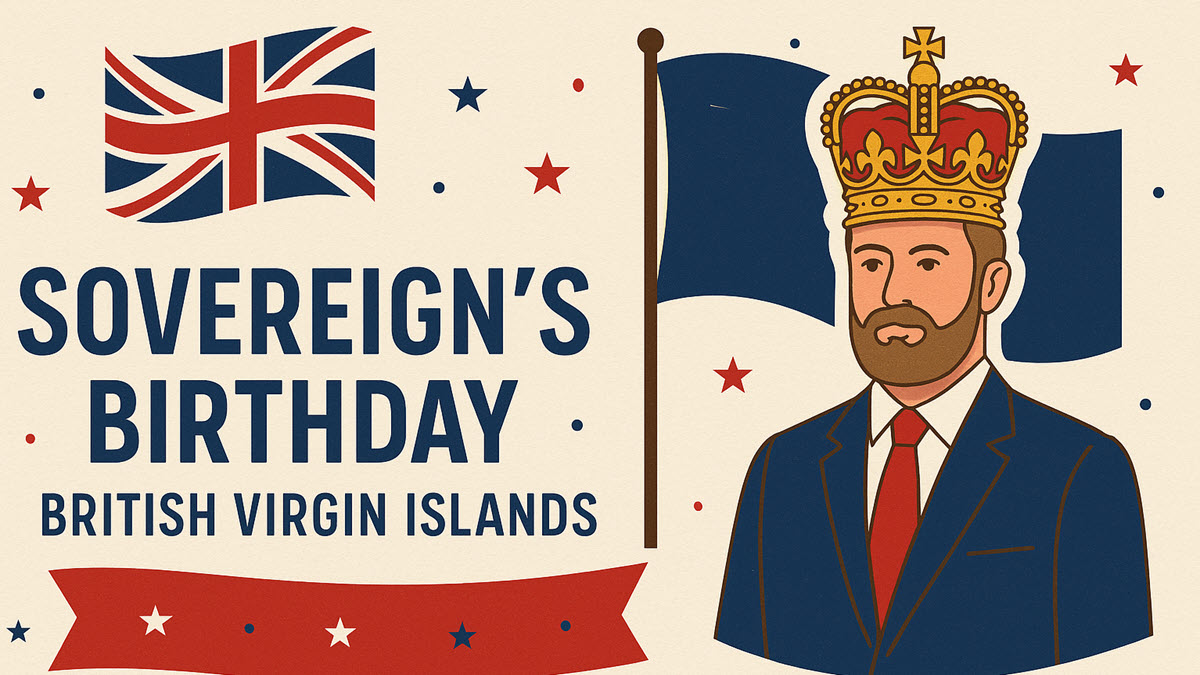
Sovereign's Birthday (BVI)
Sovereign's Birthday in the British Virgin Islands (BVI) marks the official birthday of the reigning British monarch, a long-standing tradition in many Commonwealth territories.
-
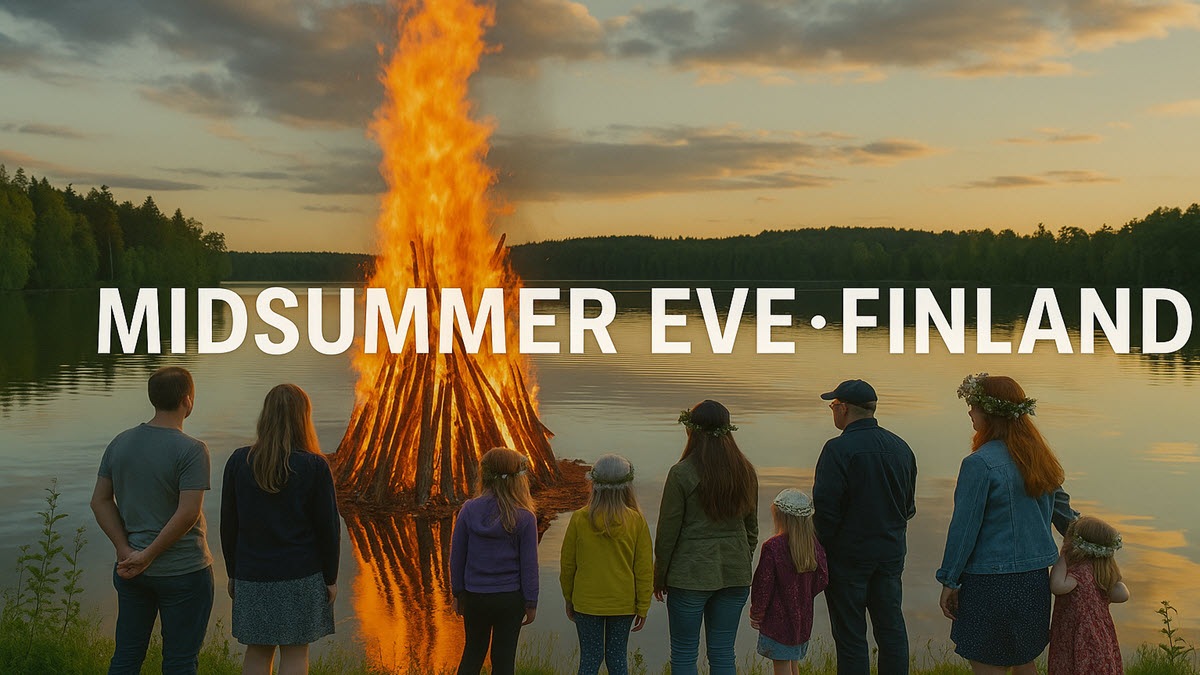
Midsummer Eve (Finland)
Midsummer Eve (Juhannusaatto) in Finland is often considered more important than Midsummer Day itself. Families and friends gather at summer cottages for saunas, bonfires and midnight sun festivities, blending ancient folk rituals with modern summer traditions.
-
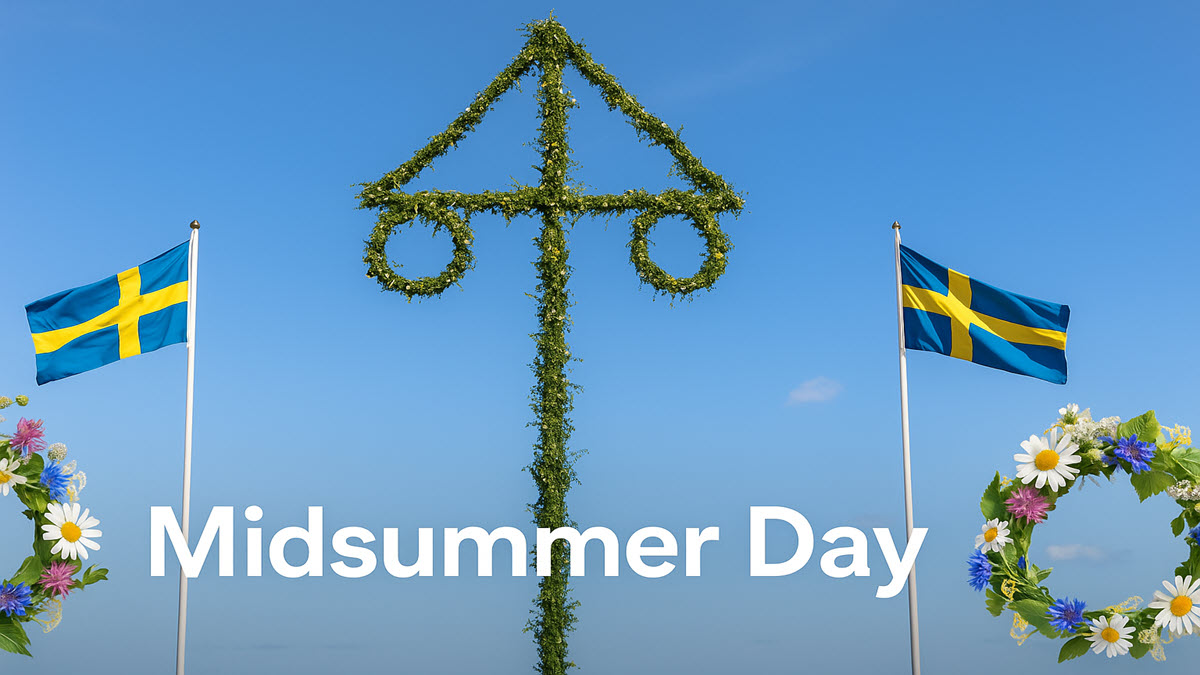
Midsummer Day Sweden
Midsummer Day in Sweden is rooted in solstice traditions. It is one of Sweden’s most cherished holidays, marking the arrival of summer. The highlight is Midsummer Eve, with maypole dancing, flower wreaths, traditional foods like herring and strawberries, and folklore rituals.
-
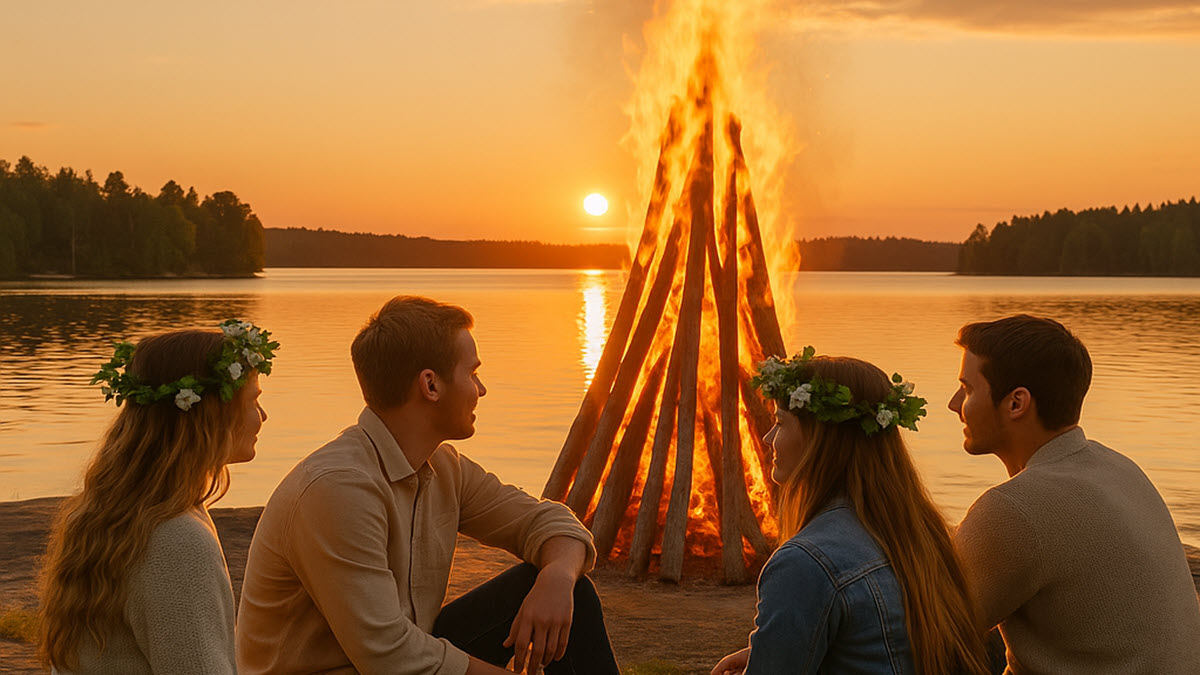
Midsummer Day (Finland)
Midsummer Day (Juhannus) in Finland marks the summer solstice and the Day of the Finnish Flag. Families gather at summer cottages, light bonfires, enjoy saunas, and celebrate under the midnight sun, making it one of Finland’s most cherished holidays.
-
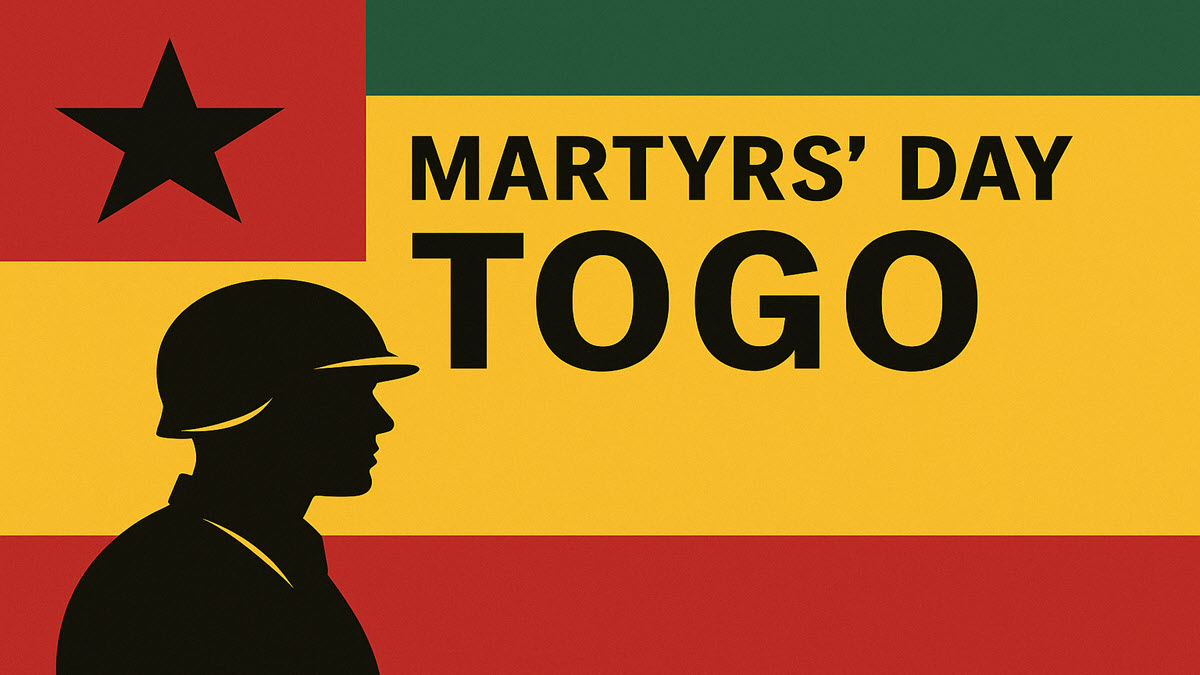
Martyrs' Day in Togo
Martyrs' Day in Togo is to honors all those who died fighting for Togo’s independence and democratic freedom, both during the colonial era and in the years following independence.
-
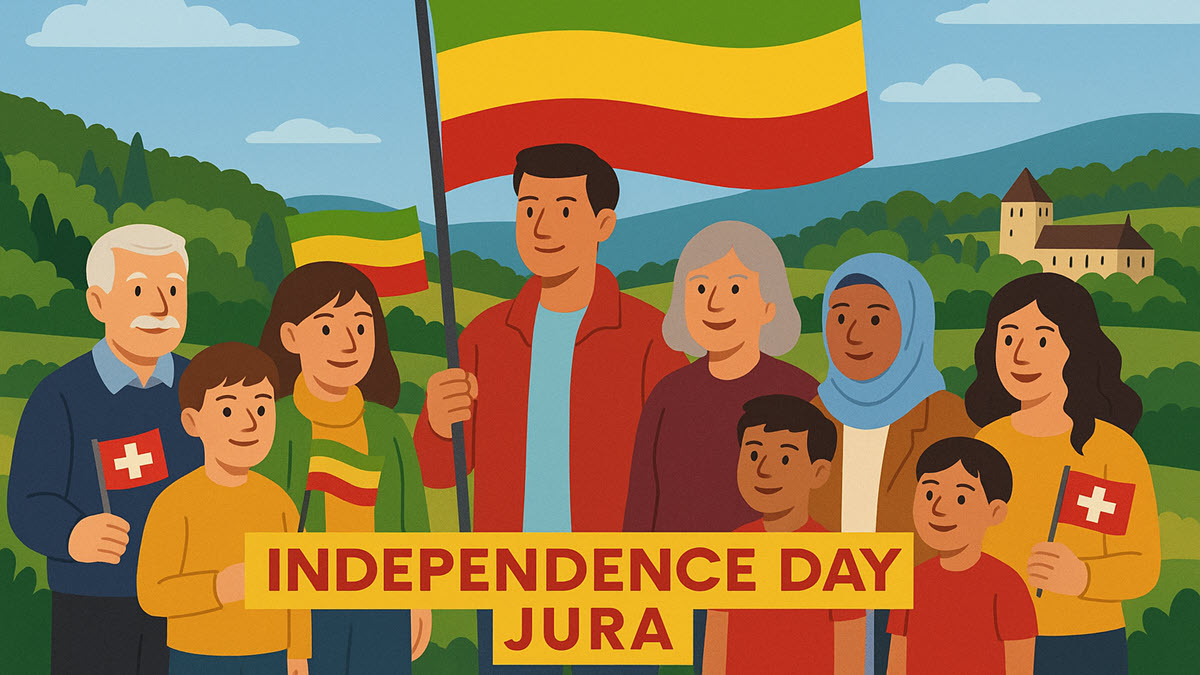
Independence Day Jura
Jura Independence Day marks a pivotal moment in Swiss history, the peaceful separation of the predominantly French-speaking and Catholic region of Jura from the largely German-speaking and Protestant Canton of Bern. The holiday commemorating the 1974 plebiscite in which parts of Jura voted to form their own canton.
-
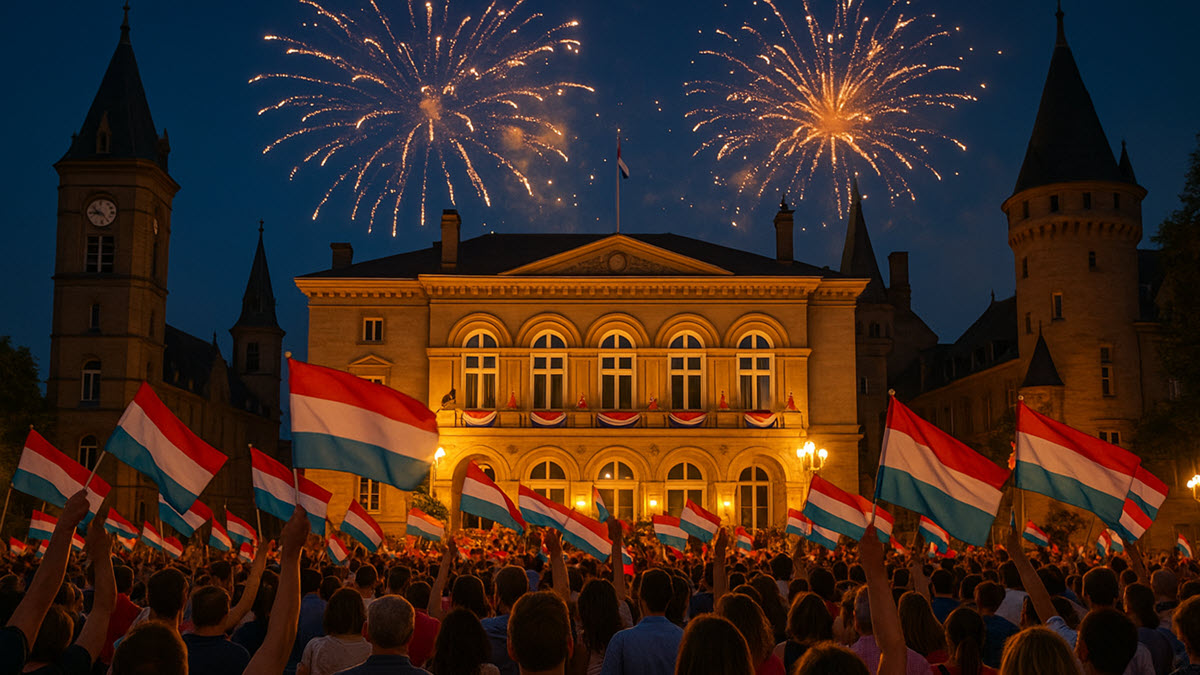
National Day (Luxembourg)
National Day in Luxembourg honors the Grand Duke’s official birthday and serves as the country’s national holiday. Originally linked to the monarch’s birthday, the date was fixed in 1961 to ensure pleasant summer weather. Across the country, towns host concerts, cultural events, and family gatherings, making it a joyful celebration of Luxembourg’s heritage, monarchy, and independence.
-
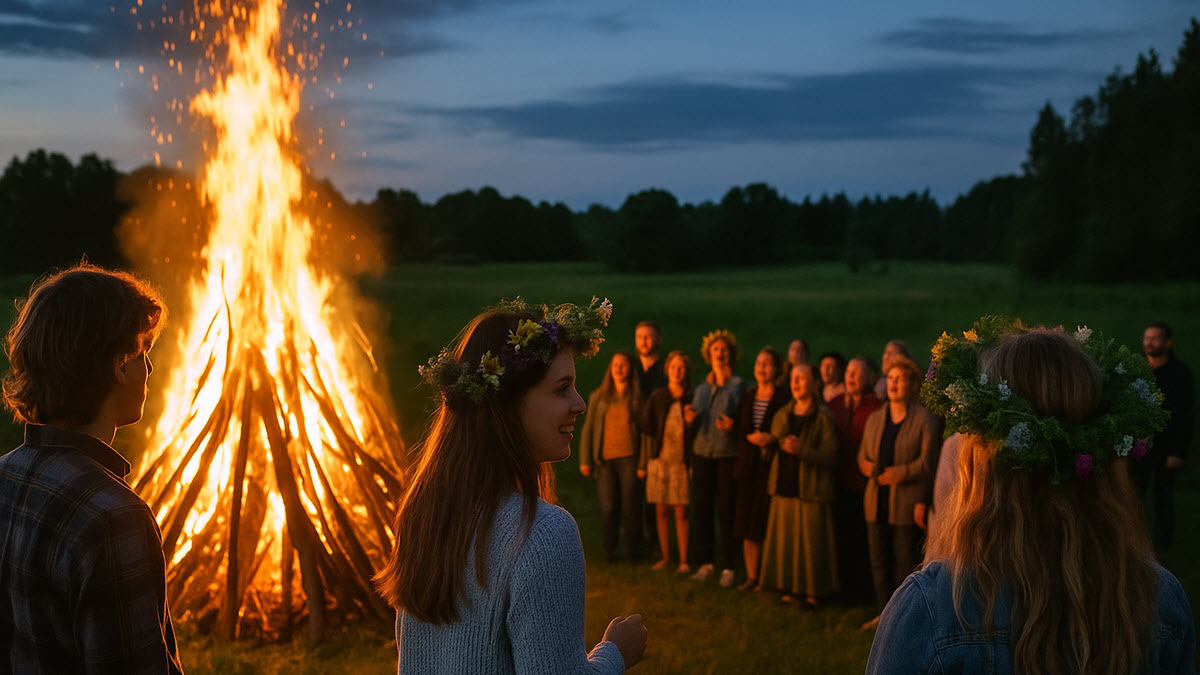
Midsummer Eve (Latvia)
Midsummer Eve in Latvia, known as Līgo Vakars, is celebrated with bonfires, songs, dancing and flower wreaths. It honors ancient pagan traditions of nature, fertility and the summer solstice, symbolizing light's triumph over darkness.
-
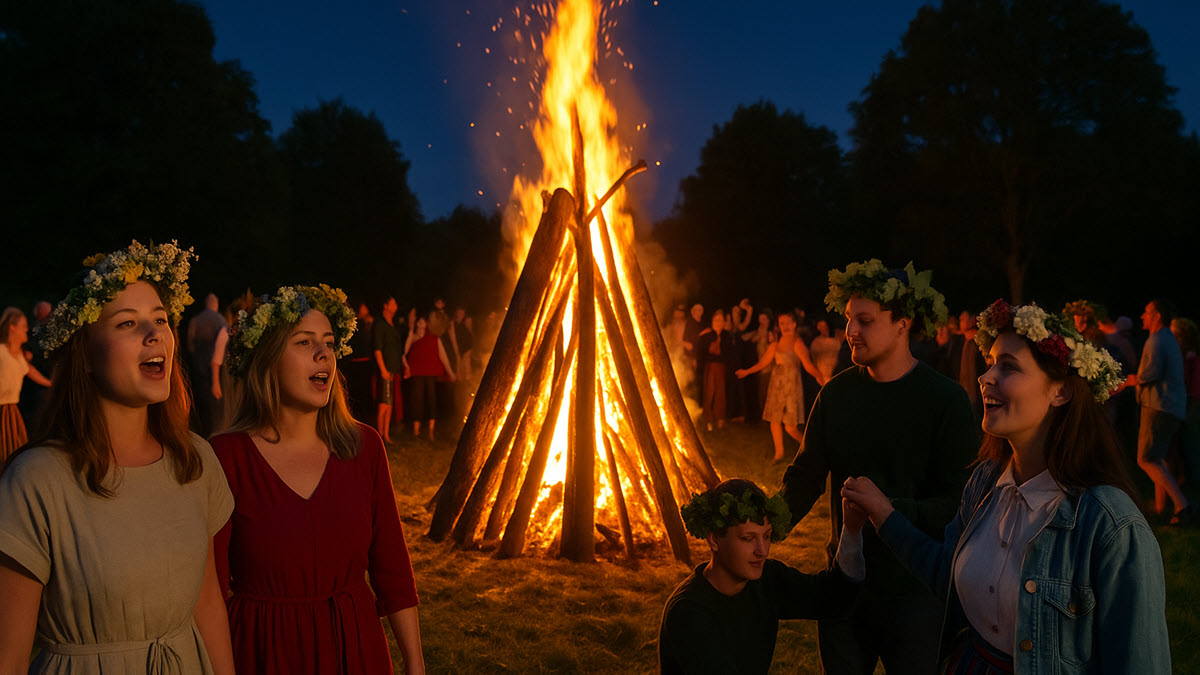
Midsummer Day (Latvia)
Midsummer Day in Latvia, known as Jāņi, is the peak of the summer solstice. It honors nature’s vitality and fertility with bonfires, folk songs, wreaths, and feasts, symbolizing joy, renewal and Latvia’s ancient traditions.
-
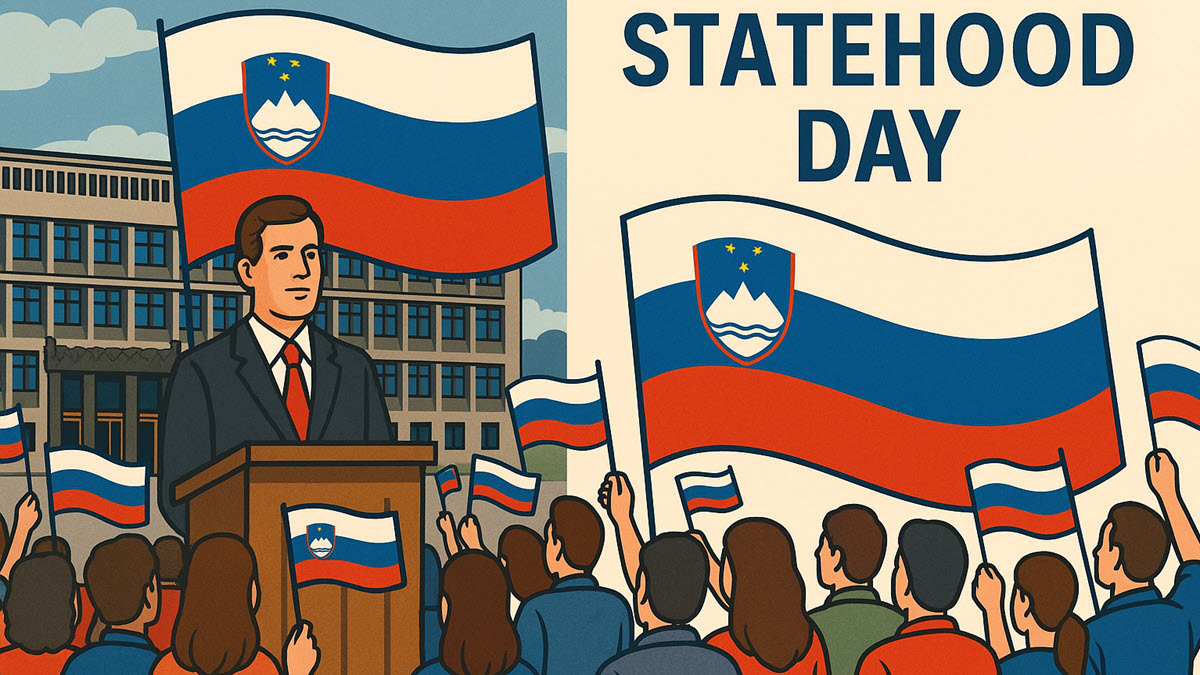
Statehood Day Slovenia
Statehood Day marks the 1991 declaration of independence, when Slovenia formally became a sovereign state after the referendum of December 1990. It is one of the most important national holidays, symbolizing freedom, independence, and self-determination.