Buddhism
Events
-
-
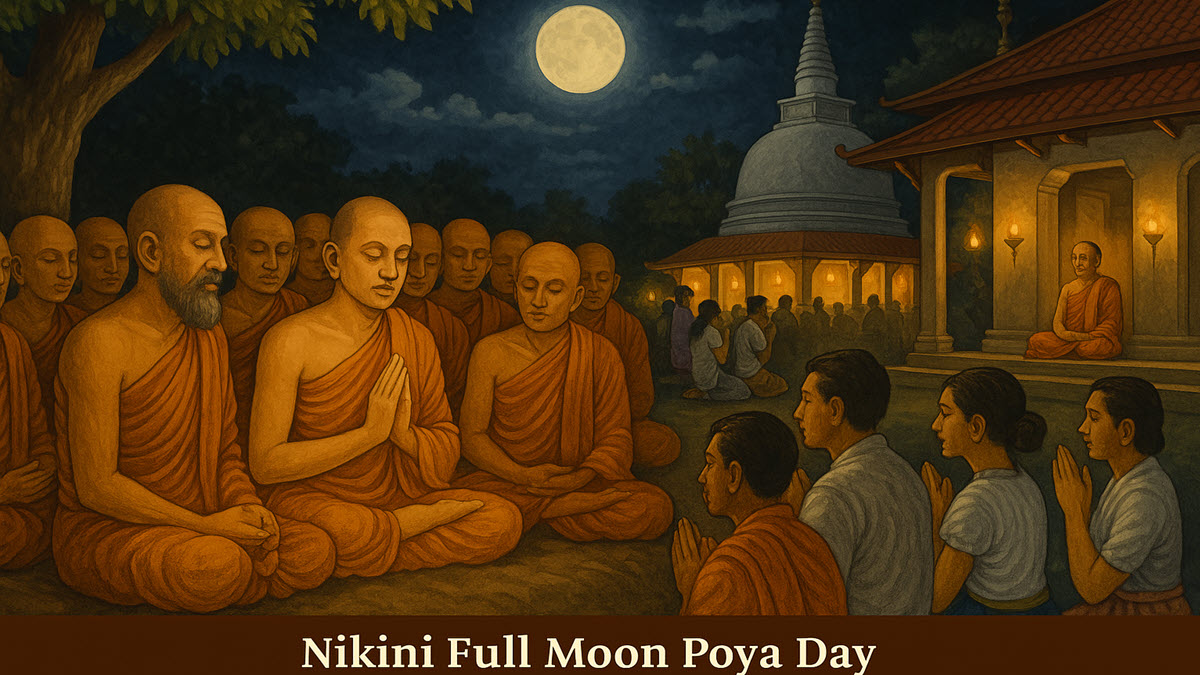
Nikini Full Moon Poya Day
Nikini Full Moon Poya commemorates the First Buddhist Council at Rajagaha, where 500 Arahants preserved the Dhamma and Vinaya after the Buddha’s Parinibbāna. It also marks the start of the Vassana rainy retreat, strengthening monastic discipline.
-
-
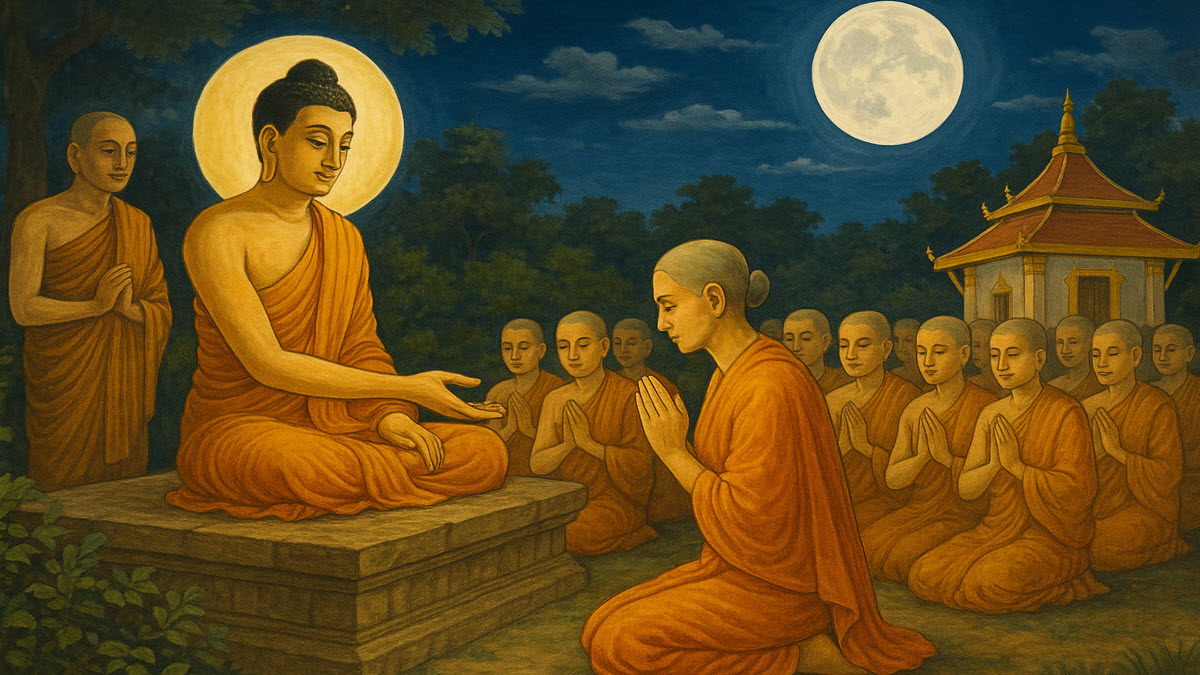
Binara Full Moon Poya Day
Binara Full Moon Poya commemorates the establishment of the Bhikkhuni Order, when the Buddha ordained his foster mother Mahāpajāpati Gotami and 500 women. This completed the Fourfold Sangha (monks, nuns, laymen, laywomen). The event marked a historic step in recognizing women’s spiritual capacity, a legacy still honored in Sri Lanka today.
-
-
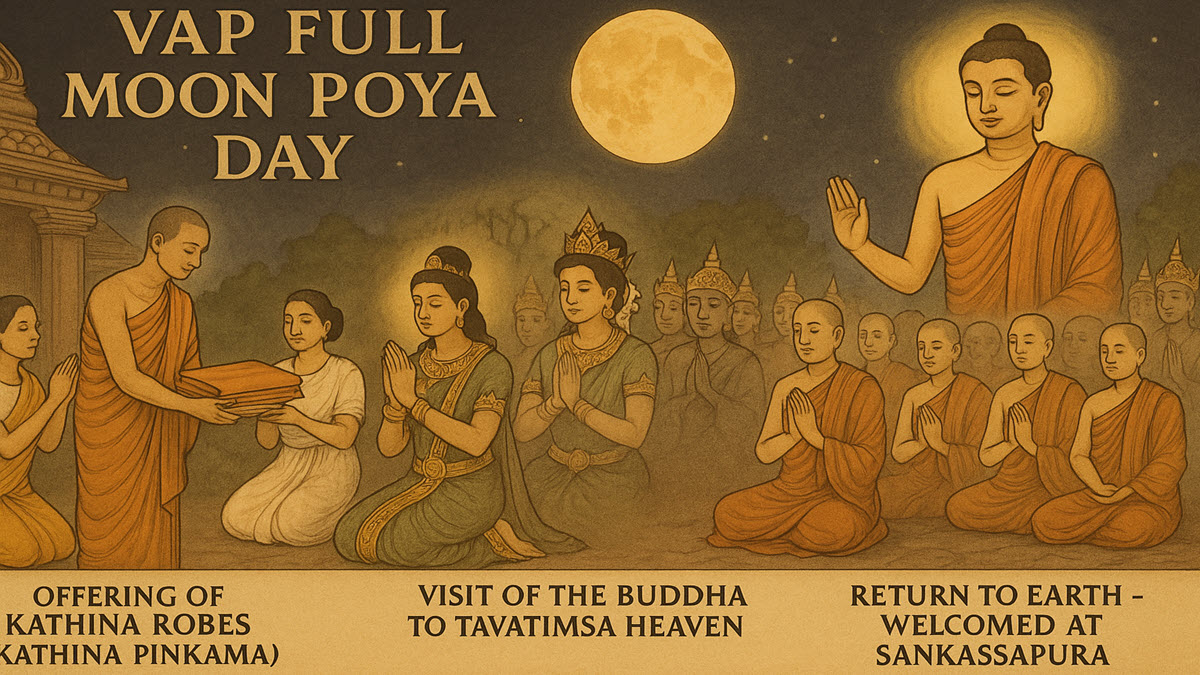
Vap Full Moon Poya Day
Vap Full Moon Poya commemorates the Buddha’s seventh year after Enlightenment, when he preached the Abhidhamma in Tavatimsa Heaven to his mother and later descended at Sankassapura. It also marks the end of the Rainy Retreat and the beginning of the Kathina robe-offering tradition, which continues in Sri Lanka today.
-
-
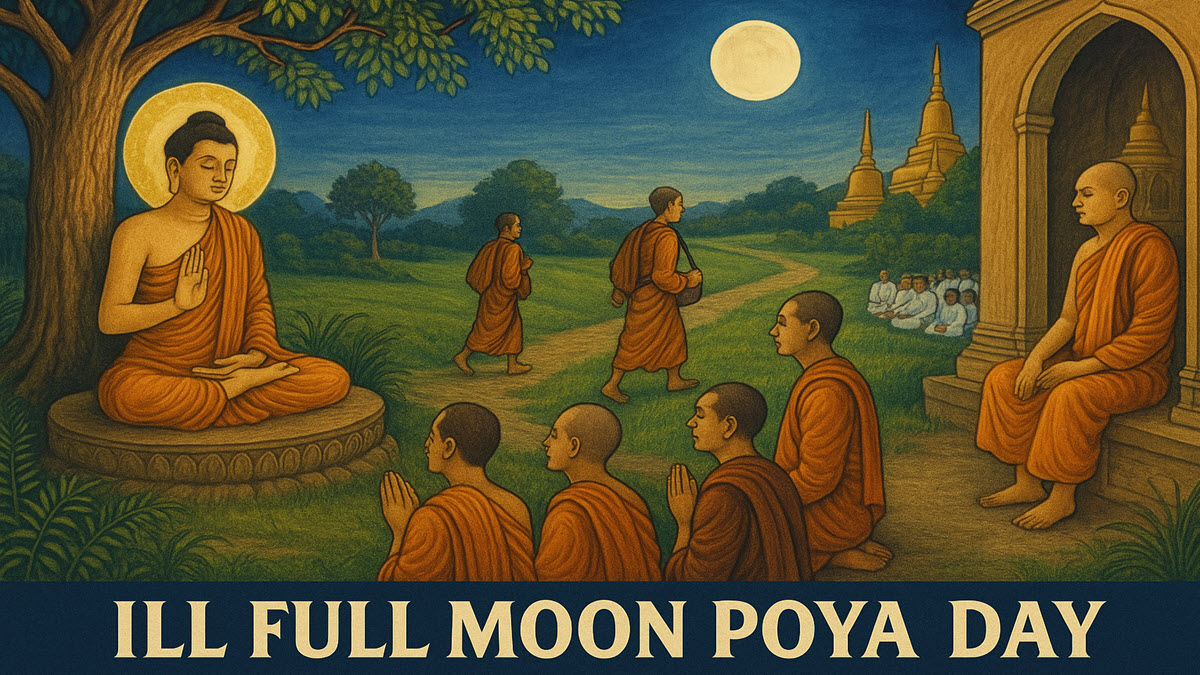
Ill Full Moon Poya Day
Ill Full Moon Poya commemorates the Buddha’s sending forth of 60 disciples to spread the Dhamma, marking the beginning of missionary Buddhism. It also recalls the inclusion of Sariputta and Moggallana’s followers into the Sangha.
-
-
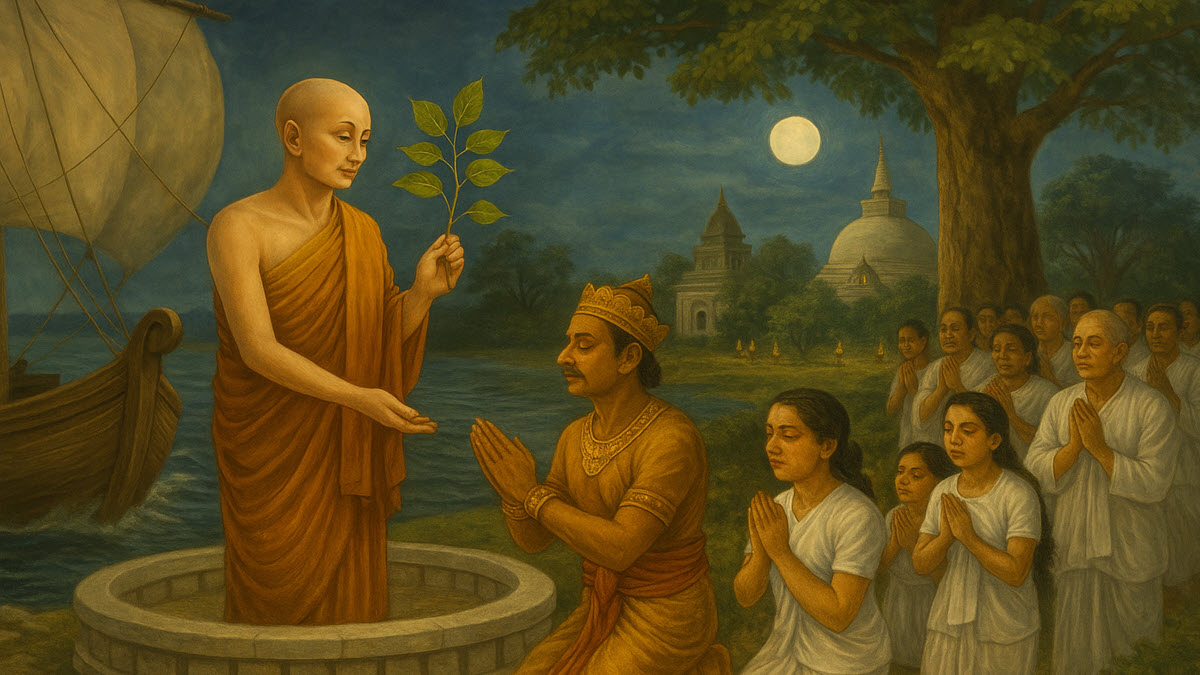
Unduvap Full Moon Poya Day
Unduvap Full Moon Poya commemorates the arrival of Arahat Sanghamitta Theri in Sri Lanka with the sacred Bodhi tree sapling from Bodh Gaya and the establishment of the Bhikkhuni Sangha. The Sri Maha Bodhi, planted in Anuradhapura in 288 BCE, still stands today as the world’s oldest recorded tree, symbolizing Sri Lanka’s enduring Buddhist heritage and the recognition of women in the monastic community.
-
-
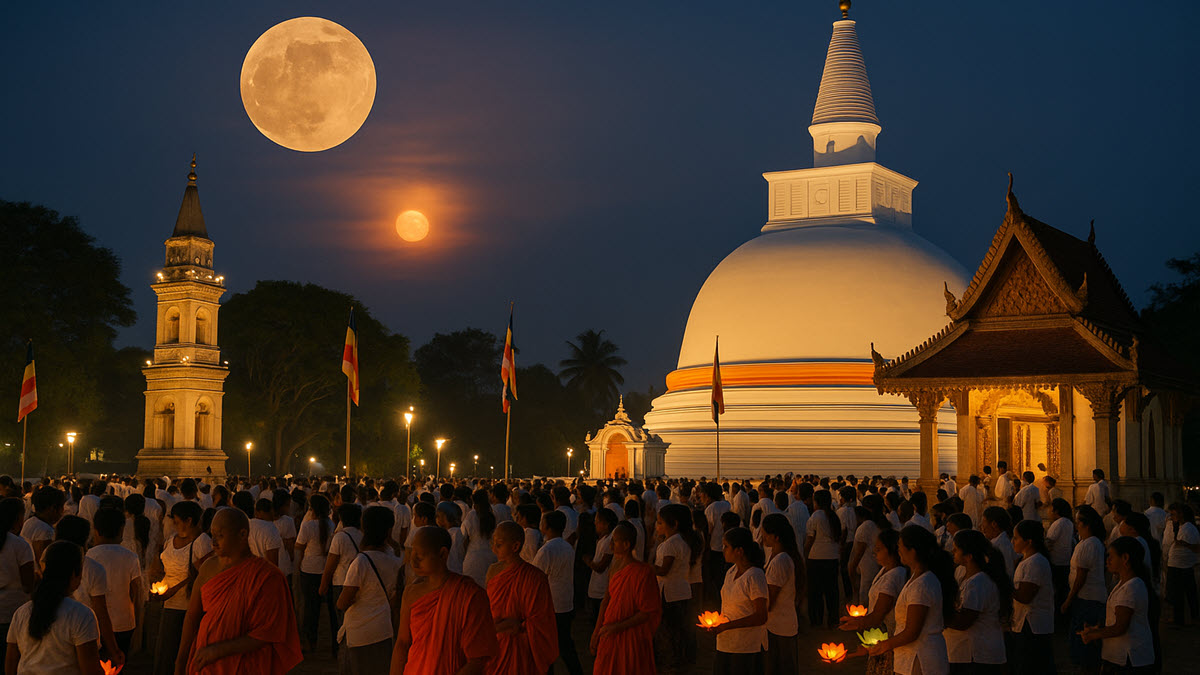
Duruthu Full Moon Poya Day
Duruthu Full Moon Poya commemorates the Buddha’s first visit to Sri Lanka at Mahiyangana, where he brought peace to the island. The day is marked by meditation, almsgiving, and the Duruthu Perahera at Kelaniya temple, making it one of the most important Buddhist festivals of the year.
-
-
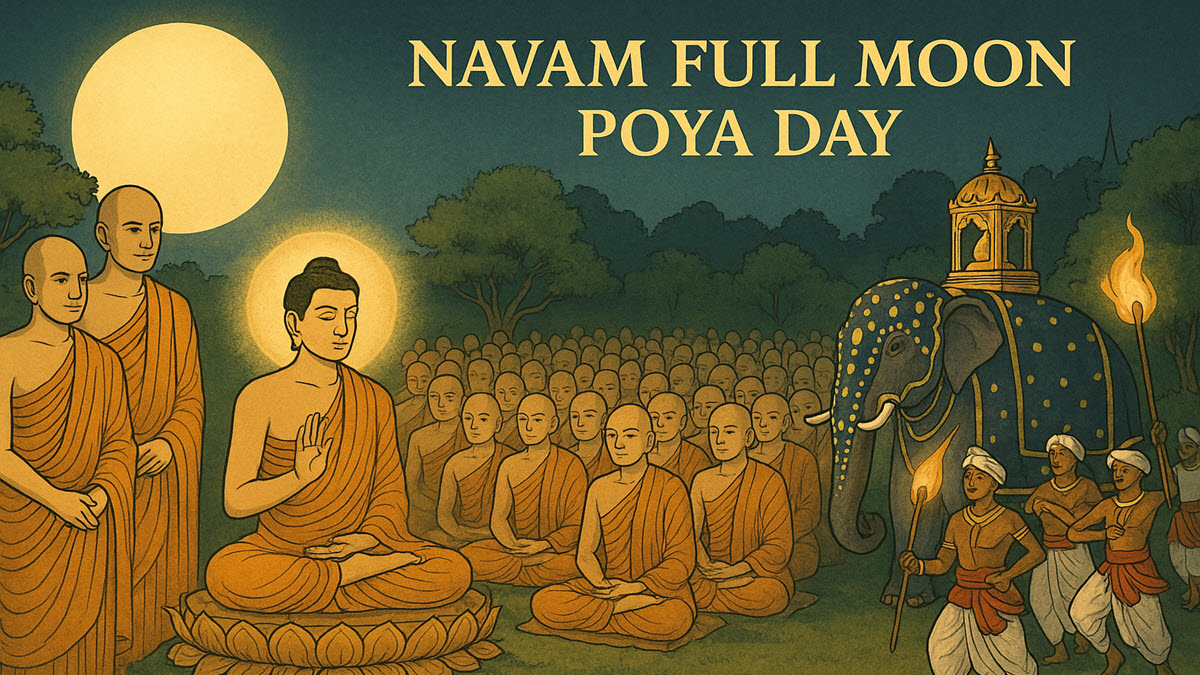
Navam Full Moon Poya Day
Navam Full Moon Poya commemorates the Buddha's appointment of his chief disciples Sariputta and Moggallana, and the establishment of the Vinaya (monastic code). In Sri Lanka, it is marked by religious observances and the grand Navam Perahera at Kelaniya temple, a spectacular cultural procession with monks, dancers, drummers and decorated elephants.
-
-
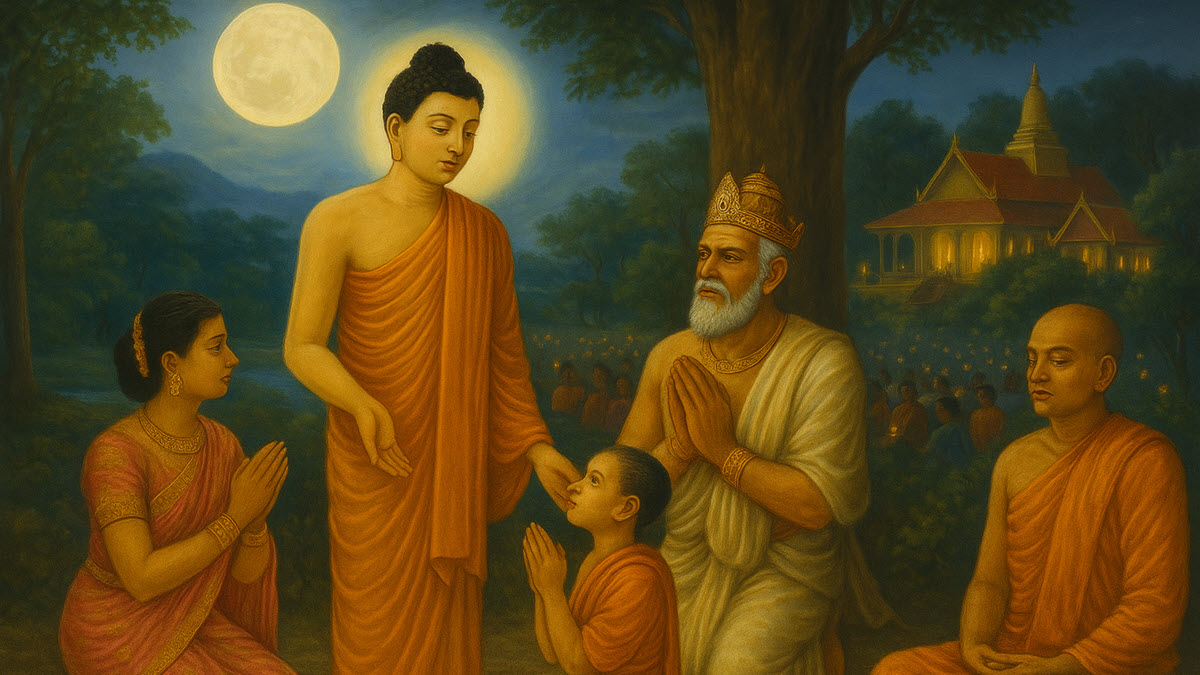
Medin Full Moon Poya Day
Medin Full Moon Poya marks the Buddha’s first visit to his hometown Kapilavastu after Enlightenment, where he ordained his son Rahula as the first novice monk. In Sri Lanka, the day is observed with almsgiving, meditation, and novice ordination ceremonies, symbolizing the inheritance of the Dhamma.
-

Makha Bucha Day Thailand
Makha Bucha Day is one of the most sacred and widely observed Buddhist holidays in Thailand, commemorating a pivotal moment in the life of the Buddha. While its spiritual origins date back over 2,500 years, its recognition as a public holiday in Thailand has a distinct historical development tied to royal religious reforms and the promotion of Buddhist unity.
-
-
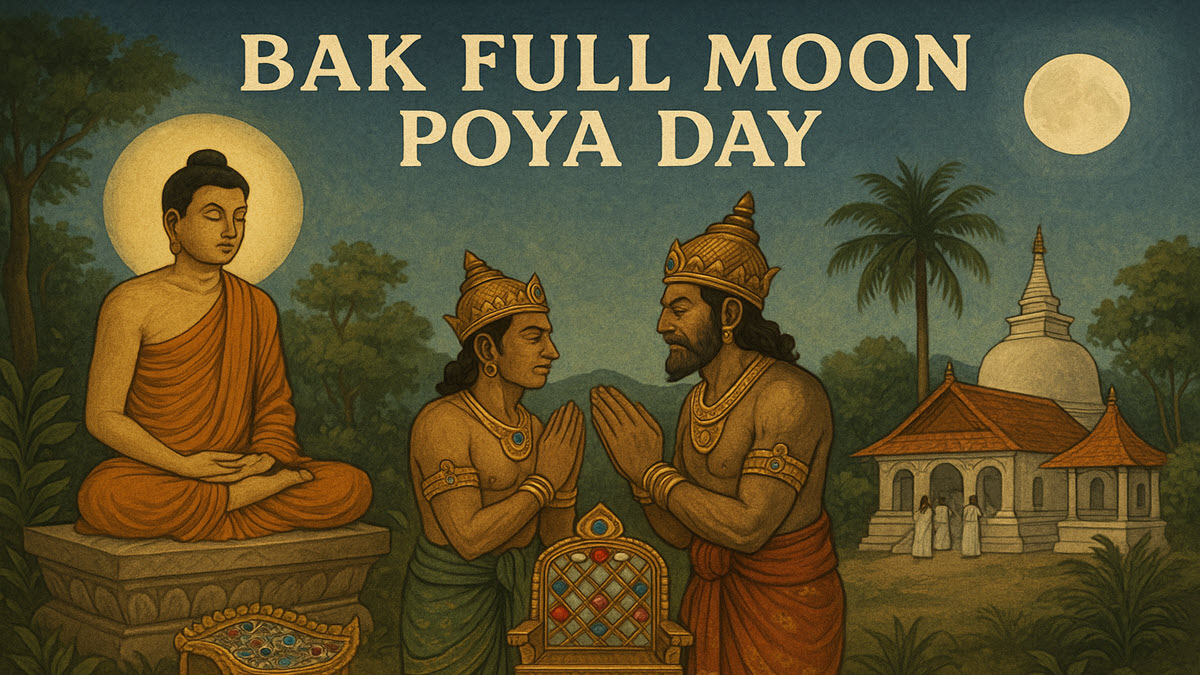
Bak Full Moon Poya Day
Bak Full Moon Poya commemorates the Buddha’s second visit to Sri Lanka in the 5th year after Enlightenment, when he settled a war between Naga kings Chulodara and Mahodara at Nagadipa. The event, recorded in the Mahavamsa, symbolizes peace and the Buddha’s role as peacemaker.
-
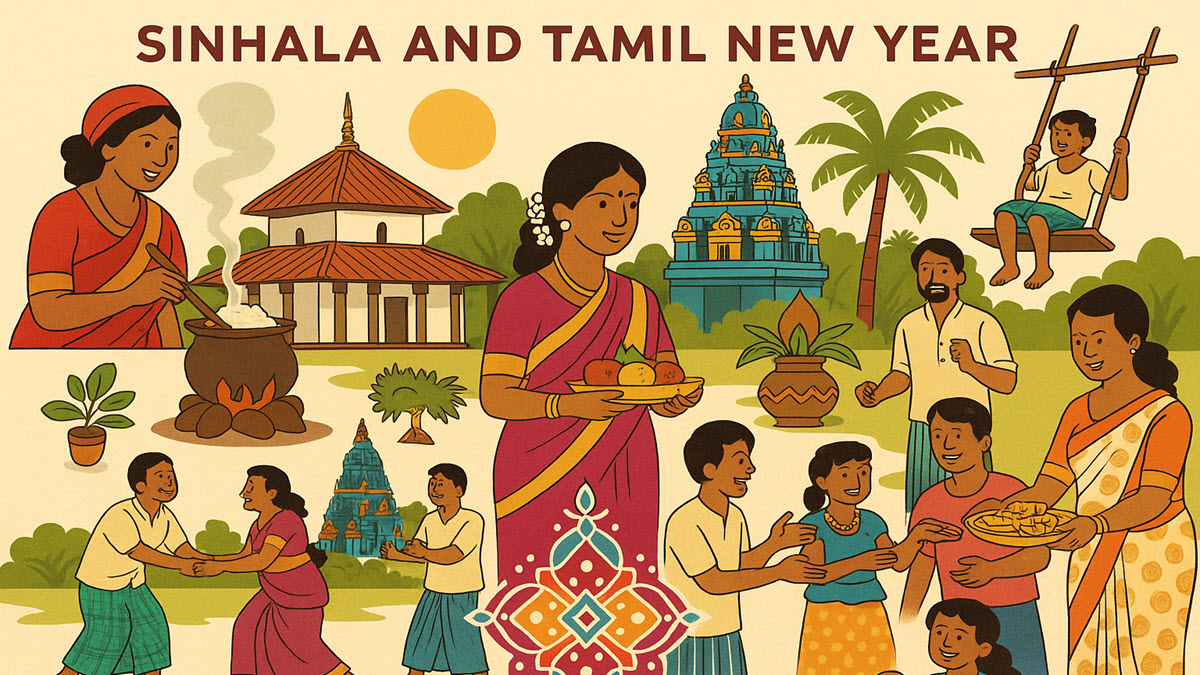
Sinhala and Tamil New Year
The Sinhala and Tamil New Year marks the solar new year and the end of the harvest season in Sri Lanka. It symbolizes prosperity, renewal and cultural unity across Sinhalese Buddhists and Tamil Hindus.
-
-
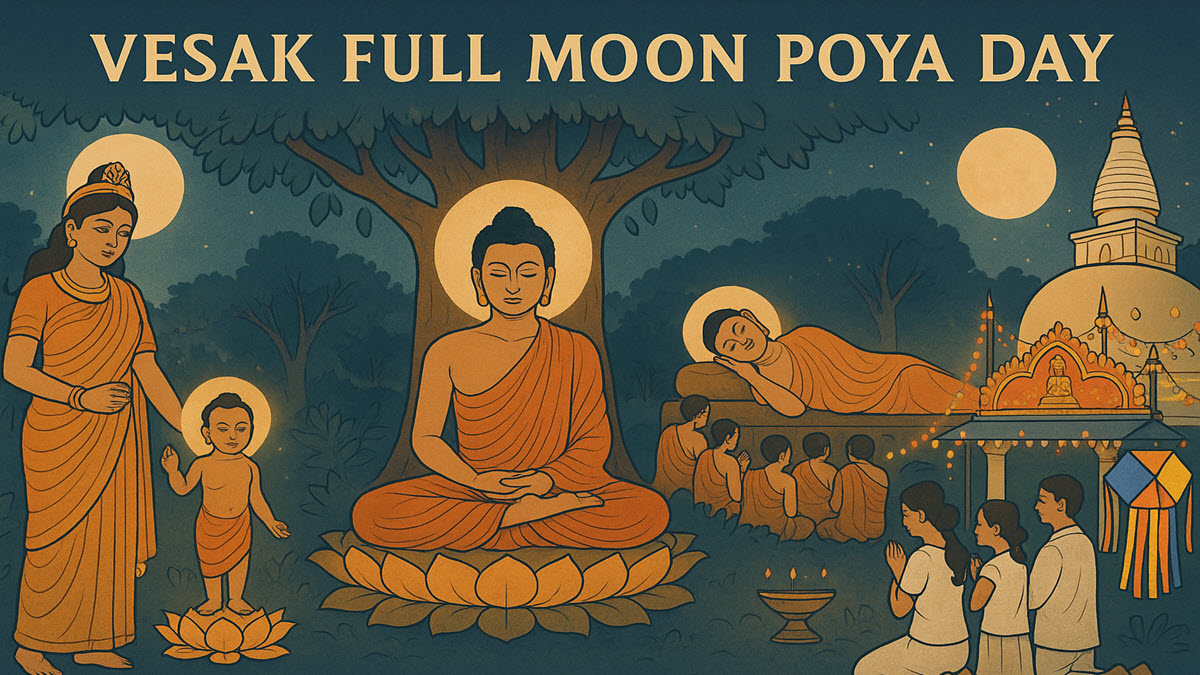
Vesak Full Moon Poya Day
Vesak Full Moon Poya, rooted in ancient India, commemorates the birth, Enlightenment, and passing away of the Buddha, all on the full moon of May. Introduced to Sri Lanka in the 3rd century BCE, it became the island's most sacred Buddhist festival. Today, Vesak is celebrated with temple rituals and almsgiving, symbolizing peace and the victory of wisdom over ignorance.