Historical Holiday
Events
-
-
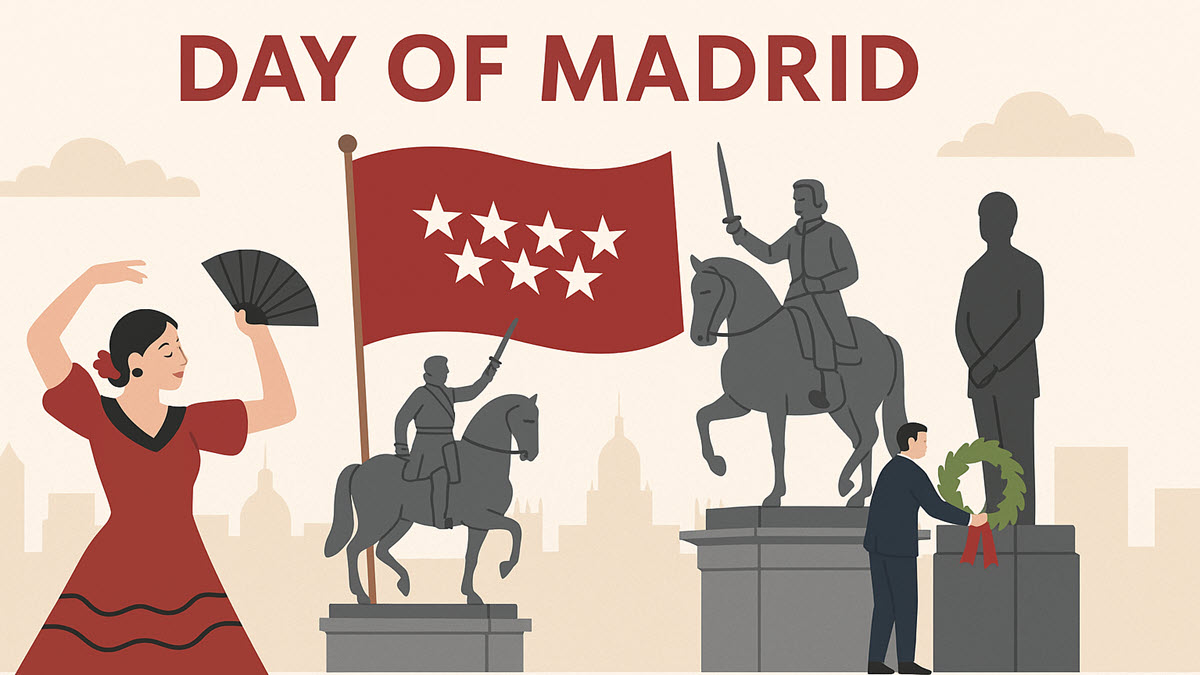
Day of Madrid
The Day of Madrid commemorates the 1808 uprising, a pivotal moment when ordinary citizens resisted Napoleon’s occupation. Though suppressed, it became a lasting symbol of freedom and regional pride, and since 1983 it has also represented the autonomy of Madrid within Spain.
-
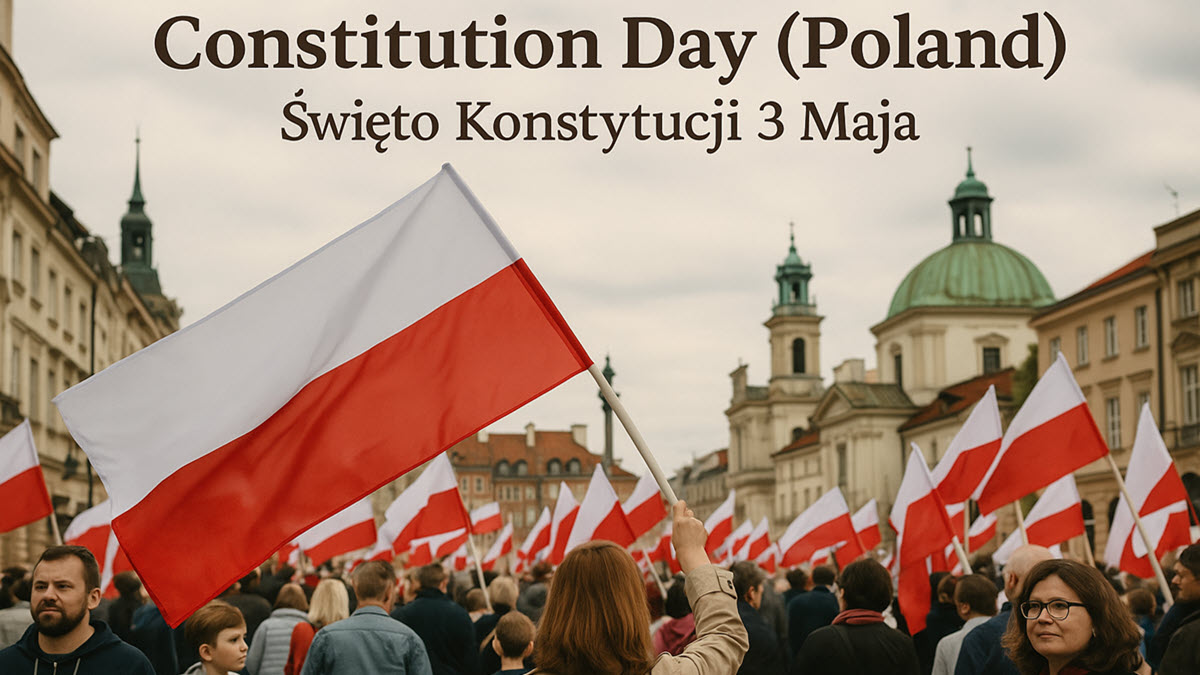
Constitution Day (Poland)
Constitution Day in Poland commemorates the adoption of the Polish Constitution of 1791, the first modern constitution in Europe and the second in the world after the United States. It symbolizes Poland's commitment to freedom, democracy, and national unity. Today, it is one of Poland's most important national holidays, marked by patriotic parades, concerts and ceremonies across the country.
-
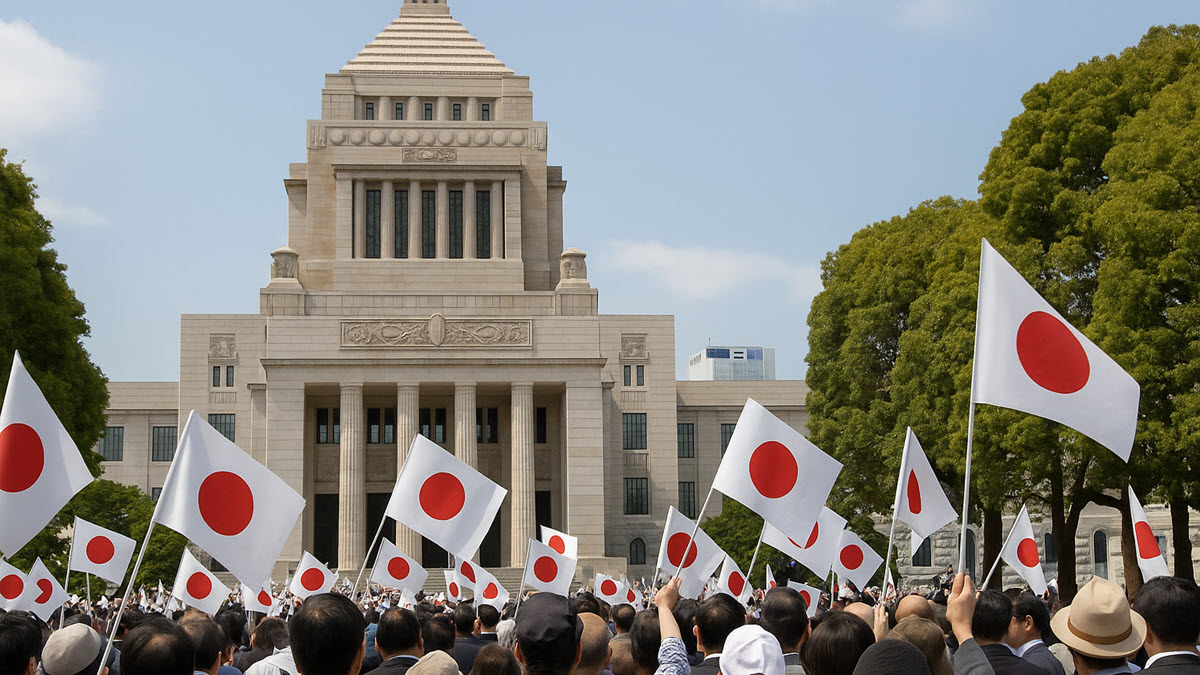
Constitution Day (Japan)
Constitution Day commemorates the enforcement of Japan’s postwar Constitution of 1947, which established democracy, pacifism and the sovereignty of the people. The day encourages citizens to reflect on the meaning of democracy and peace in modern Japan. It is also part of Golden Week, a series of national holidays when museums, government buildings and cultural sites often hold special events and open houses.
-
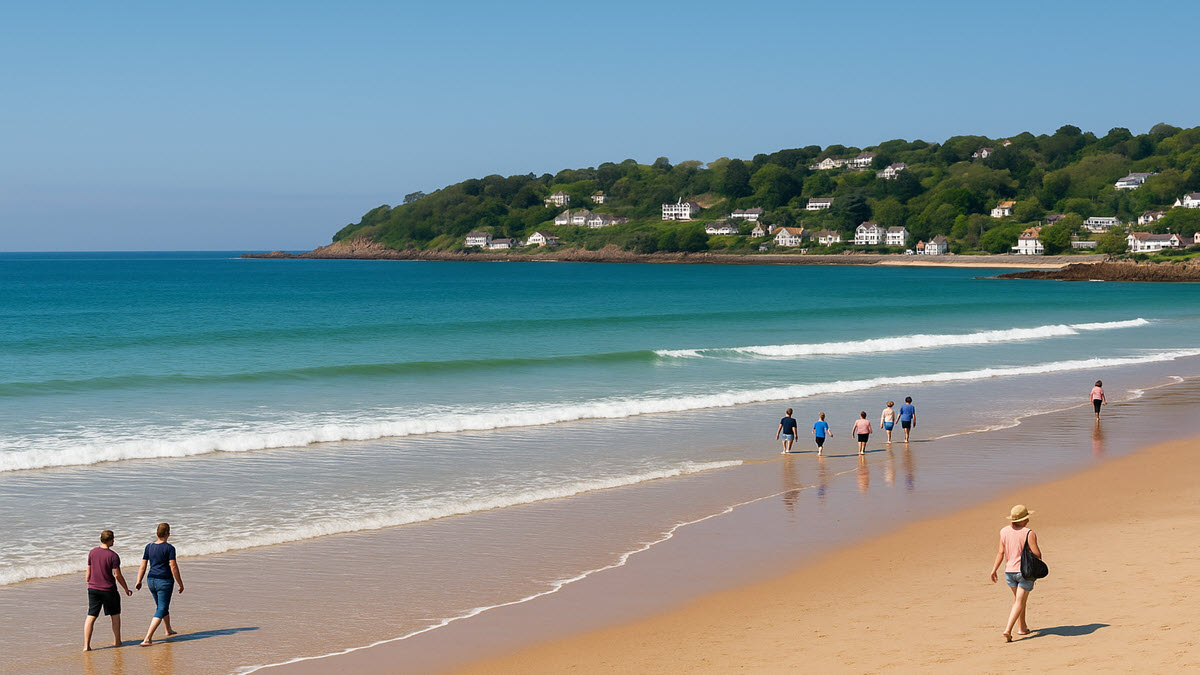
Early May Bank Holiday (Jersey)
The Early May Bank Holiday in Jersey marks the arrival of spring and offering islanders a well-earned break. Rooted in ancient May Day traditions and later tied to the workers' rights movement, it has evolved into a non-political holiday focused on rest, community, and enjoying Jersey's natural beauty. Many residents spend the long weekend outdoors—walking along beaches, attending local fairs, or welcoming the start of the summer season.
-
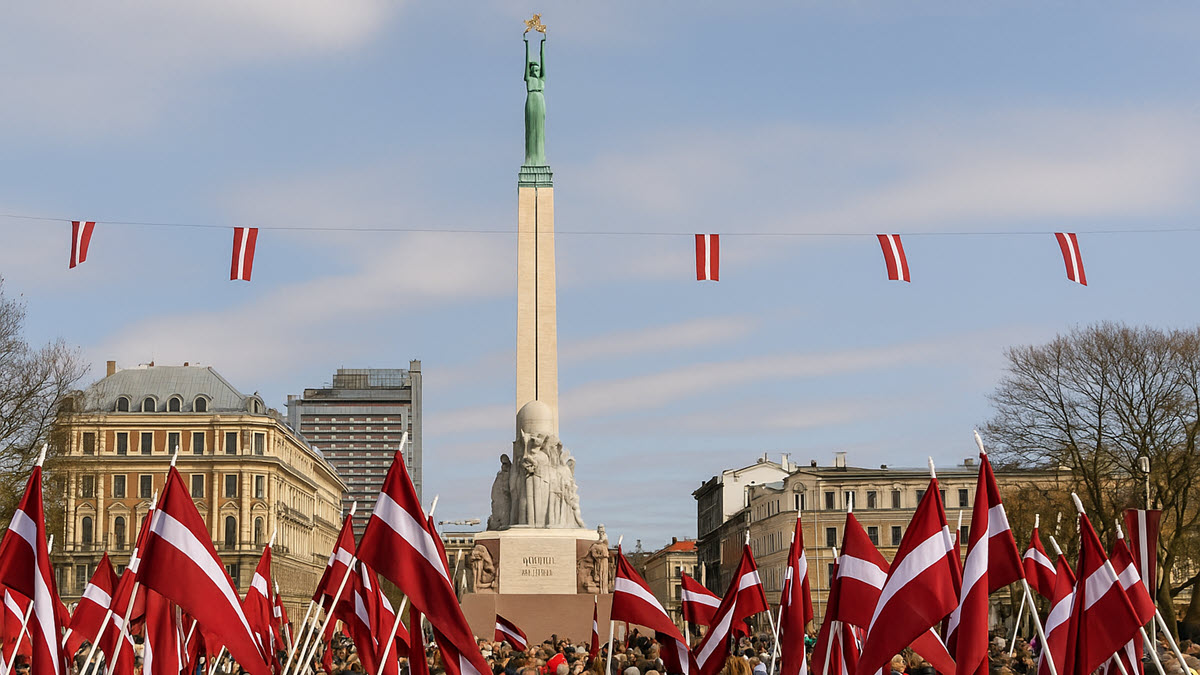
Independence Restoration Day (Latvia)
Independence Restoration Day in Latvia commemorates the 1990 declaration restoring Latvia's independence from Soviet rule, honoring the nation's courage, unity and peaceful path toward freedom and democracy.
-
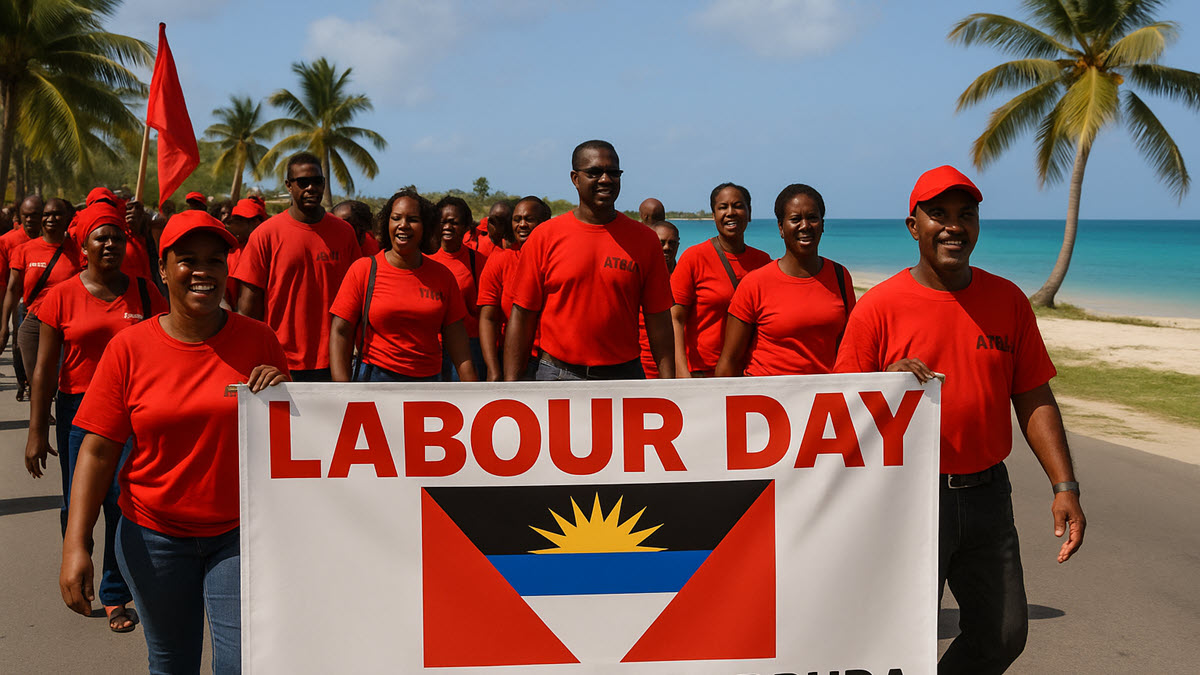
Labour Day (Antigua and Barbuda)
Labour Day in Antigua and Barbuda recognizes the efforts that shaped the nation's social and economic progress. It features vibrant parades, union marches and political rallies. The holiday blends advocacy and celebration, reflecting both the country’s proud labour heritage and its joyful Caribbean spirit.
-
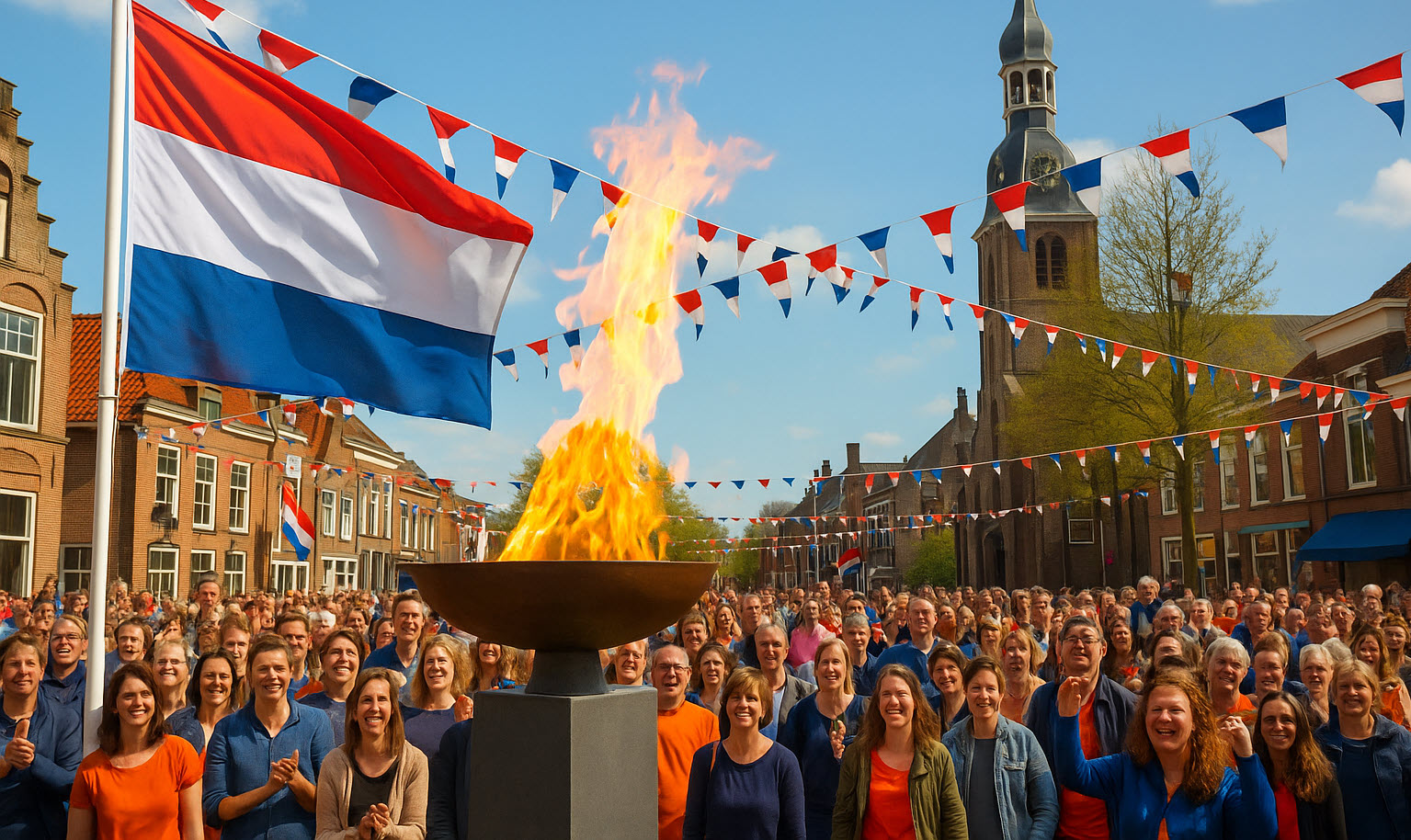
Liberation Day (Netherlands)
Liberation Day marks the end of WWII occupation in the Netherlands. It is celebrated every year with ceremonies, festivals, and the Freedom Flame, reminding the nation of the importance of peace and democracy.
-
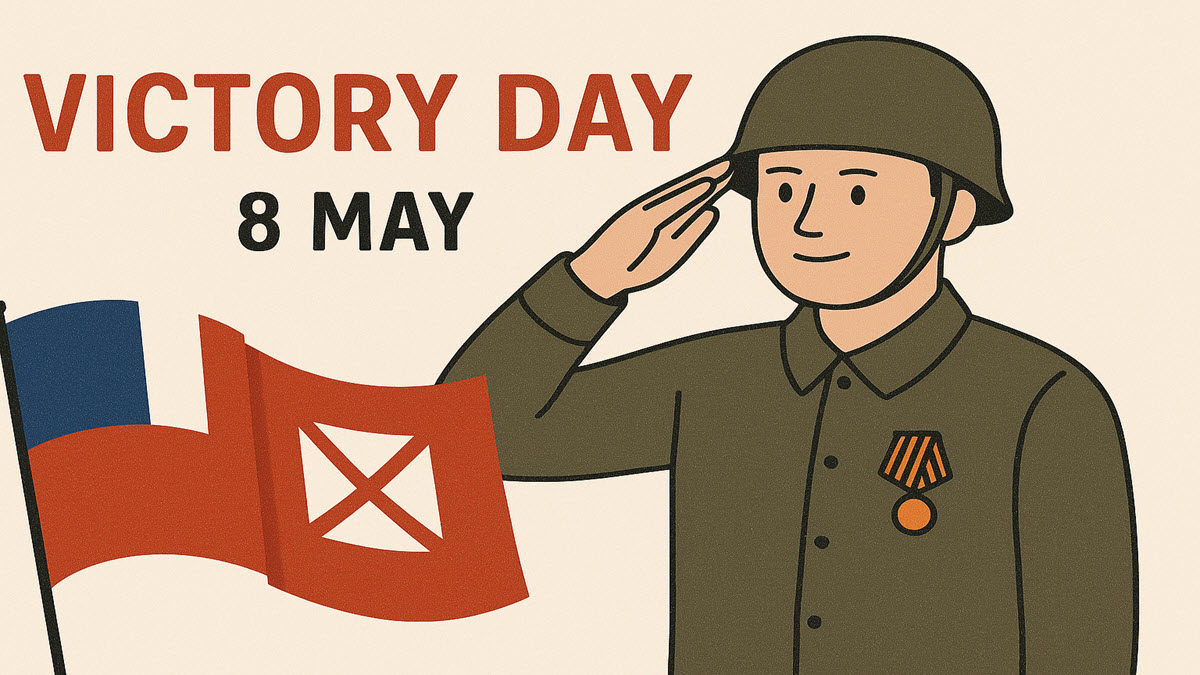
Victory Day in Wallis and Futuna
Victory Day is a public holiday in Wallis and Futuna. It commemorates the Allied victory in Europe during World War II, marking the formal surrender of Nazi Germany on May 8, 1945. As a French overseas collectivity, Wallis and Futuna observes this day in alignment with France's national holiday.
-
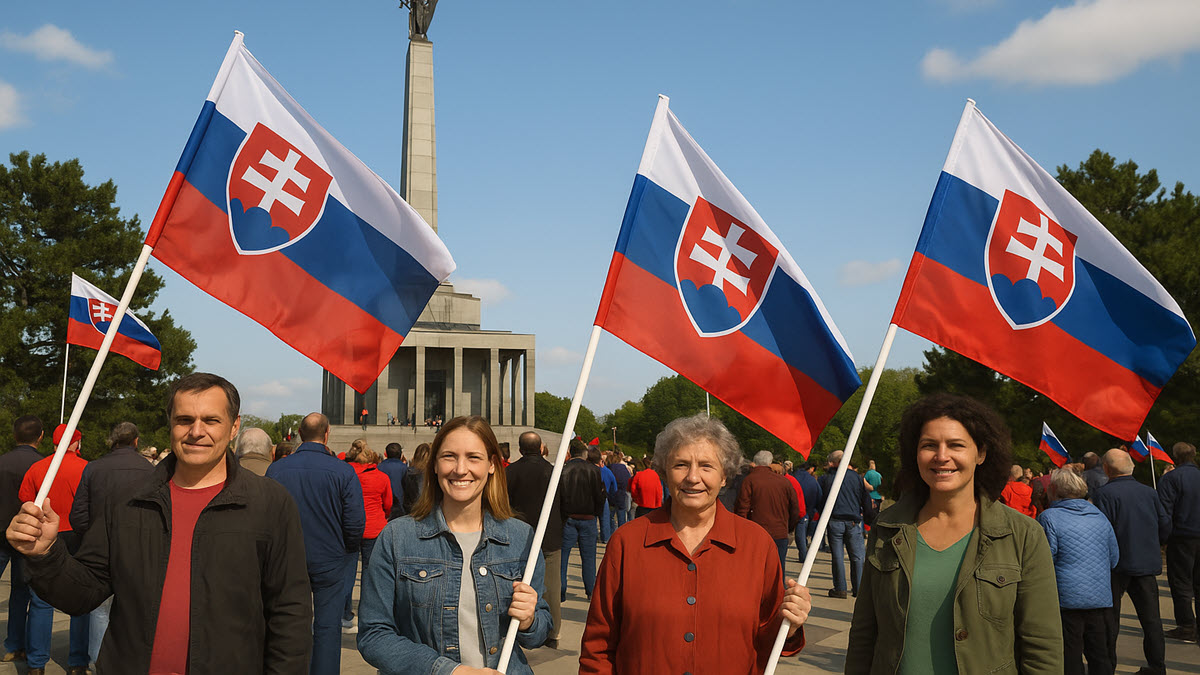
Victory over Fascism Day (Slovakia)
Victory over Fascism Day in Slovakia commemorates the defeat of Nazi Germany in 1945, the liberation of Slovak lands, and the sacrifices of both Slovak partisans and Allied soldiers. Established after WWII, it continues today as a reminder of the nation’s struggle for freedom, democracy, and resistance to totalitarianism.
-
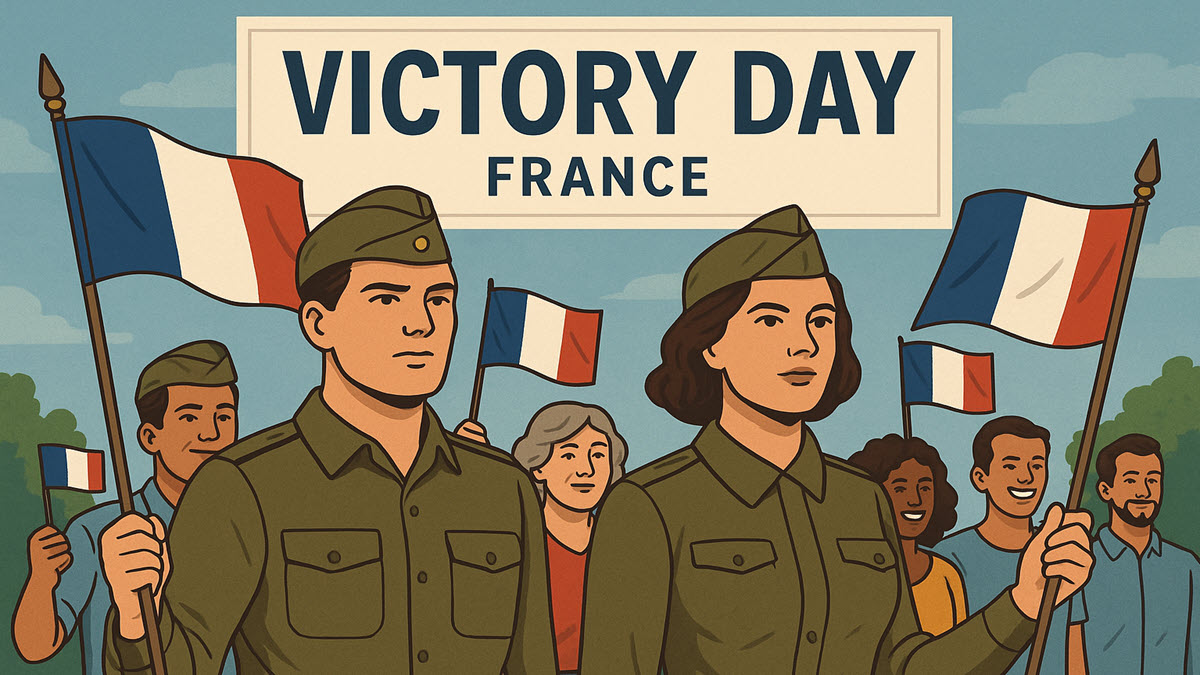
Victory Day (France)
Victory Day in France honors the end of World War II in Europe, the defeat of Nazi Germany, and the sacrifices made for freedom, with nationwide ceremonies and an official public holiday.
-
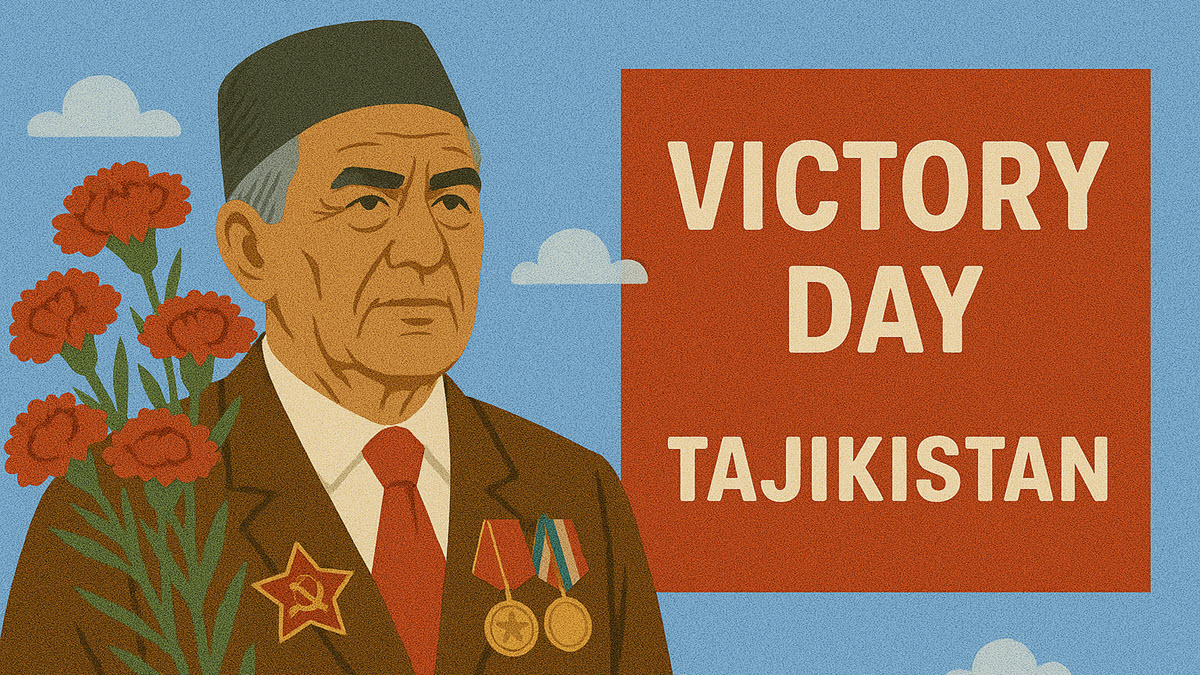
Victory Day Tajikistan
Victory Day marks the defeat of Nazi Germany in 1945 and the end of the Great Patriotic War (the Eastern Front of World War II). In Tajikistan, as in other former Soviet republics, it is a deeply significant holiday that honors the sacrifices made by Tajik soldiers and civilians during World War II.
-
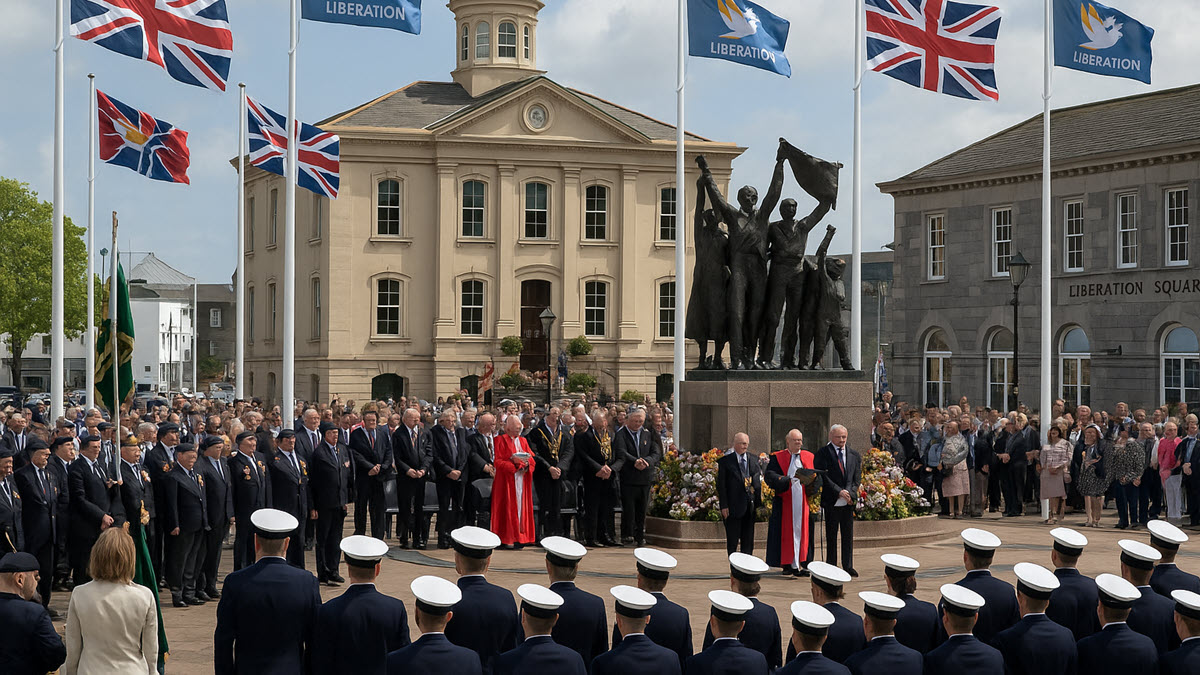
Liberation Day (Jersey)
Liberation Day in Jersey is marking the island’s freedom from German occupation at the end of World War II in 1945. It is Jersey’s national day, commemorating the return of peace and the restoration of democracy after nearly five years under occupation. Liberation Day is both a celebration of freedom and a tribute to resilience and remembrance.