Historical Holiday
Events
-
-
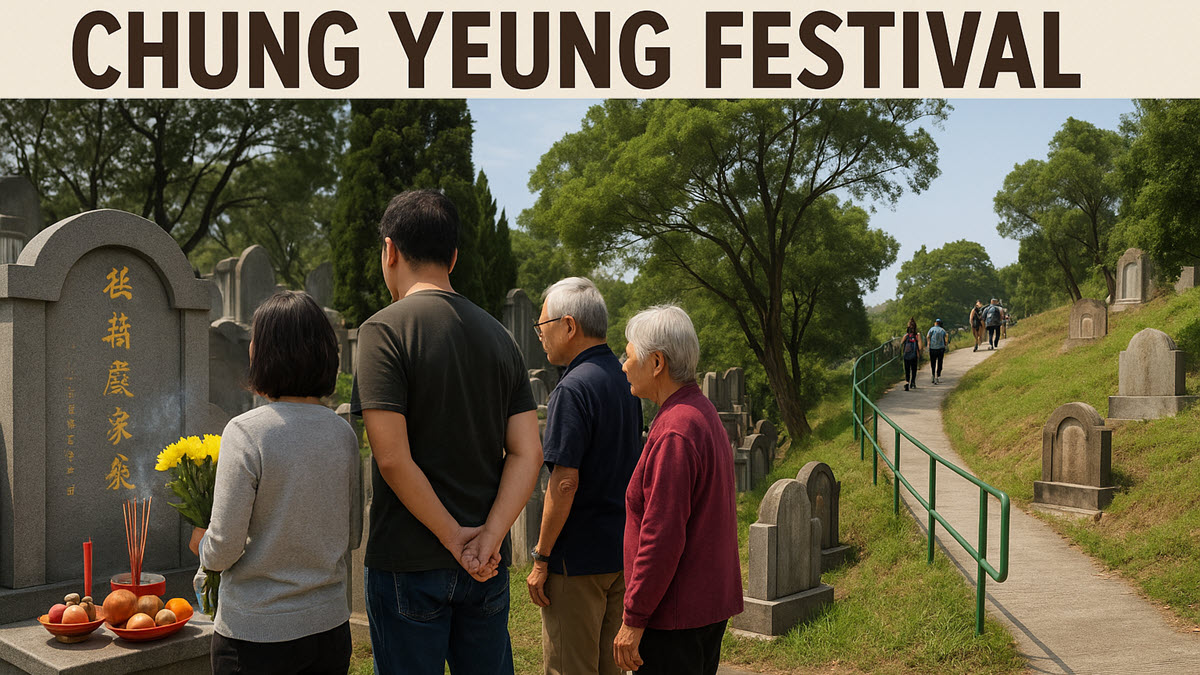
Chung Yeung Festival (Macau)
Chung Yeung Festival, also known as the Double Ninth Festival, is a day for honoring ancestors and celebrating longevity. Families visit graves to offer incense, food and prayers, while others hike to scenic hills, following the tradition of climbing to ward off bad luck. The festival combines ancestor veneration and outdoor enjoyment, symbolizing remembrance, respect and renewal.
-
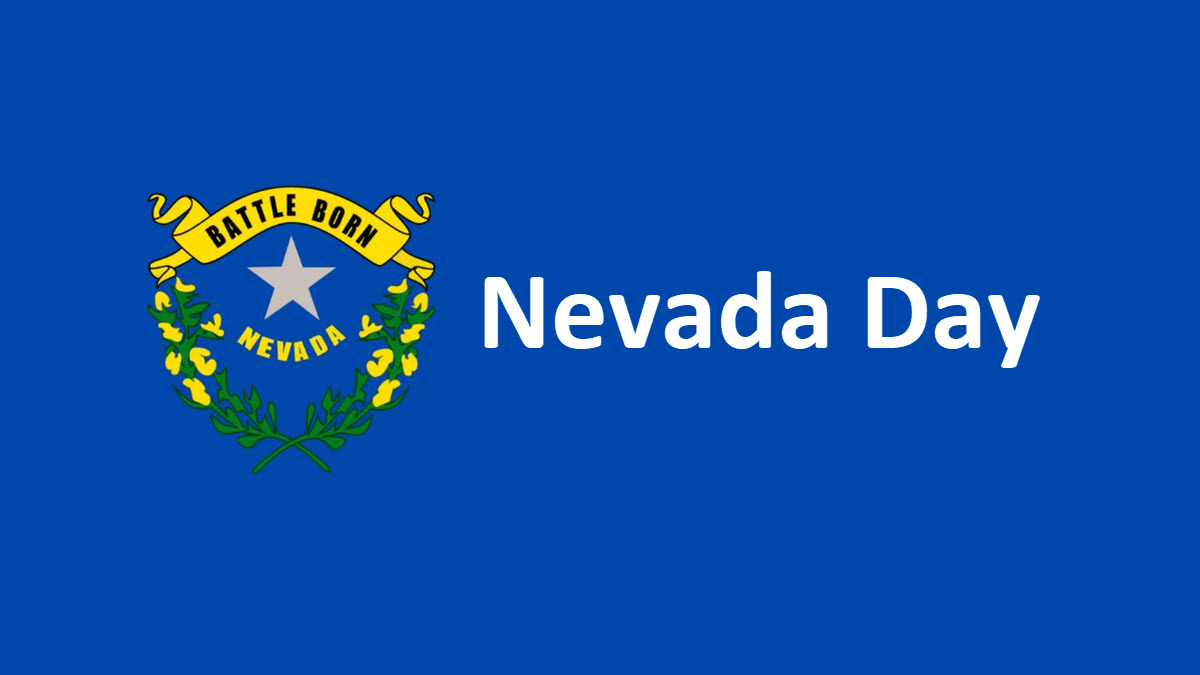
Nevada Day
Nevada Day is an annual state holiday celebrated in Nevada to commemorate the state’s admission to the United States as the 36th state on October 31, 1864. The holiday is a celebration of Nevada’s history, culture, and heritage, featuring various community events and festivities.
-
-
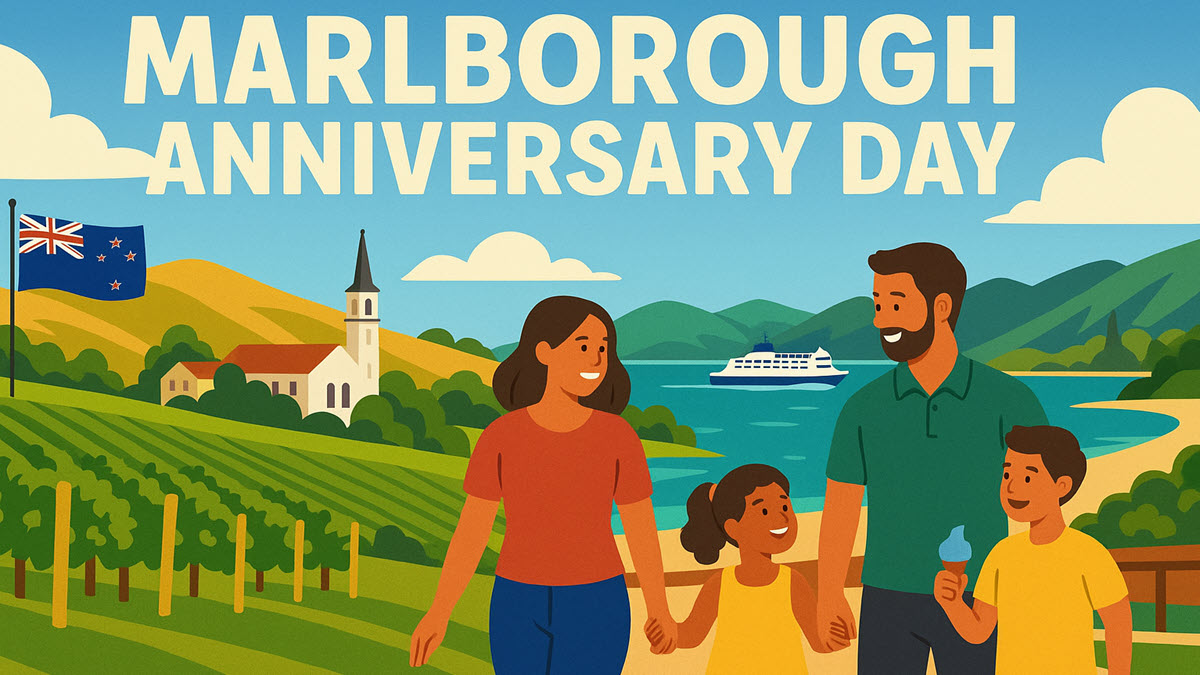
Marlborough Anniversary Day
Marlborough Anniversary Day began in 1859 with the creation of Marlborough Province after its separation from Nelson. Even though the provinces were abolished in 1876, the holiday survived as a regional anniversary day. It continues as a symbol of regional identity and pride, as well as a springtime holiday for residents.
-
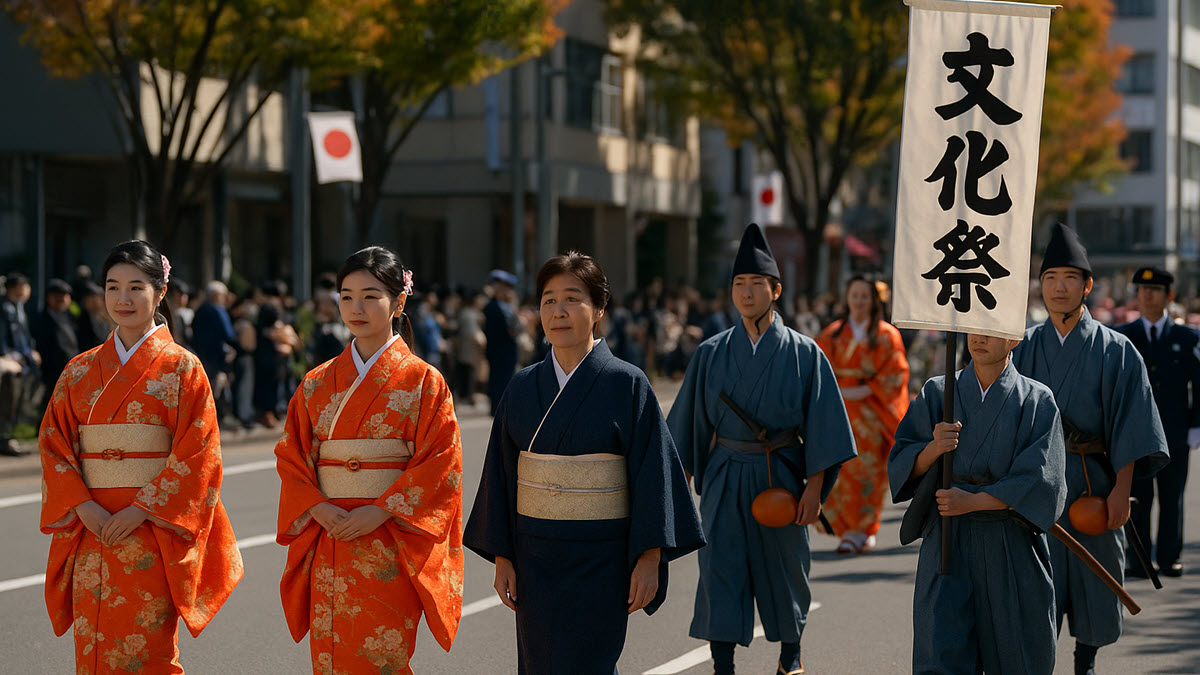
Culture Day (Japan)
Culture Day promotes the arts, culture, and academic achievement, encouraging appreciation for creativity and peace. The date marks the anniversary of Japan’s postwar constitution proclamation in 1946. Events include art exhibitions, parades, school performances and award ceremonies, such as the Order of Culture, presented by the Emperor to honor outstanding contributions to Japanese culture and society.
-

Melbourne Cup Day
Melbourne Cup Day is one of Australia's most celebrated sporting events, held at Flemington Racecourse in Melbourne, Victoria. It is a 3200-meter (2-mile) race for thoroughbred horses aged three years and older, with a prize pool exceeding $8 million AUD.
-
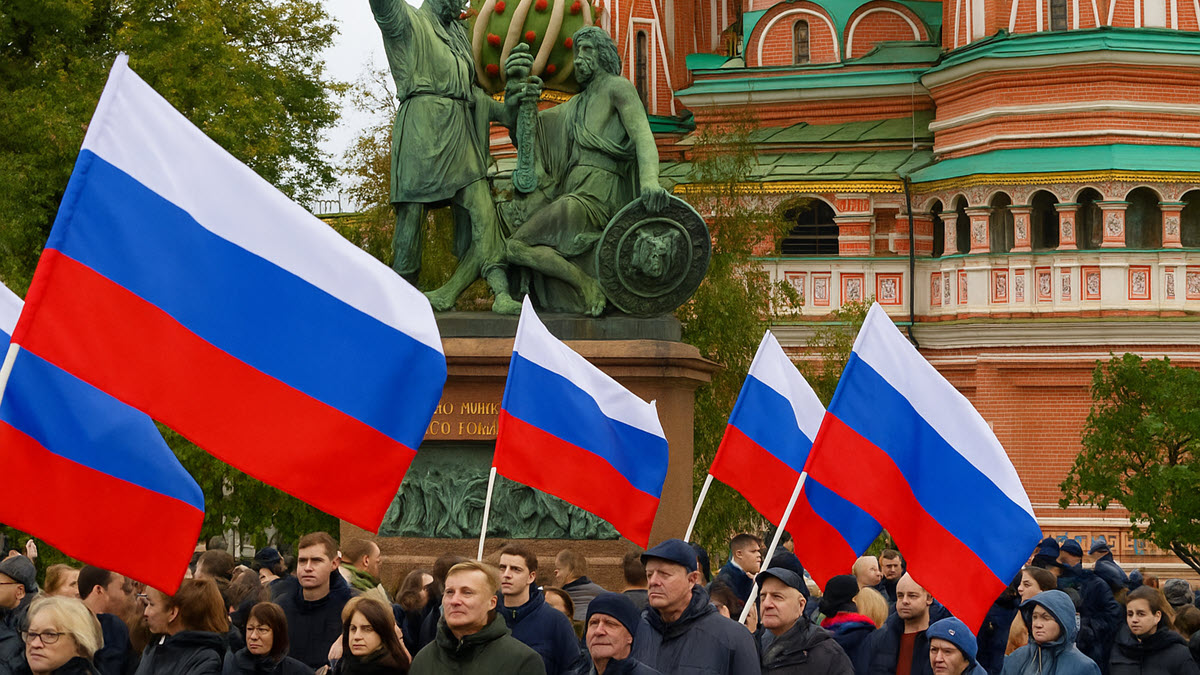
Unity Day (Russia)
Unity Day in Russia commemorates the 1612 liberation of Moscow from Polish occupation and honors the unity of the Russian people. It symbolizes patriotism, national solidarity and the strength of coming together in defense of the homeland.
-
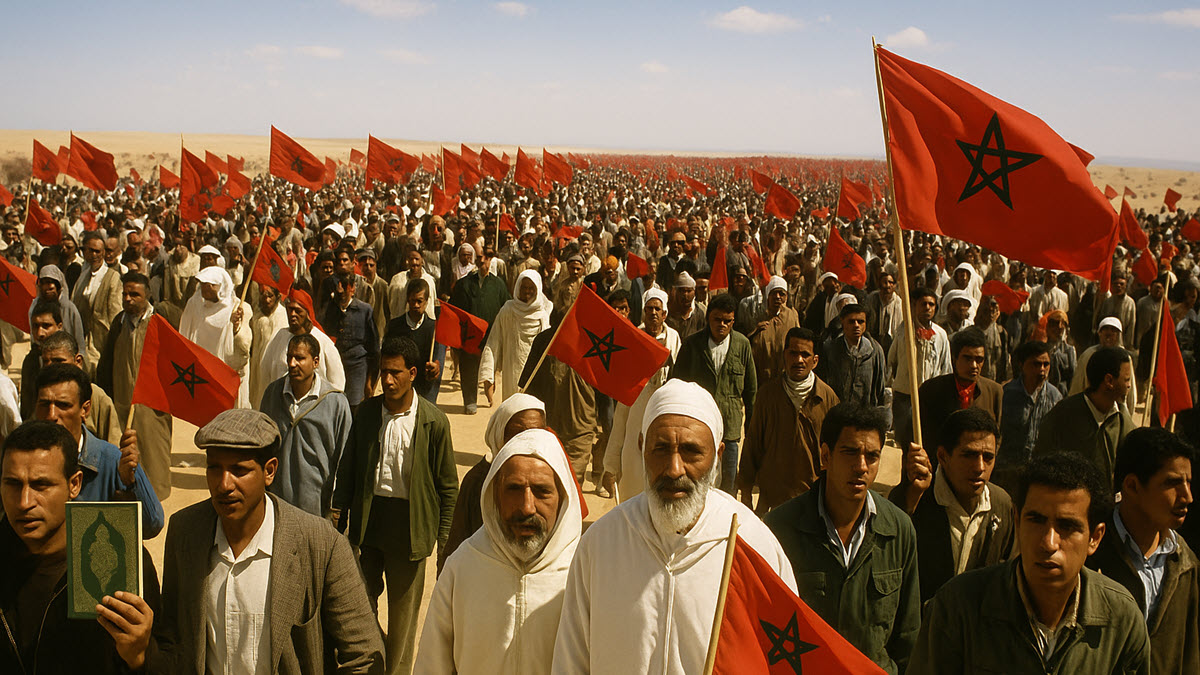
Green March Day
Green March Day in Morocco commemorates the 1975 peaceful mass demonstration in which 350,000 Moroccans marched into the Sahara to affirm Morocco’s sovereignty, symbolizing unity, patriotism, and national determination.
-
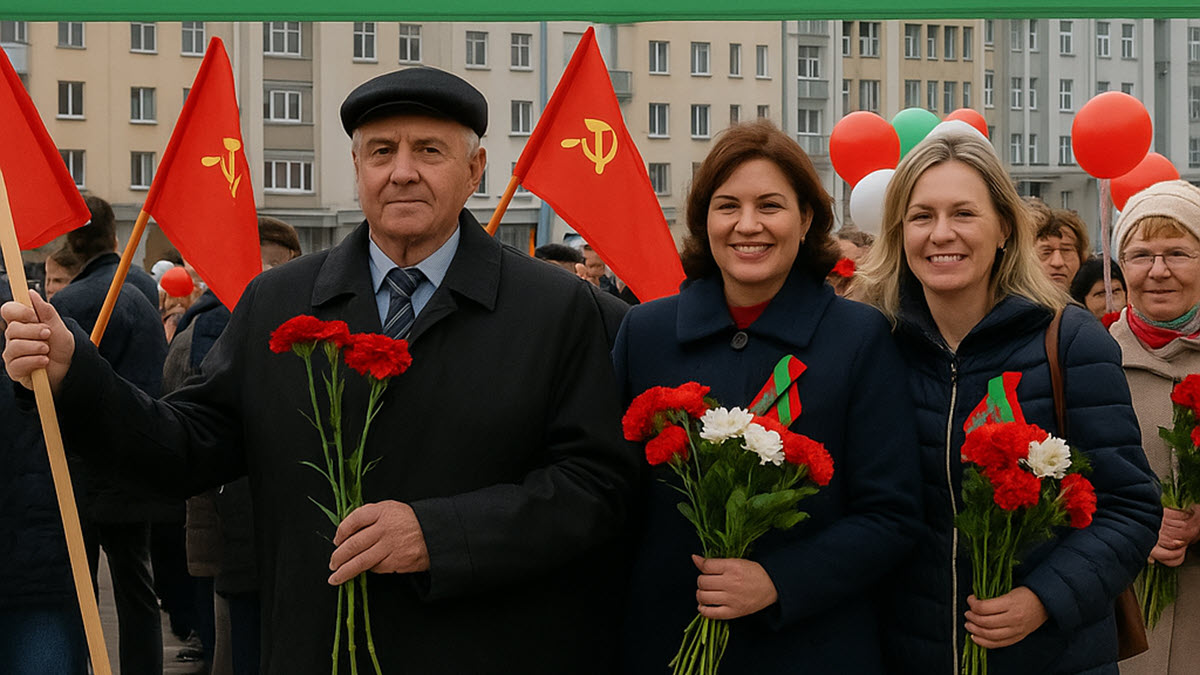
October Revolution Day (Belarus)
October Revolution Day in Belarus commemorates the Bolshevik Revolution of 1917, which led to the establishment of Soviet power and the creation of the former USSR. Once one of the most significant holidays in the Soviet calendar, it remains a public holiday in Belarus, symbolizing historical continuity and respect for those who contributed to the country’s social and industrial development.
-
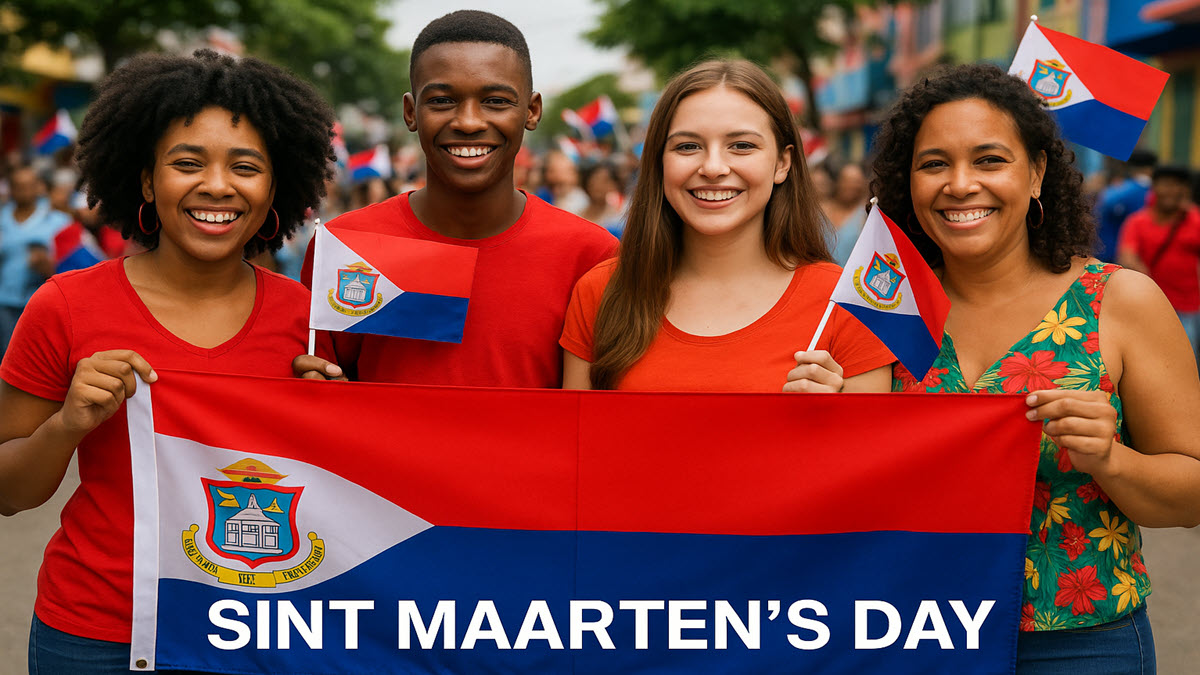
Sint Maarten's Day
Sint Maarten’s Day commemorates both the naming of the island by Columbus in 1493 and honors Saint Martin of Tours. Today, it is a public holiday of unity, jointly celebrated by French Saint-Martin and Dutch Sint Maarten with ceremonies, cultural festivities, and community pride.
-
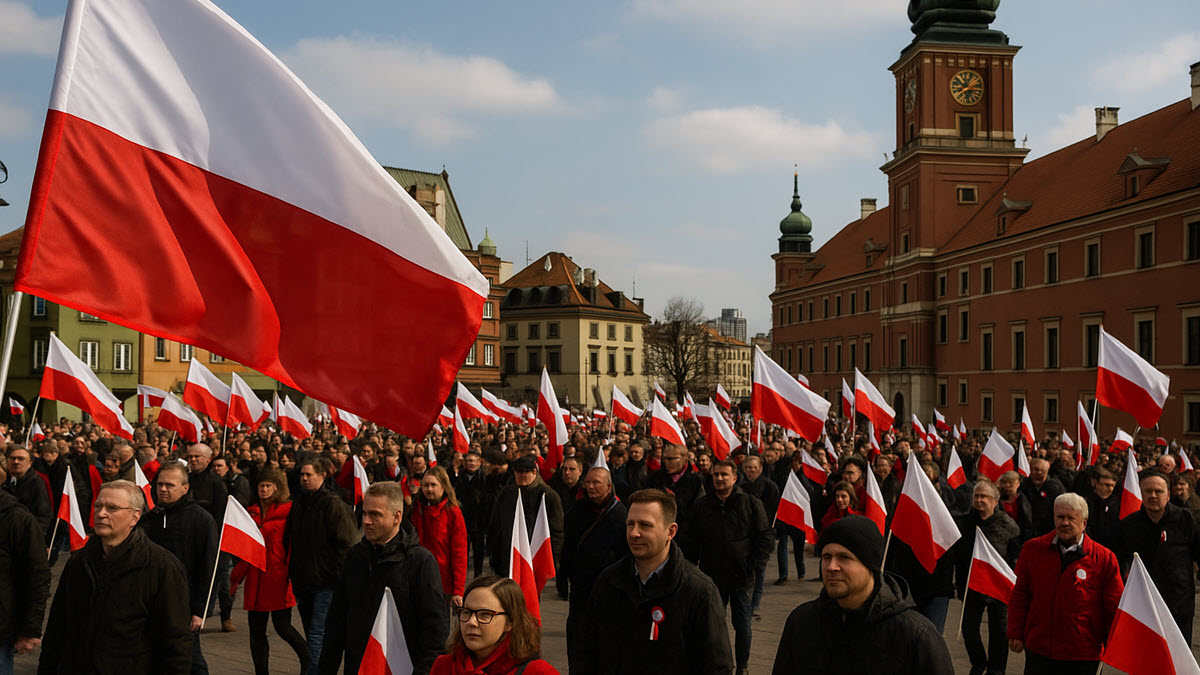
Independence Day (Poland)
Independence Day in Poland marks the country’s regaining of independence in 1918 after 123 years of partitions by Russia, Prussia, and Austria. It honors the restoration of the Polish state and the efforts of national heroes like Józef Piłsudski. It is a symbol of freedom, resilience and unity for the Polish people.
-
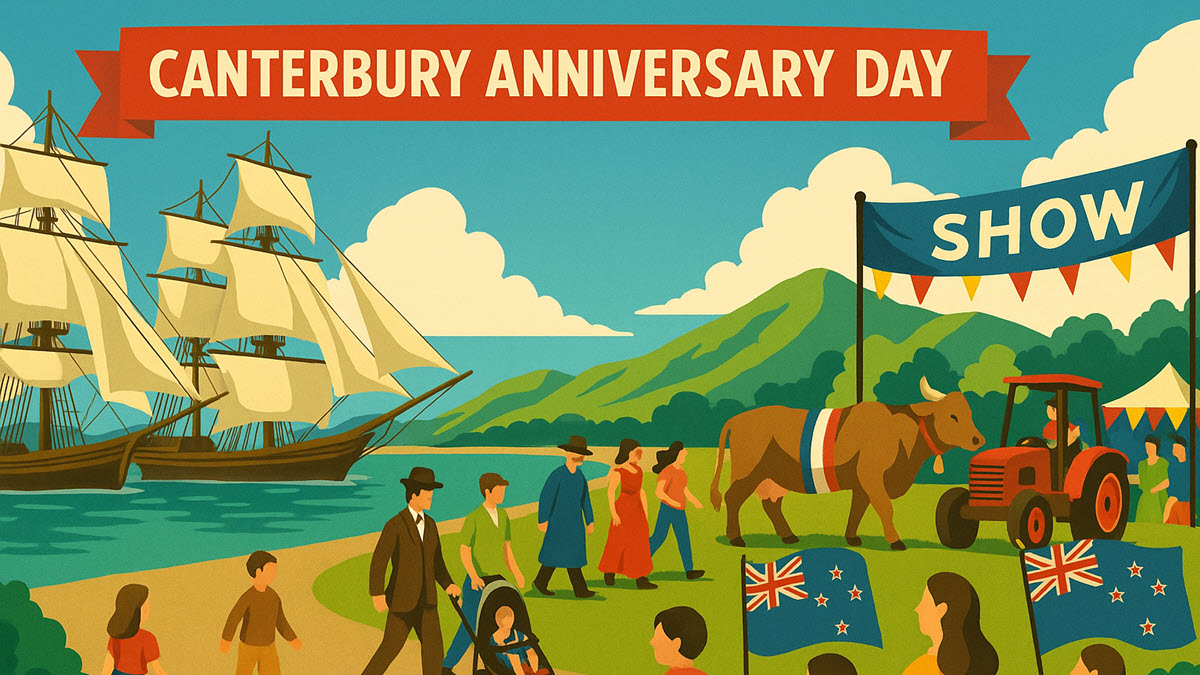
Canterbury Anniversary Day
Canterbury Anniversary Day commemorates the arrival of the First Four Ships in 1850 and the founding of the Canterbury Province. Though linked to December 16, it is now observed on the Show Day in November, marked by agricultural fairs, community events and a regional holiday.
-
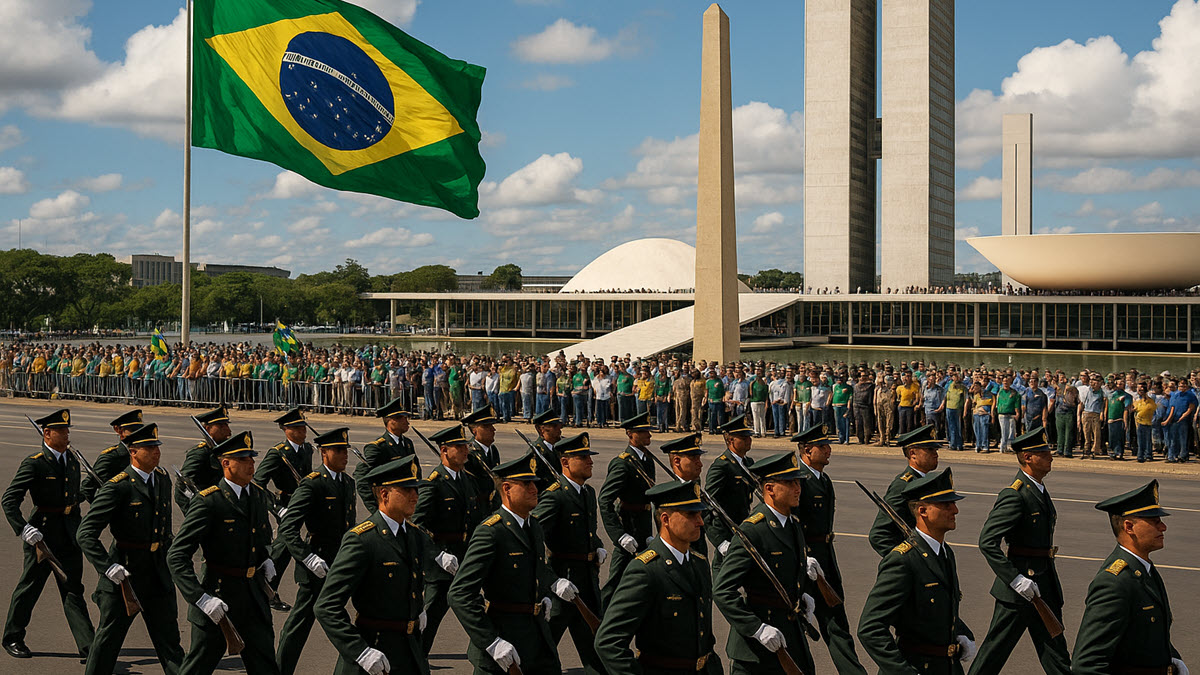
Republic Day (Brazil)
Republic Day in Brazil marks the 1889 proclamation that ended the monarchy and established the Federative Republic of Brazil. The day commemorates the peaceful military movement led by Marshal Deodoro da Fonseca, which ushered in a new era of republican governance. It is observed with civic ceremonies, parades, and educational events, honoring Brazil’s transition to a modern state grounded in citizenship, democracy, and national identity.