Historical Holiday
Events
-
-
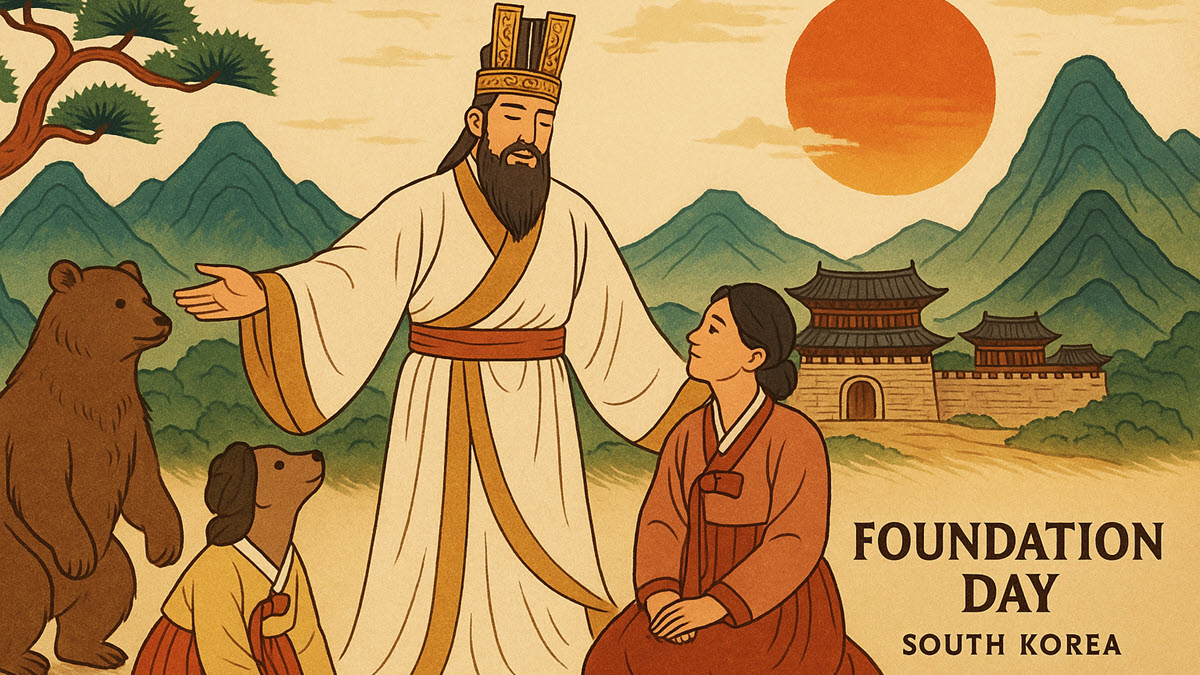
Foundation Day (South Korea)
Foundation Day commemorates the legendary founding of Gojoseon by Dangun in 2333 BCE. Revived by Korean nationalists during Japanese rule and made a national holiday in 1949, it remains a day of pride, unity, and remembrance of Korea’s ancient origins.
-
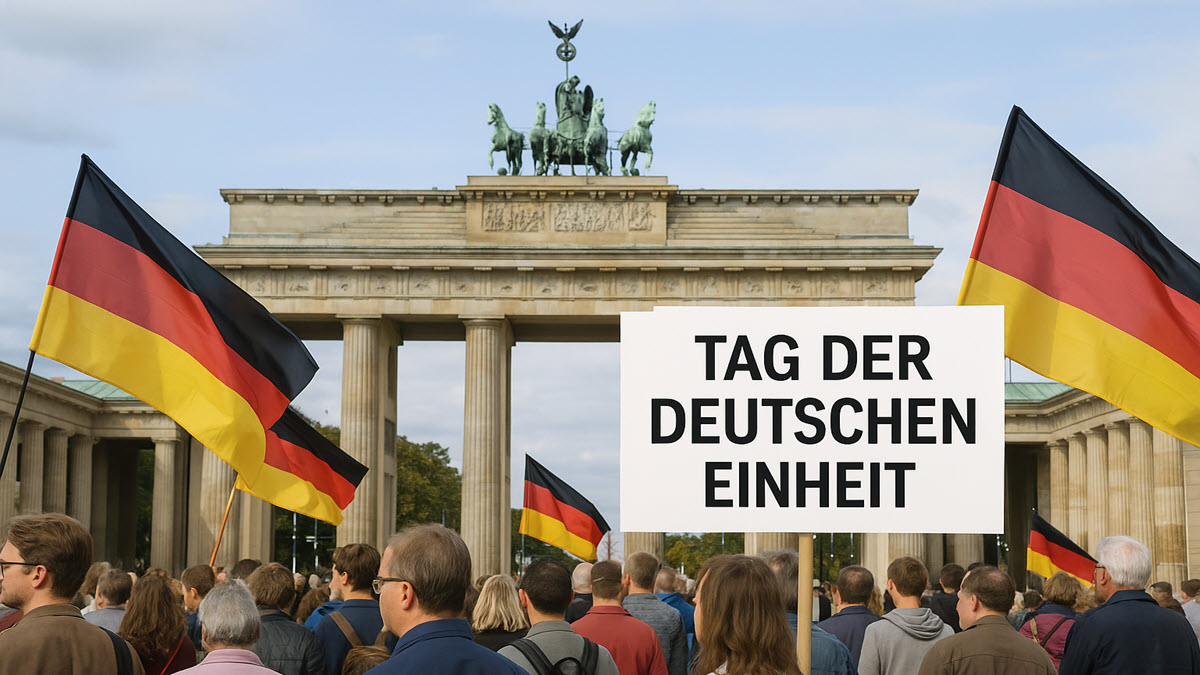
German Unity Day
German Unity Day commemorates the reunification of Germany in 1990, when the German Democratic Republic (East Germany) officially joined the Federal Republic of Germany (West Germany).
-
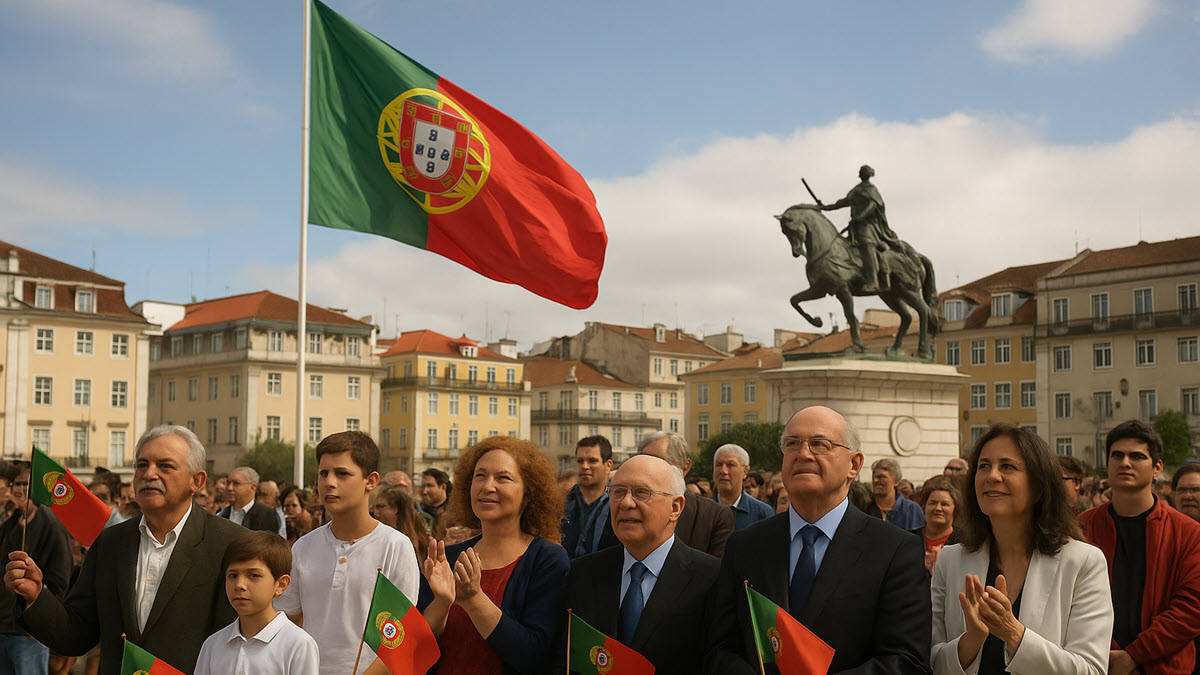
Republic Day (Portugal)
Republic Day in Portugal marks the establishment of the Portuguese Republic in 1910, ending over seven centuries of monarchy. The day commemorates the revolution that began in Lisbon and ushered in a new era of democracy, secularism and modern governance. Republic Day honors Portugal’s transition to a republican state and the enduring values of freedom, equality and civic participation.
-

Mid-Autumn Festival
The Mid-Autumn Festival (中秋节) is one of the most significant traditional Chinese festivals. The festival is marked by family reunions and enjoying mooncakes. It symbolizes thanksgiving and harvest celebration.
-

Labour Day in Australian Capital Territory
Labour Day in Australia is a public holiday that honours the achievements of workers and the labour movement, particularly the establishment of the eight-hour workday. The holiday is observed on different dates across Australian states and territories.
-
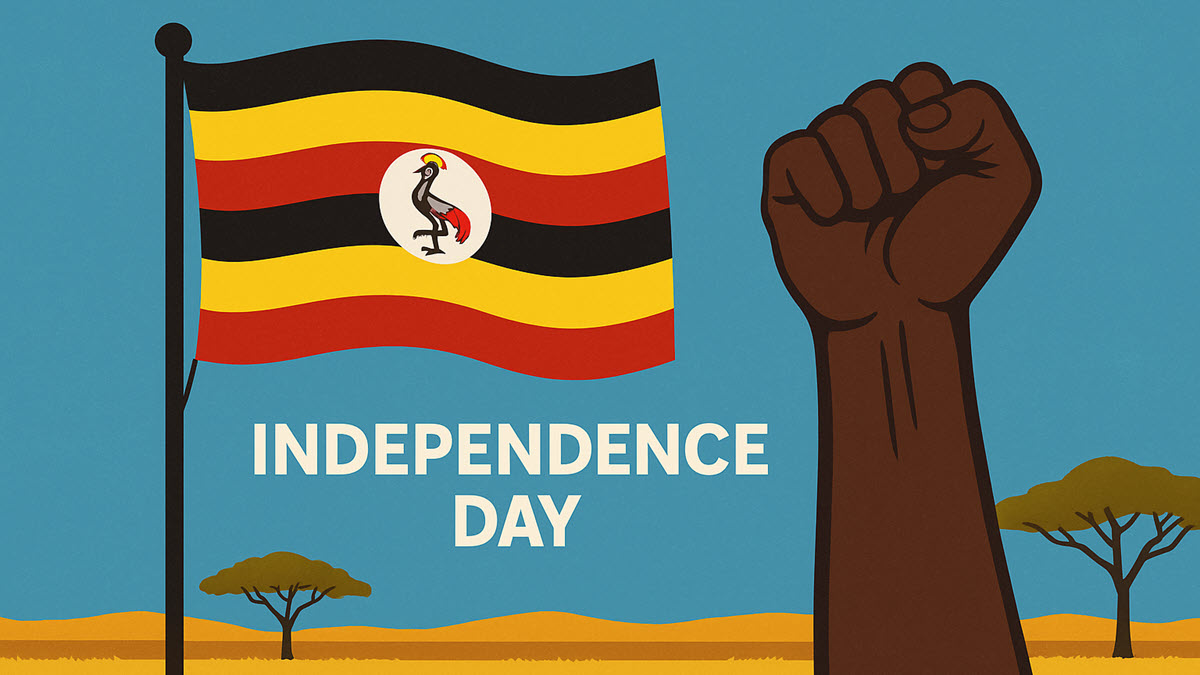
Independence Day (Uganda)
Independence Day in Uganda marks the day in 1962 when Uganda gained independence from British colonial rule, becoming a sovereign nation after nearly 70 years under British administration.
-
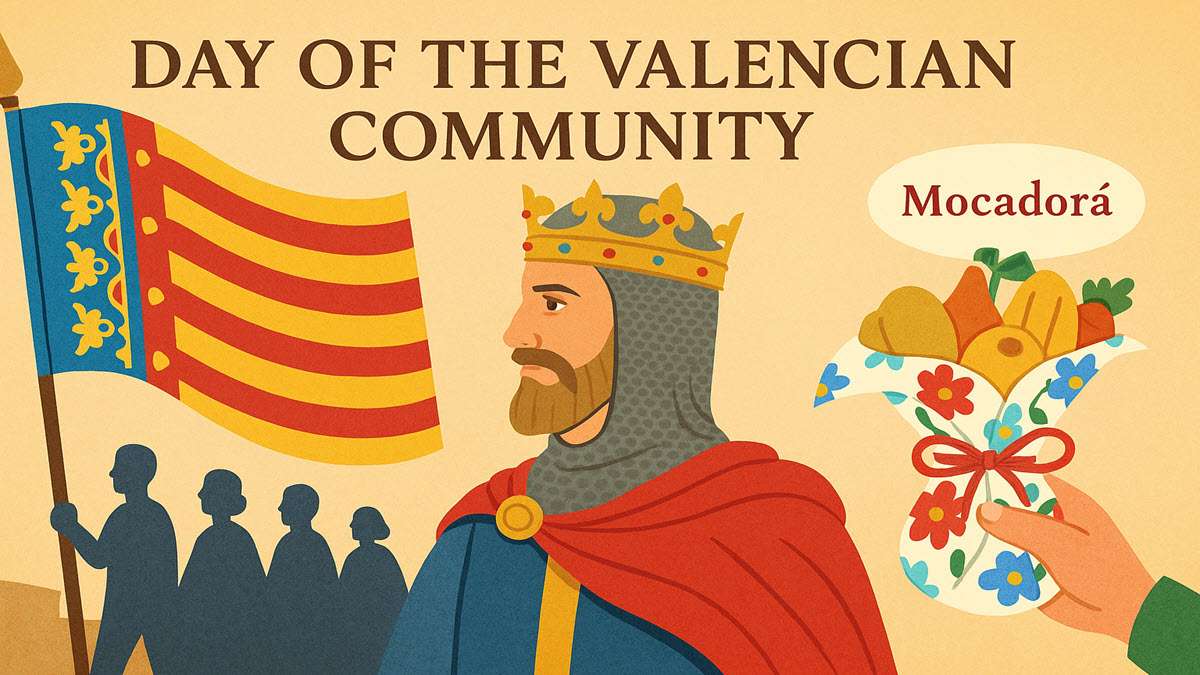
Day of Valencian Community
The Day of the Valencian Community commemorates both the 1238 conquest of Valencia by James I of Aragon and the region’s modern Statute of Autonomy (1982). It blends solemn civic traditions with festive customs such as the Mocadorà, making it both a patriotic and popular holiday.
-
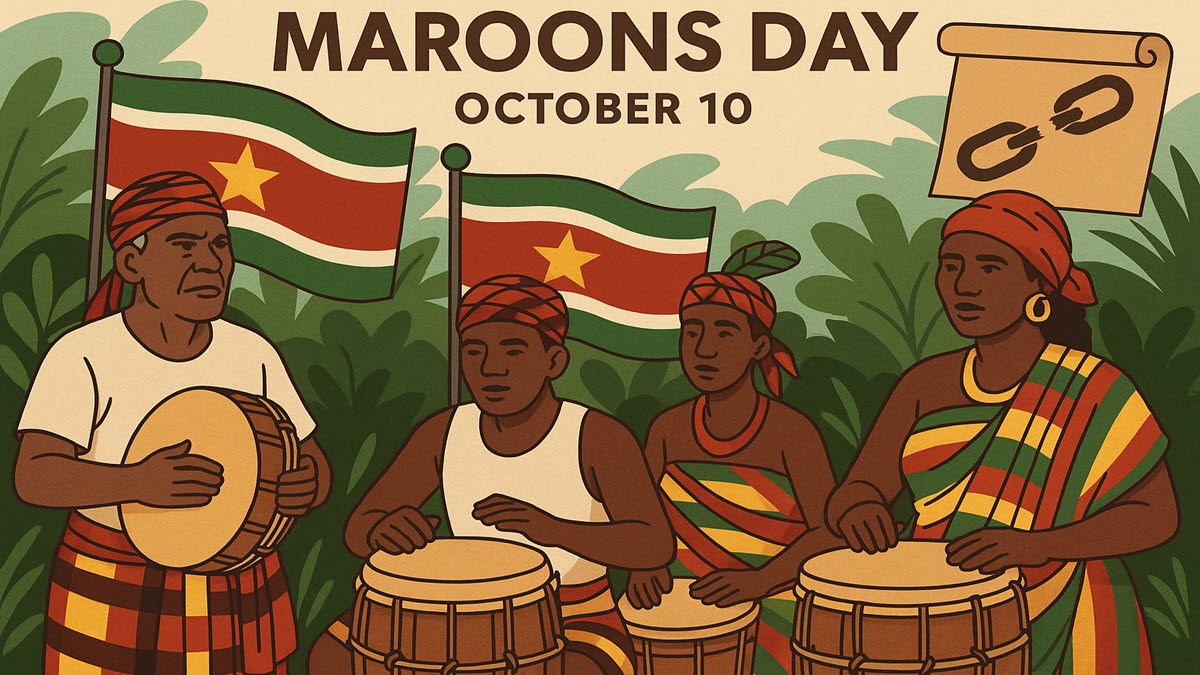
Maroons Day
Maroons Day in Suriname commemorates the 1760–1762 peace treaties between escaped enslaved Africans and the Dutch. Recognized as a national holiday since 2011, it celebrates the resilience and cultural heritage of Maroon communities, with festivals, music and remembrance of their struggle against slavery.
-
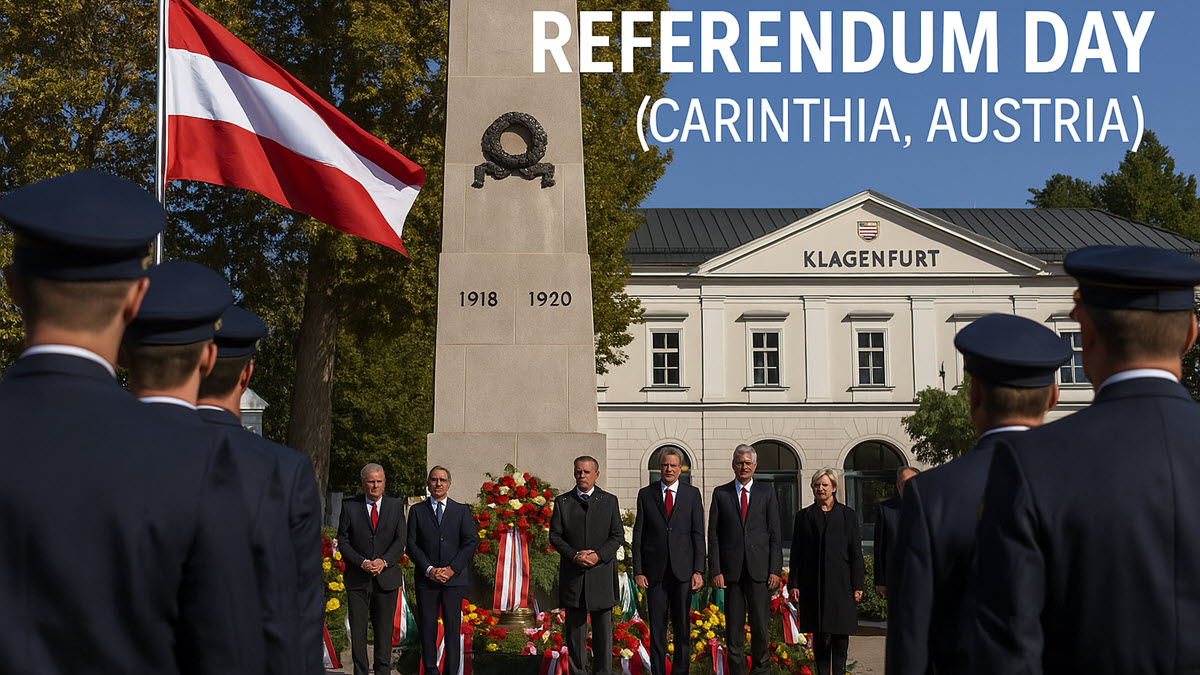
Referendum Day (Austria)
Referendum Day in Carinthia, Austria commemorates the 1920 plebiscite, when the people of southern Carinthia chose to remain part of Austria, shaping the state’s borders and cultural identity.
-
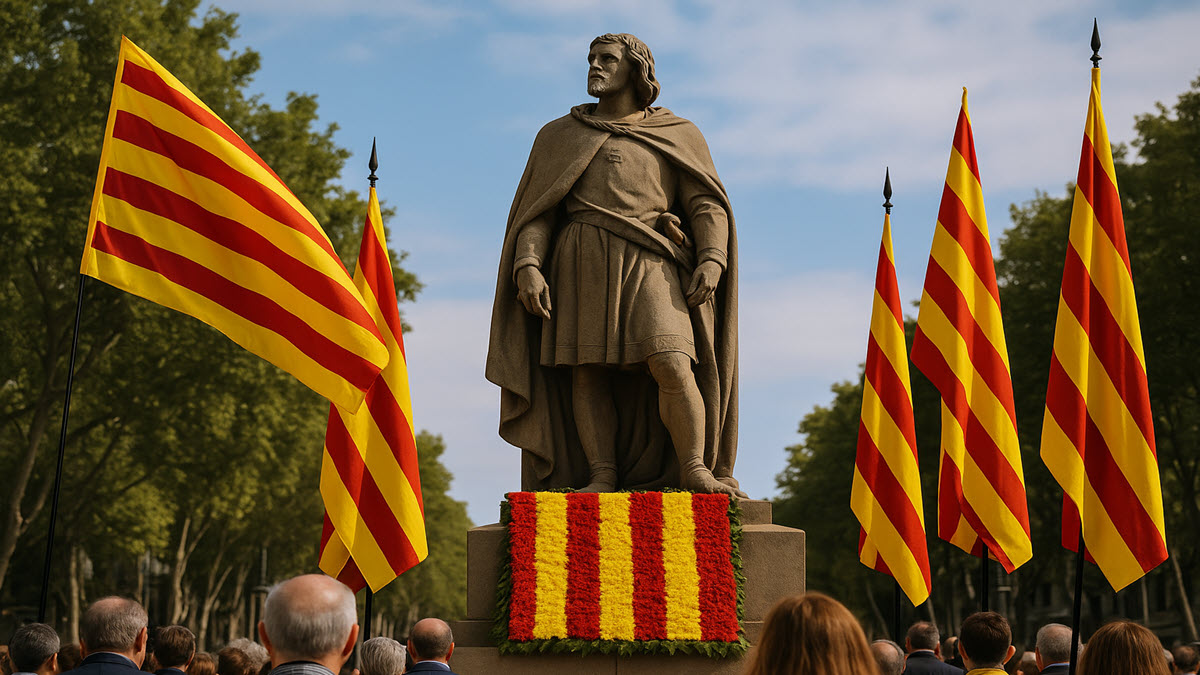
Day of Catalonia
The Day of Catalonia originated as a remembrance of the 1714 defeat but has evolved into a powerful expression of Catalonia’s culture, history, and political struggle for autonomy or independence.
-
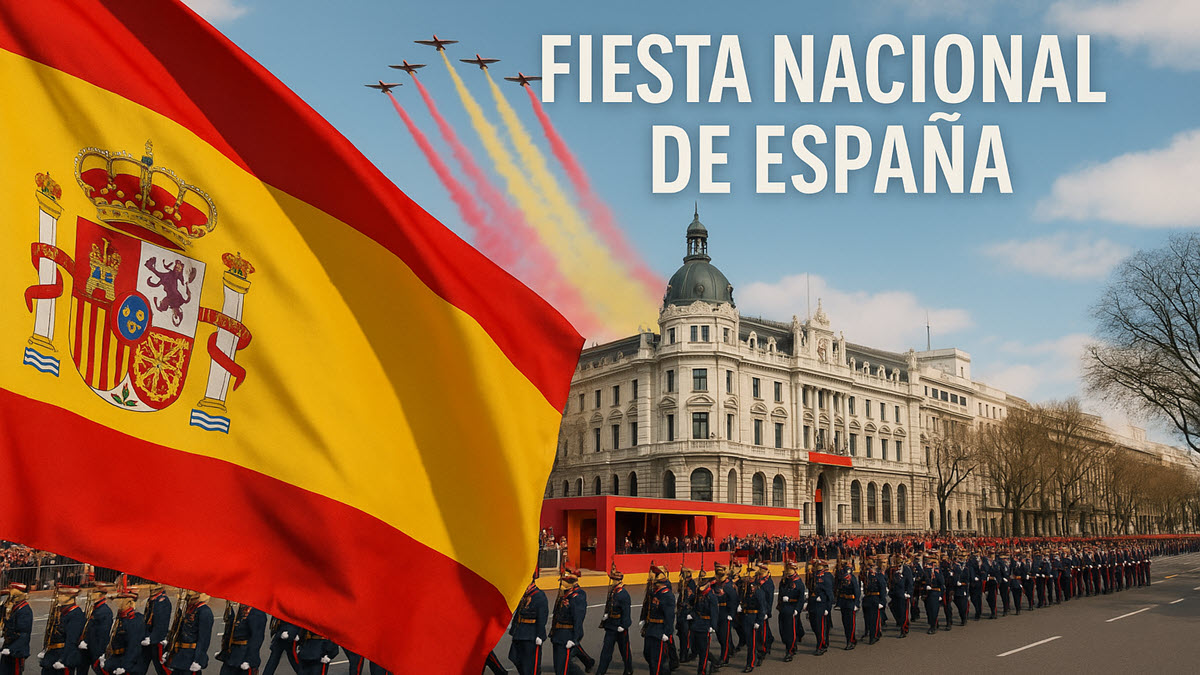
National Day Spain
Spain’s National Day Spain’s National Day on October 12 marks the anniversary of Columbus’s 1492 voyage. Today, it symbolizes Spanish unity, culture, and global ties, though it also invites reflection on Spain’s colonial past.
-
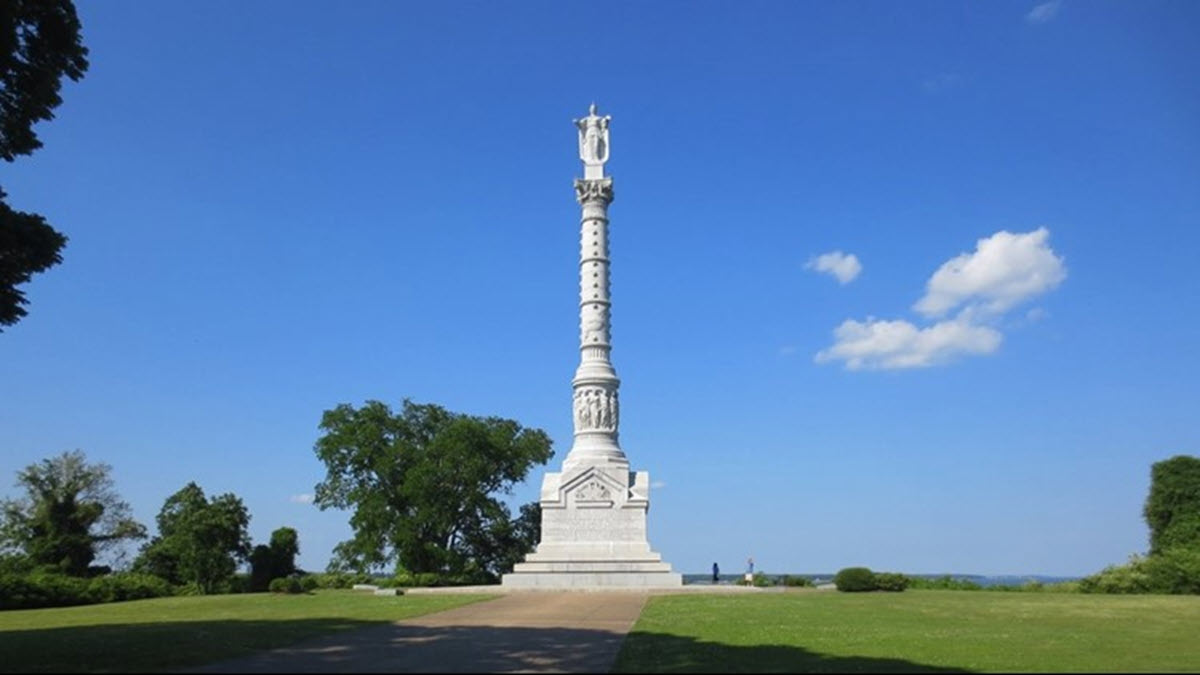
Yorktown Victory Day
Yorktown Victory Day commemorates the decisive victory at the Battle of Yorktown, which was the last major battle of the American Revolutionary War.