Historical Holiday
-
-
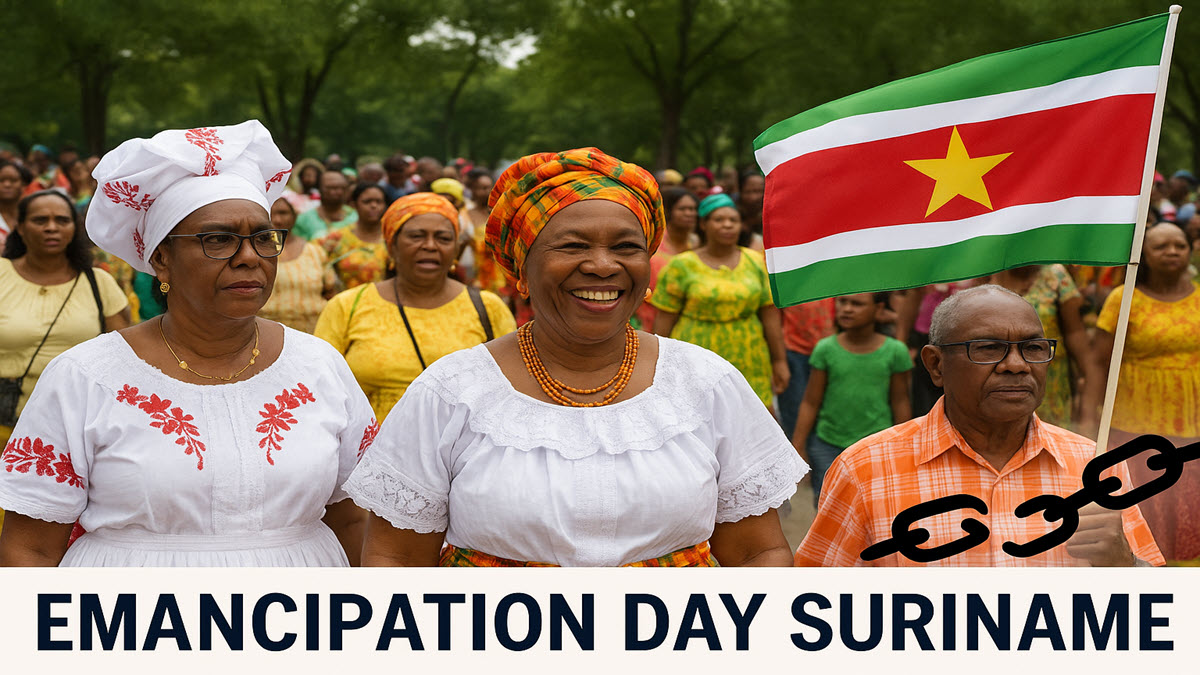
Emancipation Day Suriname
Emancipation Day in Suriname, known as Keti Koti, is to mark the abolition of slavery in 1863 (with full freedom realized in 1873). Celebrated with ceremonies, parades, music, and traditional dress, it is a national day of remembrance and cultural pride, symbolizing the breaking of chains and the enduring spirit of freedom.
-
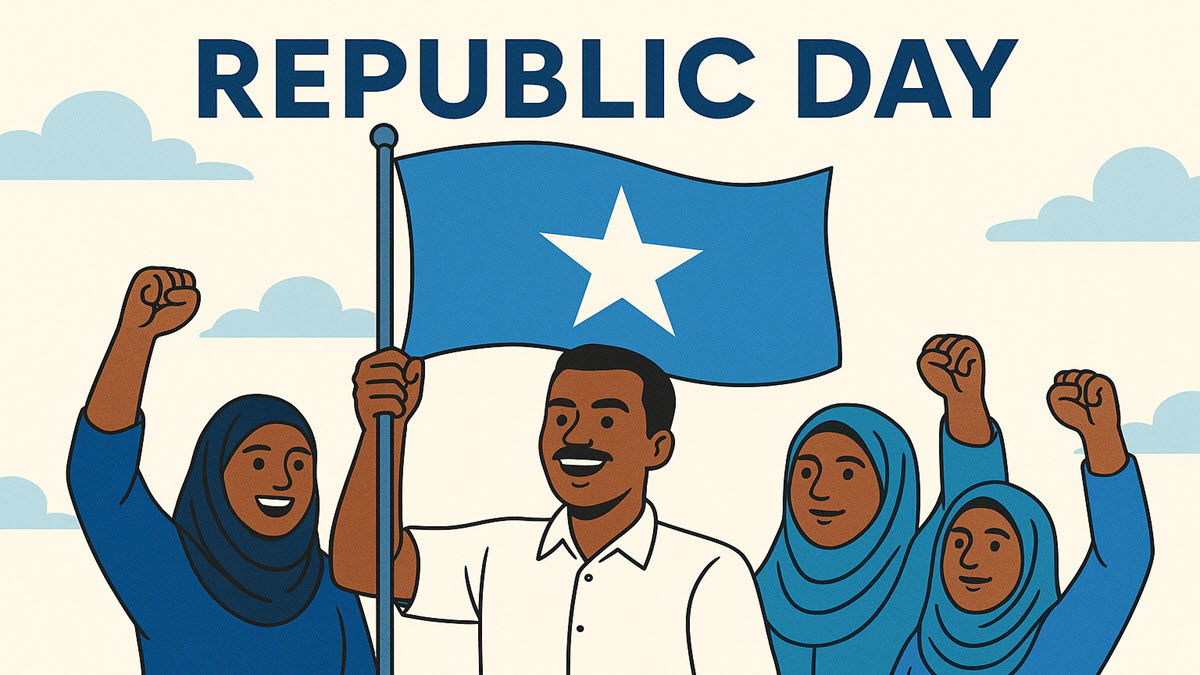
Republic Day (Somalia)
Republic Day marks the unification of British Somaliland and Italian Somaliland into the Somali Republic, establishing Somalia as an independent, modern nation for the first time.
-
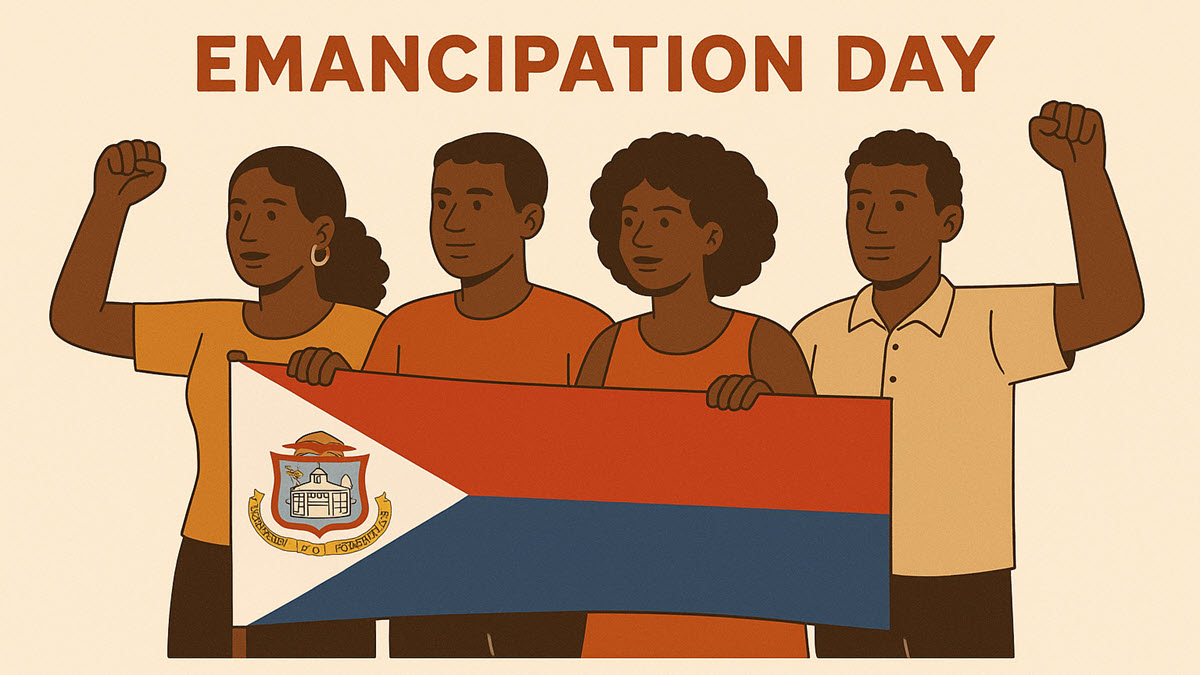
Emancipation Day (Sint Maarten)
Emancipation Day in Sint Maarten () commemorates the abolition of slavery in 1863, was officially declared a public holiday in 2012, and today serves as a day of remembrance, reflection, and celebration of cultural identity and freedom.
-
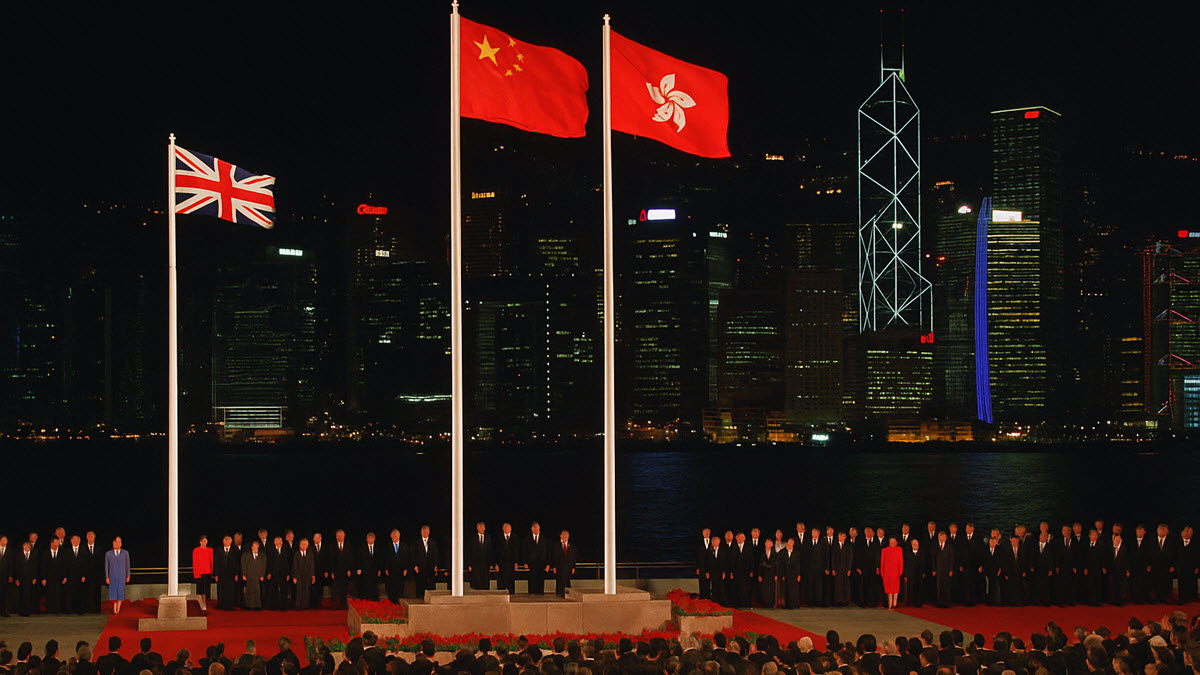
Hong Kong Special Administrative Region Establishment Day
Hong Kong Special Administrative Region (HKSAR) Establishment Day marks the transfer of sovereignty from the United Kingdom to China in 1997 and the creation of the Hong Kong SAR under the principle of "one country, two systems". It is a public holiday observed with official ceremonies, flag-raising events, and community celebrations that reflect Hong Kong’s unique identity and connection with both China and the world.
-
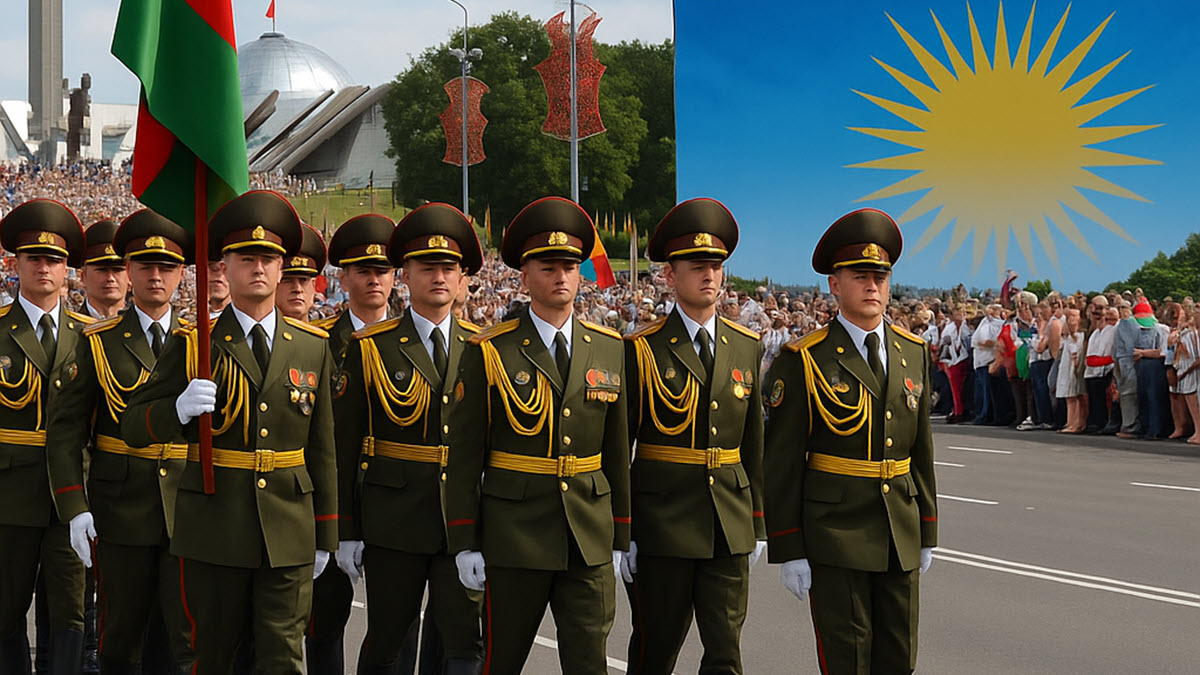
Independence Day (Belarus)
Independence Day in Belarus marks the liberation of Minsk from Nazi occupation in 1944 during World War II. It honors both the nation’s freedom and the immense sacrifices made for it. Citizens across the country gather to celebrate unity, resilience, and the enduring spirit of the Belarusian people, linking the victory of the past with the independence and strength of the modern nation.
-
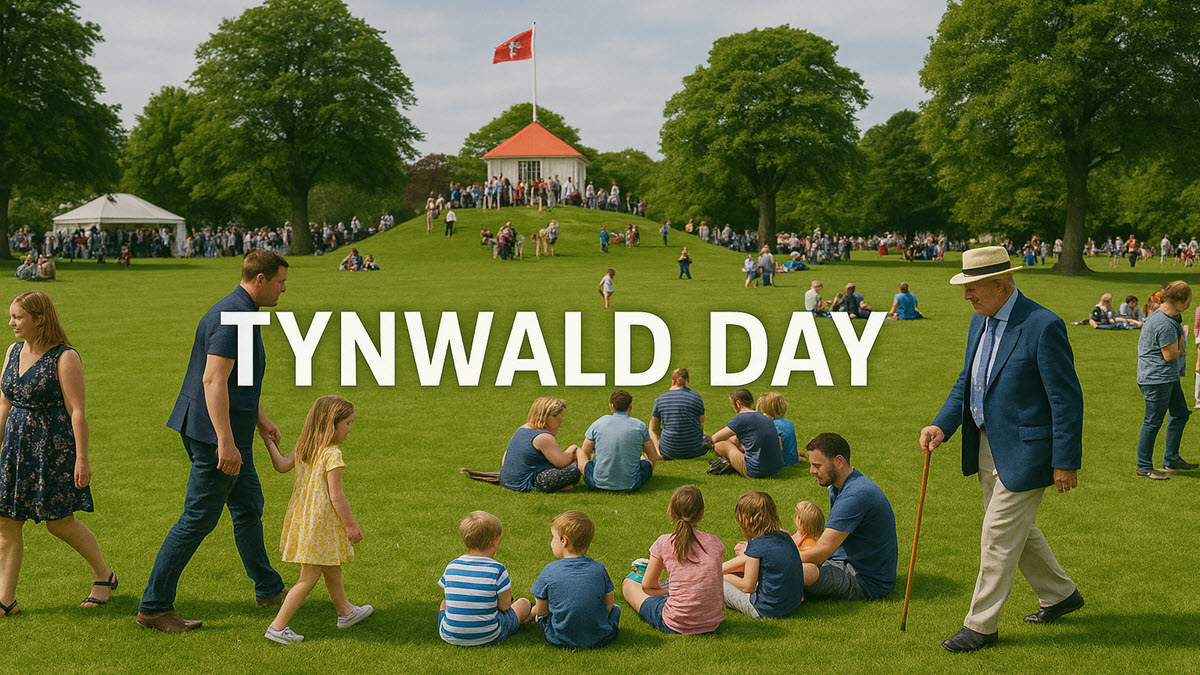
Tynwald Day
Tynwald Day is the national day of the Isle of Man. It features the world’s oldest continuous parliament meeting in a traditional open-air ceremony at St. John's, where new laws are proclaimed and Manx heritage is celebrated.
-
Virgin Islands Day
Virgin Islands Day is a public holiday in the British Virgin Islands that celebrates the territory’s culture, heritage and identity, replacing Territory Day in 2020.
-
Saba Saba Day
Saba Saba Day (meaning "Seven Seven" in Swahili, referring to July 7) is a national day of political and economic importance in Tanzania. It originated as the anniversary of the founding of the Tanganyika African National Union (TANU) in 1954, which led the fight for independence from British colonial rule. Over time, it has also become associated with the Dar es Salaam International Trade Fair (DITF), one of the largest trade fairs in East Africa.
-
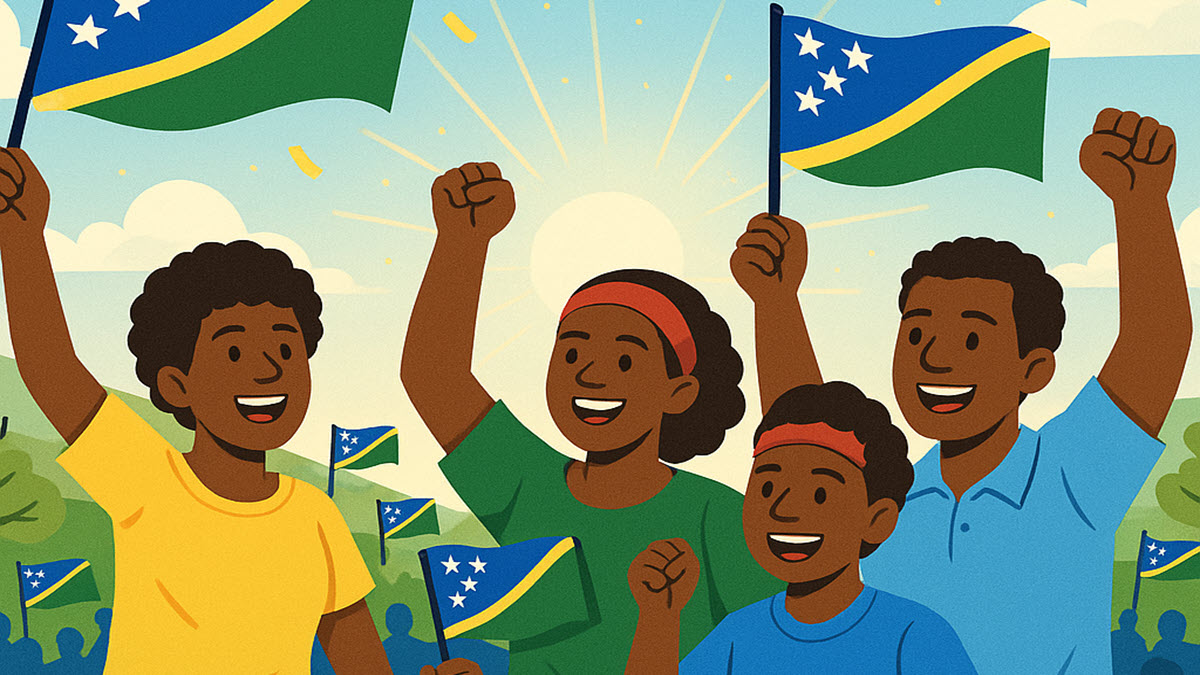
Independence Day (Solomon Islands)
Independence Day in the Solomon Islands commemorates the country’s freedom from British colonial rule on July 7, 1978, celebrated with parades, cultural events and national pride across the islands.
-
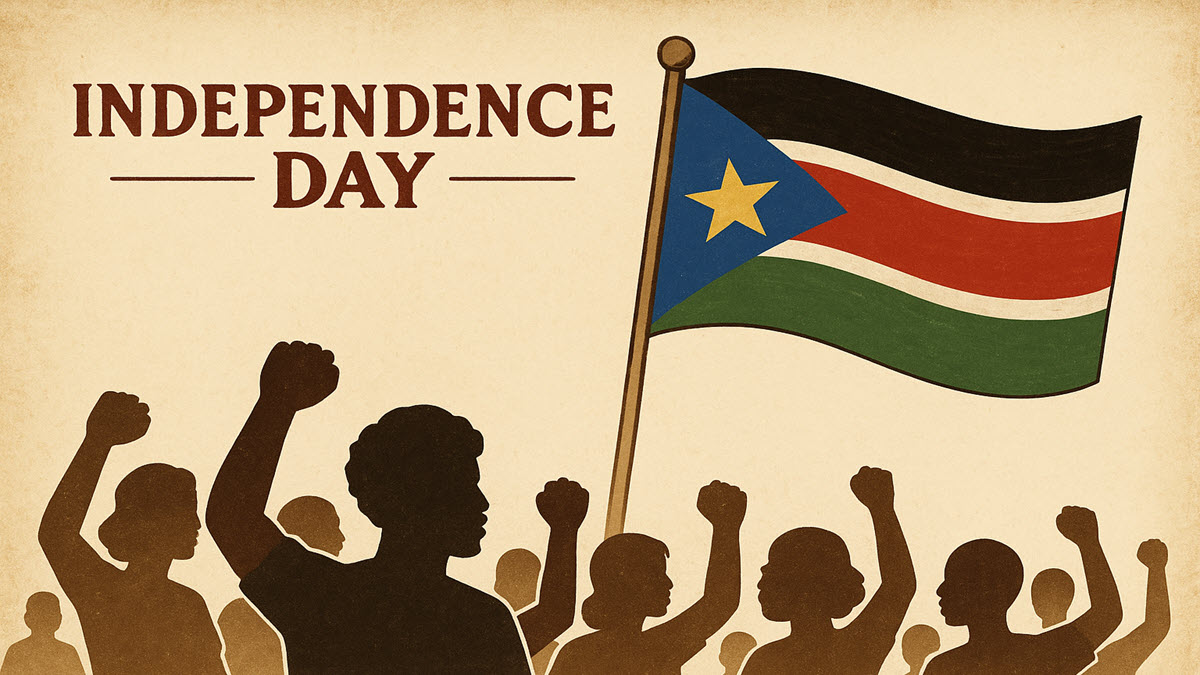
Independence Day (South Sudan)
Independence Day celebrates South Sudan’s birth as a sovereign nation after decades of war, a hard-won referendum, and global recognition as the world’s newest country.
-

Independence Day in The Bahamas
Independence Day in The Bahamas marks the country’s full independence from British colonial rule in 1973, making it a sovereign nation and a proud member of the Commonwealth of Nations.
-
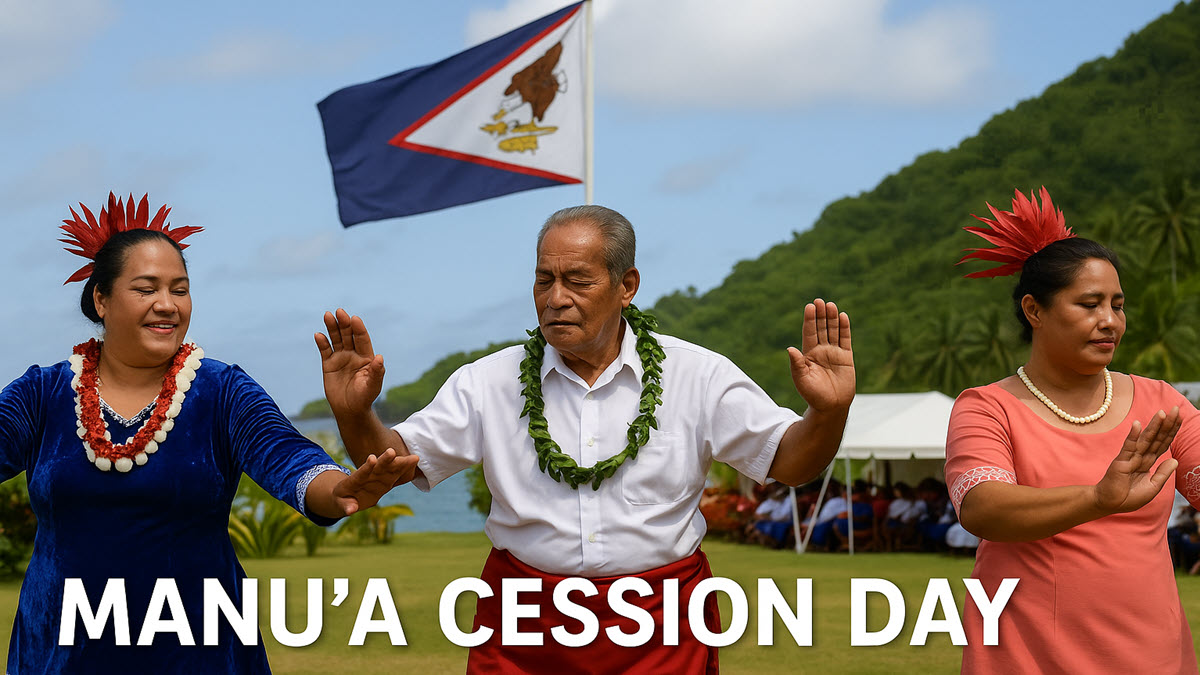
Manu'a Cession Day
Manu'a Cession Day commemorates the anniversary when Tui Manu'a Elisara and other chiefs signed the Treaty of Cession of Manu‘a on July 16, 1904, and the unity of all the Samoan islands within the territory of American Samoa.