Historical Holiday
-
-
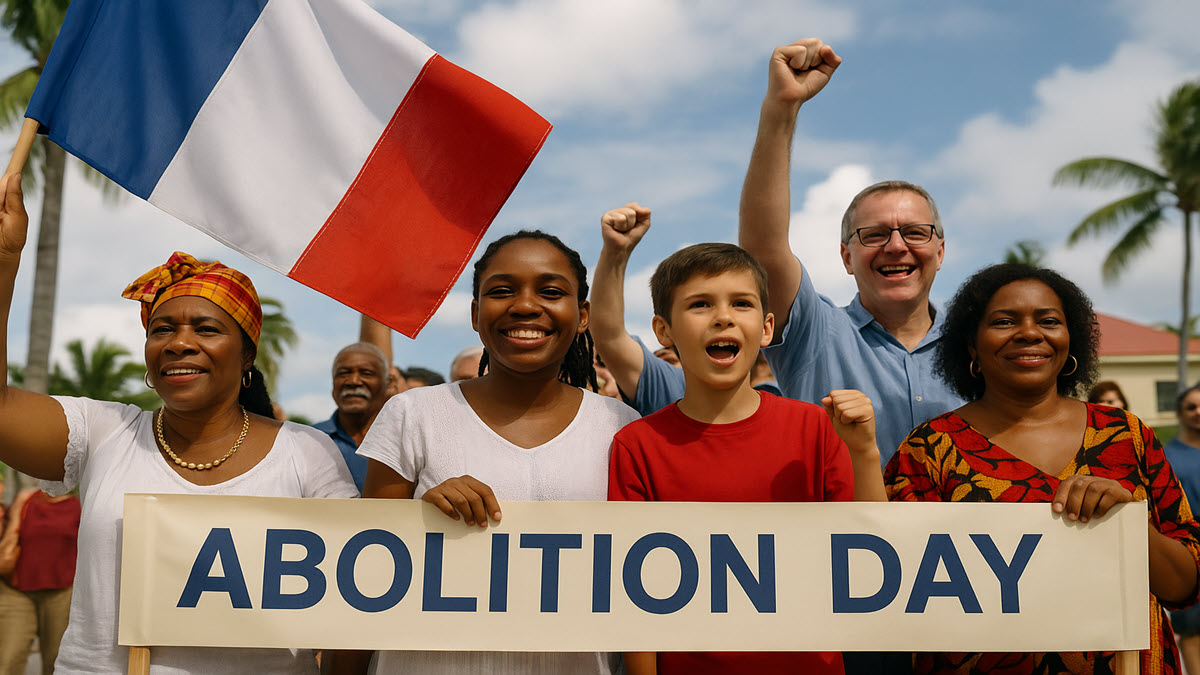
Abolition Day (Saint Martin)
Abolition Day in Saint Martin commemorates the 1848 abolition of slavery in the French Caribbean, honoring the struggles and resilience of enslaved people and celebrating freedom, heritage, and human dignity.
-
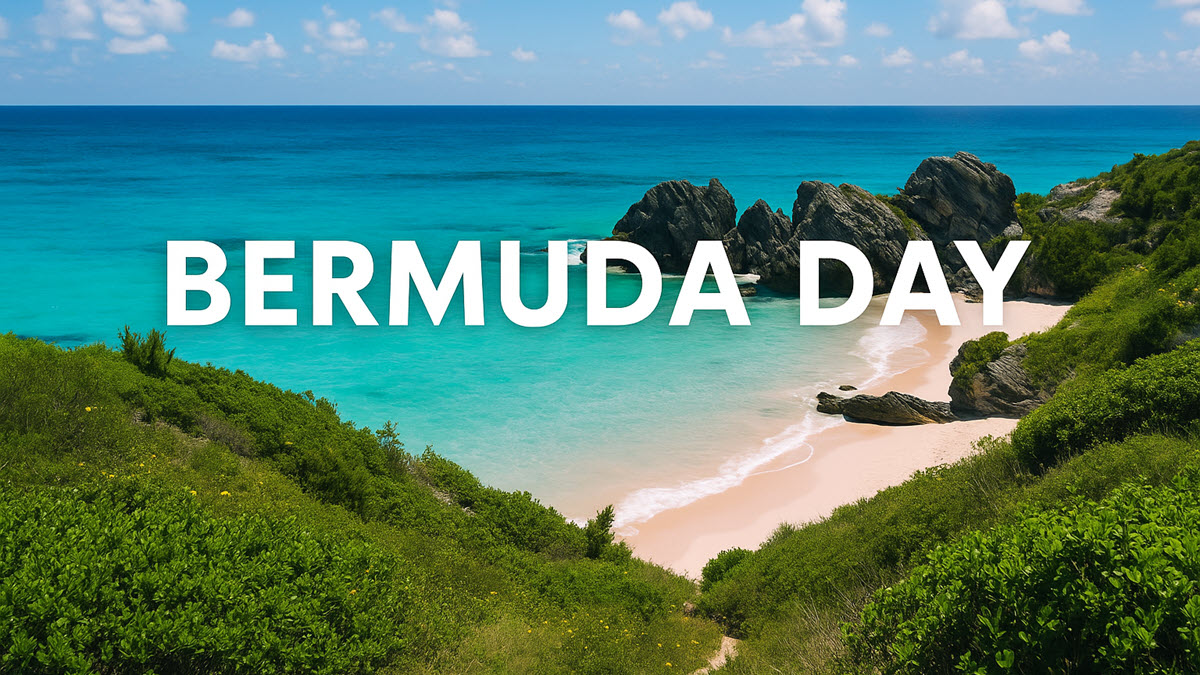
Bermuda Day
Bermuda Day marks the start of summer and is one of the island's most beloved holidays. Originally known as Empire Day, it evolved into a uniquely Bermudian celebration of national pride, culture, and heritage. Many islanders also take their first swim of the year and enjoy picnics or boat outings. Bermuda Day captures the island’s joyful spirit and sense of community, blending tradition and Caribbean flair.
-
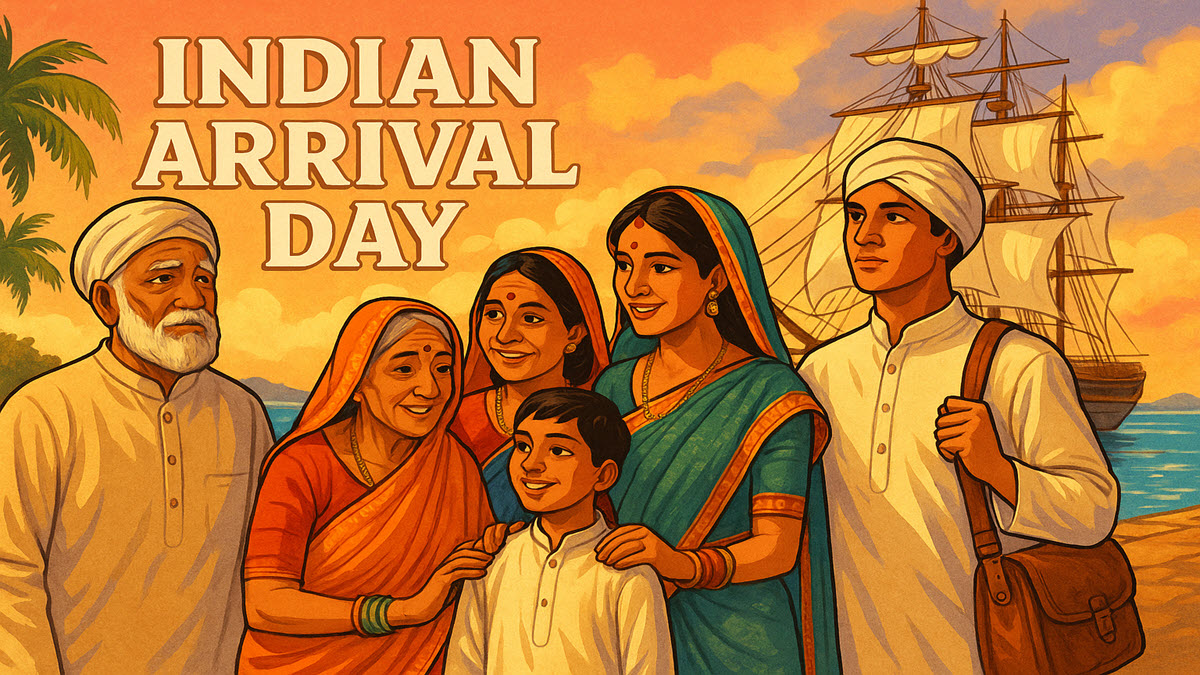
Indian Arrival Day
Indian Arrival Day is a national public holiday in Trinidad and Tobago to commemorate the arrival of the first Indian indentured laborers to the country in 1845. It honors the contributions, culture, and resilience of the Indo-Trinidadian community, whose ancestors came from India to work on sugar plantations after slavery was abolished.
-
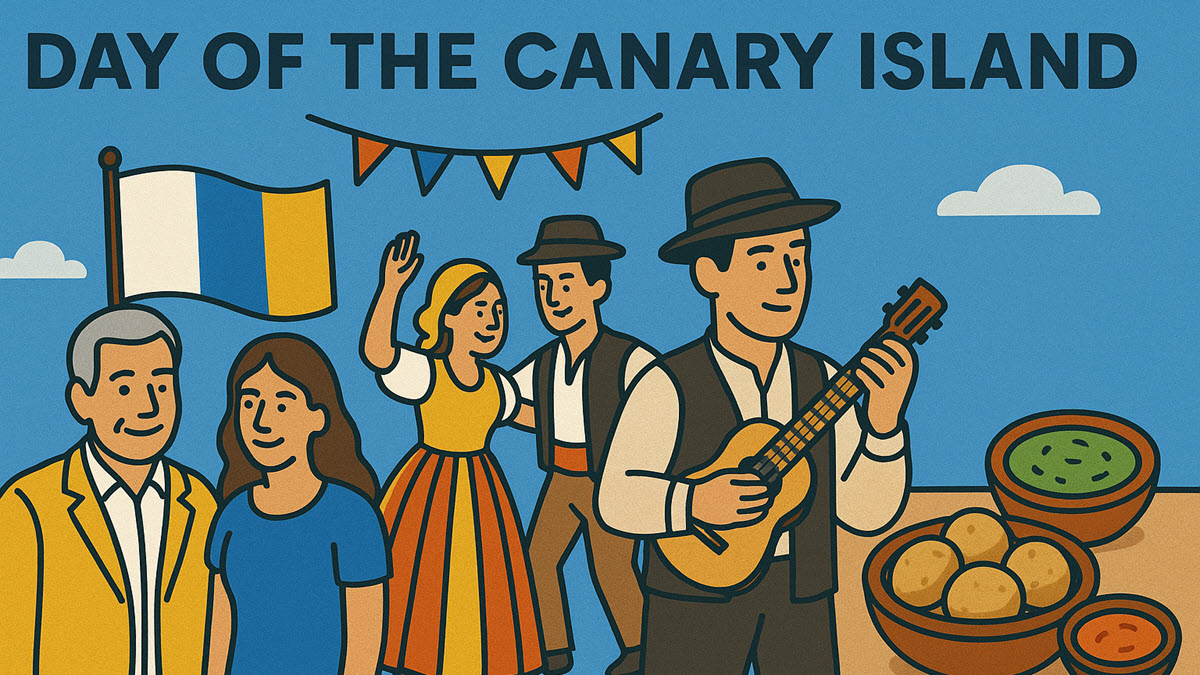
Day of the Canary Islands
The Day of the Canary Islands commemorates the first meeting of the Canary Islands Parliament on May 30, 1983, symbolizing both political autonomy and cultural pride.
-
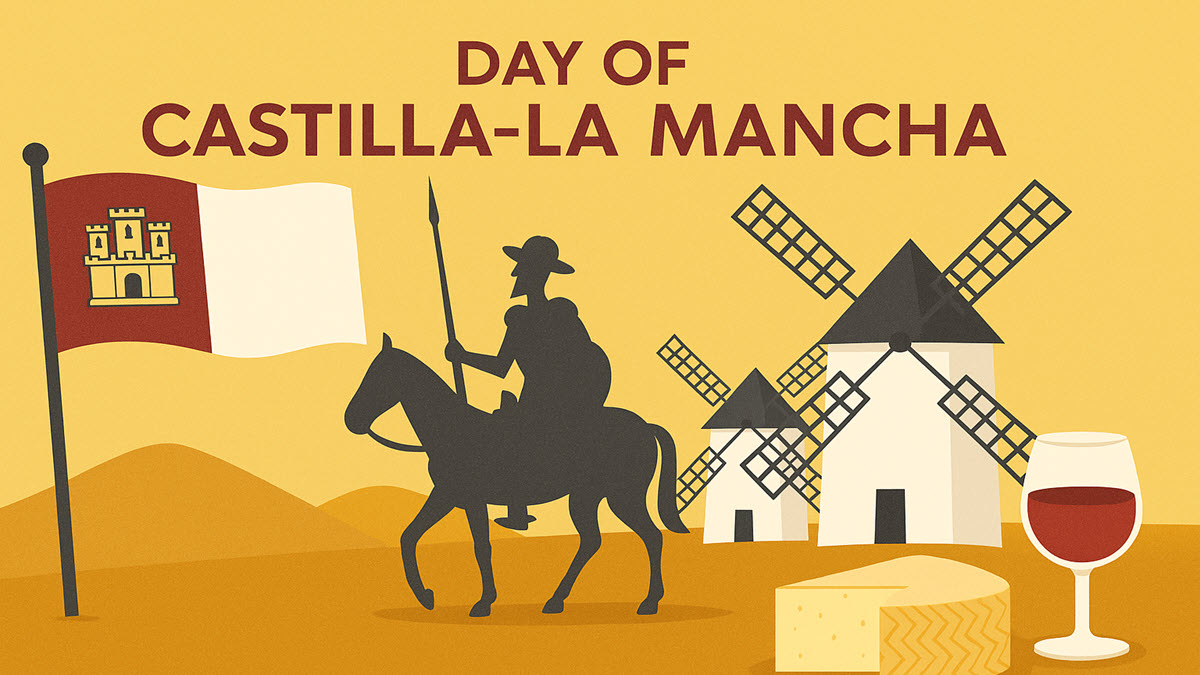
Day of Castilla–La Mancha
The Day of Castilla–La Mancha commemorates the creation of its autonomous institutions on May 31, 1983, following the Statute of Autonomy of 1982. It is celebrated each year with official honors and cultural festivities, symbolizing the region’s unity, traditions and self-government.
-
-
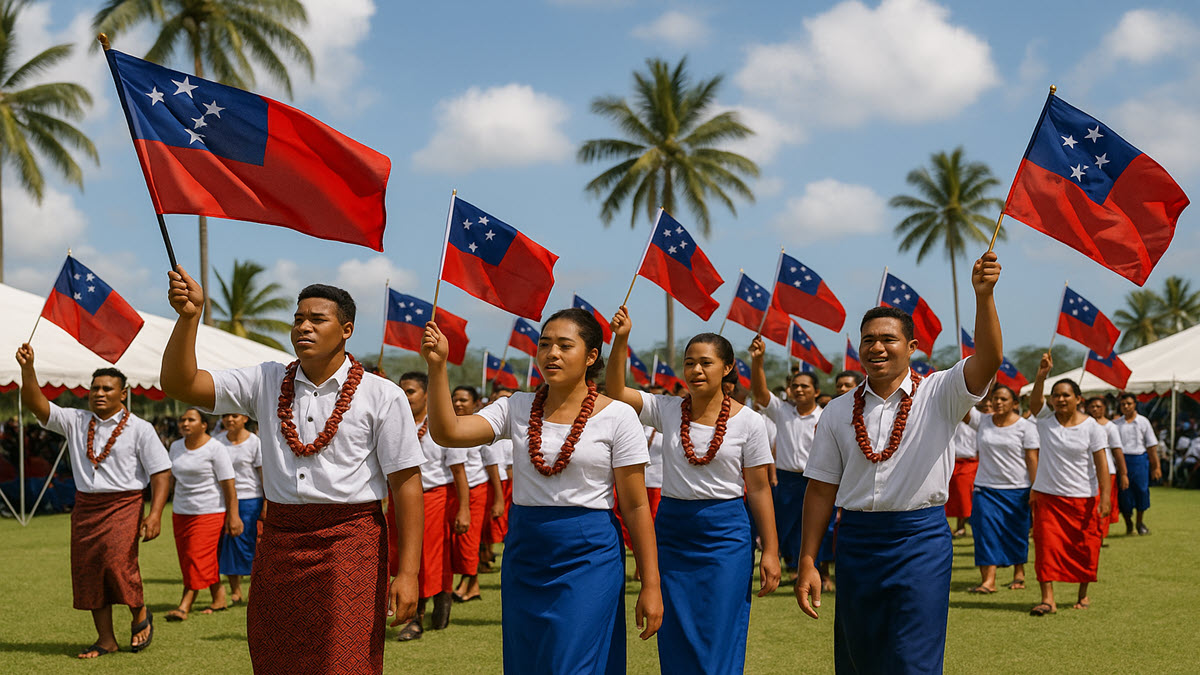
Independence Day (Samoa)
Independence Day in Samoa is marking the nation’s freedom in 1962 as the first Pacific Island country to gain independence. The day is honored with parades, cultural performances, church services and community gatherings that showcase Samoan pride and identity.
-
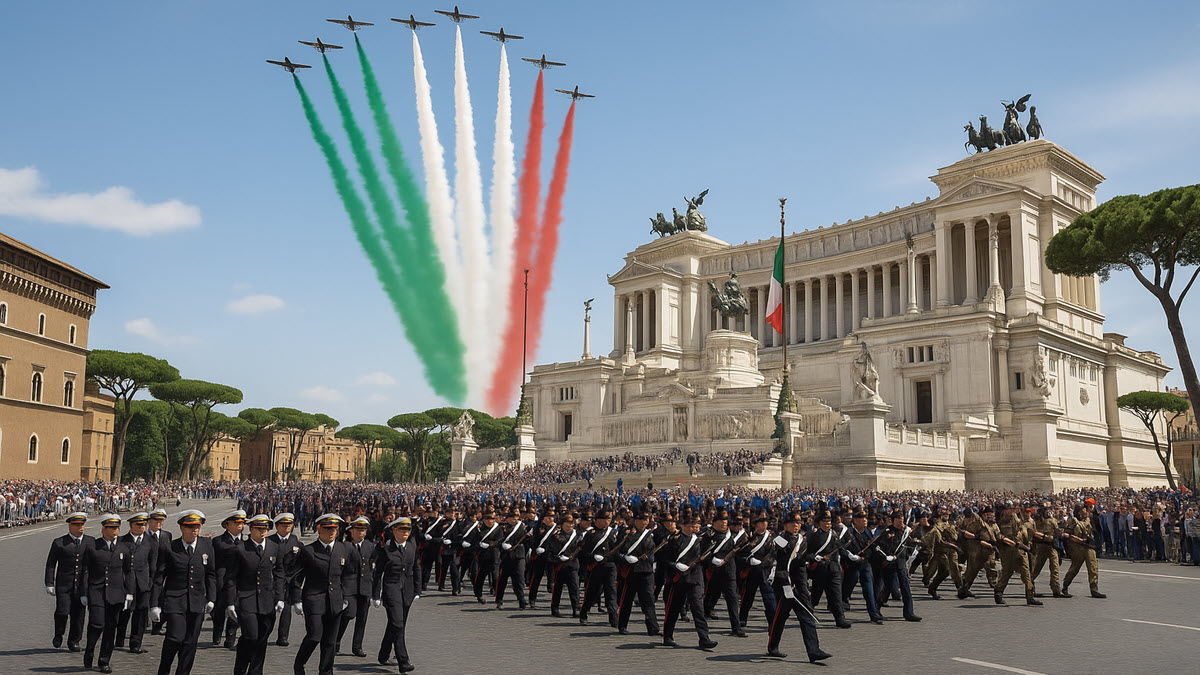
Republic Day (Italy)
Republic Day is a national holiday in Italy marking the 1946 referendum when Italians voted to abolish the monarchy and establish a republic. It was also the first election in which Italian women voted. The day is commemorated with a military parade in Rome, a wreath-laying at the Tomb of the Unknown Soldier, and an aerial show, symbolizing Italy’s rebirth as a free and democratic nation.
-
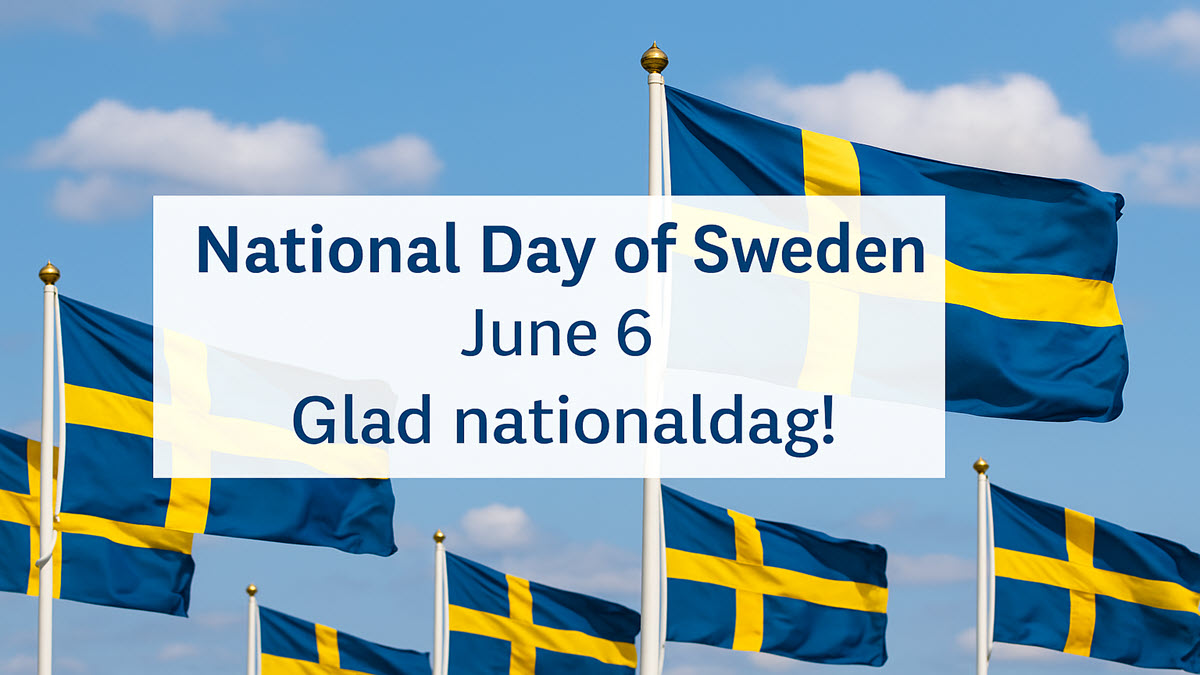
National Day Sweden
Sweden’s National Day commemorates Gustav Vasa’s 1523 election and the adoption of the 1809 constitution. Originating as Swedish Flag Day (1916), it became the official National Day in 1983 and a public holiday in 2005, marked by royal ceremonies at Skansen, flag-raisings, and citizenship events.
-

Emancipation Day in Tonga
Emancipation Day in Tonga is a deeply meaningful public holiday. It commemorates a monumental reform enacted in 1862 by King George Tupou I, who abolished serfdom and granted freedom and land rights to all commoners. It is one of the most historically significant dates in Tonga’s journey toward becoming a sovereign, modern nation.
-
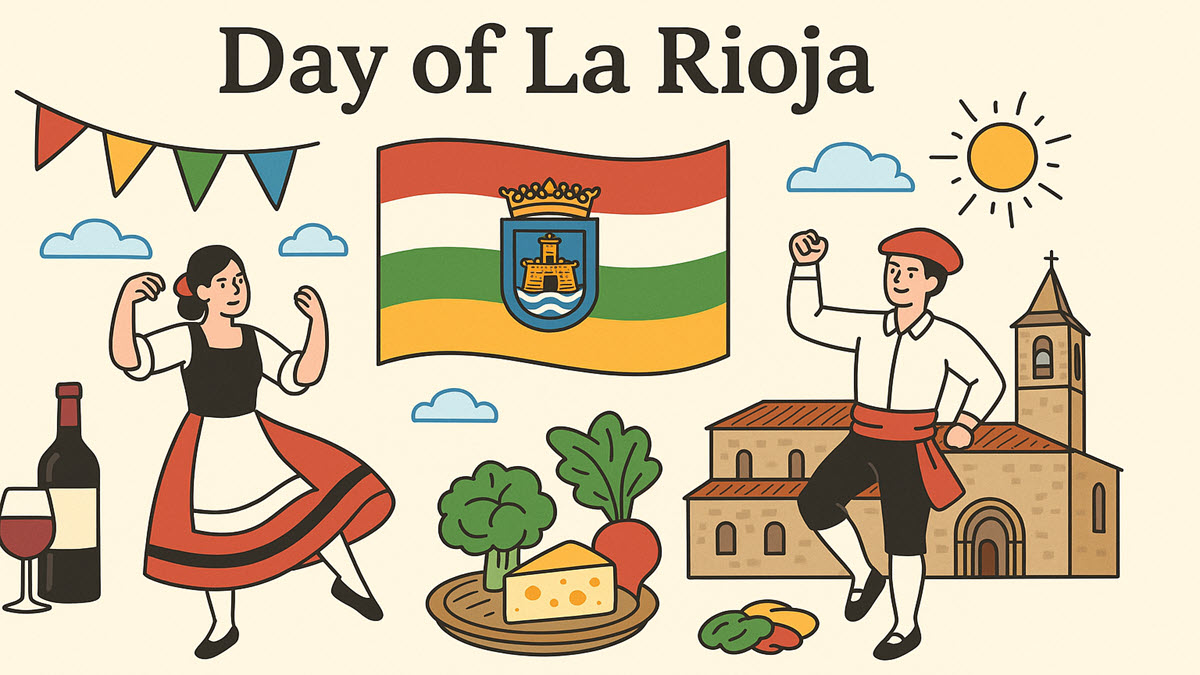
Day of La Rioja
The Day of La Rioja commemorates the region’s autonomy and identity, blending political history with cultural pride, traditional festivities, and the celebration of its rich wine and food heritage.
-
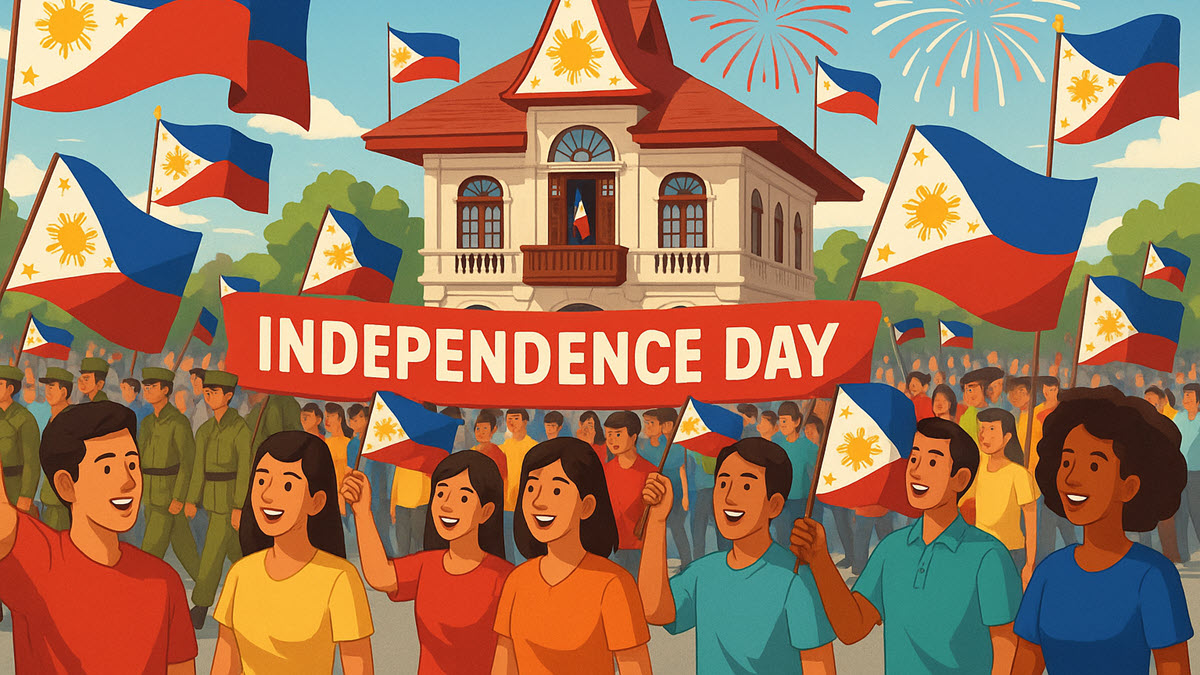
Independence Day (Philippines)
Independence Day in the Philippines commemorates June 12, 1898, when Filipinos, led by Emilio Aguinaldo, declared independence from Spain. Although sovereignty was delayed until July 4, 1946 due to U.S. and Japanese control, the celebration was moved to June 12 in 1962 to honor the nation’s original fight for freedom and self-determination.
-
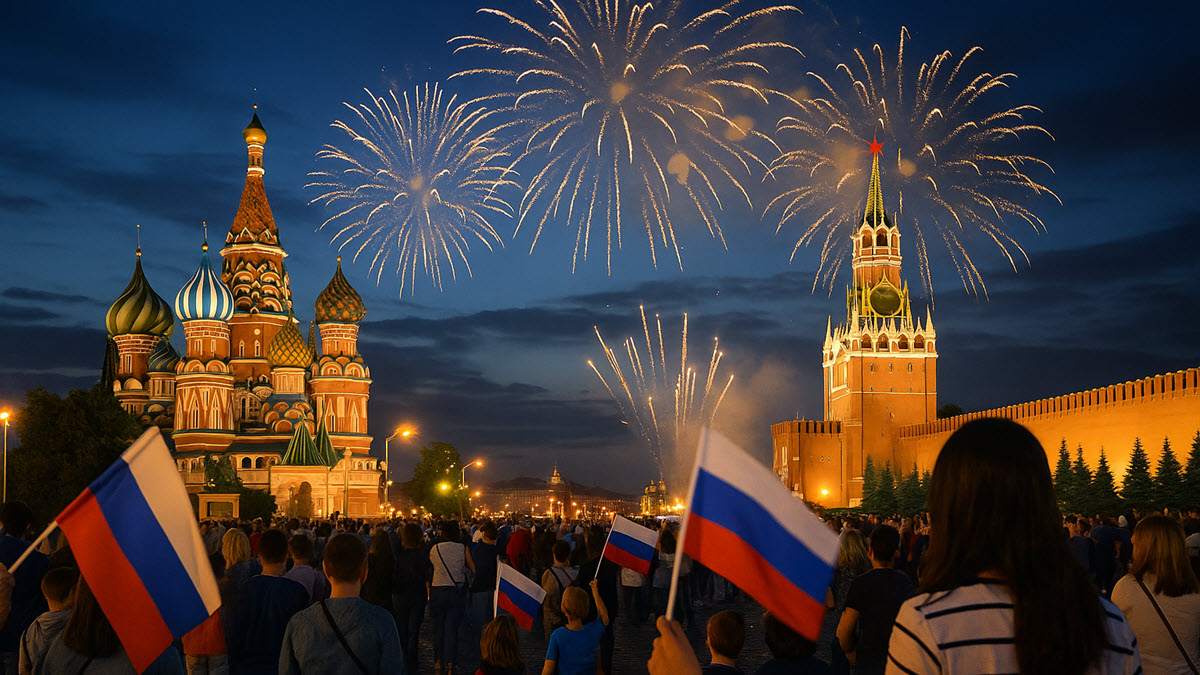
Russia Day
Russia Day marks the declaration of Russian sovereignty in 1990, symbolizing the country's independence, national pride, and renewal. It is a public holiday celebrated with concerts, fireworks and patriotic events across Russia, honoring its heritage and unity.