Historical Holiday
Events
-
-
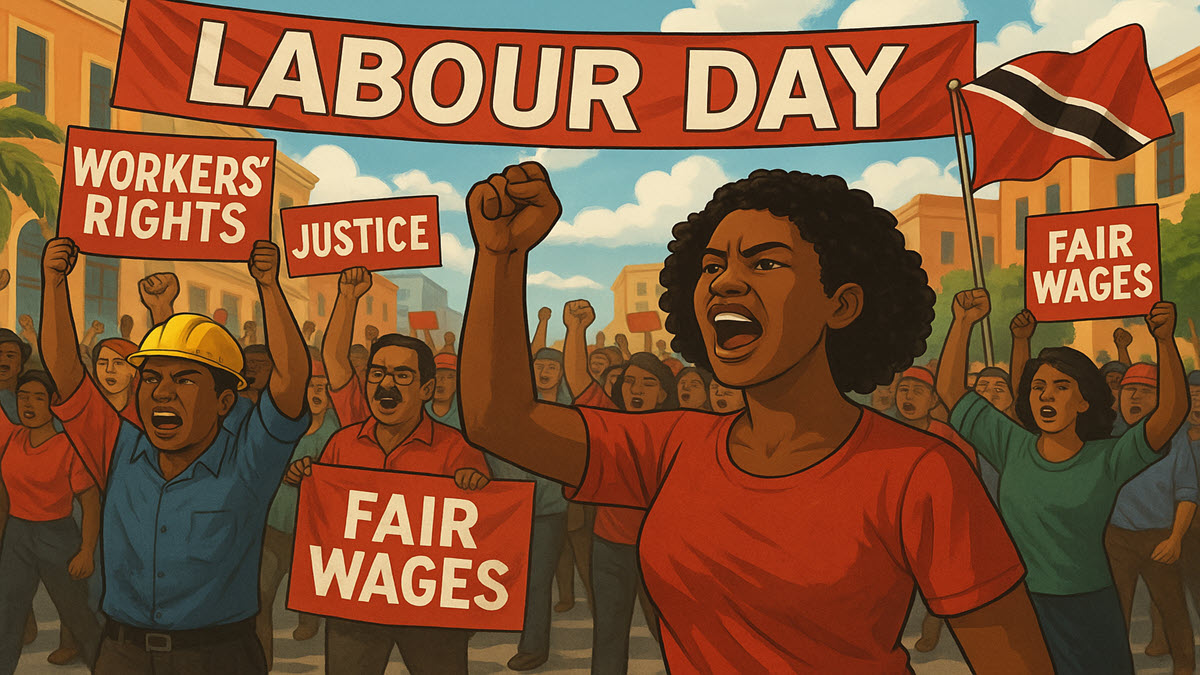
Labour Day Trinidad and Tobago
Labour Day in Trinidad and Tobago is a national public holiday. It commemorates the 1937 labour uprising, led by Tubar Uriah "Buzz" Butler, which gave rise to the country’s modern trade union movement.
-
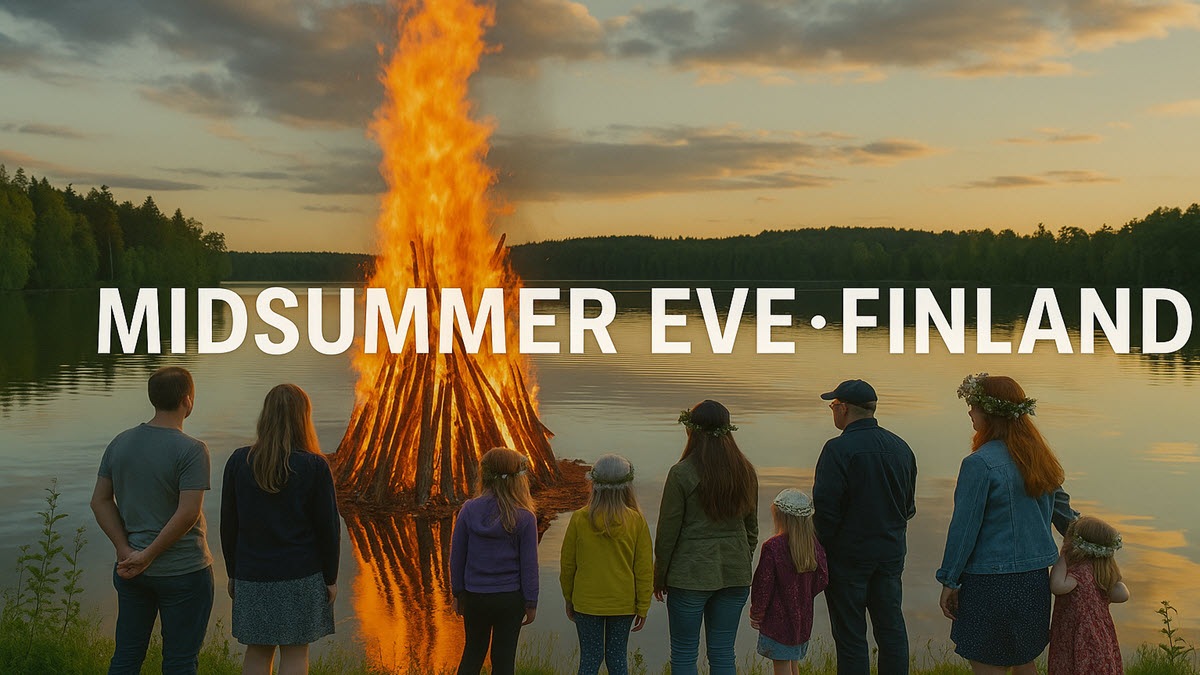
Midsummer Eve (Finland)
Midsummer Eve (Juhannusaatto) in Finland is often considered more important than Midsummer Day itself. Families and friends gather at summer cottages for saunas, bonfires and midnight sun festivities, blending ancient folk rituals with modern summer traditions.
-
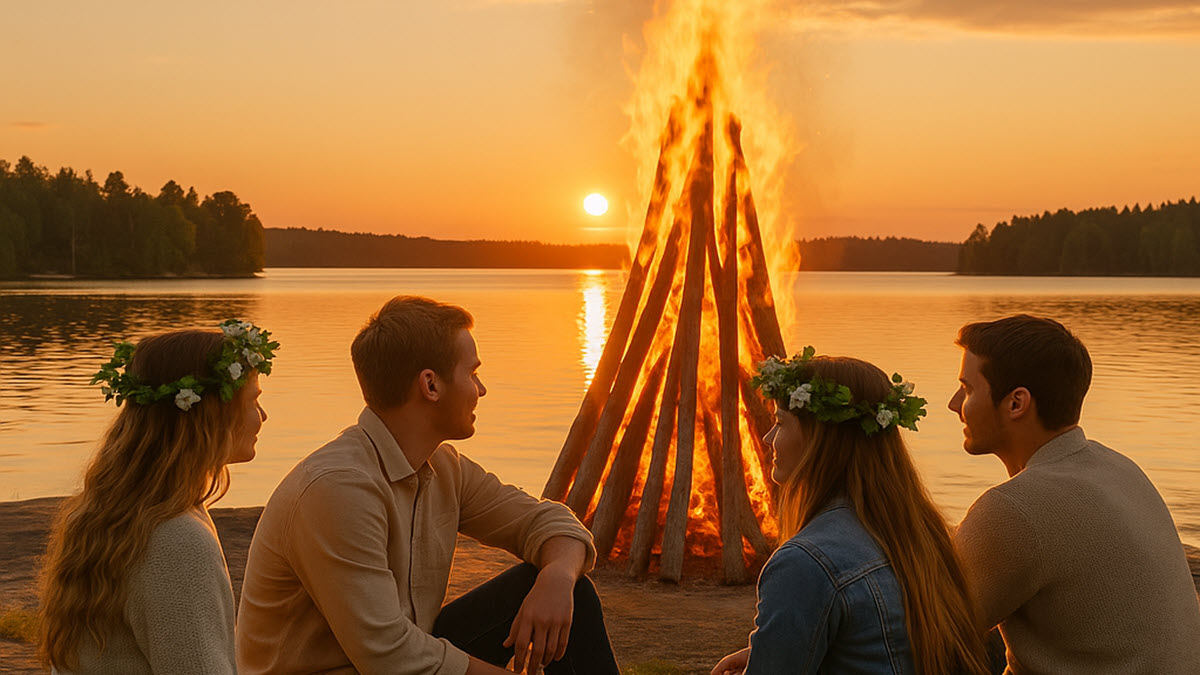
Midsummer Day (Finland)
Midsummer Day (Juhannus) in Finland marks the summer solstice and the Day of the Finnish Flag. Families gather at summer cottages, light bonfires, enjoy saunas, and celebrate under the midnight sun, making it one of Finland’s most cherished holidays.
-
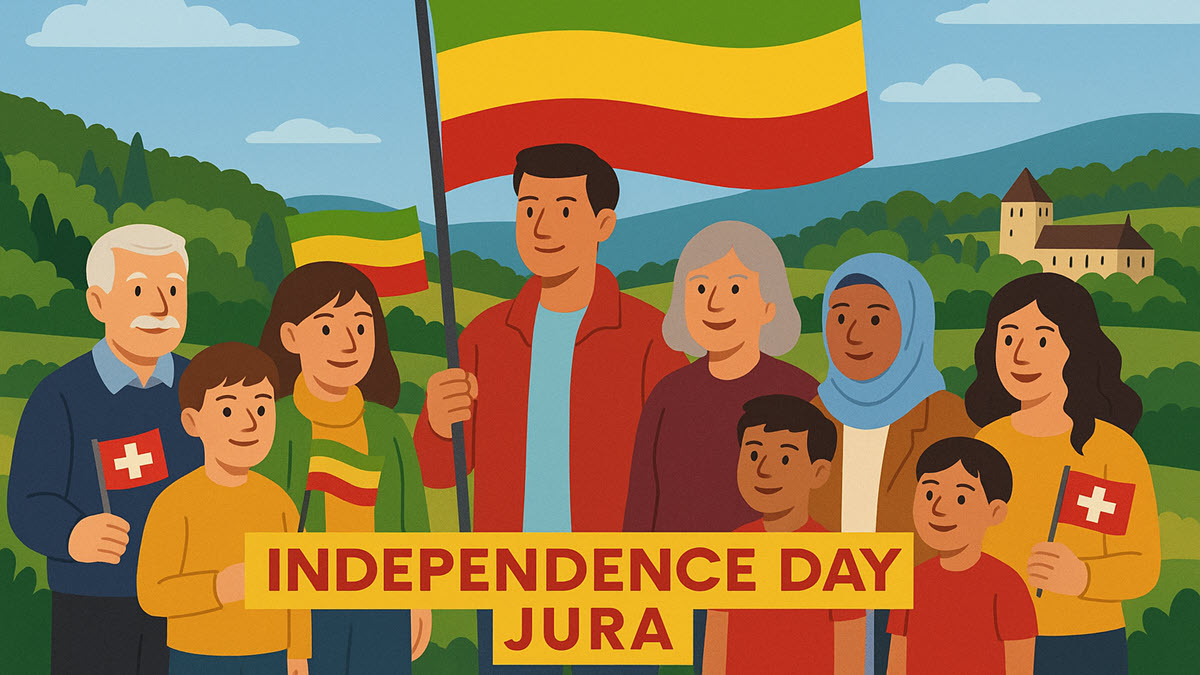
Independence Day Jura
Jura Independence Day marks a pivotal moment in Swiss history, the peaceful separation of the predominantly French-speaking and Catholic region of Jura from the largely German-speaking and Protestant Canton of Bern. The holiday commemorating the 1974 plebiscite in which parts of Jura voted to form their own canton.
-
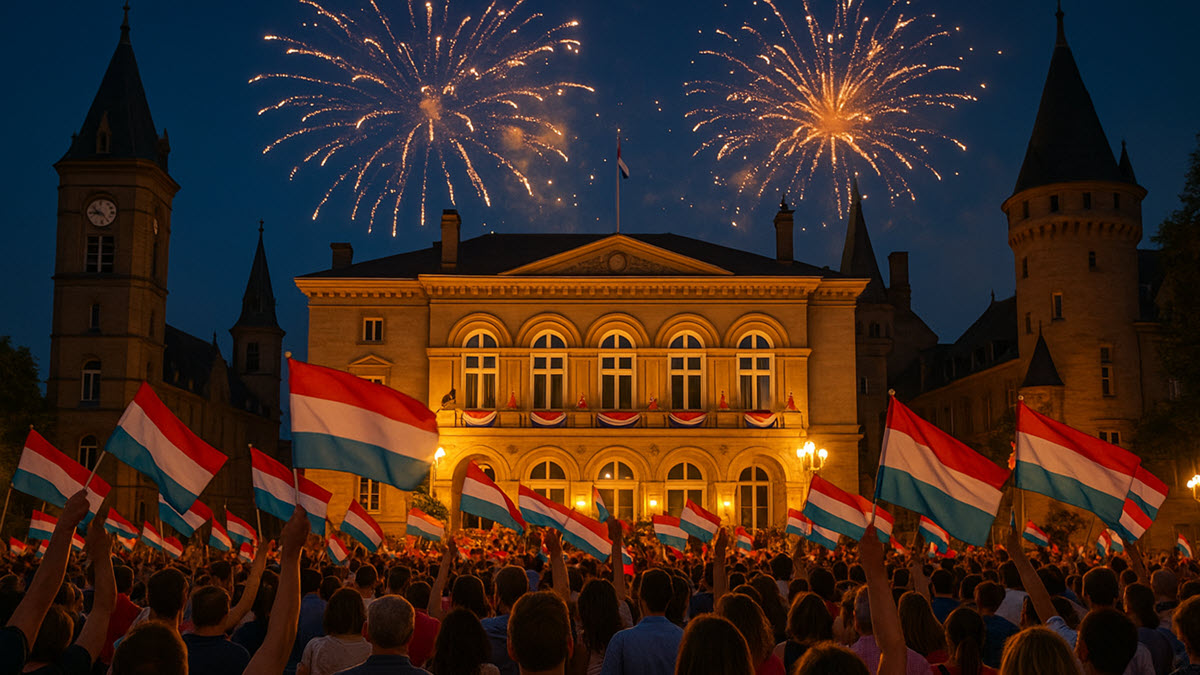
National Day (Luxembourg)
National Day in Luxembourg honors the Grand Duke’s official birthday and serves as the country’s national holiday. Originally linked to the monarch’s birthday, the date was fixed in 1961 to ensure pleasant summer weather. Across the country, towns host concerts, cultural events, and family gatherings, making it a joyful celebration of Luxembourg’s heritage, monarchy, and independence.
-
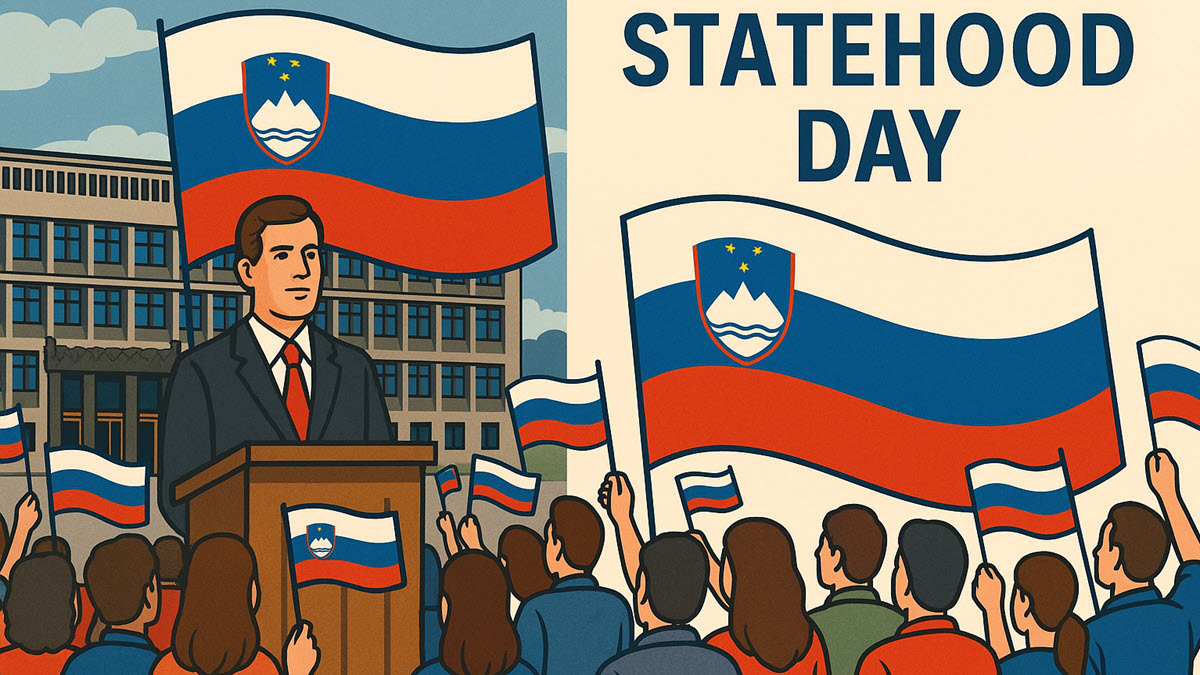
Statehood Day Slovenia
Statehood Day marks the 1991 declaration of independence, when Slovenia formally became a sovereign state after the referendum of December 1990. It is one of the most important national holidays, symbolizing freedom, independence, and self-determination.
-
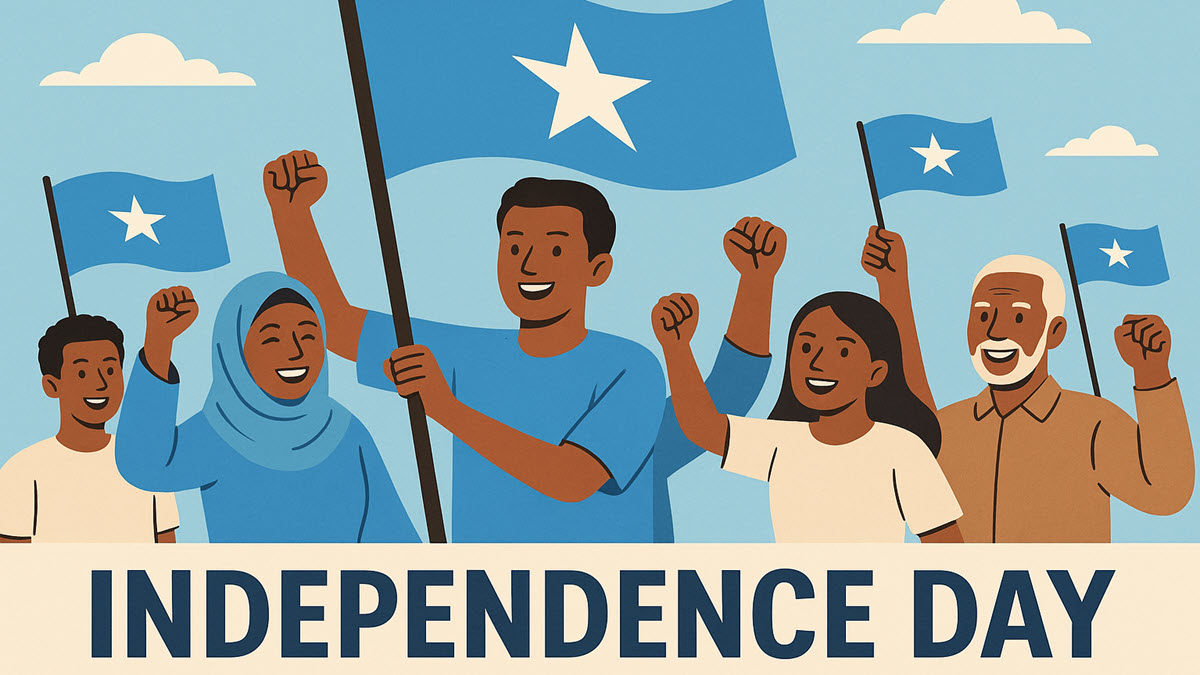
Independence Day (Somalia)
Somalia’s Independence Day (July 1, 1960) marks the union of British Somaliland and Italian Somaliland into the independent Somali Republic, a historic moment of self-determination and unity after decades of colonial rule.
-
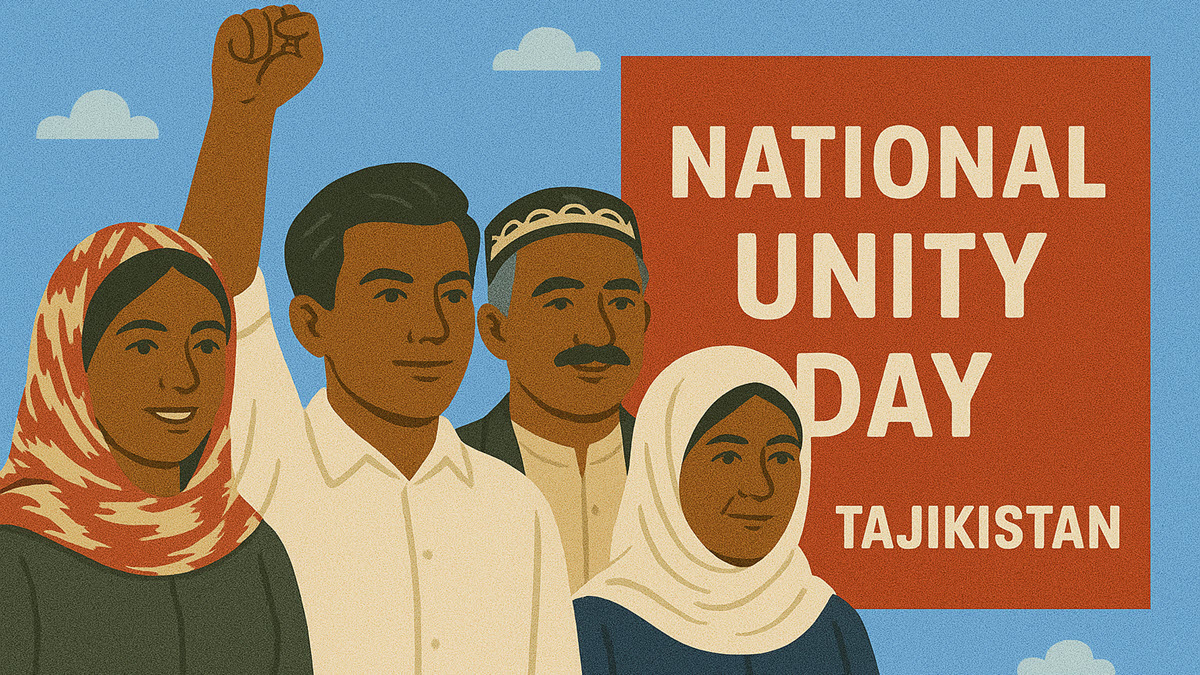
National Unity Day Tajikistan
National Unity Day in Tajikistan is celebrated every year to commemorate the signing of the General Agreement on the Establishment of Peace and National Accord in 1997. This historic accord marked the official end of the Tajik civil war (1992–1997), one of the most painful and destructive conflicts in the country's history.
-
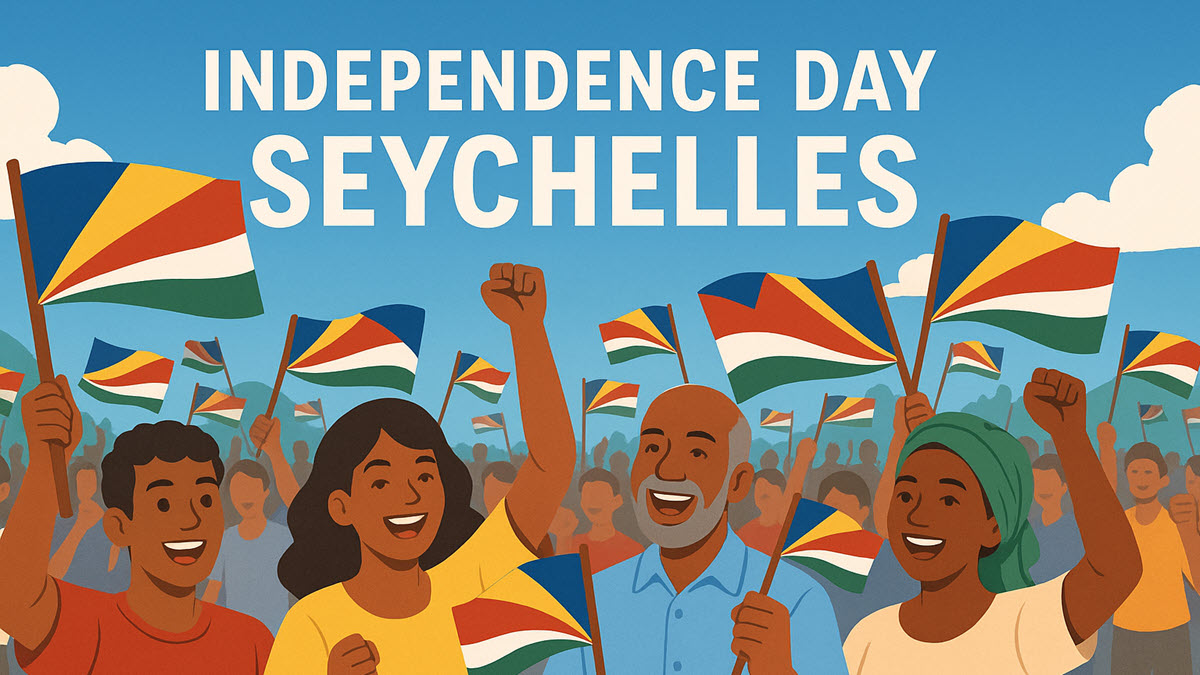
Independence Day (Seychelles)
Independence Day in Seychelles commemorates the country's liberation from British colonial rule and its transformation into a sovereign republic on June 29, 1976. It reflects both the political struggles leading up to independence and the enduring pride of the Seychellois people.
-
-
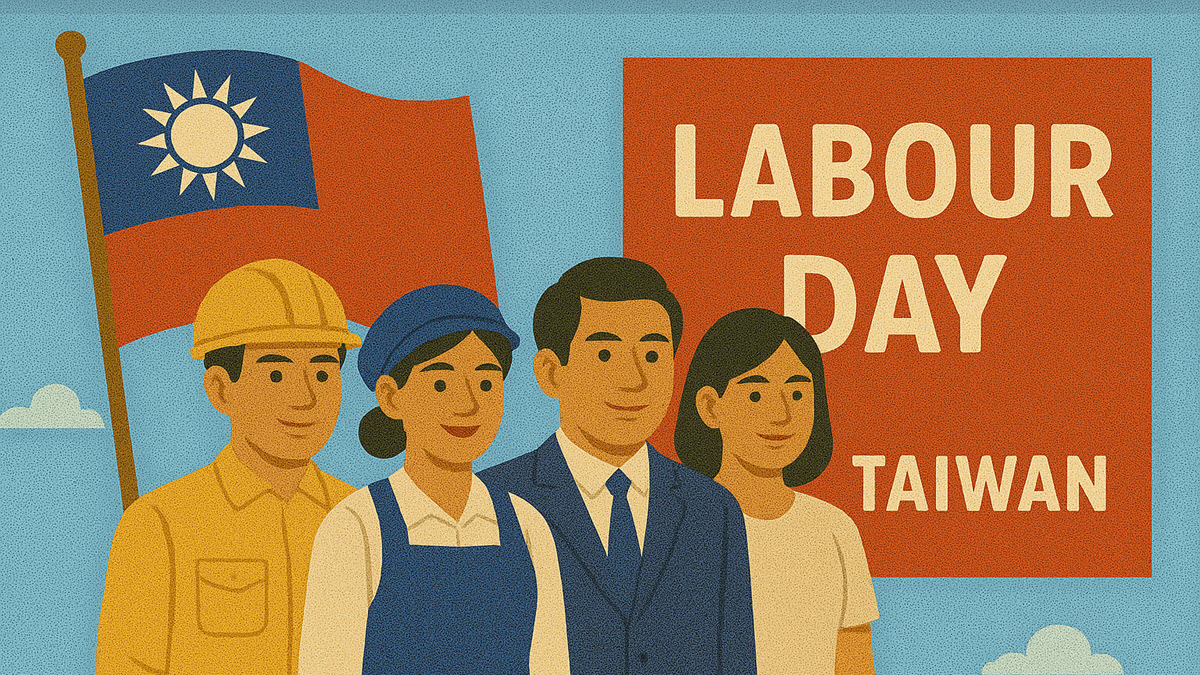
Labour Day Taiwan
Labour Day (勞動節) is observed in Taiwan every year, in line with International Workers’ Day celebrated worldwide. It is a day dedicated to recognizing the contributions and rights of workers across all industries.
-
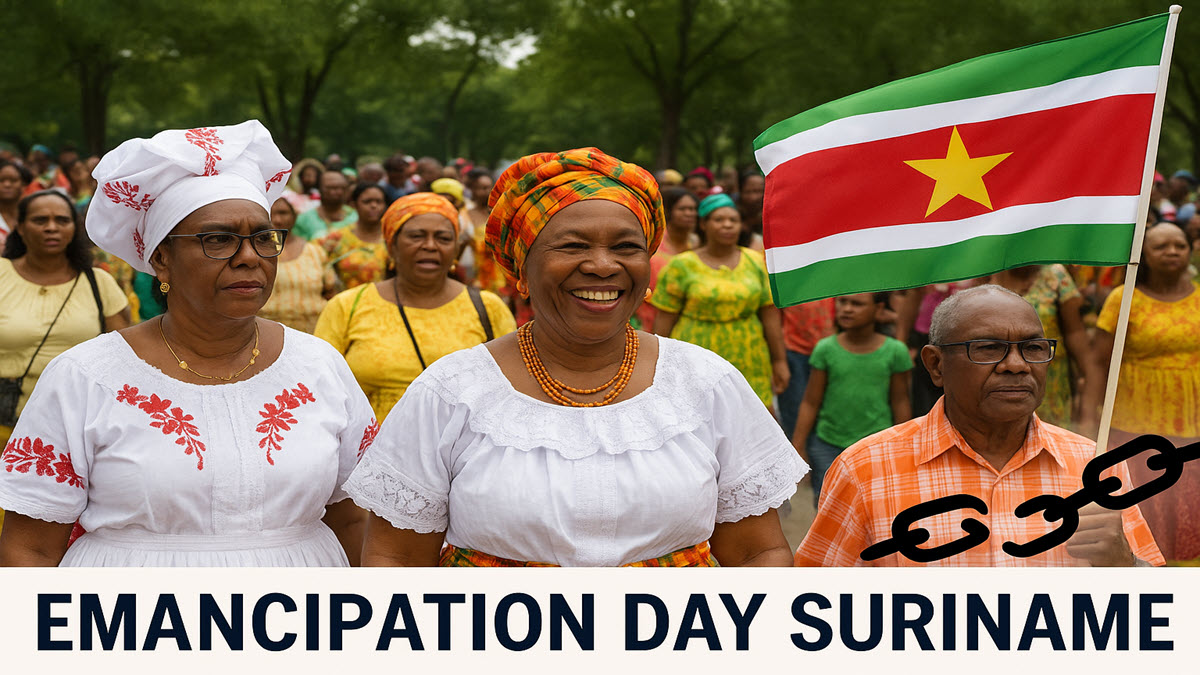
Emancipation Day Suriname
Emancipation Day in Suriname, known as Keti Koti, is to mark the abolition of slavery in 1863 (with full freedom realized in 1873). Celebrated with ceremonies, parades, music, and traditional dress, it is a national day of remembrance and cultural pride, symbolizing the breaking of chains and the enduring spirit of freedom.
-
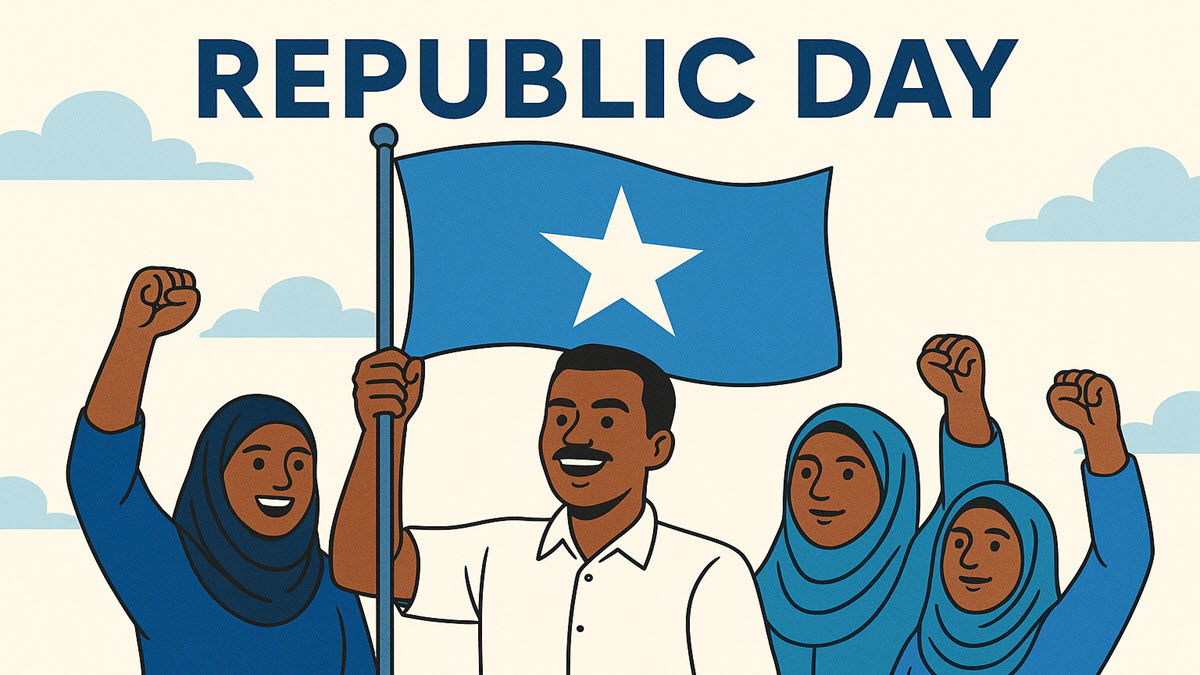
Republic Day (Somalia)
Republic Day marks the unification of British Somaliland and Italian Somaliland into the Somali Republic, establishing Somalia as an independent, modern nation for the first time.