Historical Holiday
Events
-
-
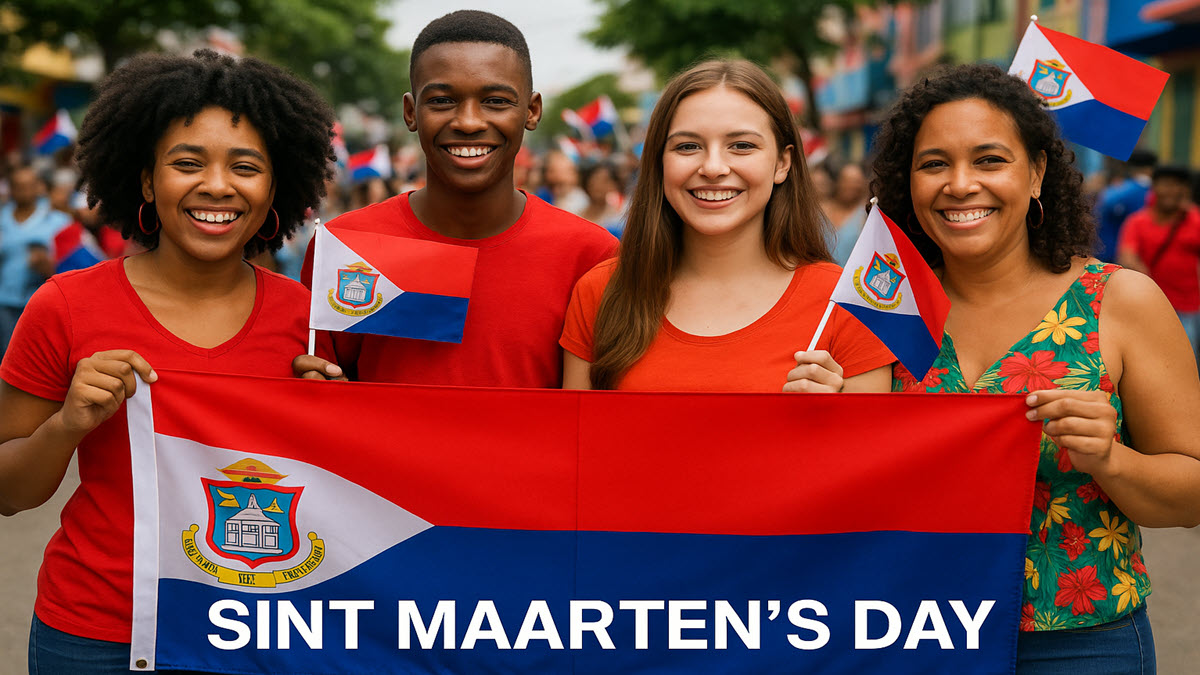
Sint Maarten's Day
Sint Maarten’s Day commemorates both the naming of the island by Columbus in 1493 and honors Saint Martin of Tours. Today, it is a public holiday of unity, jointly celebrated by French Saint-Martin and Dutch Sint Maarten with ceremonies, cultural festivities, and community pride.
-
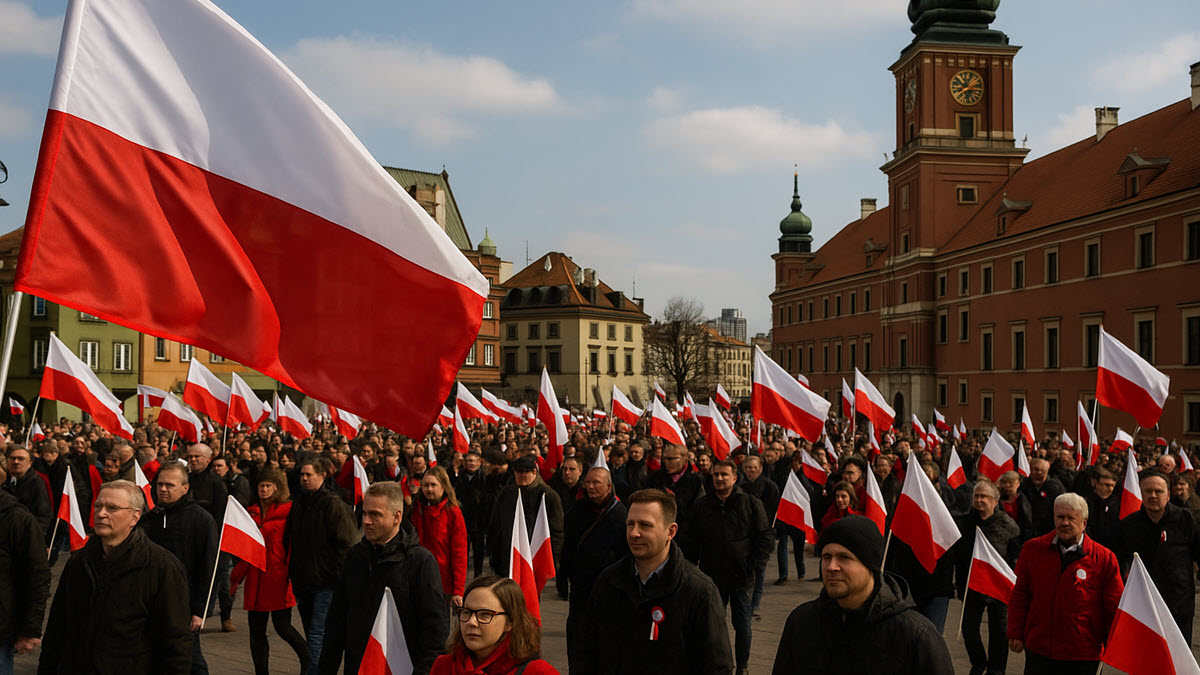
Independence Day (Poland)
Independence Day in Poland marks the country’s regaining of independence in 1918 after 123 years of partitions by Russia, Prussia, and Austria. It honors the restoration of the Polish state and the efforts of national heroes like Józef Piłsudski. It is a symbol of freedom, resilience and unity for the Polish people.
-
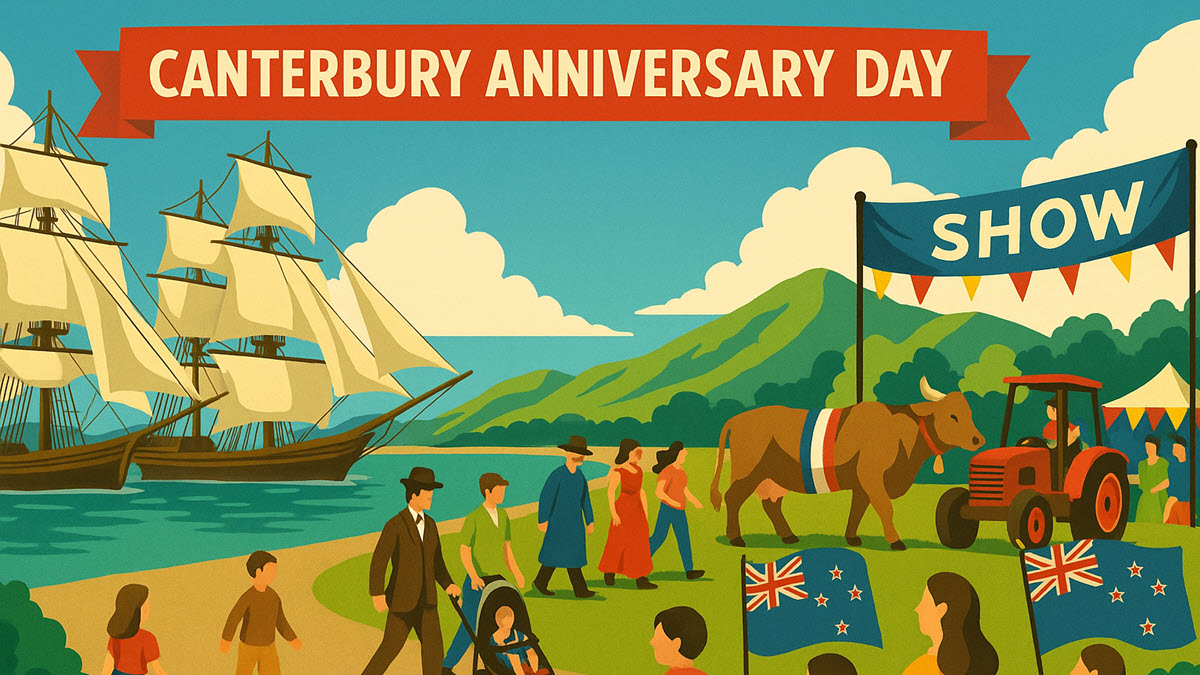
Canterbury Anniversary Day
Canterbury Anniversary Day commemorates the arrival of the First Four Ships in 1850 and the founding of the Canterbury Province. Though linked to December 16, it is now observed on the Show Day in November, marked by agricultural fairs, community events and a regional holiday.
-
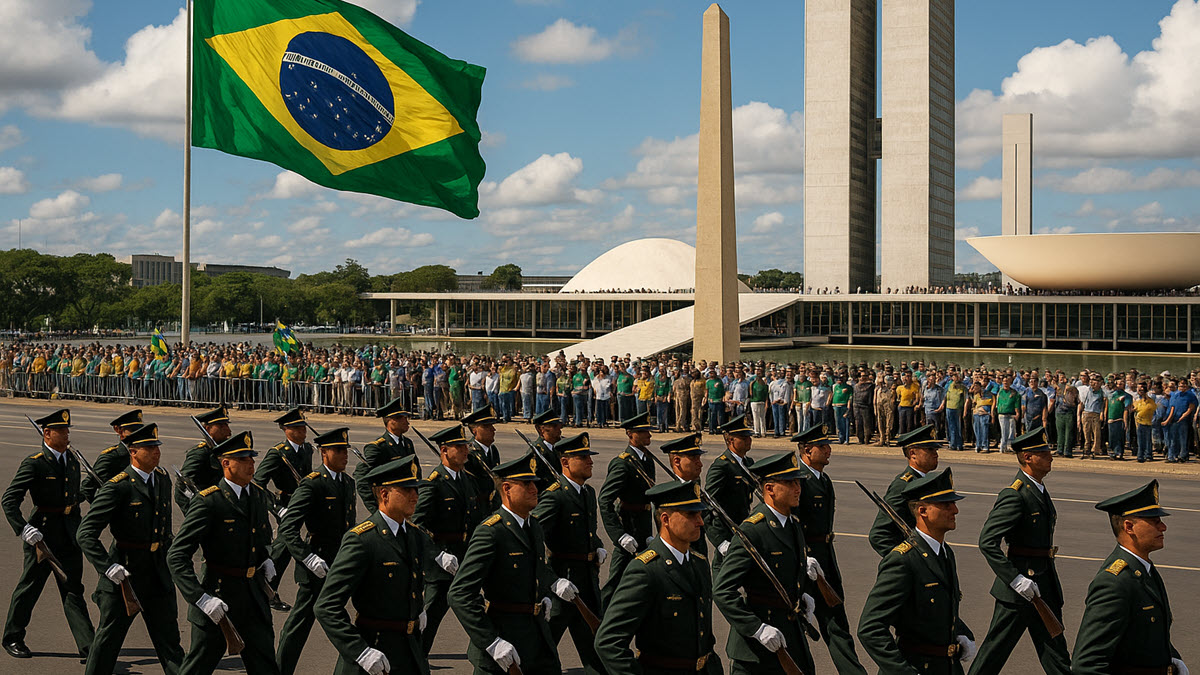
Republic Day (Brazil)
Republic Day in Brazil marks the 1889 proclamation that ended the monarchy and established the Federative Republic of Brazil. The day commemorates the peaceful military movement led by Marshal Deodoro da Fonseca, which ushered in a new era of republican governance. It is observed with civic ceremonies, parades, and educational events, honoring Brazil’s transition to a modern state grounded in citizenship, democracy, and national identity.
-
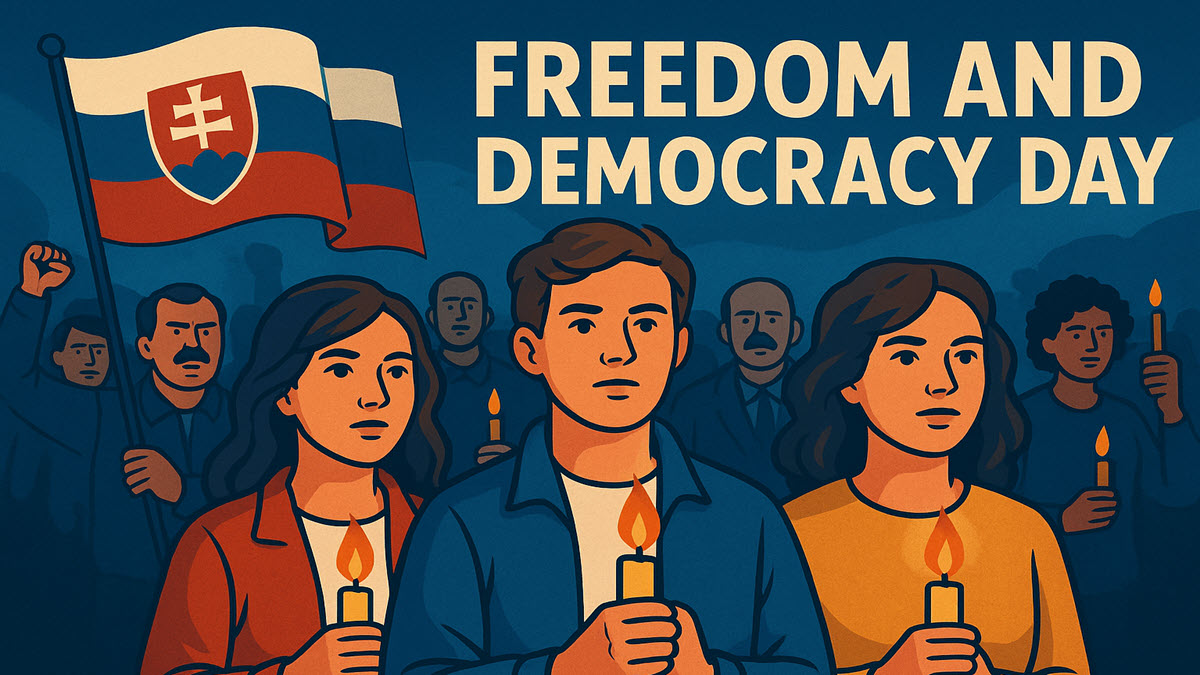
Freedom and Democracy Day (Slovakia)
Freedom and Democracy Day in Slovakia commemorates both the 1939 student protests against Nazi occupation and the 1989 student-led Velvet Revolution, symbolizing the nation’s ongoing commitment to freedom, democracy, and civic courage.
-
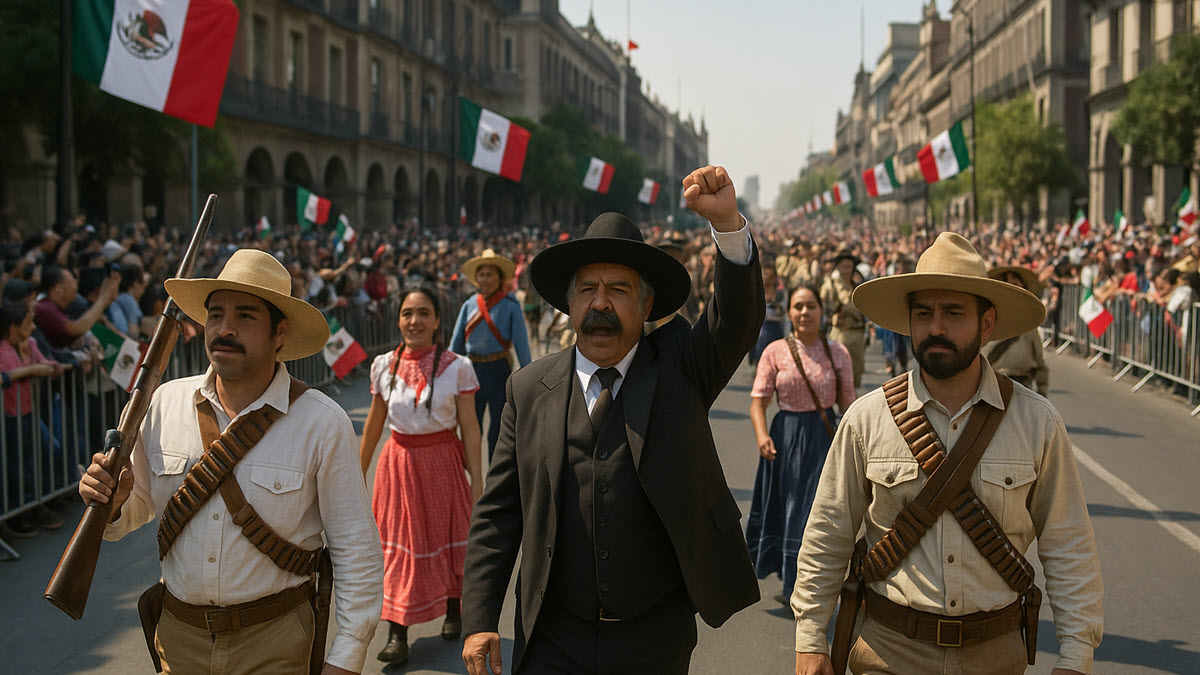
Revolution Day (Mexico)
Revolution Day in Mexico is to commemorate the start of the Mexican Revolution of 1910. This major social and political uprising began when Francisco I. Madero called for an end to the long dictatorship of Porfirio Díaz. The revolution brought significant reforms in land ownership, labor rights, and education, shaping modern Mexico. The day honors the revolution’s heroes and Mexico’s ongoing pursuit of justice, democracy and equality.
-
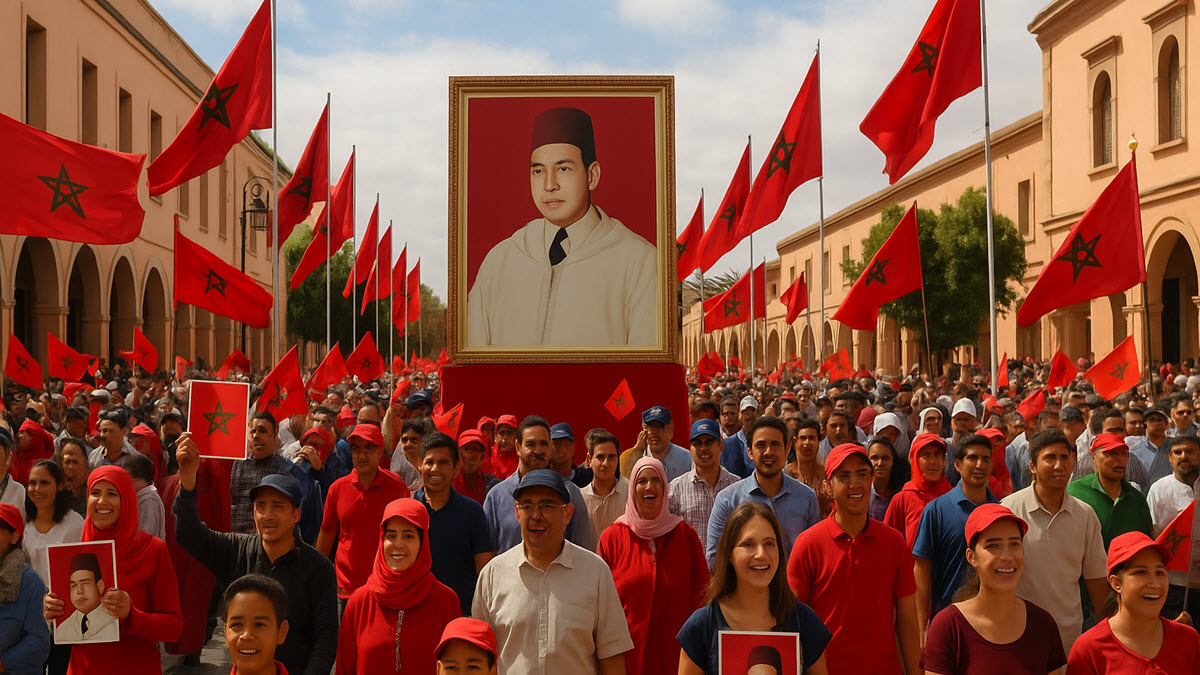
Independence Day (Morocco)
Independence Day in Morocco marks the country's liberation from French colonial rule in 1956 and the return of King Mohammed V, symbolizing national sovereignty, unity, and the rebirth of the modern Moroccan state.
-
Republic of Latvia Proclamation Day
Republic of Latvia Proclamation Day marks the 1918 declaration of independence in Riga, when Latvia became a sovereign state. The day honors national unity, freedom, and the enduring spirit of the Latvian people.
-
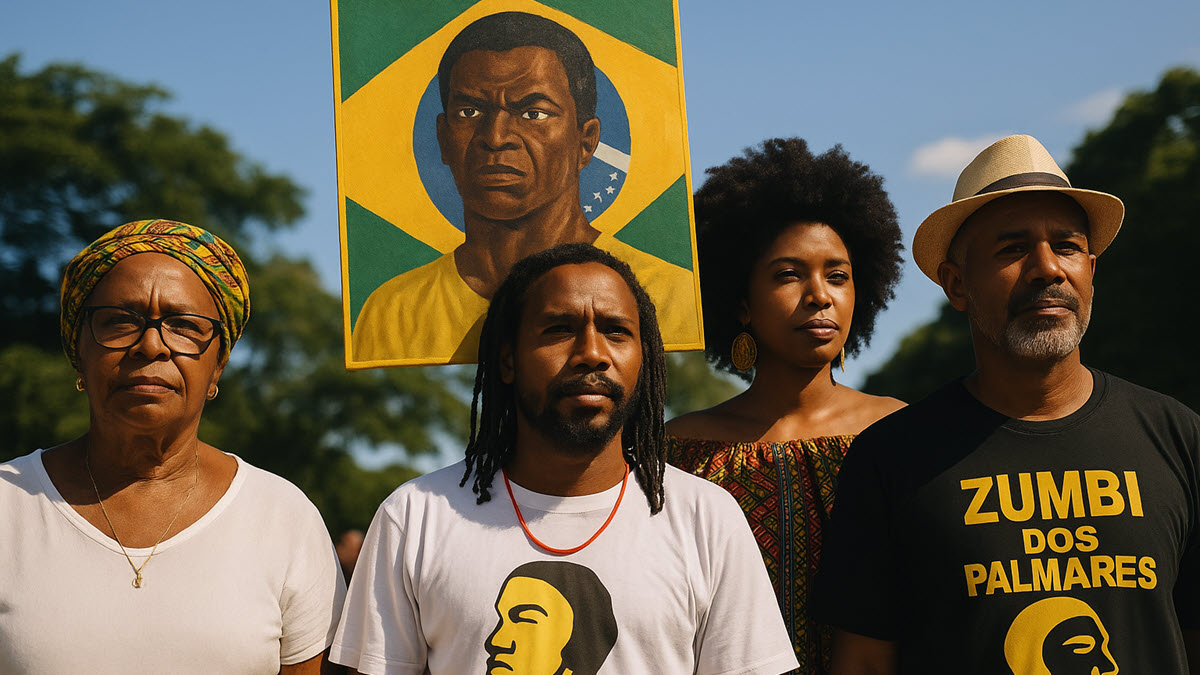
Black Consciousness Day
Black Consciousness Day in Brazil honors the history, culture and resilience of Afro-Brazilians. The date marks the death of Zumbi dos Palmares, a symbol of resistance against slavery. The day celebrates Black identity, acknowledges the struggles against racism, and promotes equality, pride and cultural heritage across Brazil.
-
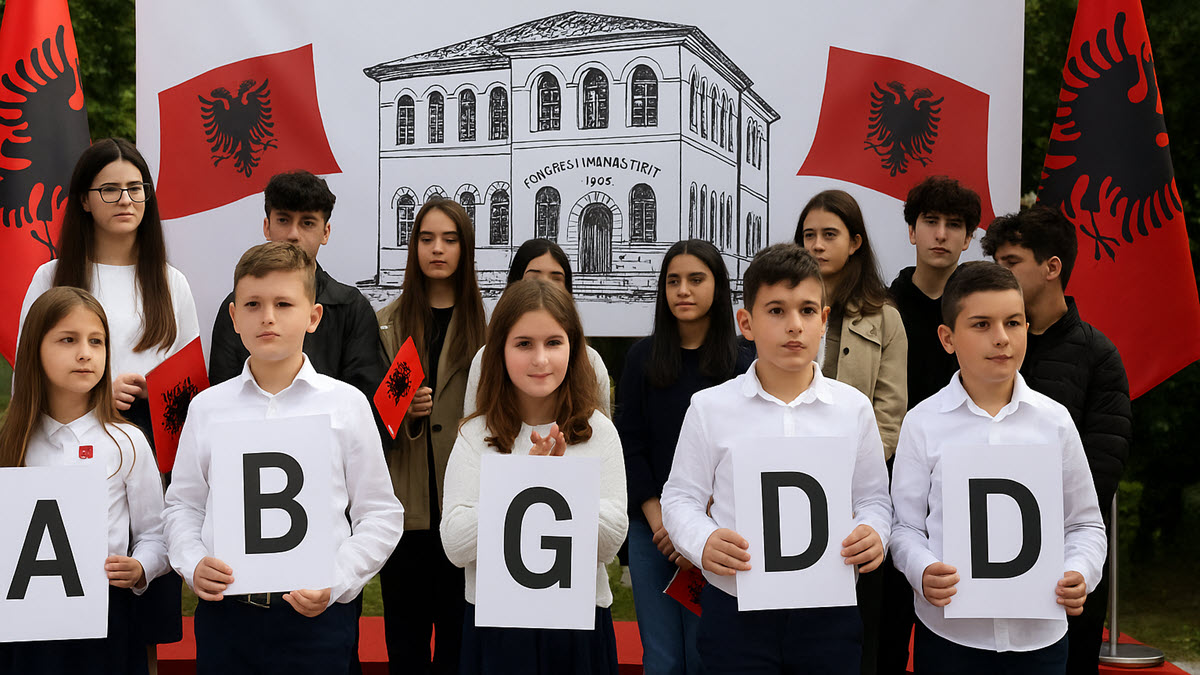
Alphabet Day (Albania)
Alphabet Day in Albania commemorates the 1908 Congress of Manastir, where Albanian scholars unified the Albanian alphabet, marking a key step in preserving national identity and cultural independence.
-
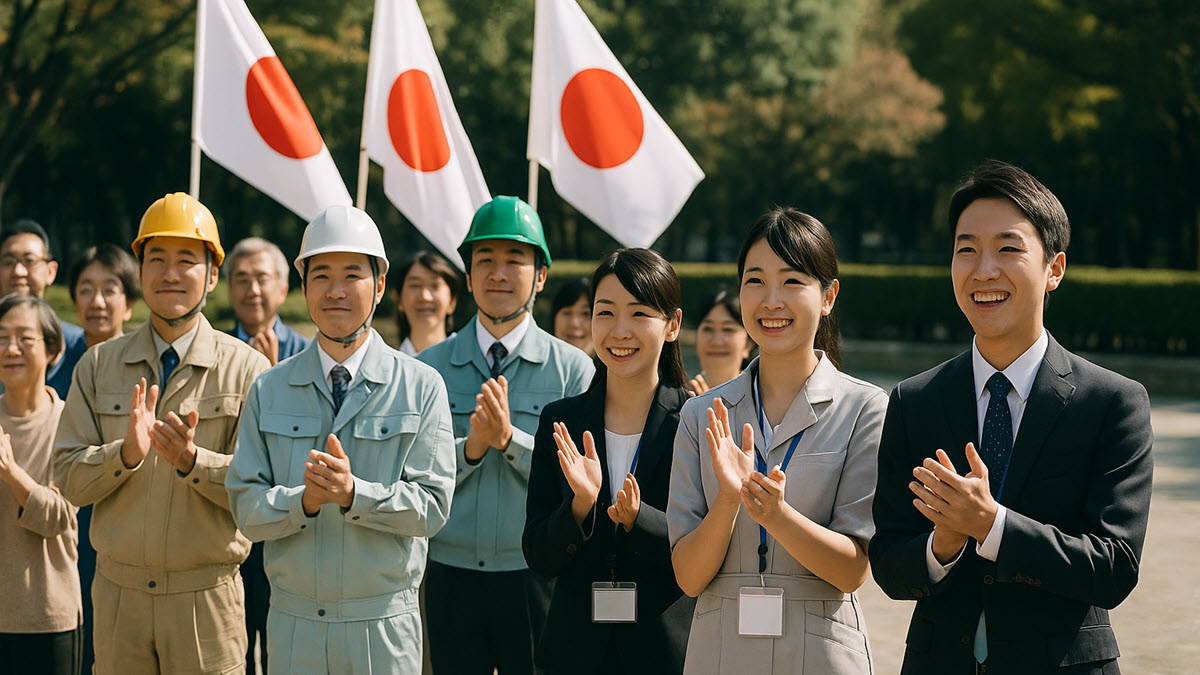
Labor Thanksgiving Day (Japan)
Labor Thanksgiving Day is a national holiday dedicated to honoring workers, expressing gratitude for their efforts, and celebrating the fruits of labor. The day has roots in ancient harvest festivals and reflects Japan's values of diligence, cooperation, and appreciation. Today, schools and communities hold ceremonies and events to recognize contributions to society and promote mutual respect among all workers.
-
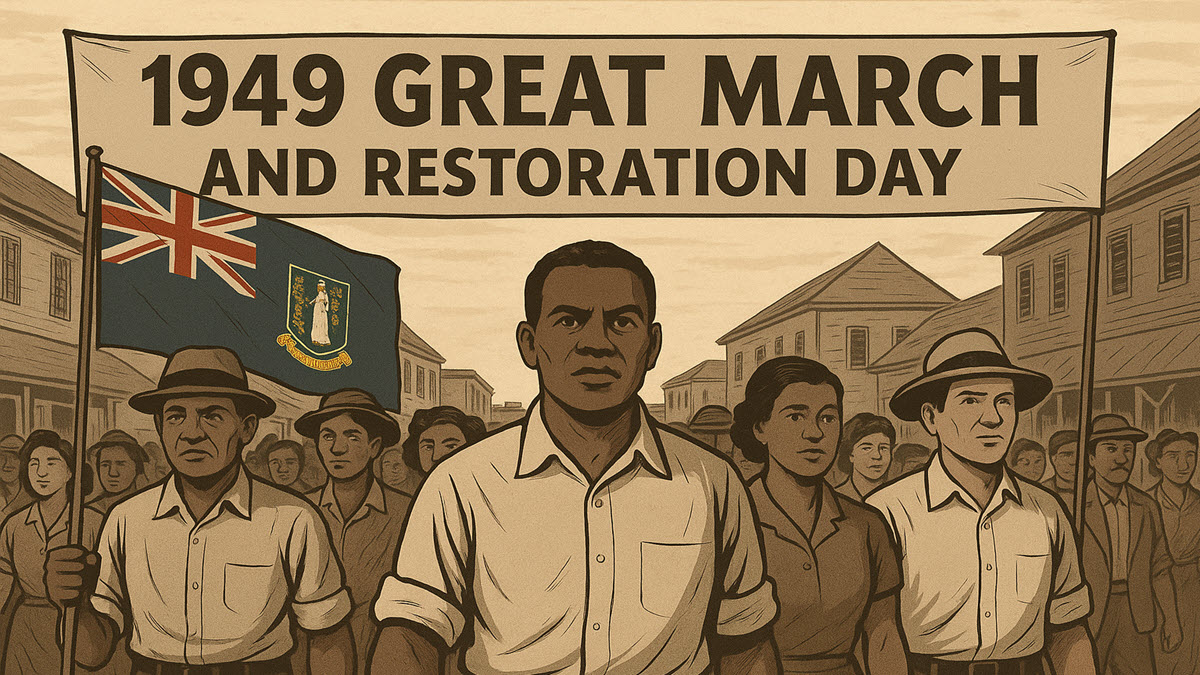
The 1949 Great March And Restoration Day
The 1949 Great March forced the restoration of the Virgin Islands' legislature in 1950, marking the rebirth of self-government. The holiday is celebrated as a day of unity, resilience and political awakening in the BVI.