Events
Calendar of Events
|
Sunday
|
Monday
|
Tuesday
|
Wednesday
|
Thursday
|
Friday
|
Saturday
|
|---|---|---|---|---|---|---|
|
1 event,
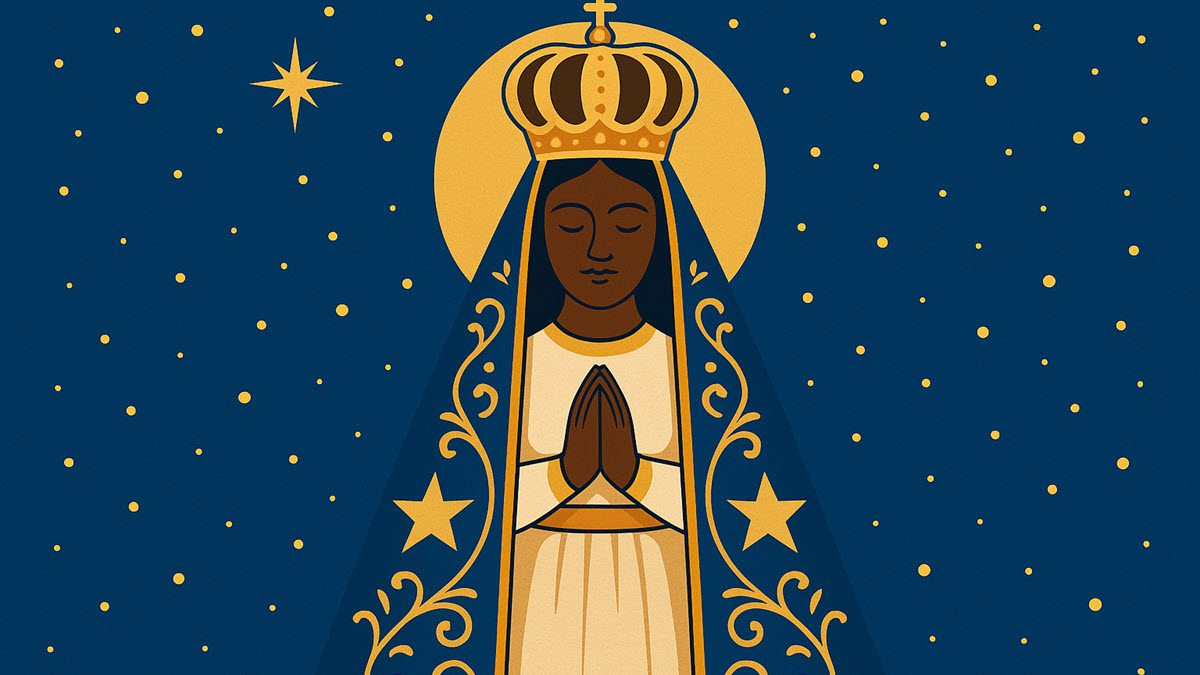
Our Lady of Aparecida Day honors Nossa Senhora Aparecida, the patron saint of Brazil. The day commemorates the 1717 discovery of a small clay statue of the Virgin Mary by fishermen in the Paraíba River, which became a symbol of hope and faith. Over centuries, devotion to Our Lady of Aparecida grew into one of Brazil’s most cherished traditions. Millions of pilgrims visit the Basilica of the National Shrine of Aparecida, one of the largest churches in the world, to pay tribute. |
3 events,
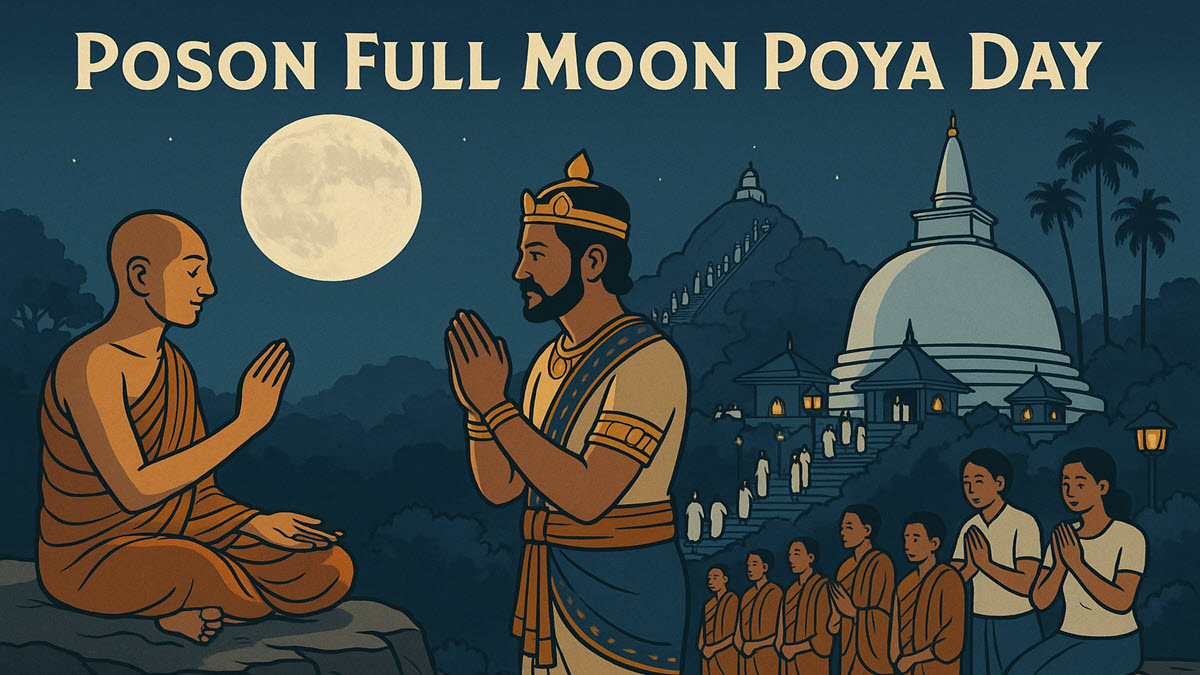
Poson Full Moon Poya marks the arrival of Arahat Mahinda Thera and the introduction of Buddhism to Sri Lanka during King Devanampiya Tissa’s reign in the 3rd century BCE. The historic meeting at Mihintale led to Buddhism becoming the island’s state religion. Today, Poson Full Moon Poya Day is one of Sri Lanka’s most important Buddhist festivals. 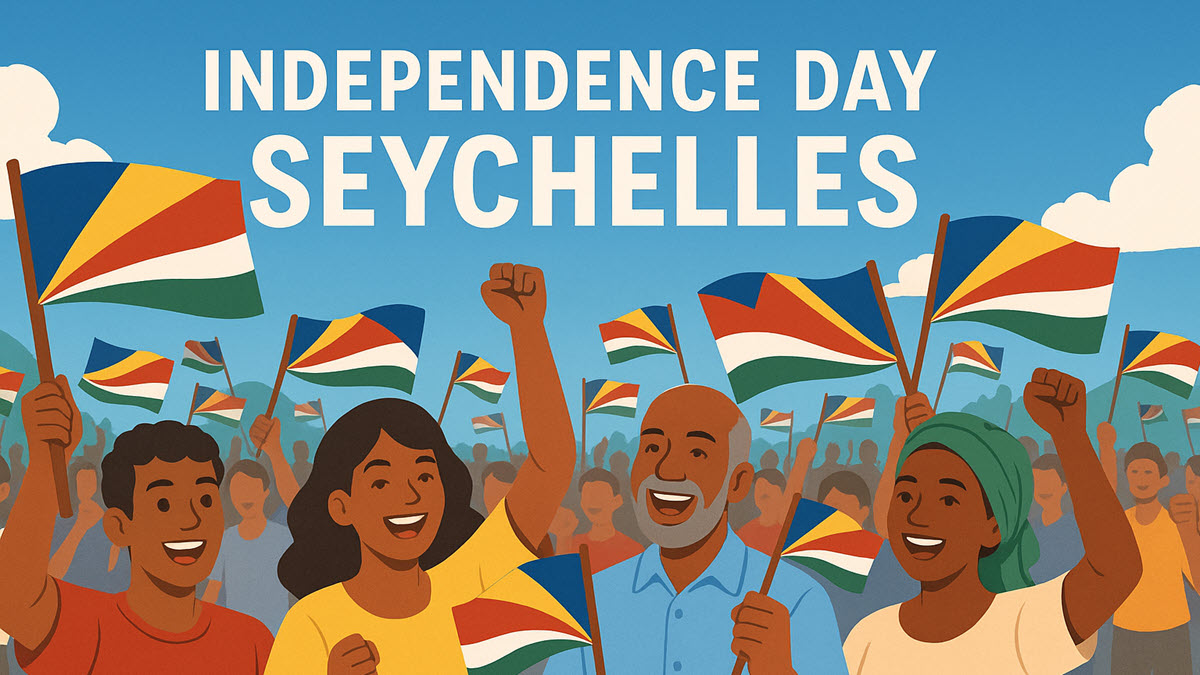
Independence Day in Seychelles commemorates the country's liberation from British colonial rule and its transformation into a sovereign republic on June 29, 1976. It reflects both the political struggles leading up to independence and the enduring pride of the Seychellois people. |
1 event,
|
6 events,
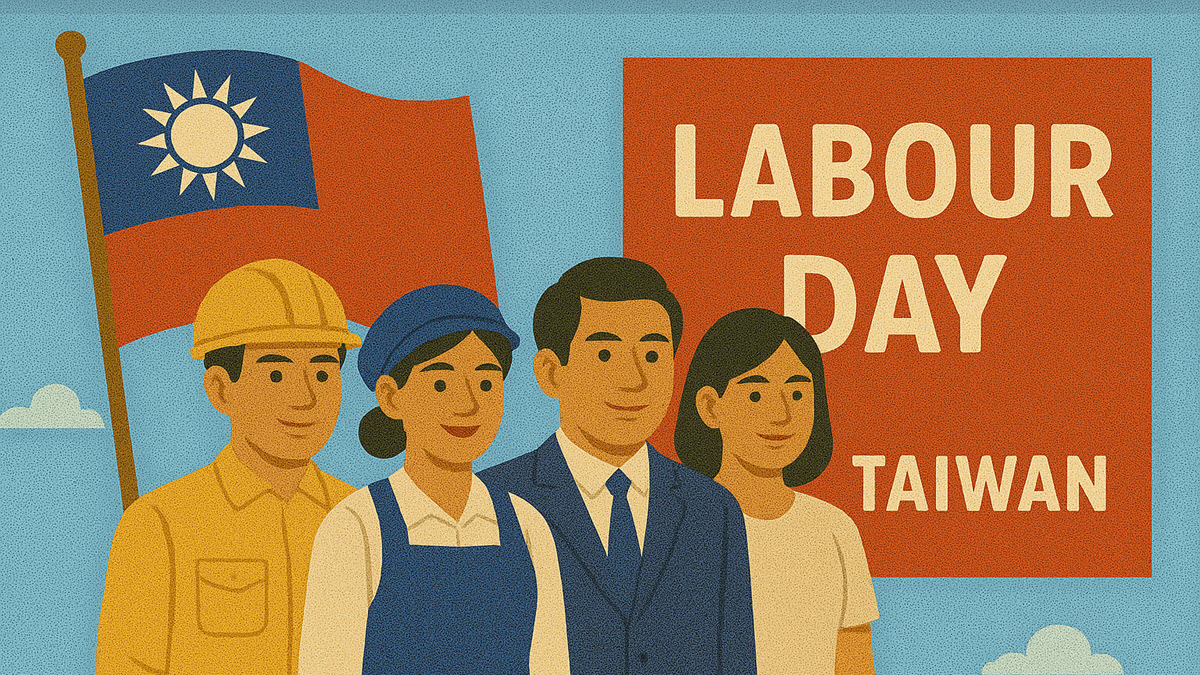
Labour Day (勞動節) is observed in Taiwan every year, in line with International Workers’ Day celebrated worldwide. It is a day dedicated to recognizing the contributions and rights of workers across all industries. 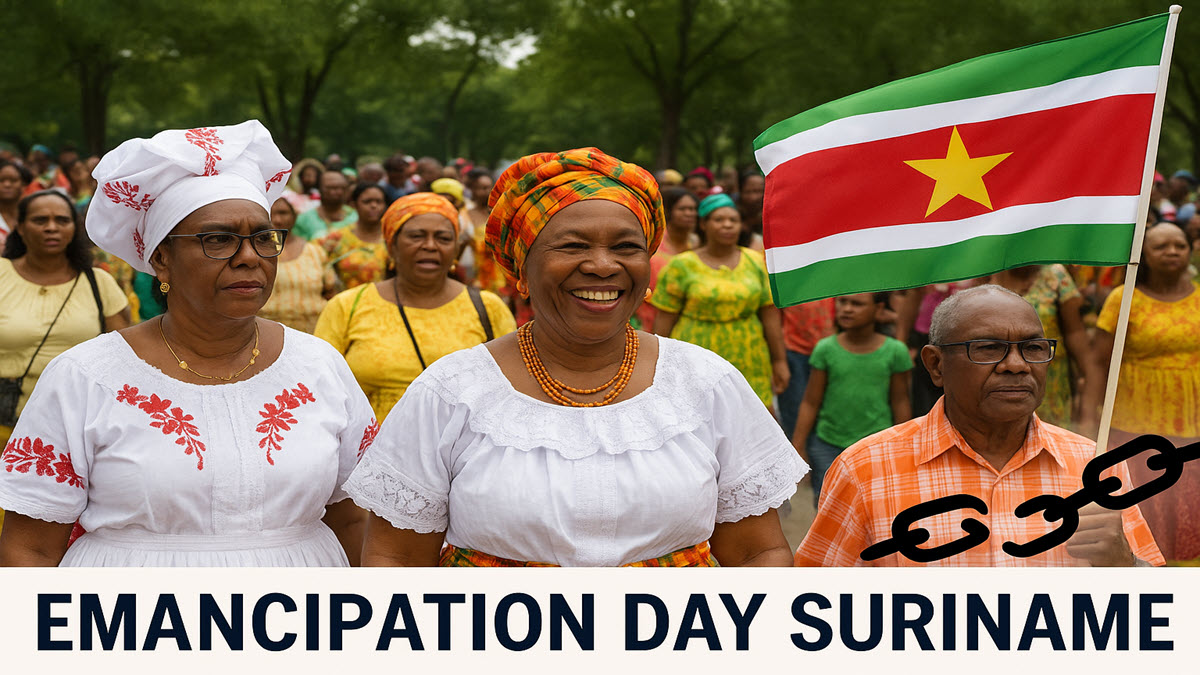
Emancipation Day in Suriname, known as Keti Koti, is to mark the abolition of slavery in 1863 (with full freedom realized in 1873). Celebrated with ceremonies, parades, music, and traditional dress, it is a national day of remembrance and cultural pride, symbolizing the breaking of chains and the enduring spirit of freedom. 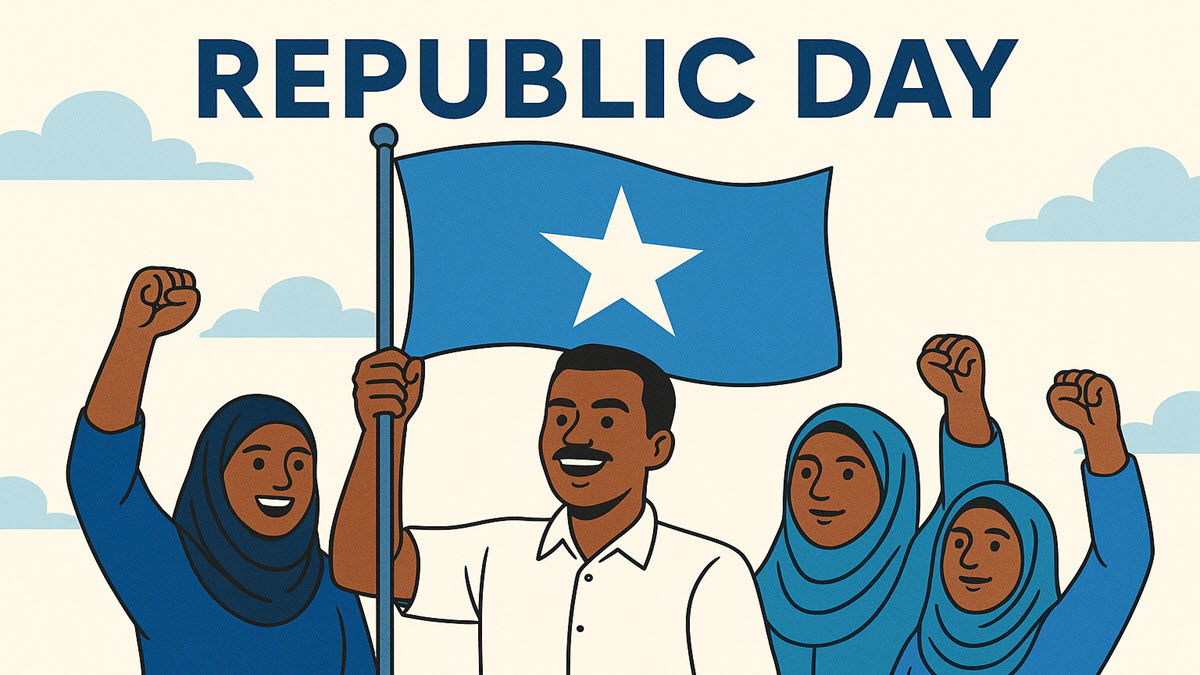
Republic Day marks the unification of British Somaliland and Italian Somaliland into the Somali Republic, establishing Somalia as an independent, modern nation for the first time. 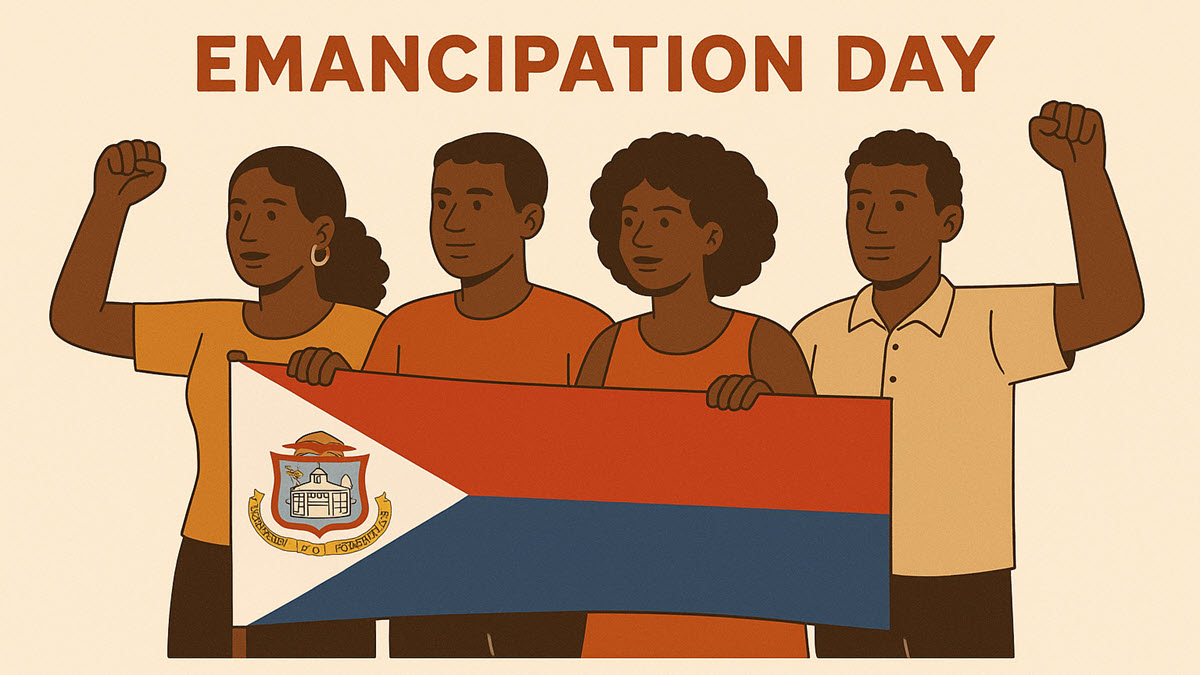
Emancipation Day in Sint Maarten () commemorates the abolition of slavery in 1863, was officially declared a public holiday in 2012, and today serves as a day of remembrance, reflection, and celebration of cultural identity and freedom. 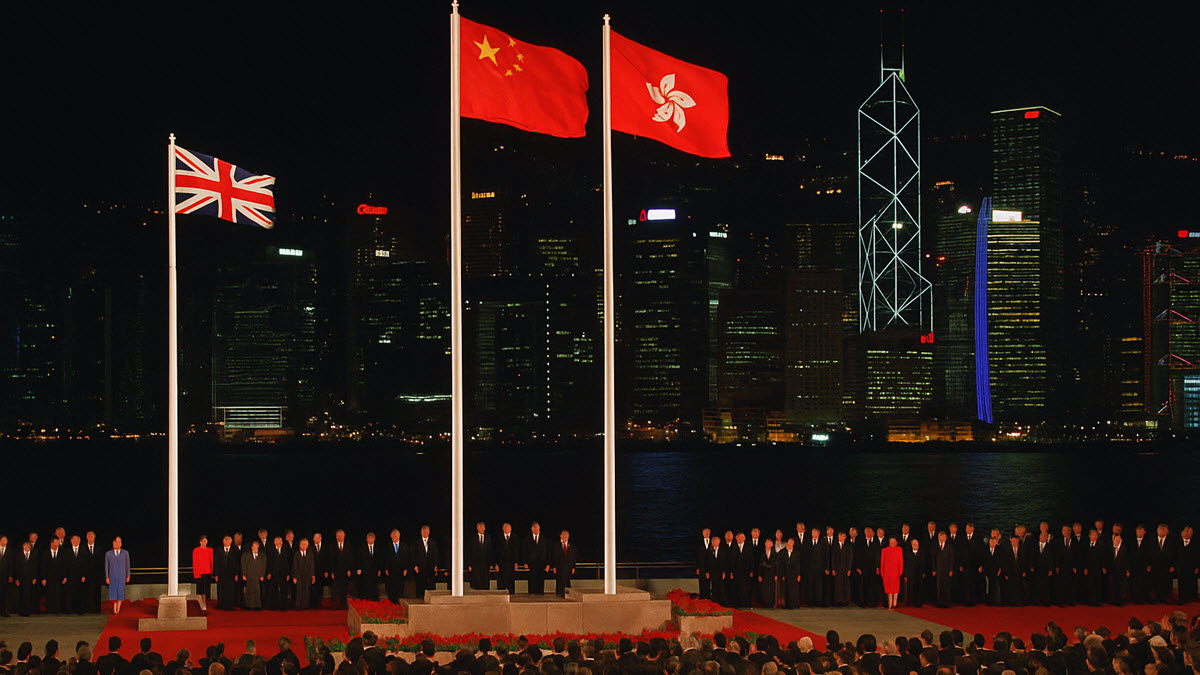
Hong Kong Special Administrative Region (HKSAR) Establishment Day marks the transfer of sovereignty from the United Kingdom to China in 1997 and the creation of the Hong Kong SAR under the principle of "one country, two systems". It is a public holiday observed with official ceremonies, flag-raising events, and community celebrations that reflect Hong Kong’s unique identity and connection with both China and the world. |
1 event,
|
2 events,
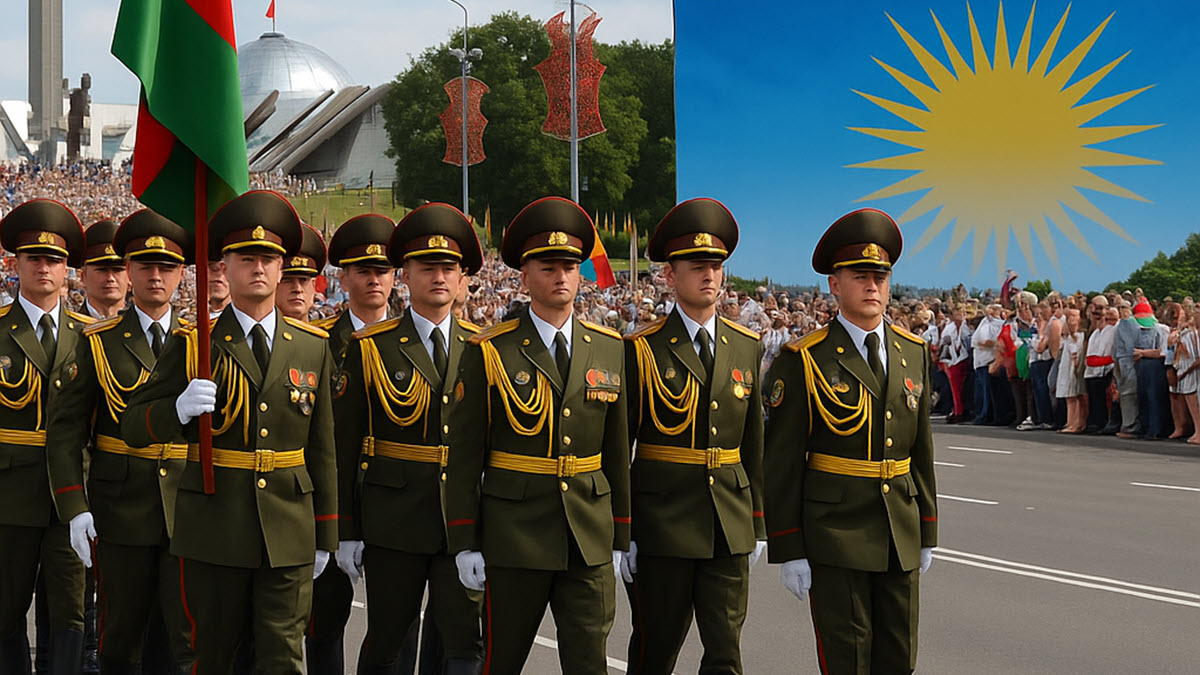
Independence Day in Belarus marks the liberation of Minsk from Nazi occupation in 1944 during World War II. It honors both the nation’s freedom and the immense sacrifices made for it. Citizens across the country gather to celebrate unity, resilience, and the enduring spirit of the Belarusian people, linking the victory of the past with the independence and strength of the modern nation. |
2 events,
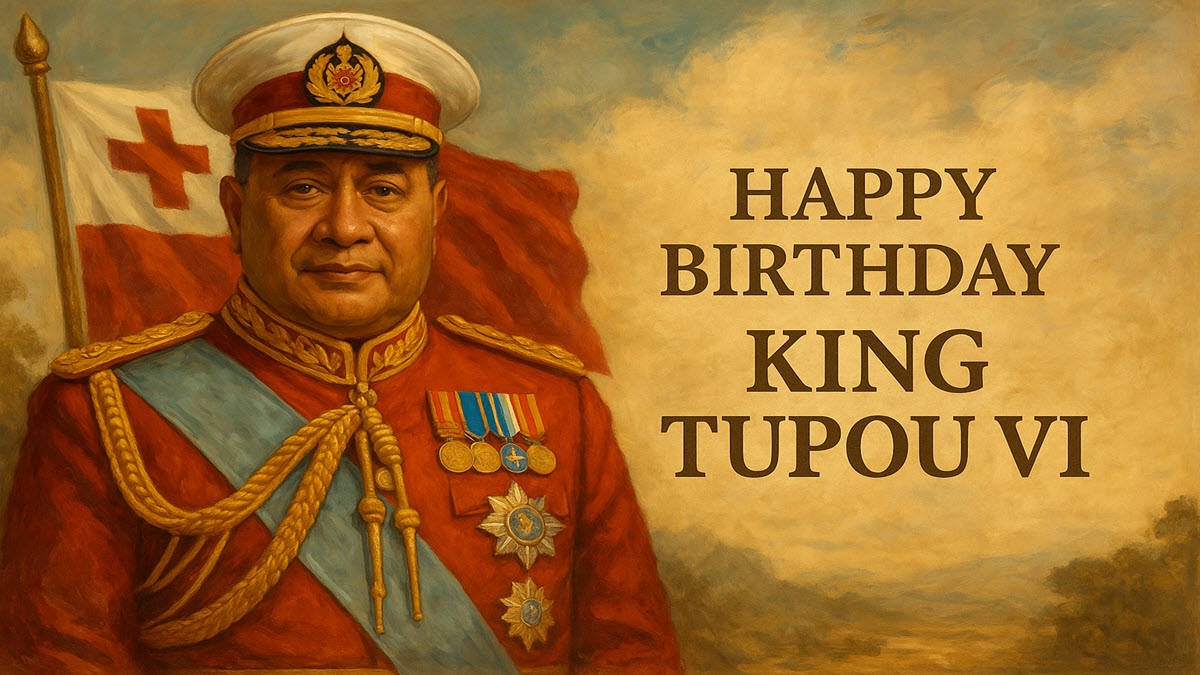
King Tupou VI's Birthday is a national holiday in Tonga celebrating King Tupou VI's official birthday on July 4, although his actual birth date is July 12, 1959. |
|
2 events,
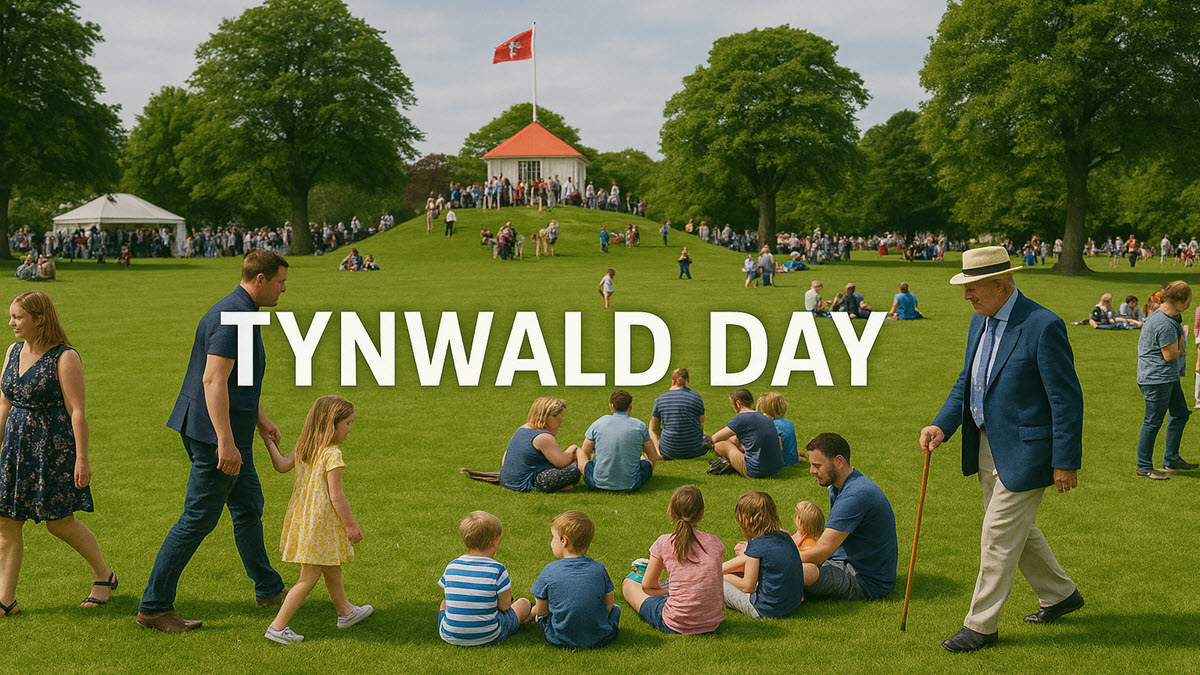
Tynwald Day is the national day of the Isle of Man. It features the world’s oldest continuous parliament meeting in a traditional open-air ceremony at St. John's, where new laws are proclaimed and Manx heritage is celebrated. |
3 events,
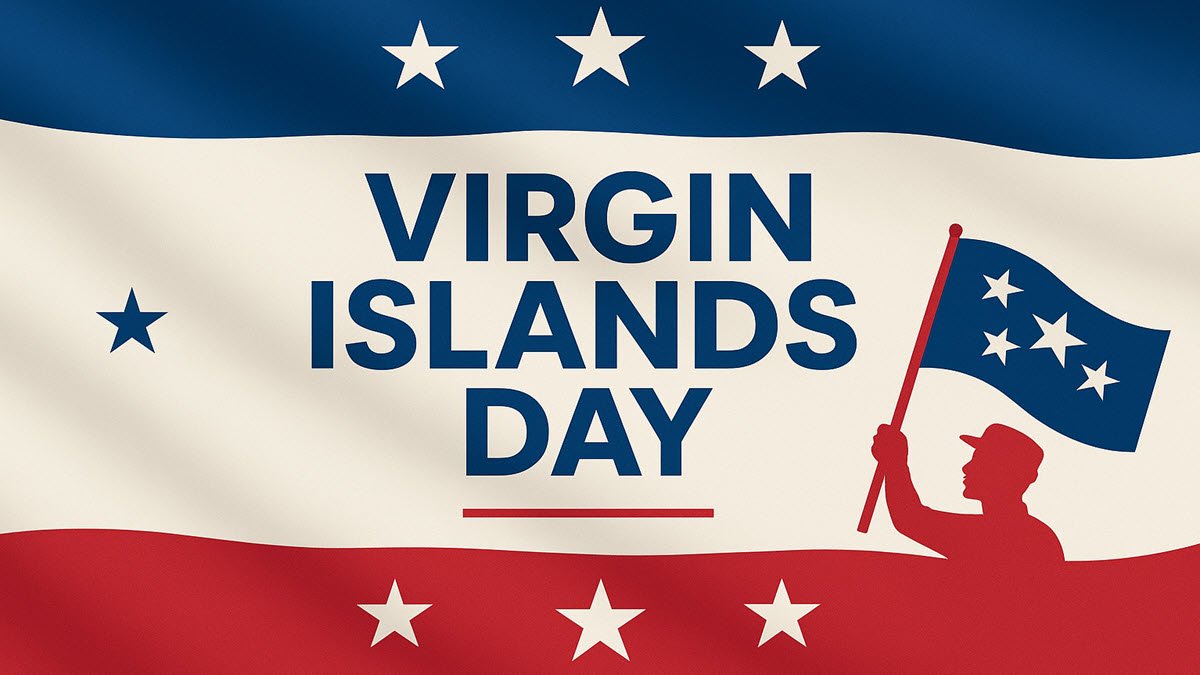
Virgin Islands Day is a public holiday in the British Virgin Islands that celebrates the territory’s culture, heritage and identity, replacing Territory Day in 2020. |
3 events,
Saba Saba Day (meaning "Seven Seven" in Swahili, referring to July 7) is a national day of political and economic importance in Tanzania. It originated as the anniversary of the founding of the Tanganyika African National Union (TANU) in 1954, which led the fight for independence from British colonial rule. Over time, it has also become associated with the Dar es Salaam International Trade Fair (DITF), one of the largest trade fairs in East Africa. 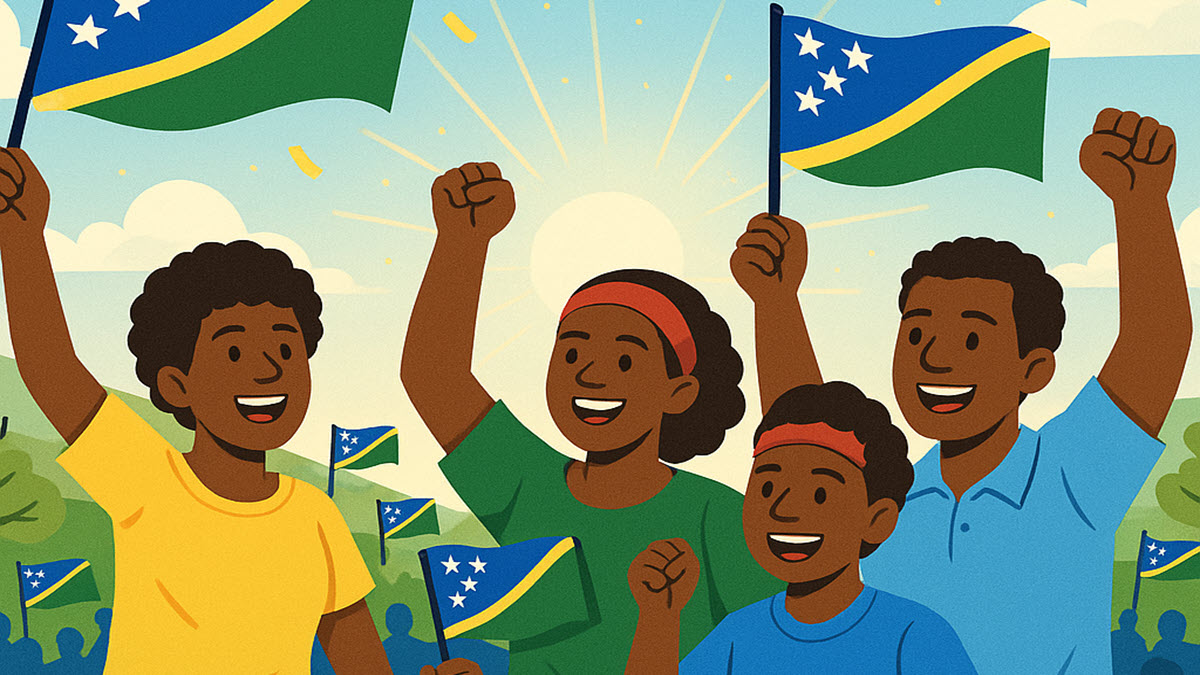
Independence Day in the Solomon Islands commemorates the country’s freedom from British colonial rule on July 7, 1978, celebrated with parades, cultural events and national pride across the islands. |
1 event,
|
2 events,
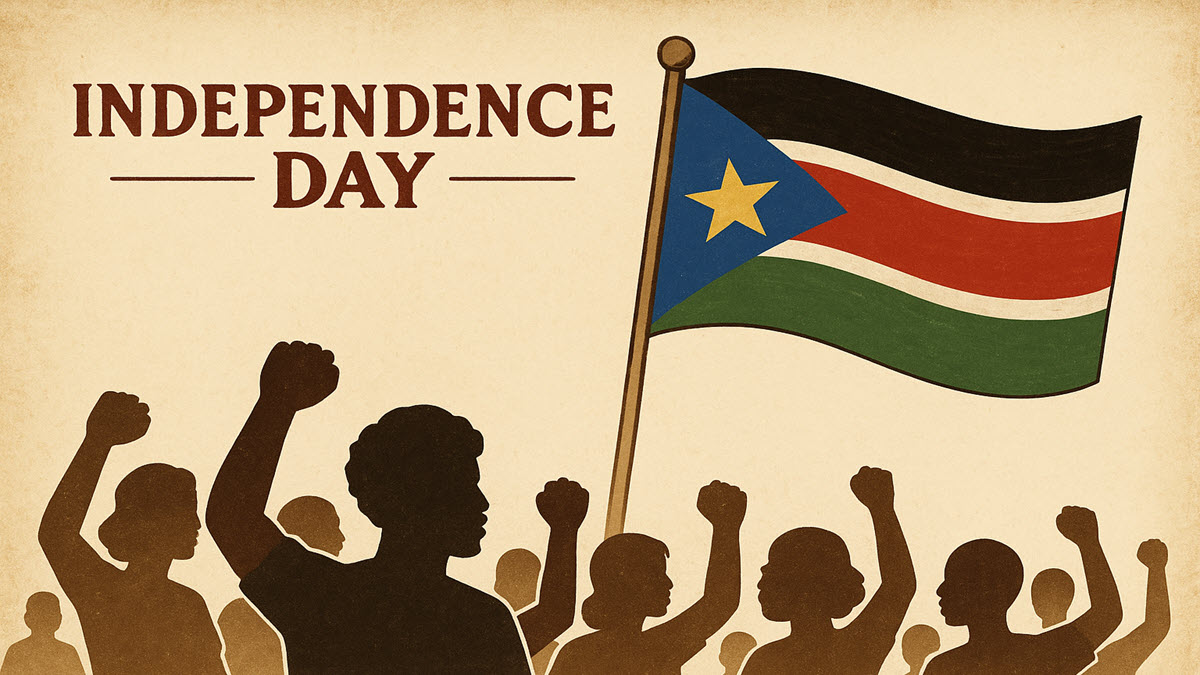
Independence Day celebrates South Sudan’s birth as a sovereign nation after decades of war, a hard-won referendum, and global recognition as the world’s newest country. |
3 events,

Independence Day in The Bahamas marks the country’s full independence from British colonial rule in 1973, making it a sovereign nation and a proud member of the Commonwealth of Nations. |
1 event,
|
|
1 event,
|
1 event,
|
1 event,
|
1 event,
|
2 events,
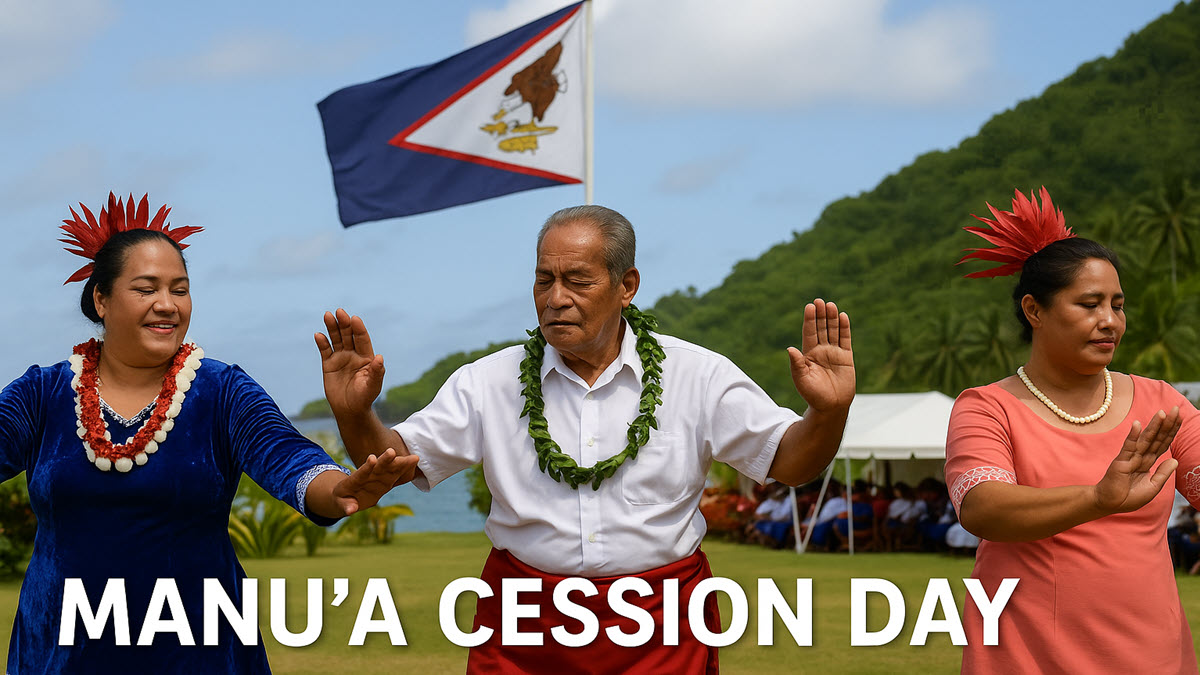
Manu'a Cession Day commemorates the anniversary when Tui Manu'a Elisara and other chiefs signed the Treaty of Cession of Manu‘a on July 16, 1904, and the unity of all the Samoan islands within the territory of American Samoa. |
1 event,
|
1 event,
|
|
1 event,
|
2 events,
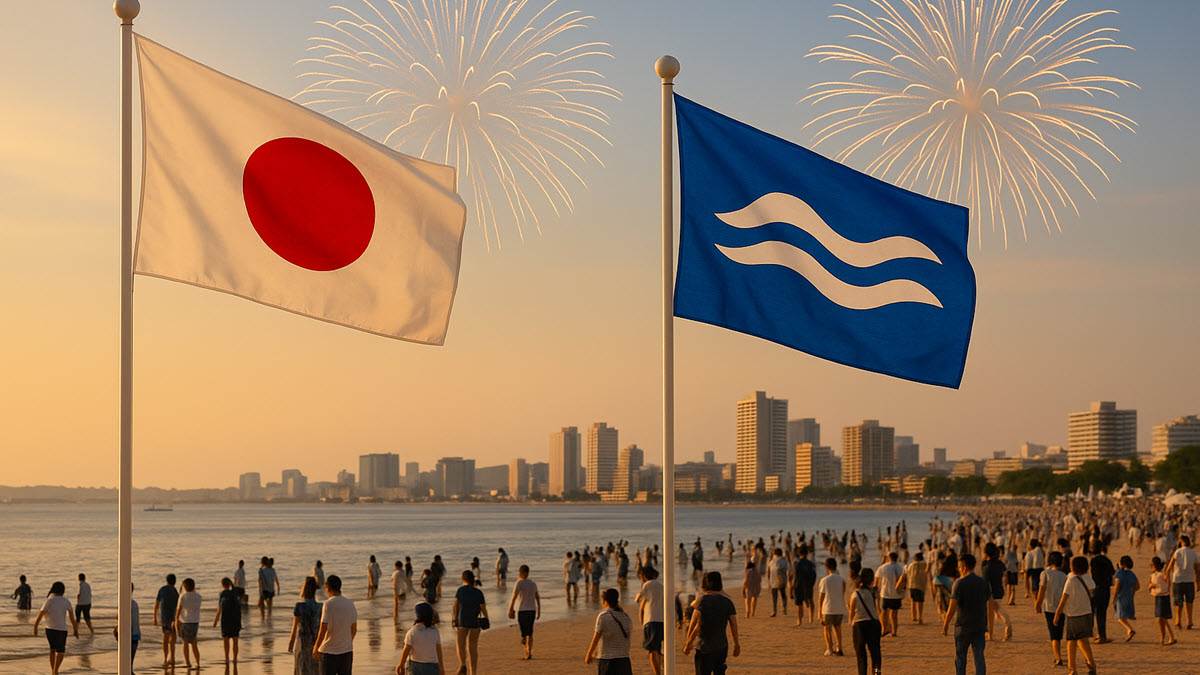
Marine Day honors the ocean's importance to Japan as an island nation, recognizing its role in providing food, transportation and prosperity. The holiday encourages appreciation for the sea and maritime culture. Many people visit beaches, participate in ocean-related events, and enjoy fireworks or festivals celebrating Japan's close connection to the sea. |
2 events,
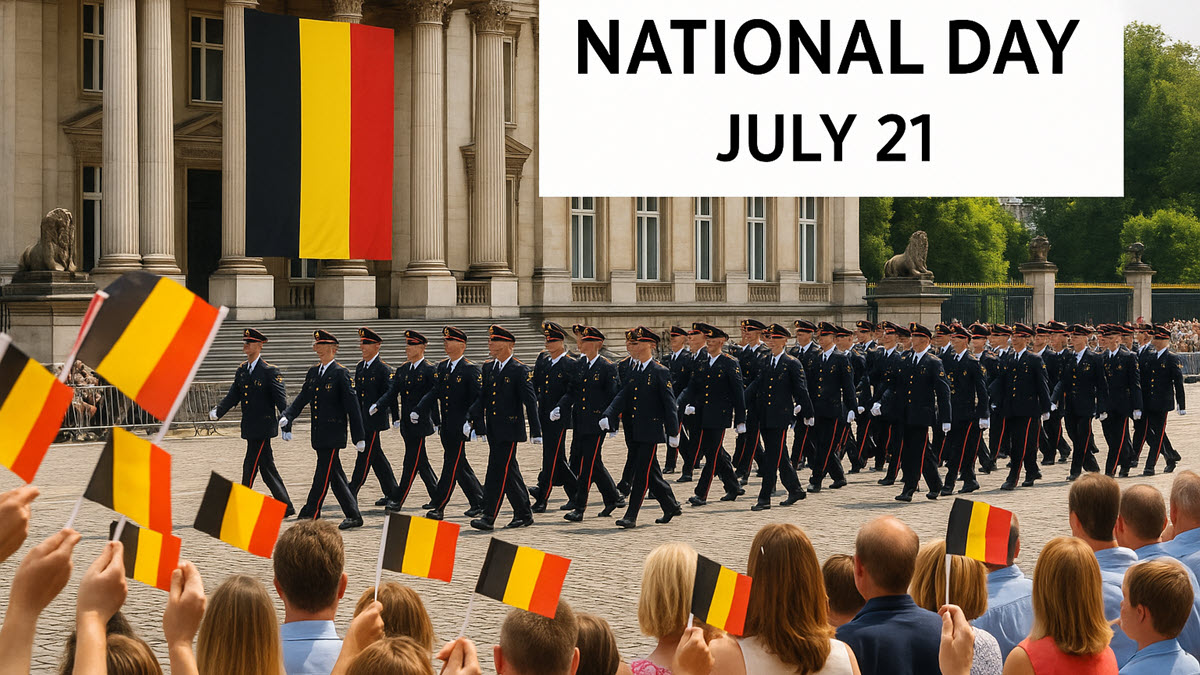
National Day in Belgium marks the swearing-in of King Leopold I in 1831, the country's first monarch, symbolizing the birth of the independent Belgian state. The day commemorates national unity and pride, featuring a royal military parade in Brussels, flag displays and festive concerts across the country. |
1 event,
|
1 event,
|
1 event,
|
3 events,
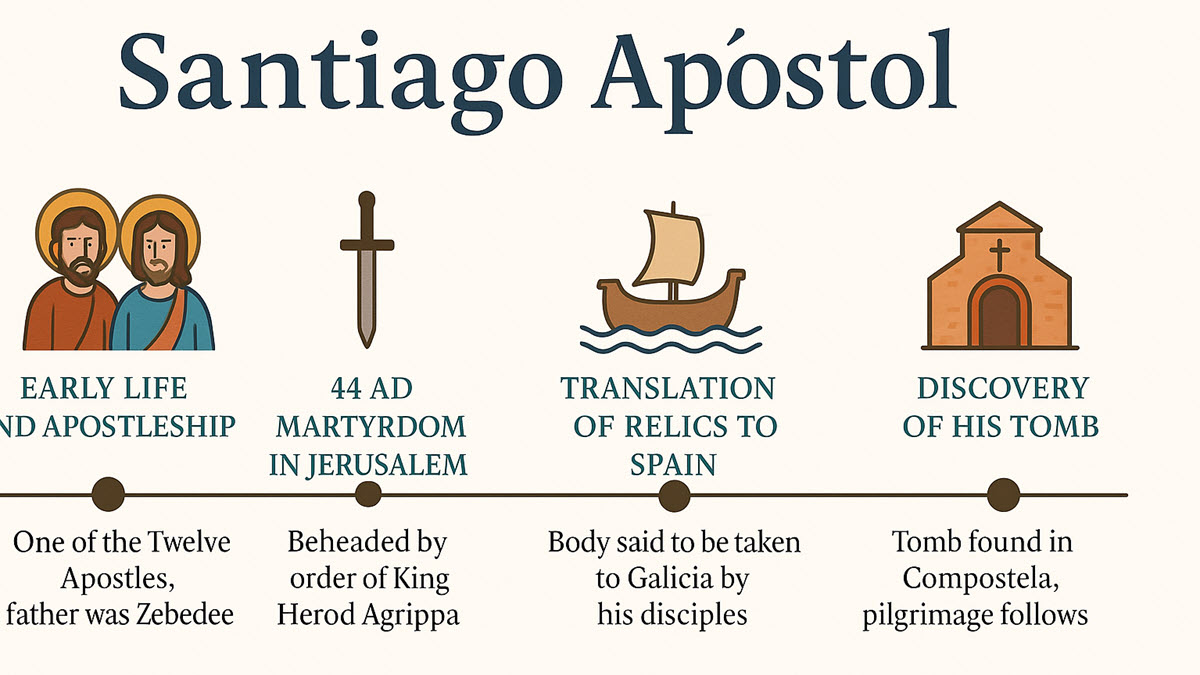
Santiago Apóstol was one of Jesus’s closest disciples and the first apostle to be martyred. His relics, believed to rest in Santiago de Compostela, inspired one of the world’s most important pilgrimage traditions and made him the patron saint of Spain. 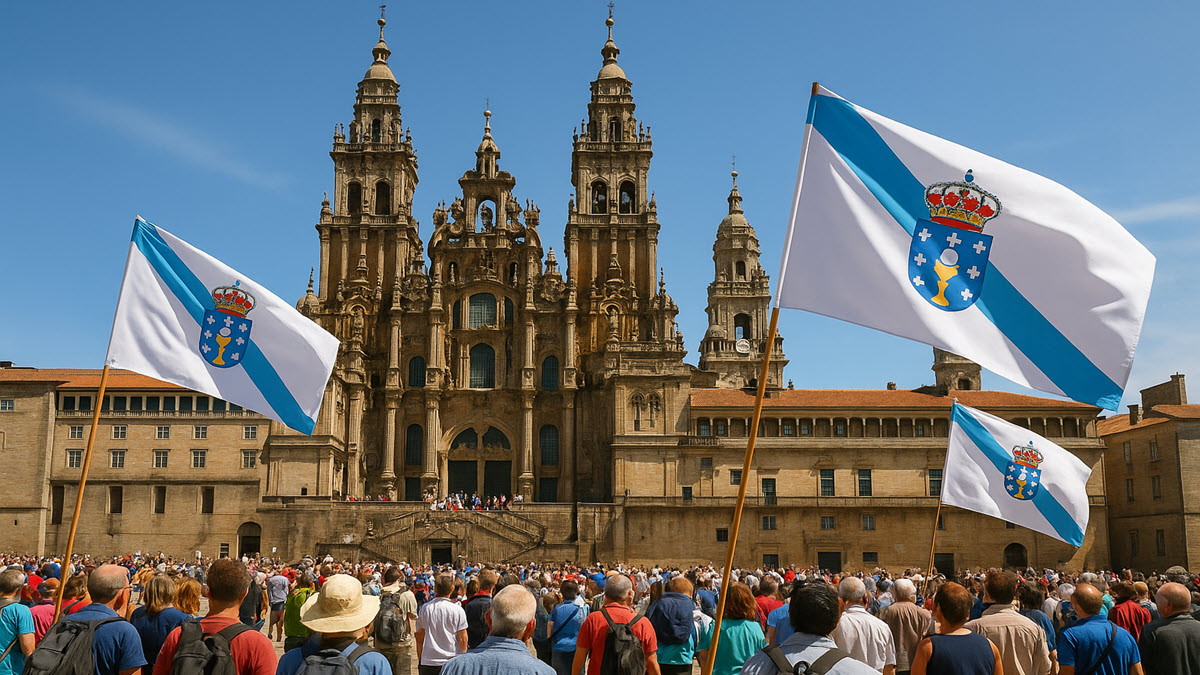
The Day of Galicia on is a religious festival honoring Saint James and a national holiday celebrating Galician identity, culture, and language. Born in 1919 as a nationalist movement, suppressed under Franco, and revived after democracy, it remains Galicia’s most important civic and cultural celebration. |
|
1 event,
|
1 event,
|
2 events,
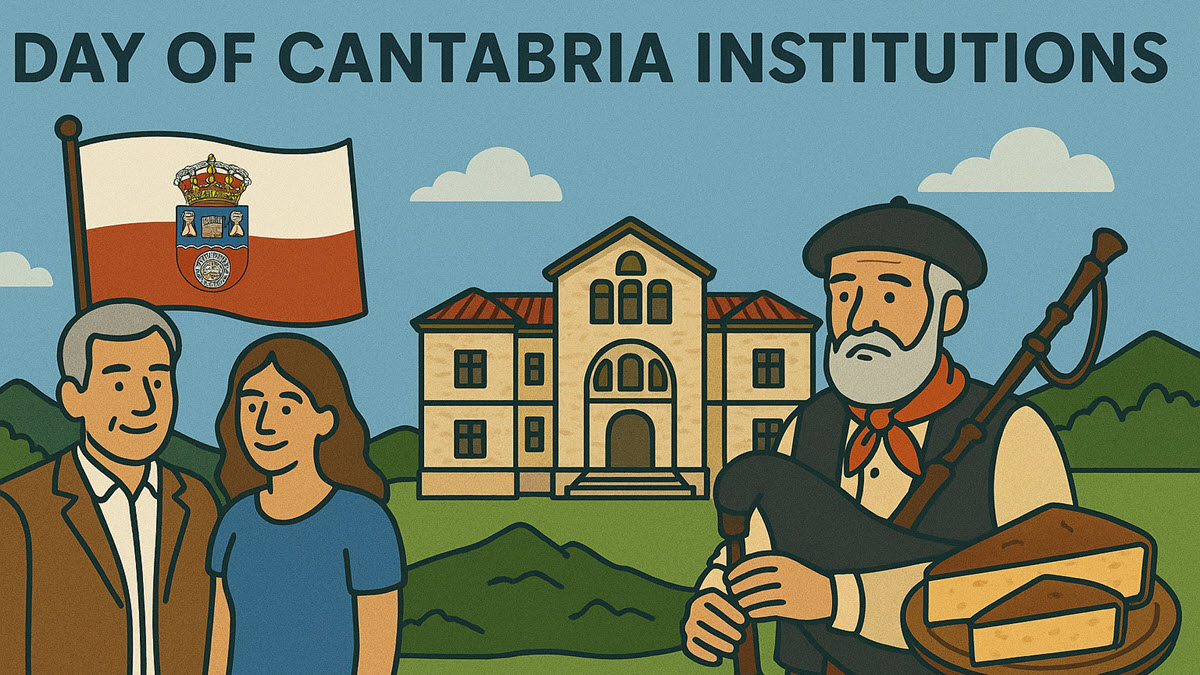
The Day of the Institutions of Cantabria commemorates the 1778 Assembly in Puente San Miguel, which created the Province of Cantabria and gave the region its first institutional identity. Since the 1990s, it has been celebrated as a symbol of Cantabria’s political and cultural unity. |
3 events,

Asalha Puja is one of the most sacred Buddhist holidays in Thailand, commemorating the day the Lord Buddha delivered his first sermon, which laid the foundation of the Buddhist faith. The observance of Asalha Puja in Thailand is deeply tied to the country’s religious heritage, monarchy, and Theravāda Buddhist tradition. 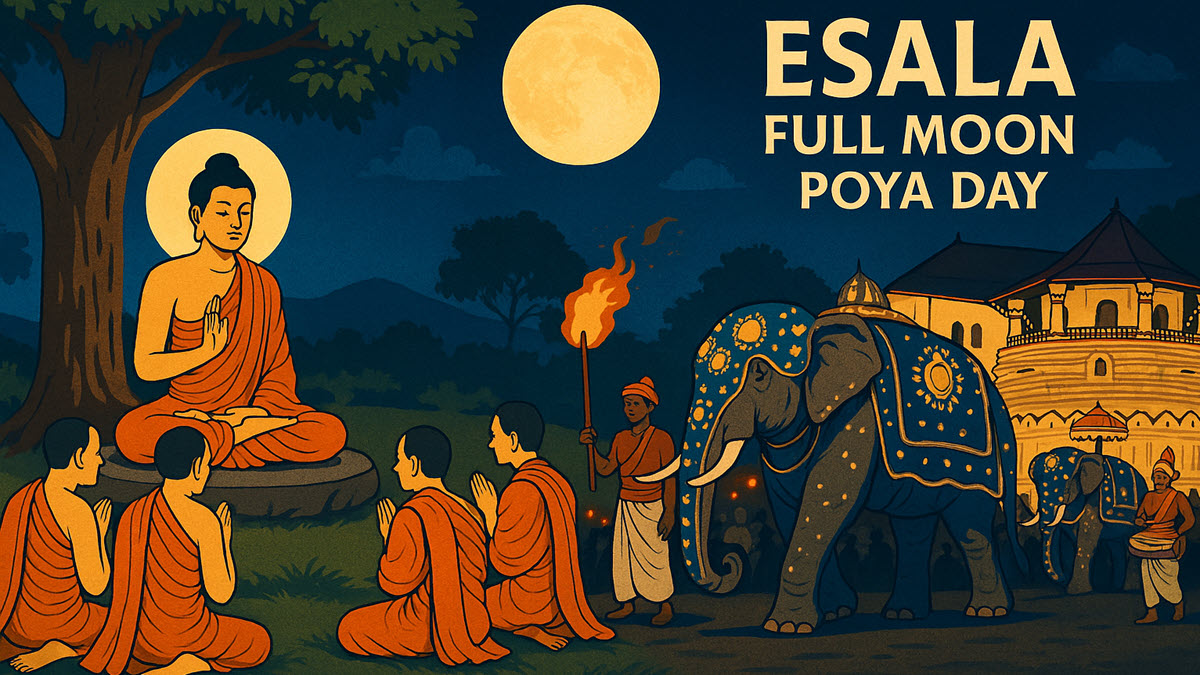
Esala Full Moon Poya is one of Buddhism’s most historic days. It commemorates the conception and renunciation of Prince Siddhartha, the Buddha’s first sermon at Isipatana (introducing the Four Noble Truths), and the founding of the Sangha. In Sri Lanka, Esala is marked by temple observances and the world-famous Kandy Esala Perahera, honoring the Sacred Tooth Relic of the Buddha. |
4 events,
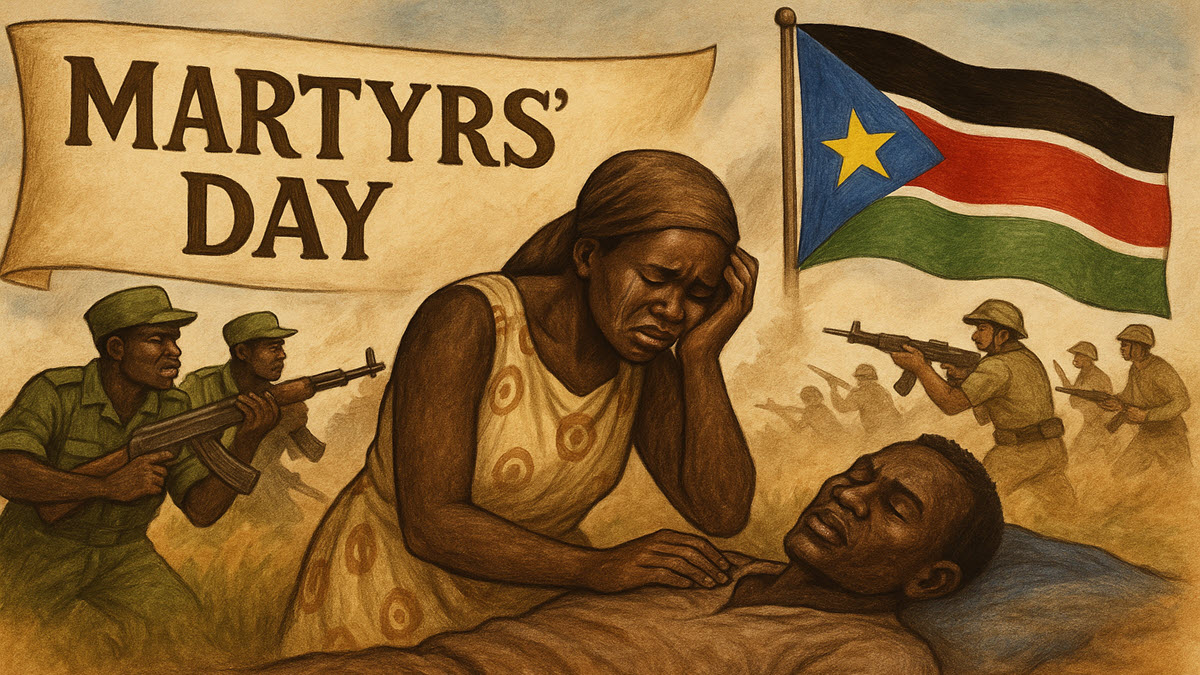
Martyrs’ Day was created in memory of Dr. John Garang, who died in 2005, but it has since become a broader national commemoration of all South Sudanese who gave their lives in the long struggle for independence. 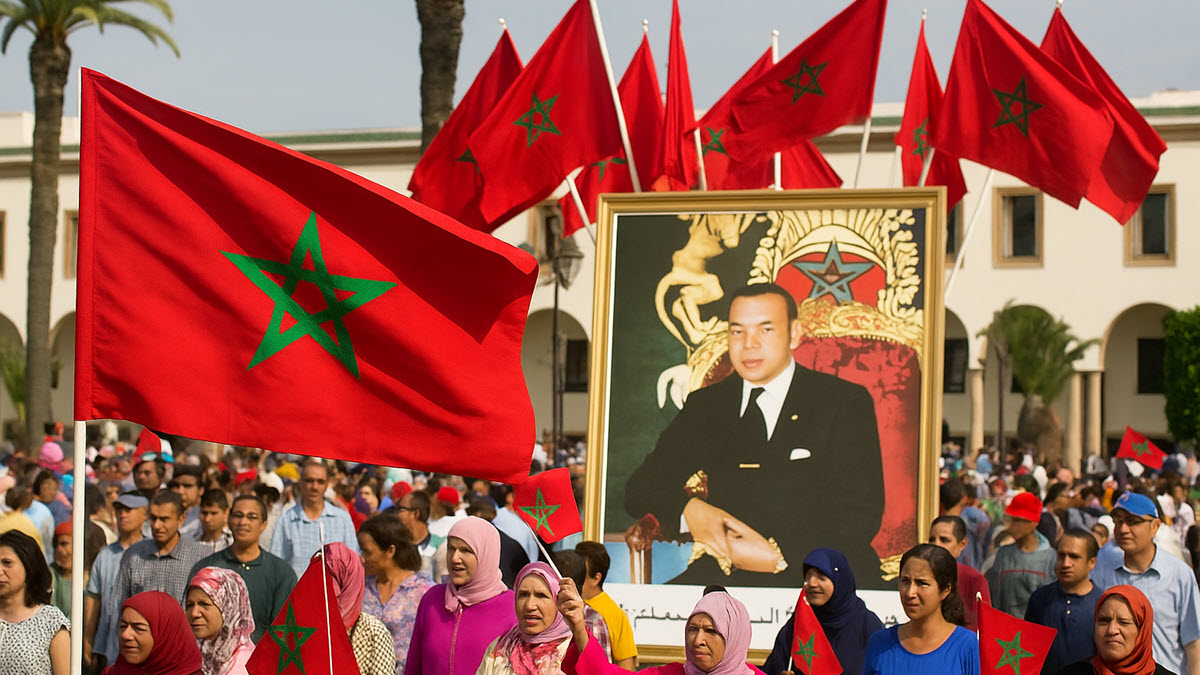
Throne Day in Morocco marks the anniversary of King Mohammed VI’s accession to the throne in 1999, honoring national unity, loyalty to the monarchy, and Morocco’s progress under his reign. 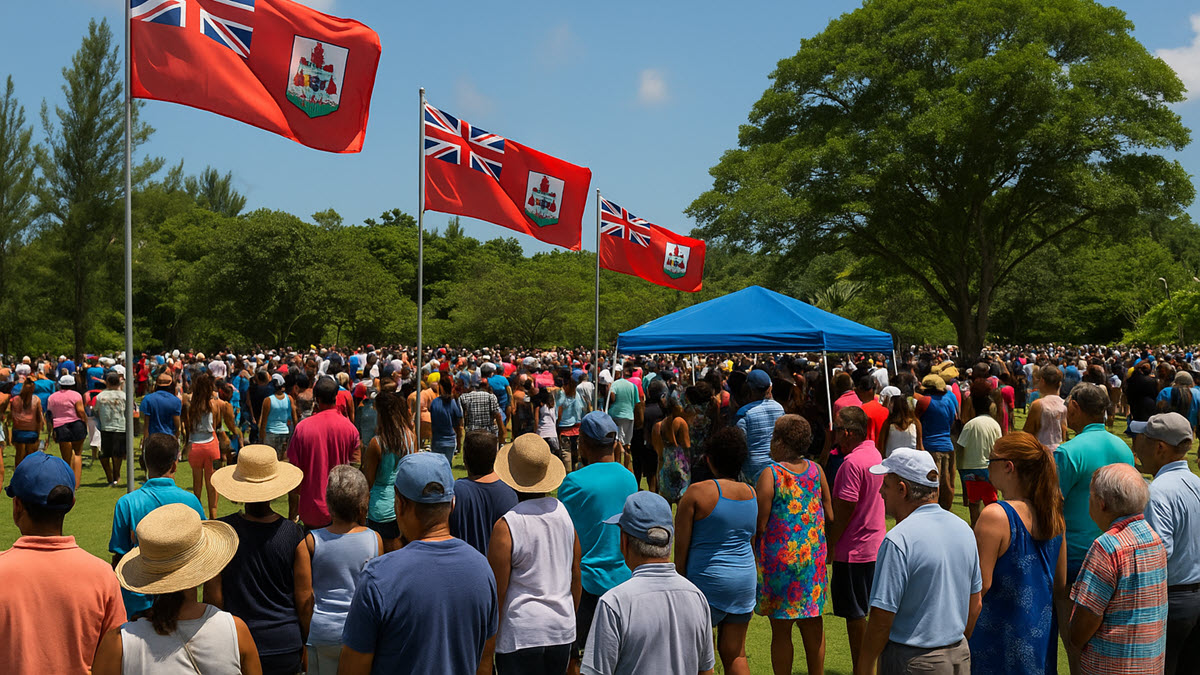
Emancipation Day in Bermuda commemorates the abolition of slavery in the British Empire in 1834. The day honors the resilience, freedom and cultural heritage of Bermudians of African descent. It also marks the beginning of the island's beloved Cup Match holiday, a two-day celebration featuring the historic cricket rivalry between Somerset and St. George's clubs. |
2 events,
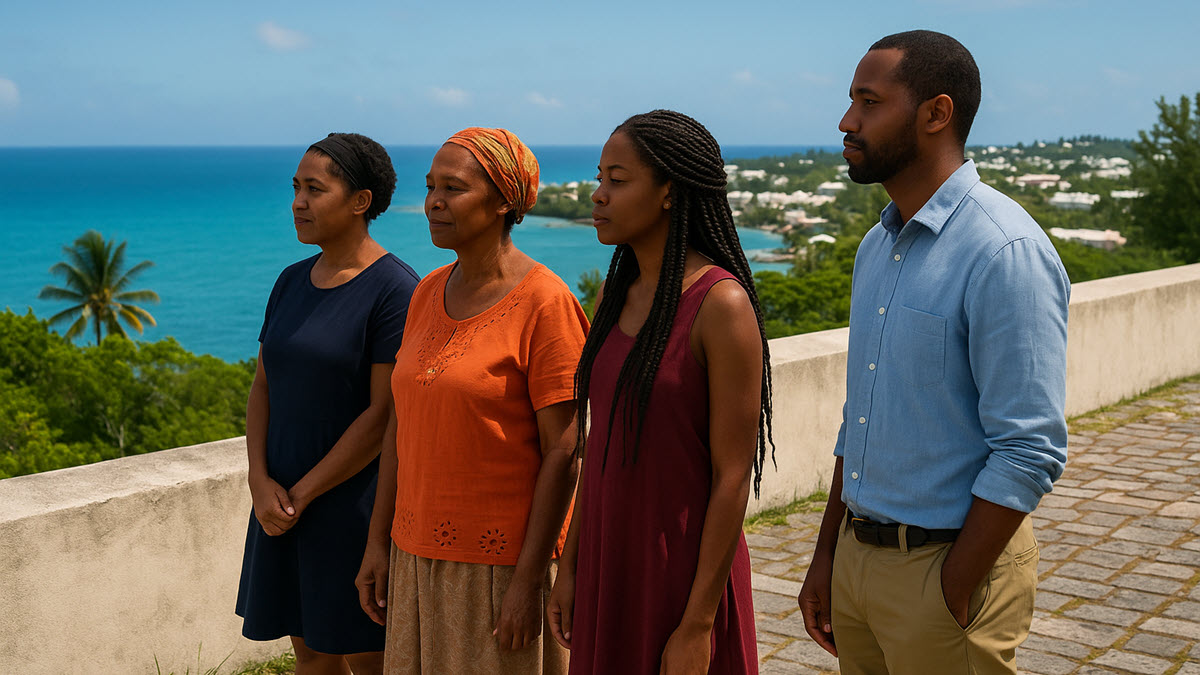
Mary Prince Day honors Mary Prince, a Bermudian woman whose autobiography, The History of Mary Prince (1831), was the first account of a Black woman's life published in Britain. Her courageous testimony exposed the brutality of slavery in the Caribbean and Bermuda, helping to advance the abolitionist movement. Falling during the Cup Match holiday weekend, it joins Emancipation Day in commemorating the island's enduring fight for justice and equality. |
1 event,
|