Events
-
-
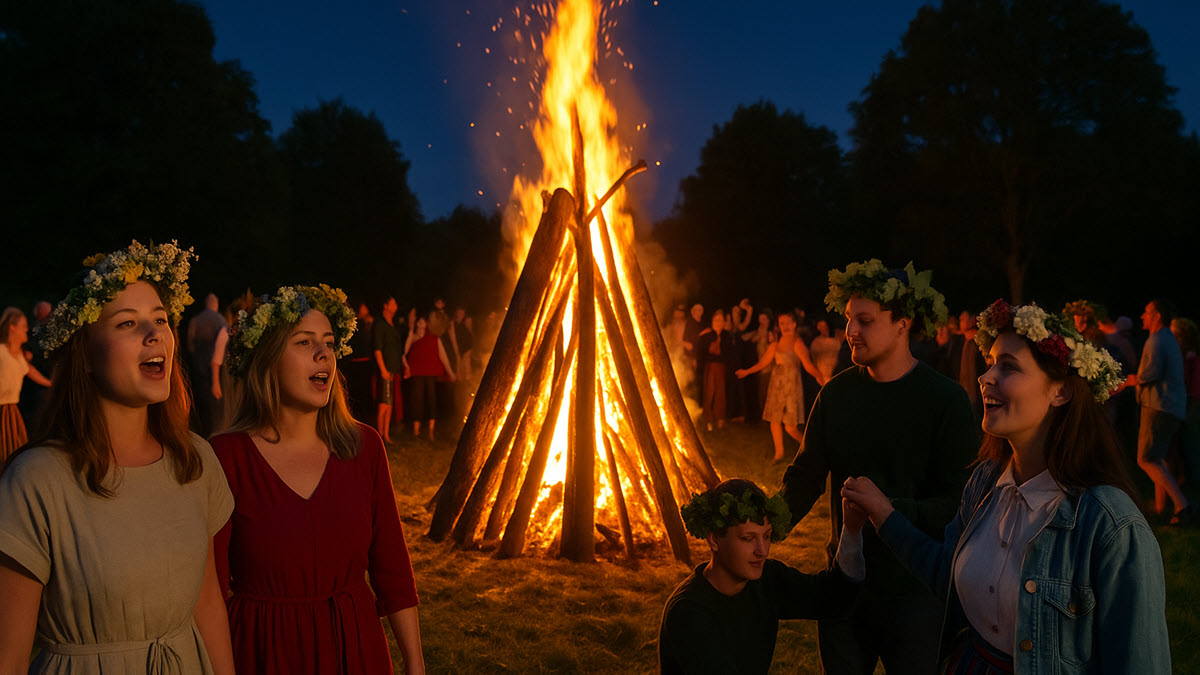
Midsummer Day (Latvia)
Midsummer Day in Latvia, known as Jāņi, is the peak of the summer solstice. It honors nature’s vitality and fertility with bonfires, folk songs, wreaths, and feasts, symbolizing joy, renewal and Latvia’s ancient traditions.
-
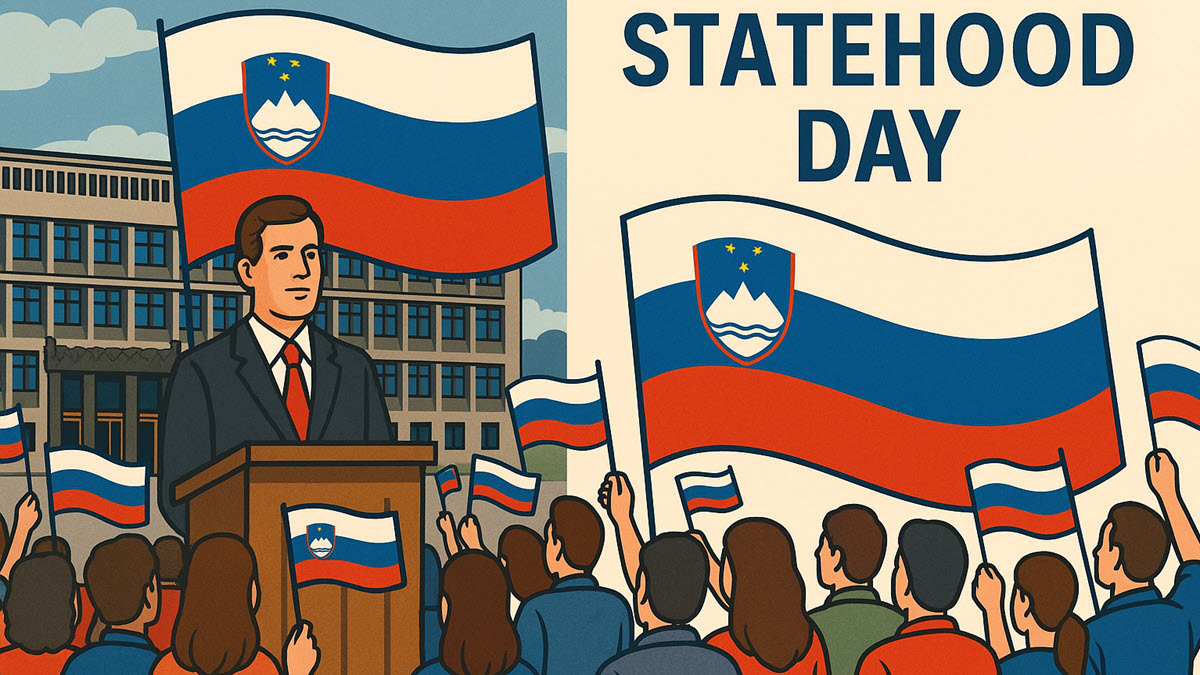
Statehood Day Slovenia
Statehood Day marks the 1991 declaration of independence, when Slovenia formally became a sovereign state after the referendum of December 1990. It is one of the most important national holidays, symbolizing freedom, independence, and self-determination.
-
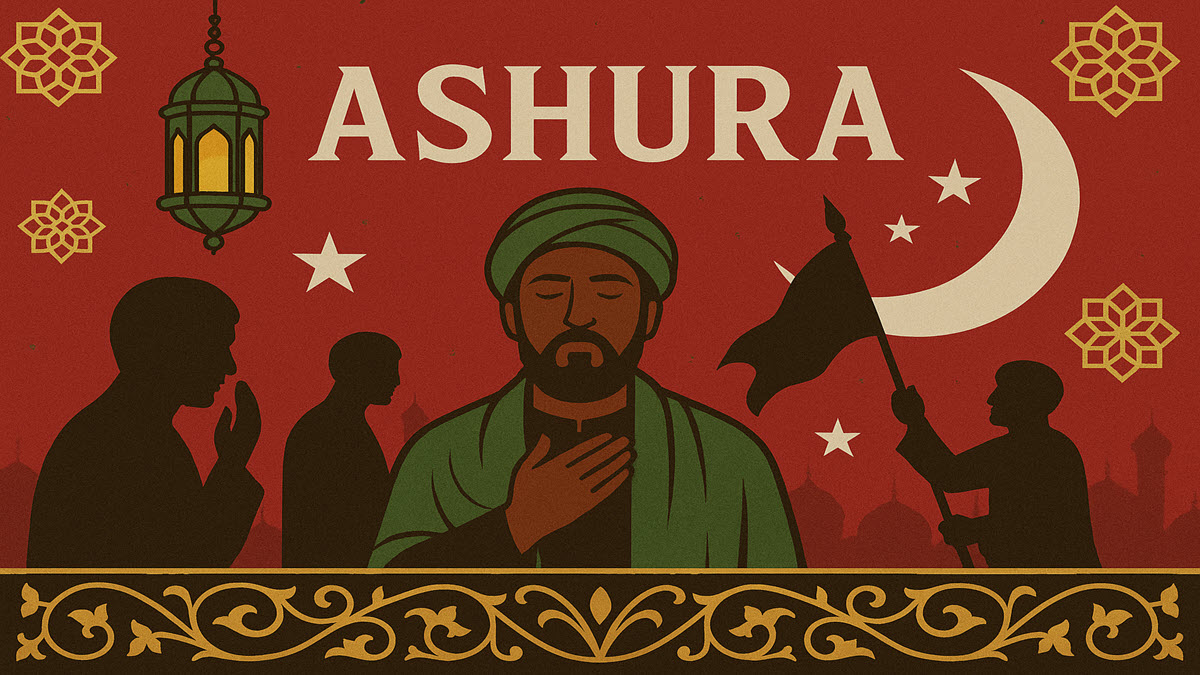
Ashura
Ashura is the 10th day of Muharram, the first month of the Islamic lunar calendar. It is a day of major religious and historical significance for all Muslims, but is observed differently by Sunni and Shia communities.
-
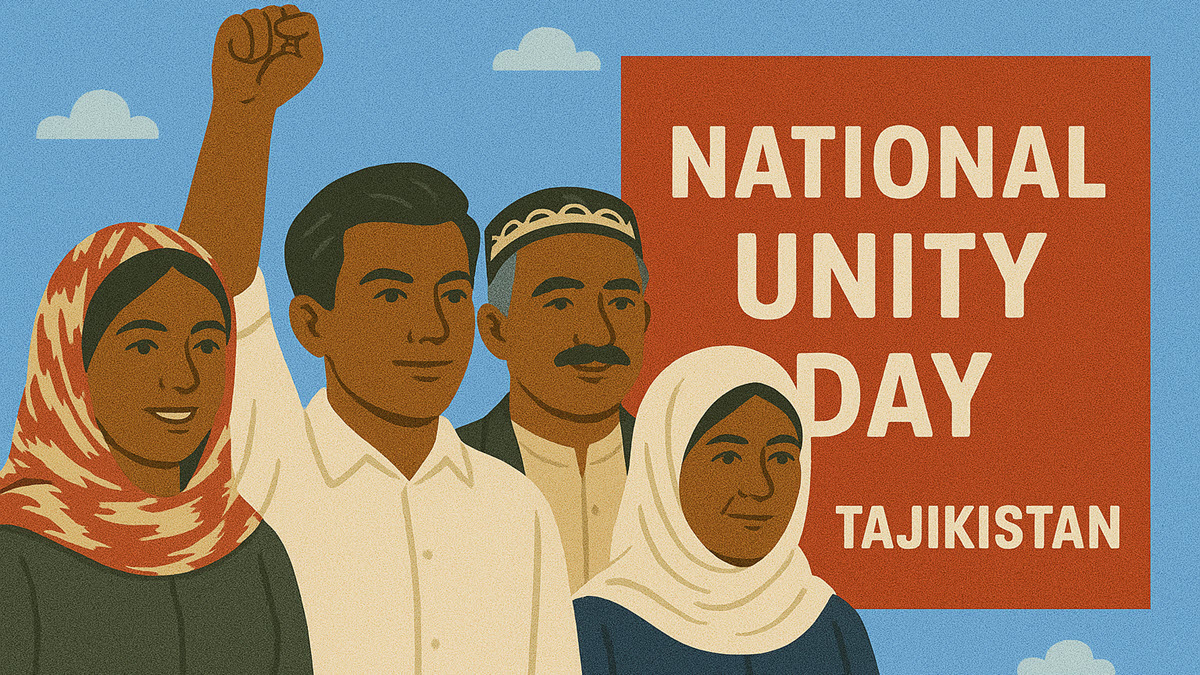
National Unity Day Tajikistan
National Unity Day in Tajikistan is celebrated every year to commemorate the signing of the General Agreement on the Establishment of Peace and National Accord in 1997. This historic accord marked the official end of the Tajik civil war (1992–1997), one of the most painful and destructive conflicts in the country's history.
-
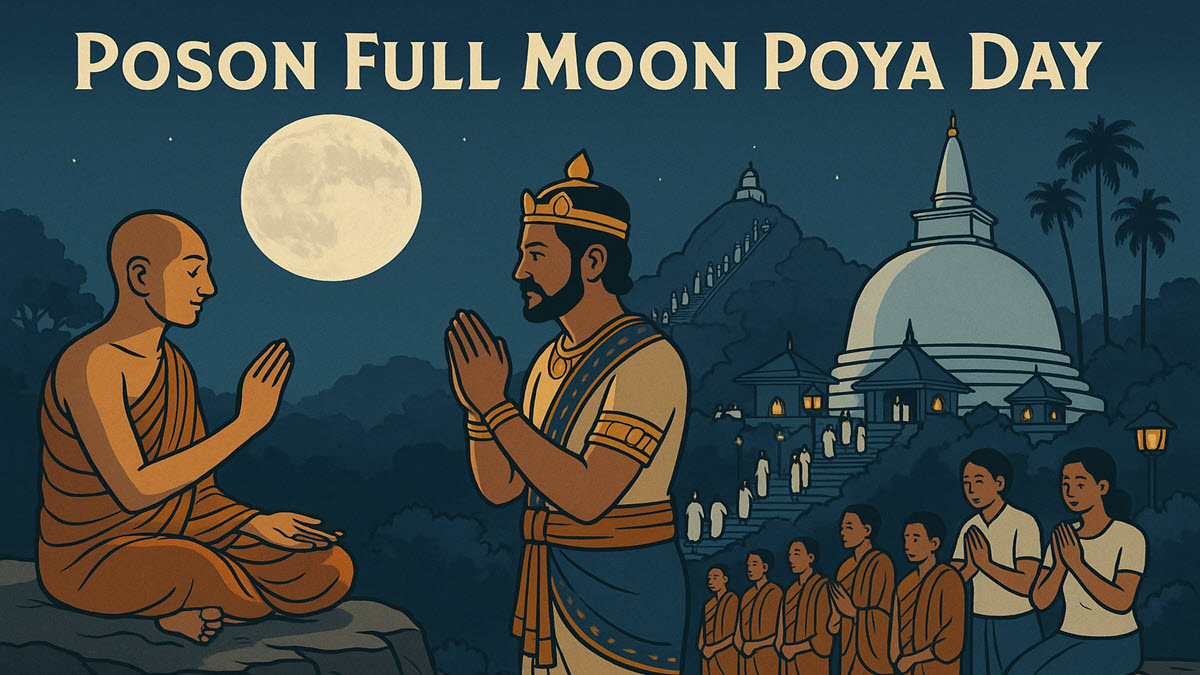
Poson Full Moon Poya Day
Poson Full Moon Poya marks the arrival of Arahat Mahinda Thera and the introduction of Buddhism to Sri Lanka during King Devanampiya Tissa’s reign in the 3rd century BCE. The historic meeting at Mihintale led to Buddhism becoming the island’s state religion. Today, Poson Full Moon Poya Day is one of Sri Lanka’s most important Buddhist festivals.
-
-
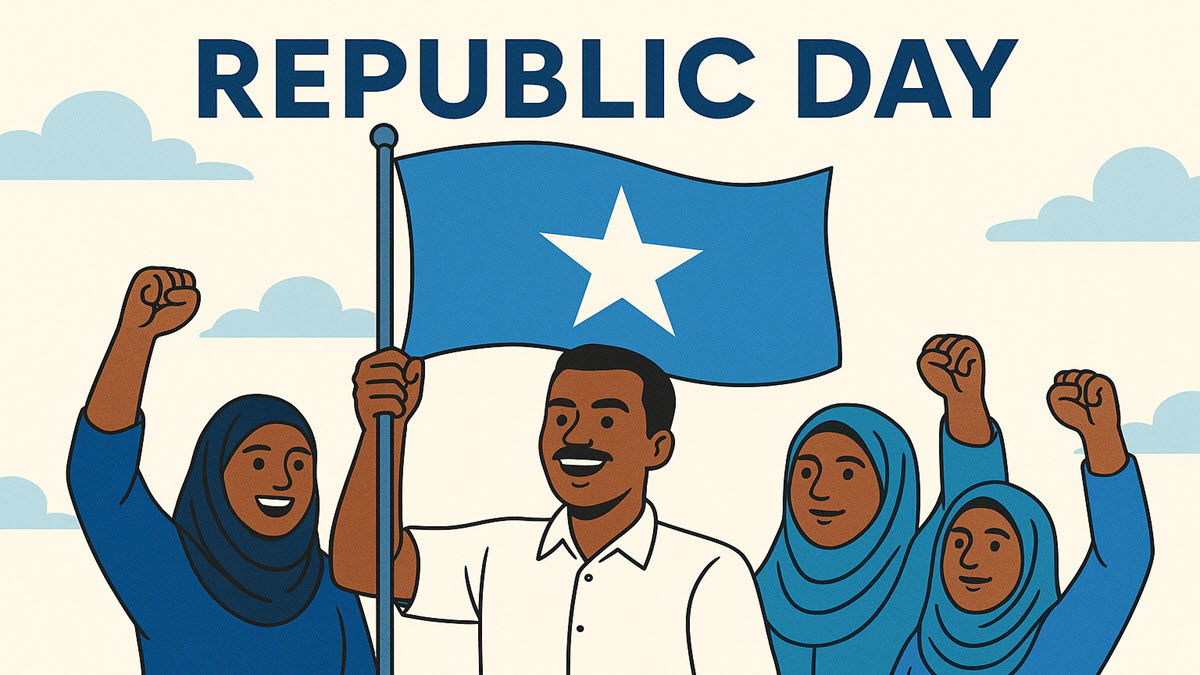
Republic Day (Somalia)
Republic Day marks the unification of British Somaliland and Italian Somaliland into the Somali Republic, establishing Somalia as an independent, modern nation for the first time.
-
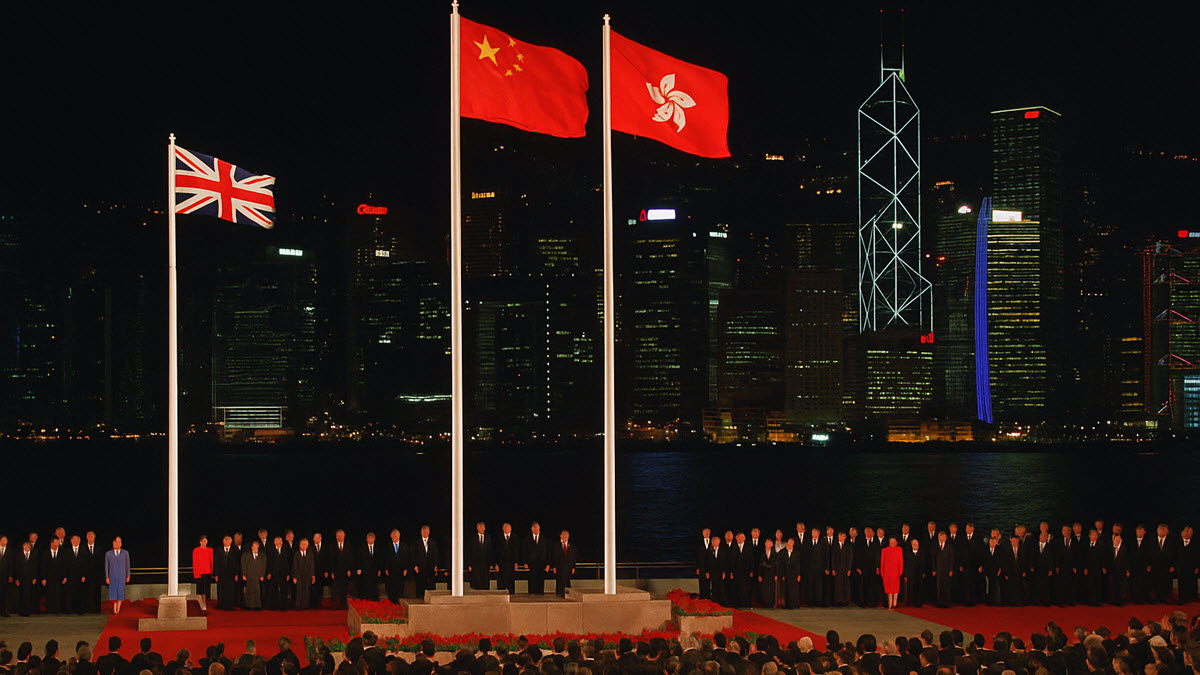
Hong Kong Special Administrative Region Establishment Day
Hong Kong Special Administrative Region (HKSAR) Establishment Day marks the transfer of sovereignty from the United Kingdom to China in 1997 and the creation of the Hong Kong SAR under the principle of "one country, two systems". It is a public holiday observed with official ceremonies, flag-raising events, and community celebrations that reflect Hong Kong’s unique identity and connection with both China and the world.
-
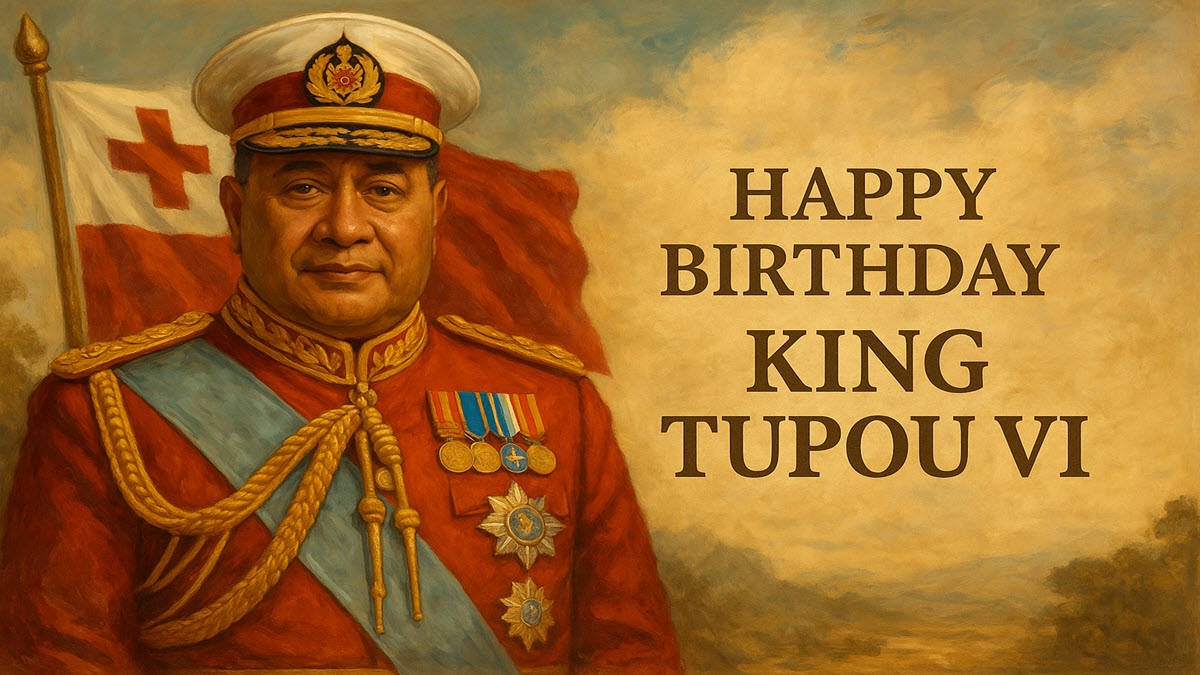
King Tupou VI's Birthday
King Tupou VI's Birthday is a national holiday in Tonga celebrating King Tupou VI's official birthday on July 4, although his actual birth date is July 12, 1959.
-
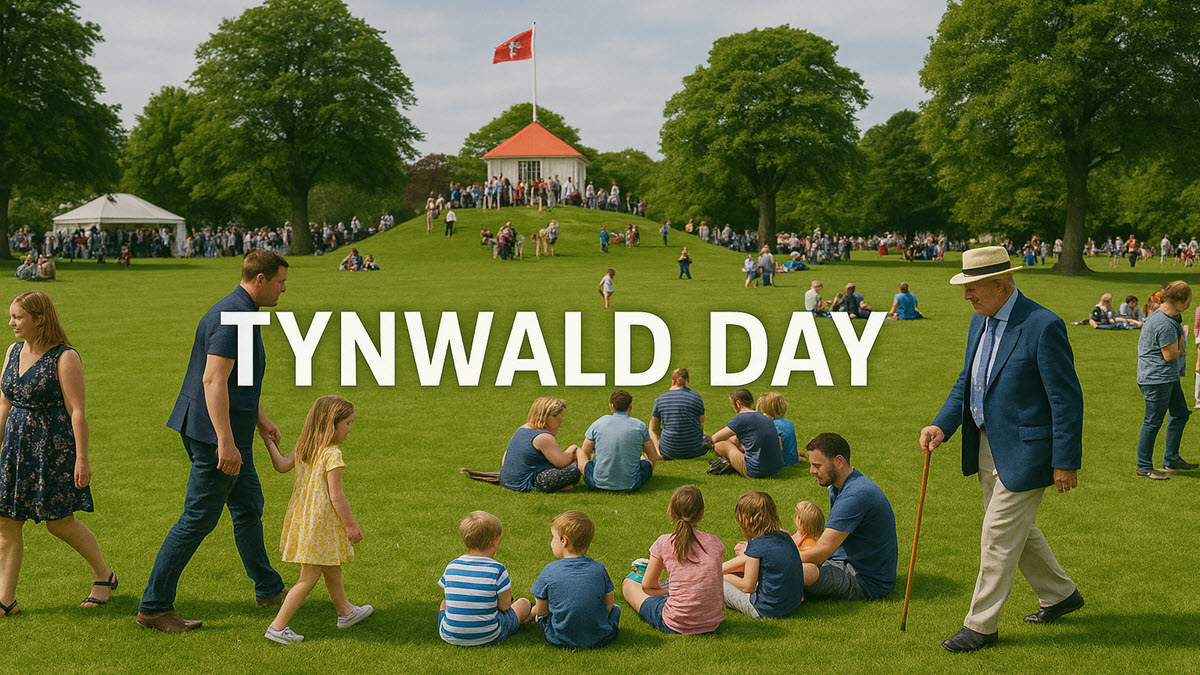
Tynwald Day
Tynwald Day is the national day of the Isle of Man. It features the world’s oldest continuous parliament meeting in a traditional open-air ceremony at St. John's, where new laws are proclaimed and Manx heritage is celebrated.
-
Virgin Islands Day
Virgin Islands Day is a public holiday in the British Virgin Islands that celebrates the territory’s culture, heritage and identity, replacing Territory Day in 2020.
-
Saba Saba Day
Saba Saba Day (meaning "Seven Seven" in Swahili, referring to July 7) is a national day of political and economic importance in Tanzania. It originated as the anniversary of the founding of the Tanganyika African National Union (TANU) in 1954, which led the fight for independence from British colonial rule. Over time, it has also become associated with the Dar es Salaam International Trade Fair (DITF), one of the largest trade fairs in East Africa.
-
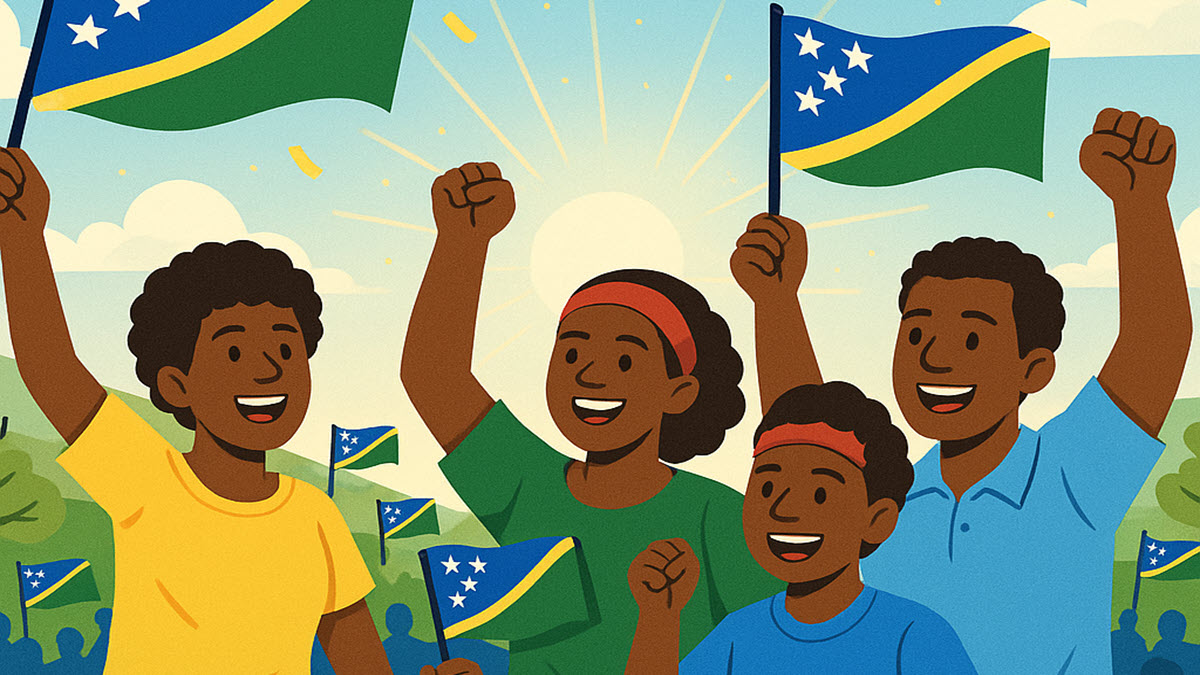
Independence Day (Solomon Islands)
Independence Day in the Solomon Islands commemorates the country’s freedom from British colonial rule on July 7, 1978, celebrated with parades, cultural events and national pride across the islands.