Events
-
-
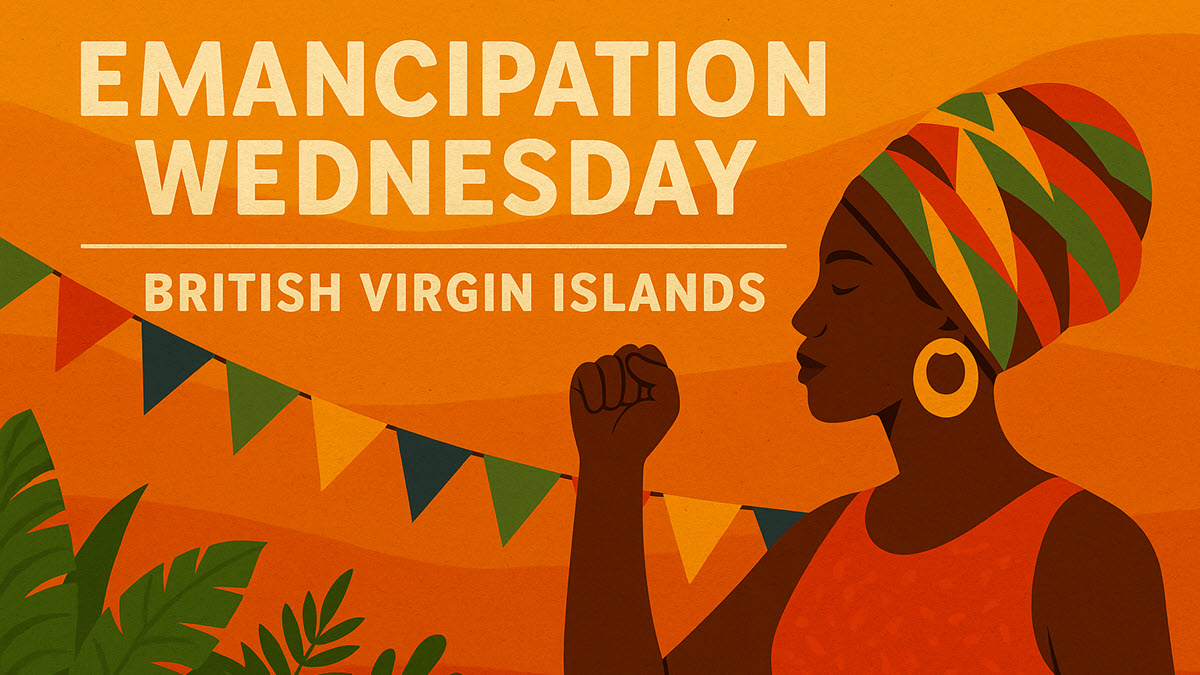
Emancipation Wednesday (BVI)
Emancipation Wednesday in the British Virgin Islands (BVI) is a public holiday, forming the third and final official holiday of the annual Emancipation Festival. It honors the abolition of slavery on August 1, 1834, when the Slavery Abolition Act of 1833 freed enslaved Africans across the British Empire, including the Virgin Islands.
-
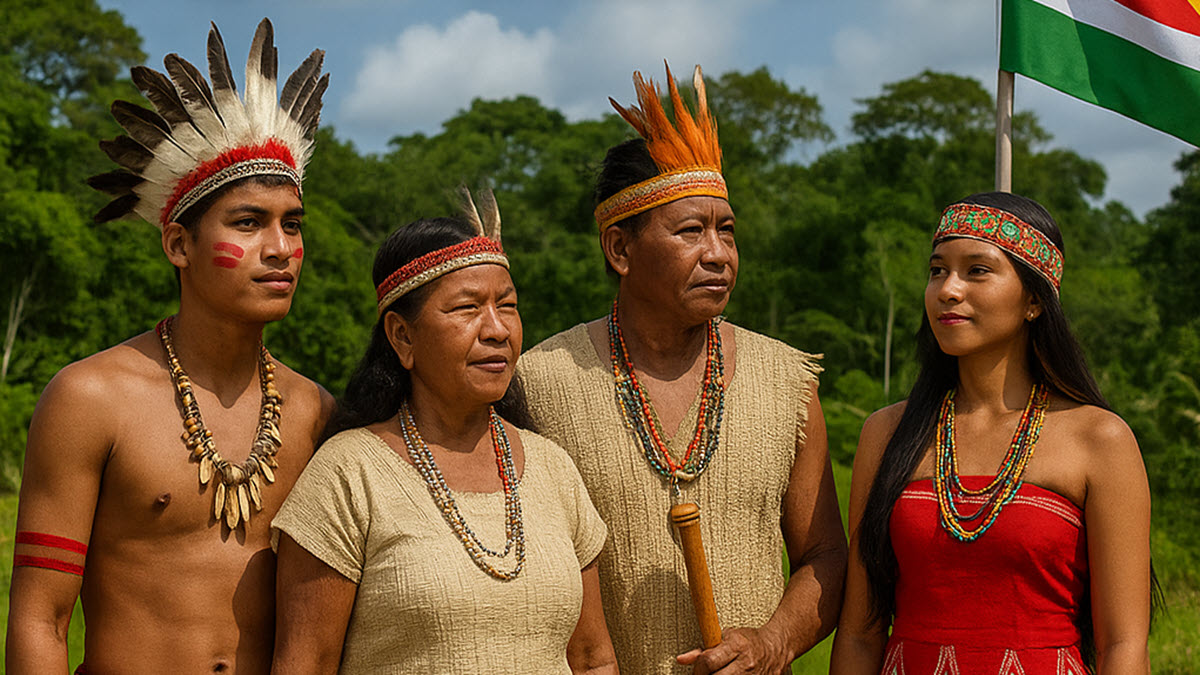
Indigenous Peoples Day Suriname
Indigenous Peoples Day in Suriname, known as Keti Koti, is to mark the abolition of slavery in 1863 (with full freedom realized in 1873). Celebrated with ceremonies, parades, music, and traditional dress, it is a national day of remembrance and cultural pride, symbolizing the breaking of chains and the enduring spirit of freedom.
-

National Women's Day
National Women’s Day commemorates the 1956 Women’s March to the Union Buildings in Pretoria, when more than 20,000 women of all races protested against the apartheid government’s pass laws. These laws required Black South Africans to carry pass books (internal passports), restricting their movement and reinforcing racial segregation.
-
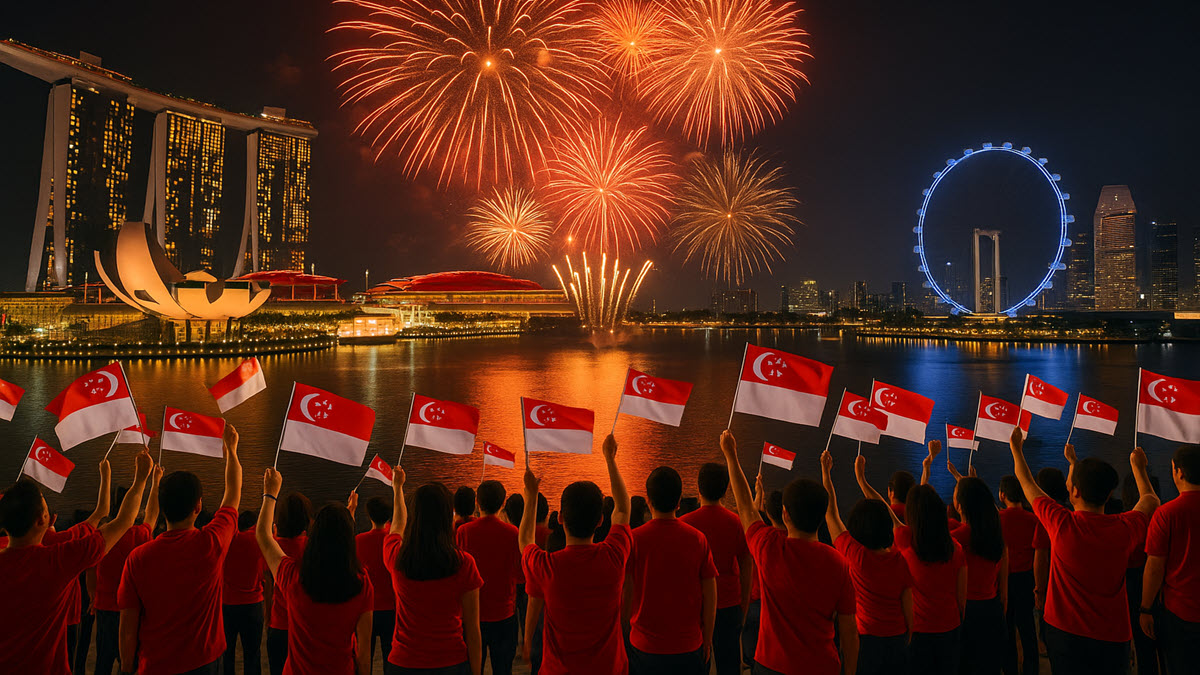
National Day (Singapore)
National Day in Singapore is a public holiday celebrated every year to mark the country’s independence from Malaysia in 1965.
-
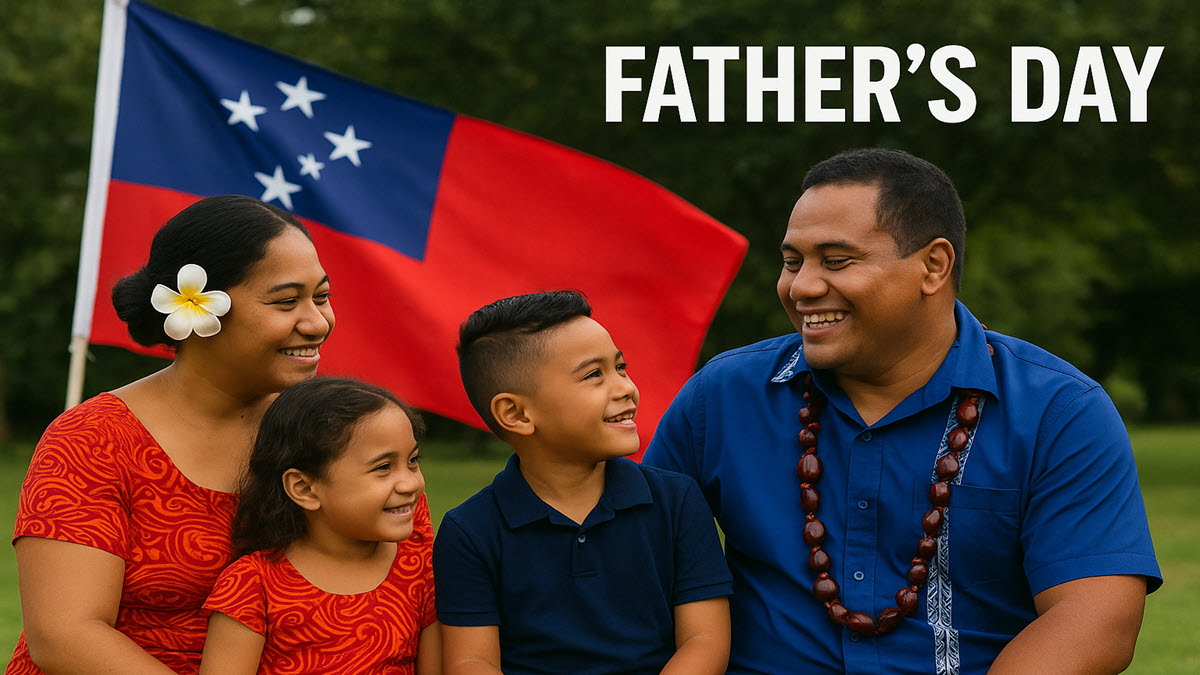
Father's Day (Samoa)
Father’s Day in Samoa honors fathers through church services, family feasts and cultural gatherings, reflecting the central role of fathers in Samoan family and community life.
-
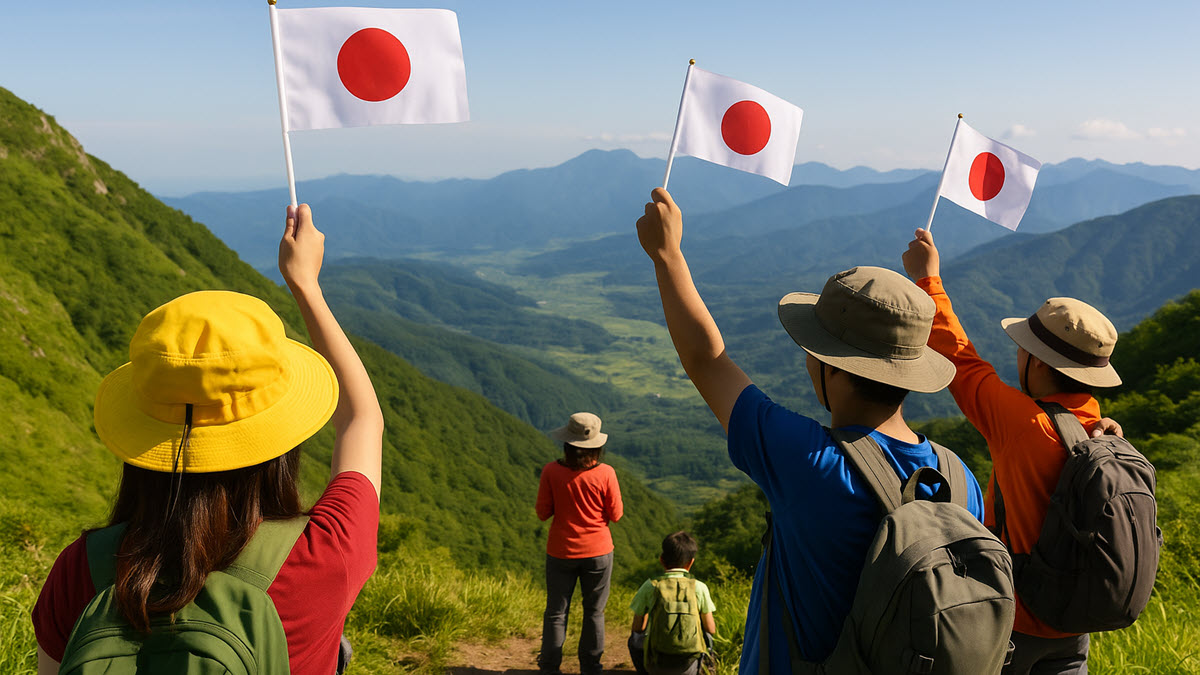
Mountain Day (Japan)
Mountain Day was established to give people an opportunity to appreciate mountains and nature, recognizing their cultural and spiritual importance in Japan's landscape. Many people spend the day hiking, camping, or visiting scenic mountain areas. The holiday highlights Japan's deep respect for nature and encourages outdoor recreation and environmental awareness.
-
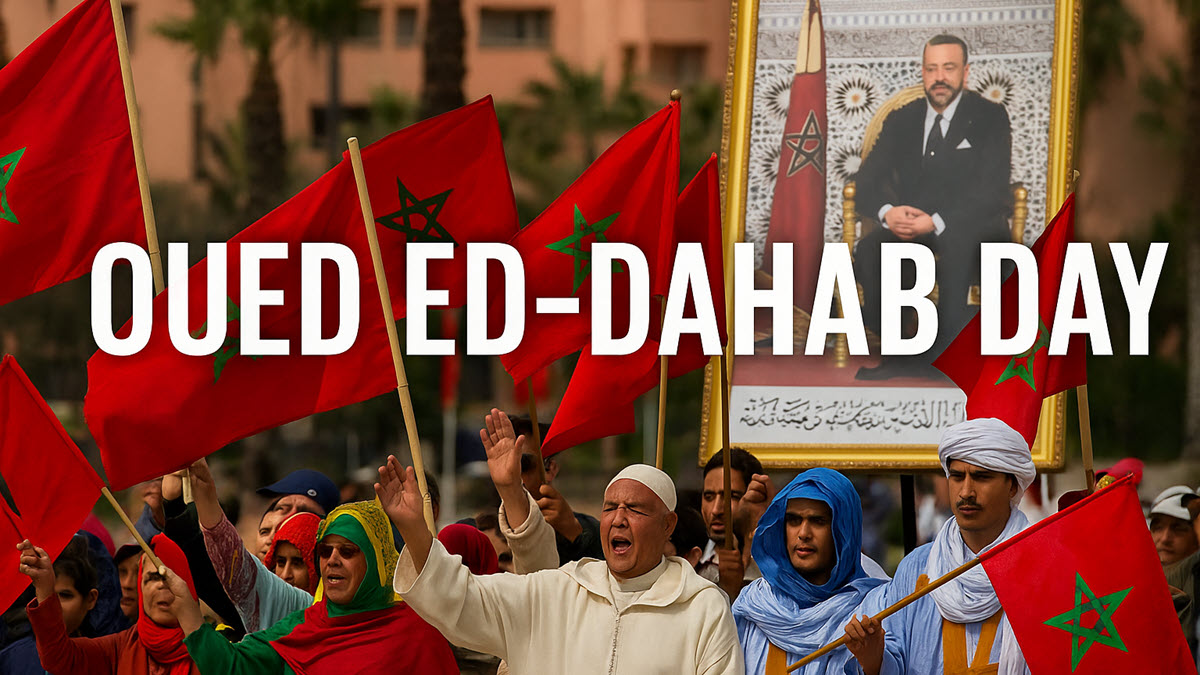
Oued Ed-Dahab Day
Oued Ed-Dahab Day in Morocco commemorates the 1979 reintegration of the Oued Ed-Dahab region into Morocco, celebrating national unity, sovereignty, and the completion of the kingdom’s territorial integrity.
-
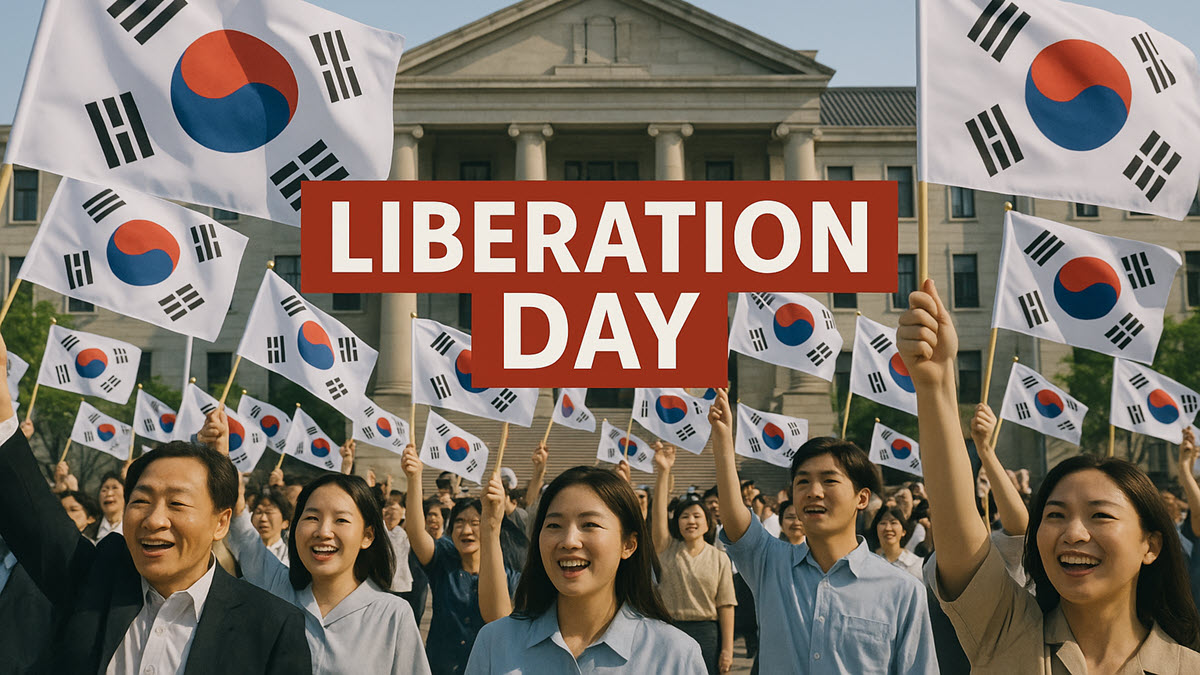
Liberation Day (South Korea)
Liberation Day marks both Korea’s liberation from Japan in 1945 and the founding of the Republic of Korea in 1948. It was officially declared a holiday in 1949 and is celebrated each year as a day of remembrance, pride, and national unity.
-
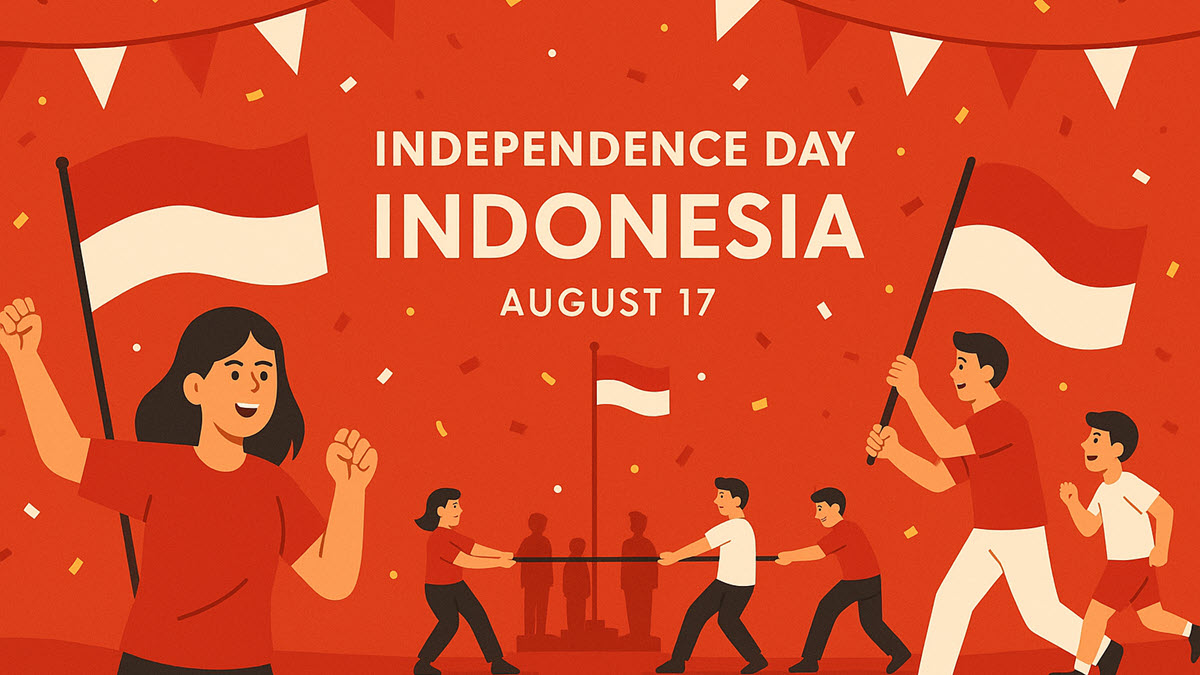
Independence Day (Indonesia)
Independence Day, or Hari Kemerdekaan, commemorates Indonesia’s proclamation of independence from Dutch colonial rule in 1945. On this day, Sukarno and Mohammad Hatta declared Indonesia a sovereign nation, marking the birth of the Republic.
-
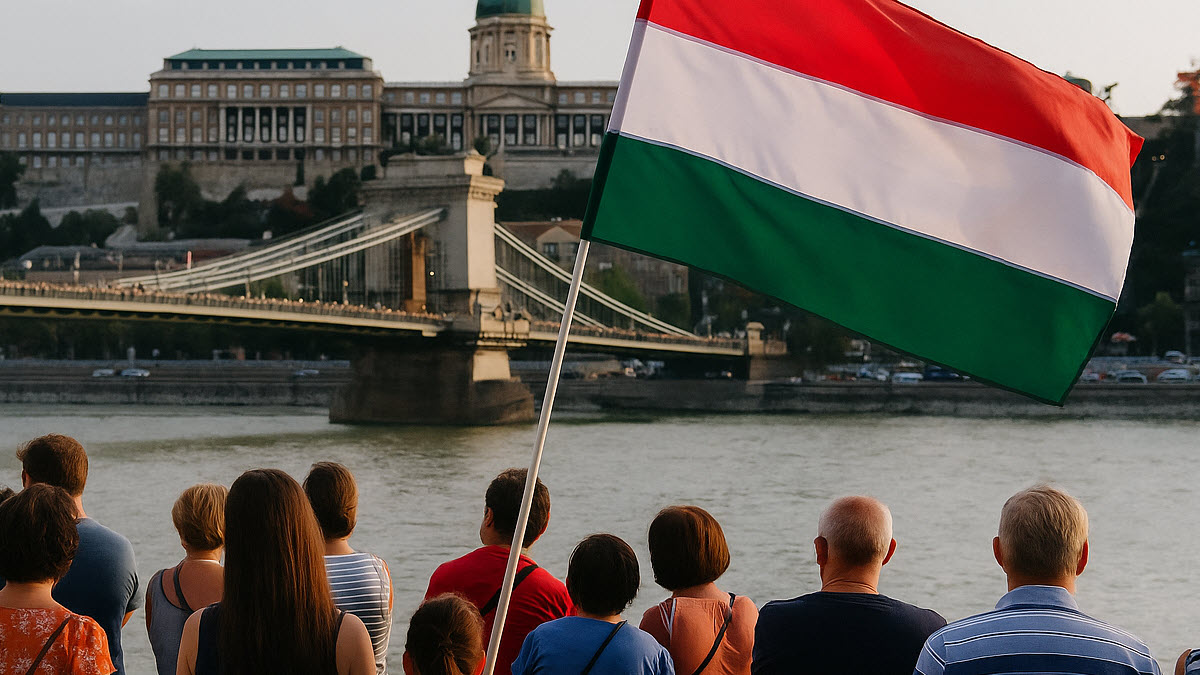
National Day (Hungary)
National Day in Hungary honors St. Stephen I, the nation's first king and founder of the Hungarian state. Marked by church processions, parades and grand fireworks over the Danube, it symbolizes Hungary's statehood, Christian heritage and national unity.
-
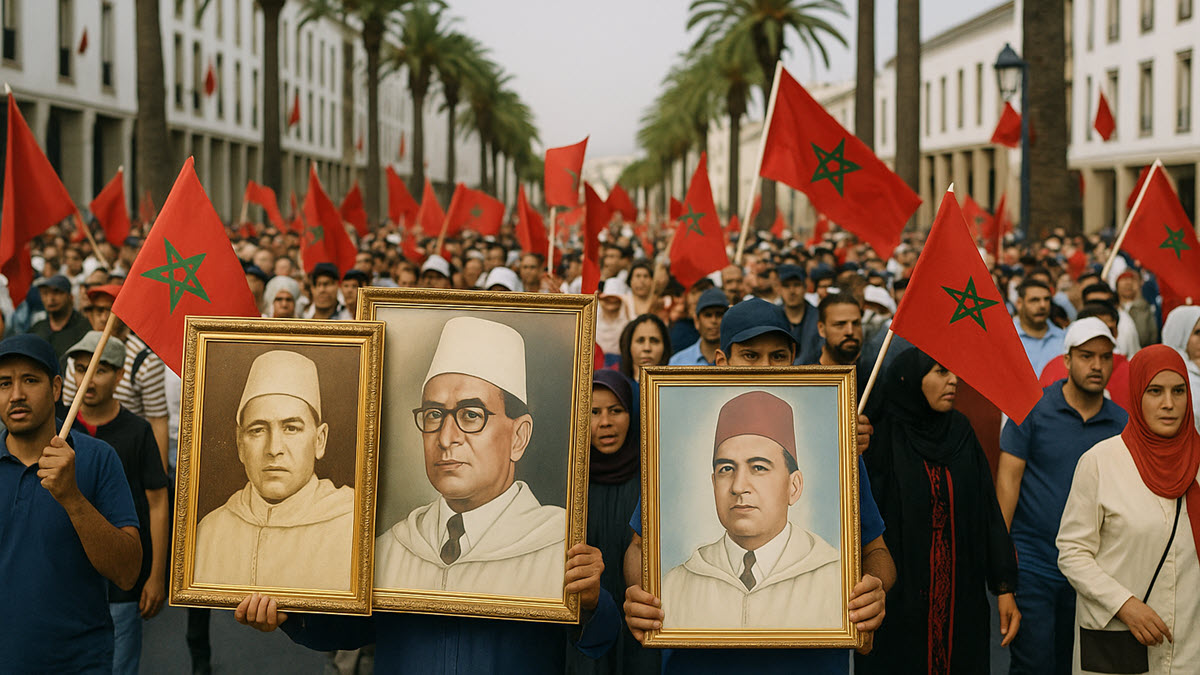
Revolution Day (Morocco)
Revolution Day in Morocco commemorates the 1953 exile of King Mohammed V by French colonial authorities and the ensuing national uprising, symbolizing Morocco’s unity, resistance, and struggle for independence.
-
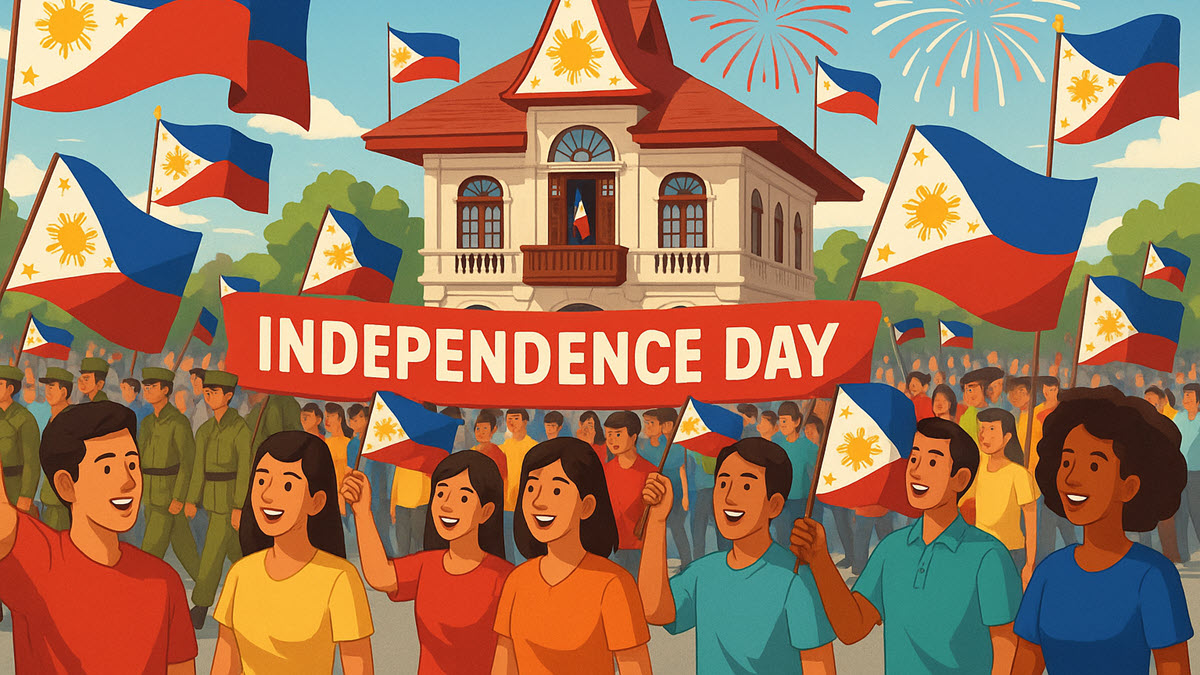
Ninoy Aquino Day
Ninoy Aquino Day honors the life and sacrifice of Senator Benigno “Ninoy” Aquino Jr., whose assassination in 1983 helped ignite the movement that toppled dictatorship and restored democracy in the Philippines.