Events
-
-
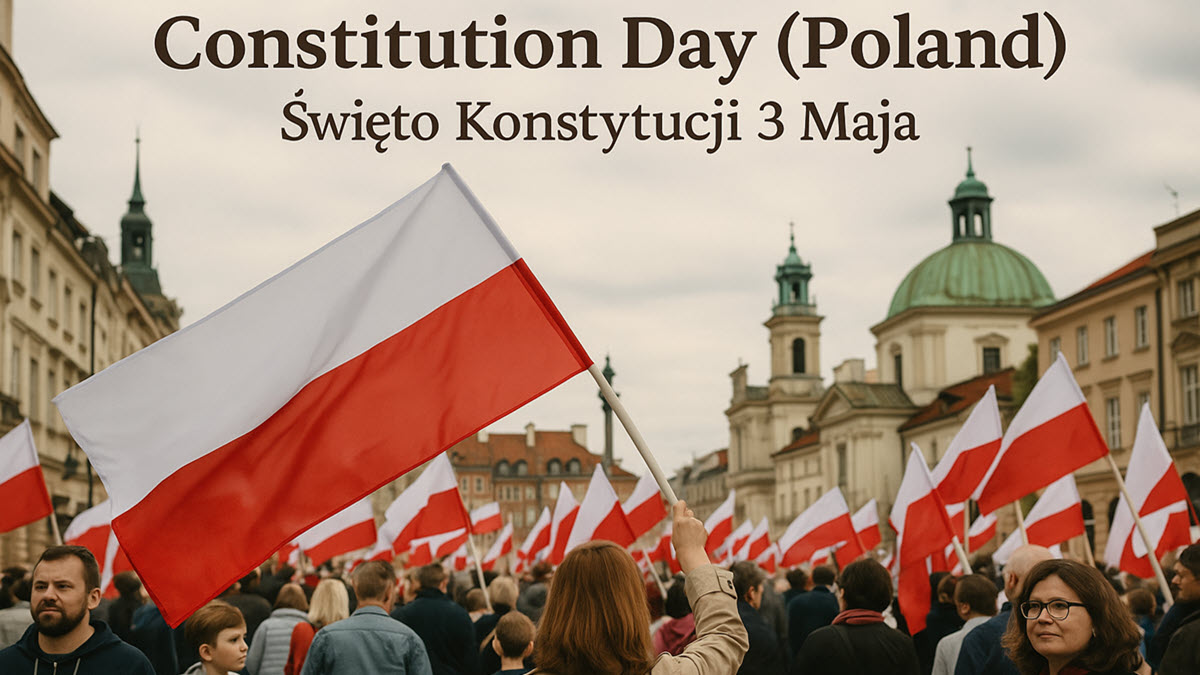
Constitution Day (Poland)
Constitution Day in Poland commemorates the adoption of the Polish Constitution of 1791, the first modern constitution in Europe and the second in the world after the United States. It symbolizes Poland's commitment to freedom, democracy, and national unity. Today, it is one of Poland's most important national holidays, marked by patriotic parades, concerts and ceremonies across the country.
-
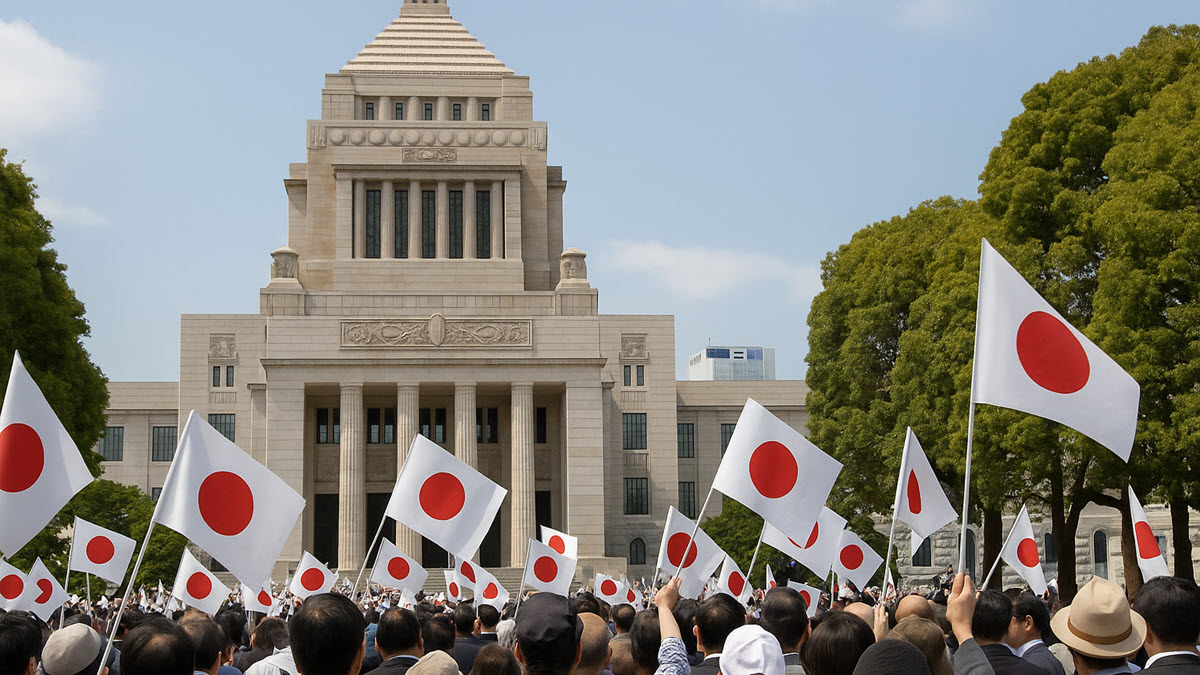
Constitution Day (Japan)
Constitution Day commemorates the enforcement of Japan’s postwar Constitution of 1947, which established democracy, pacifism and the sovereignty of the people. The day encourages citizens to reflect on the meaning of democracy and peace in modern Japan. It is also part of Golden Week, a series of national holidays when museums, government buildings and cultural sites often hold special events and open houses.
-

Coronation Day in Thailand
Coronation Day in Thailand was also known as Wan Chatramongkhon. It commemorates the formal coronation of the reigning monarch and highlights the sacred and historical traditions of the Thai monarchy.
-
May Bank Holiday (Ireland)
The May Bank Holiday in Ireland is rooted in both ancient Celtic Beltane traditions and modern labor rights movements. Today, it marks the start of summer, with festivals, sports and community gatherings across the country.
-
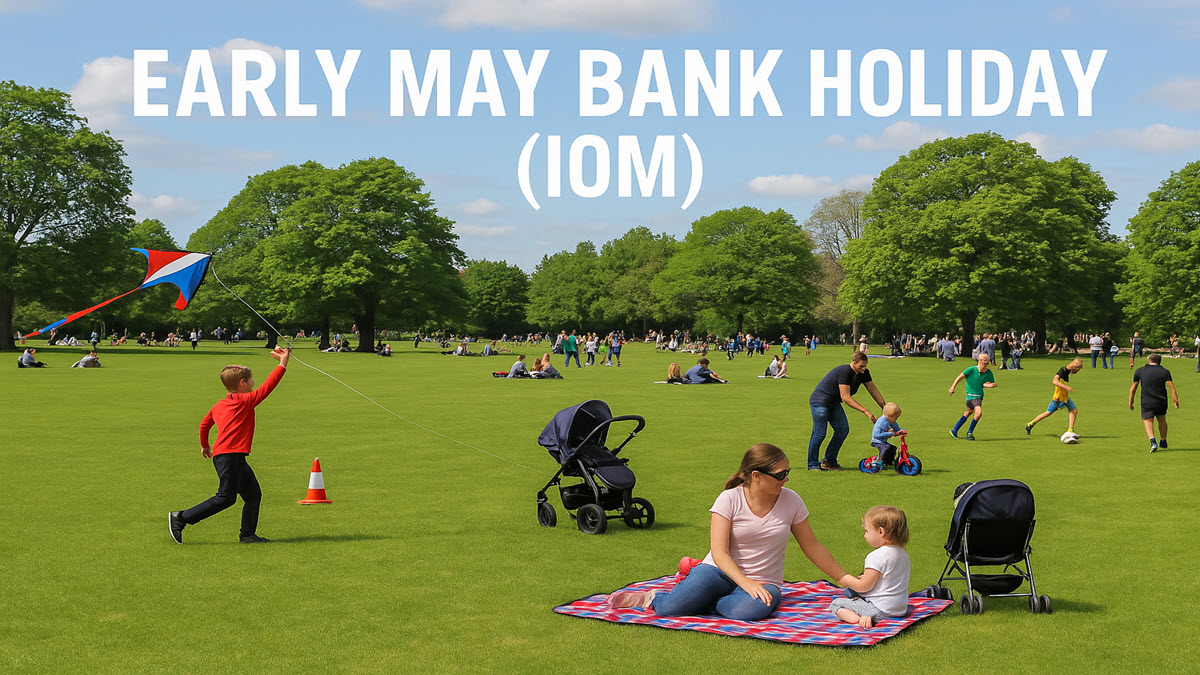
Early May Bank Holiday (IOM)
The Early May Bank Holiday in the Isle of Man (IOM) is providing a springtime long weekend. It reflects wider British and European traditions linked to May Day and International Workers’ Day, and is marked locally with community fairs, family activities, and a seasonal break.
-
Early May Bank Holiday (Jersey)
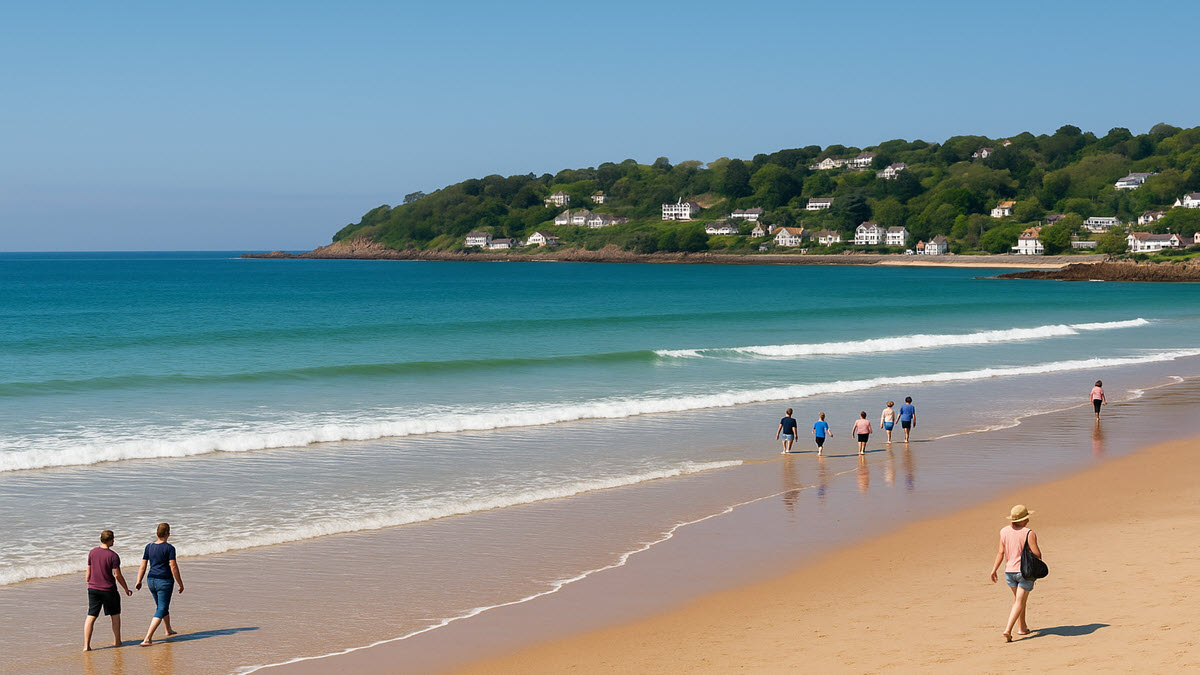
The Early May Bank Holiday in Jersey marks the arrival of spring and offering islanders a well-earned break. Rooted in ancient May Day traditions and later tied to the workers' rights movement, it has evolved into a non-political holiday focused on rest, community, and enjoying Jersey's natural beauty. Many residents spend the long weekend outdoors—walking along beaches, attending local fairs, or welcoming the start of the summer season.
-
Children's Day (South Korea)
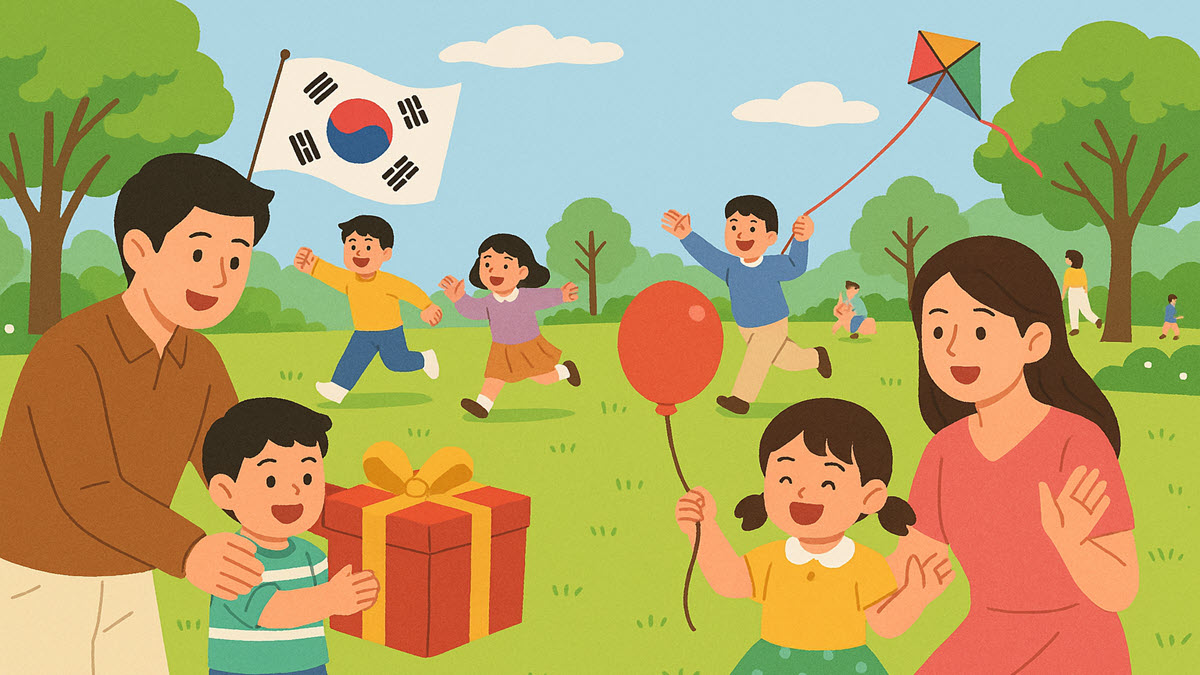
Children’s Day in South Korea was created by Bang Jeong-hwan in 1923, and declared a national holiday in 1975. Today, it is marked by family celebrations, gifts, and cultural events, symbolizing both joy and the importance of children’s rights.
-
Liberation Day (Netherlands)
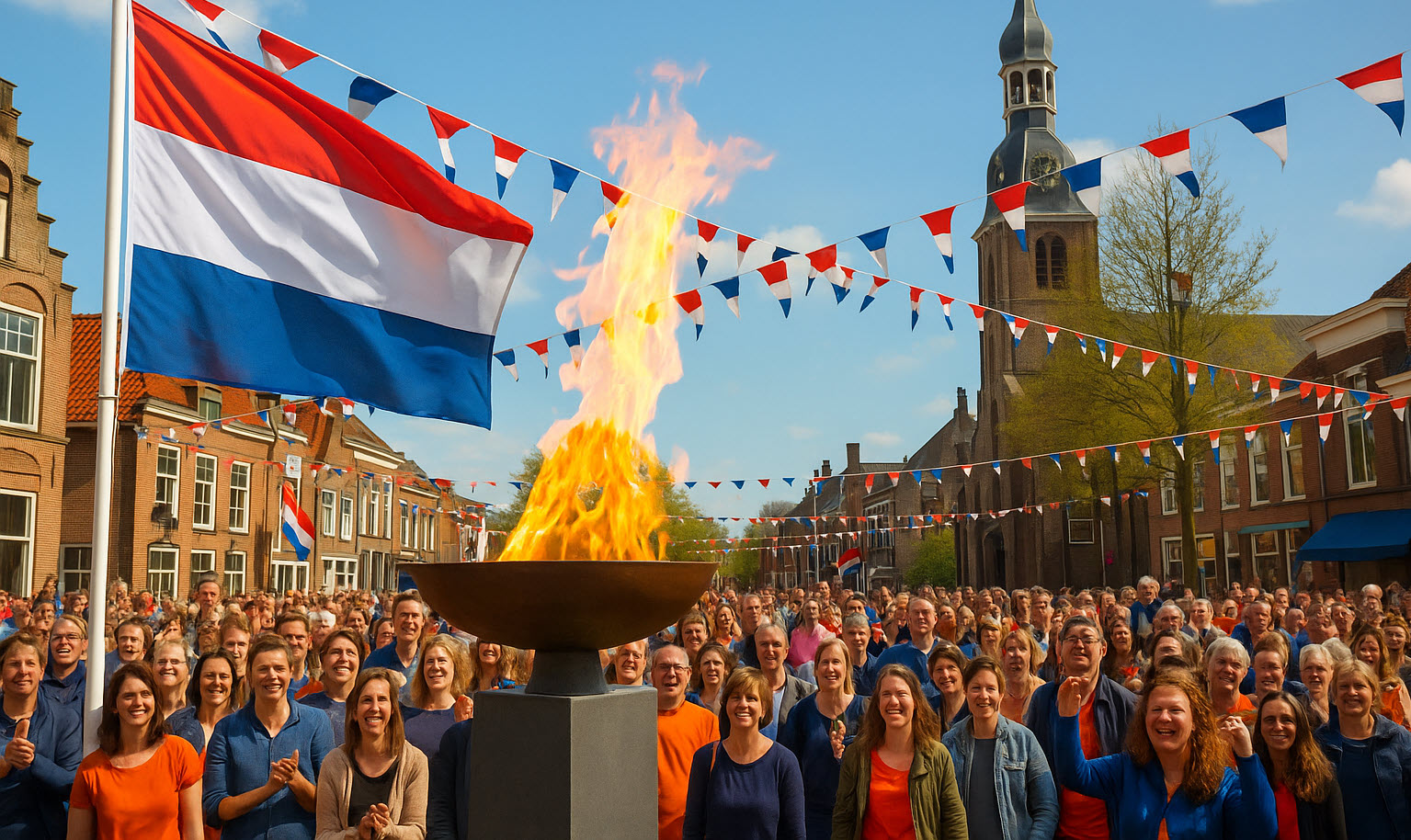
Liberation Day marks the end of WWII occupation in the Netherlands. It is celebrated every year with ceremonies, festivals, and the Freedom Flame, reminding the nation of the importance of peace and democracy.
-
Children's Day (Japan)
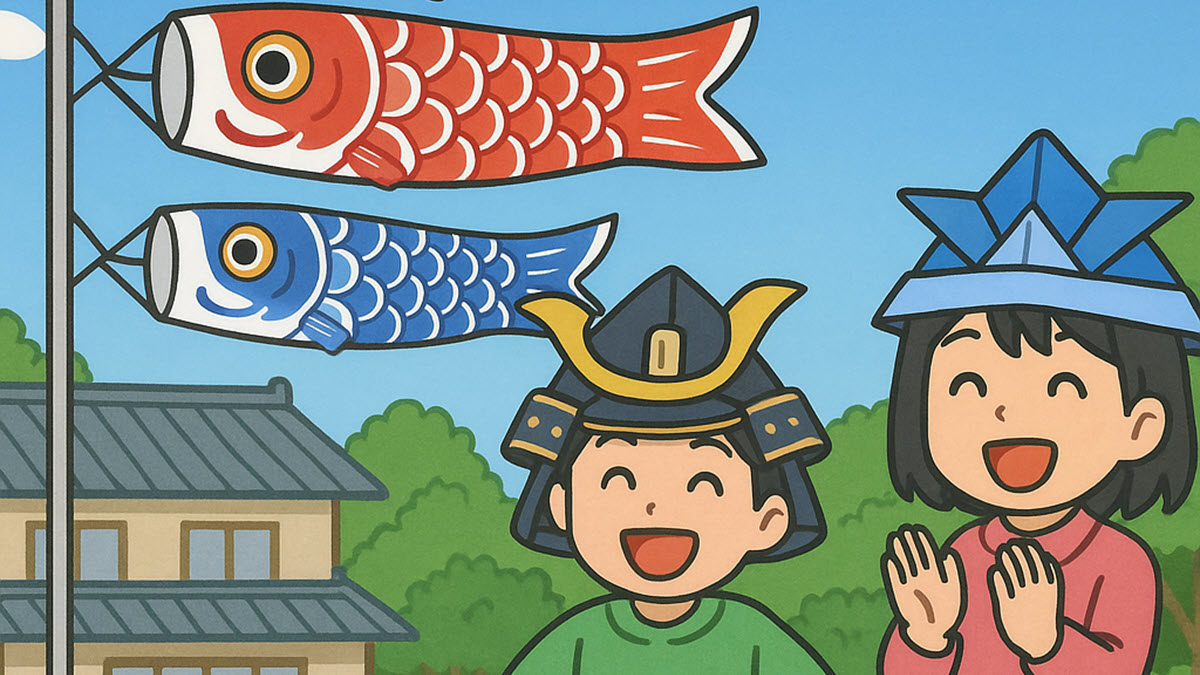
Children’s Day in Japan is a joyful national holiday dedicated to celebrating the happiness, health, and growth of children, and honoring their individuality and potential.
-
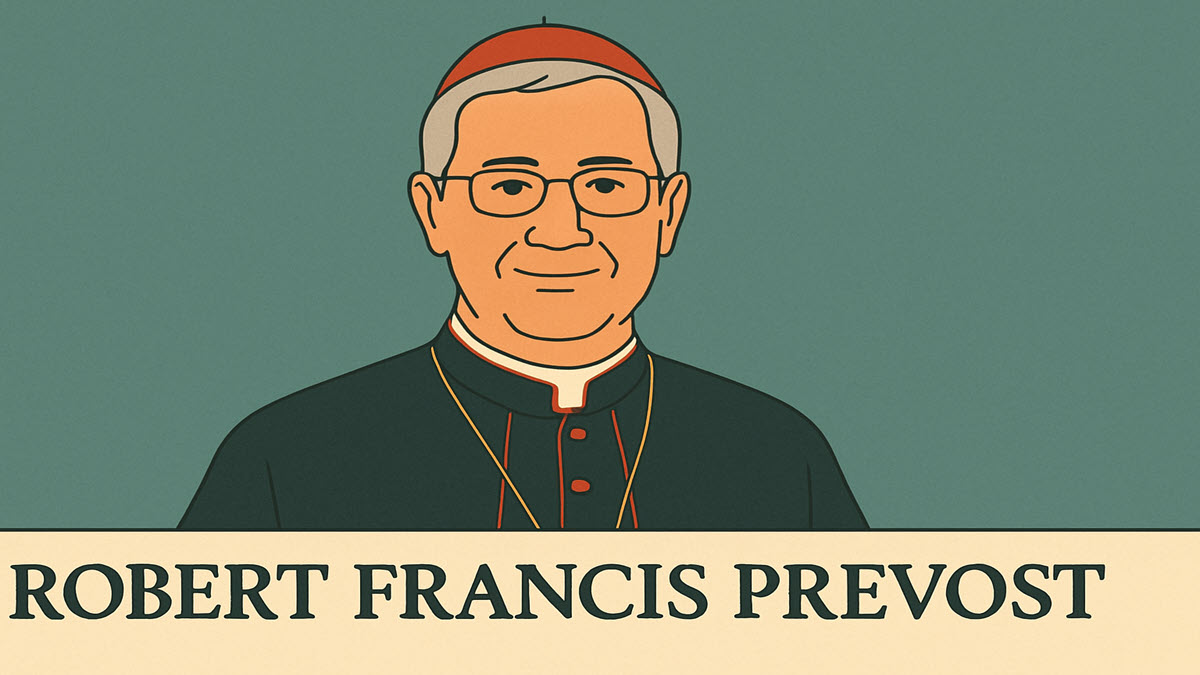
Pope Leo XIV
Pope Leo XIV was elected as the 266th successor to St. Peter on May 8, 2025, following the death of Pope Francis. His election marked a historic moment as he became the first American-born pope and the first member of the Augustinian order to ascend to the papacy.
-
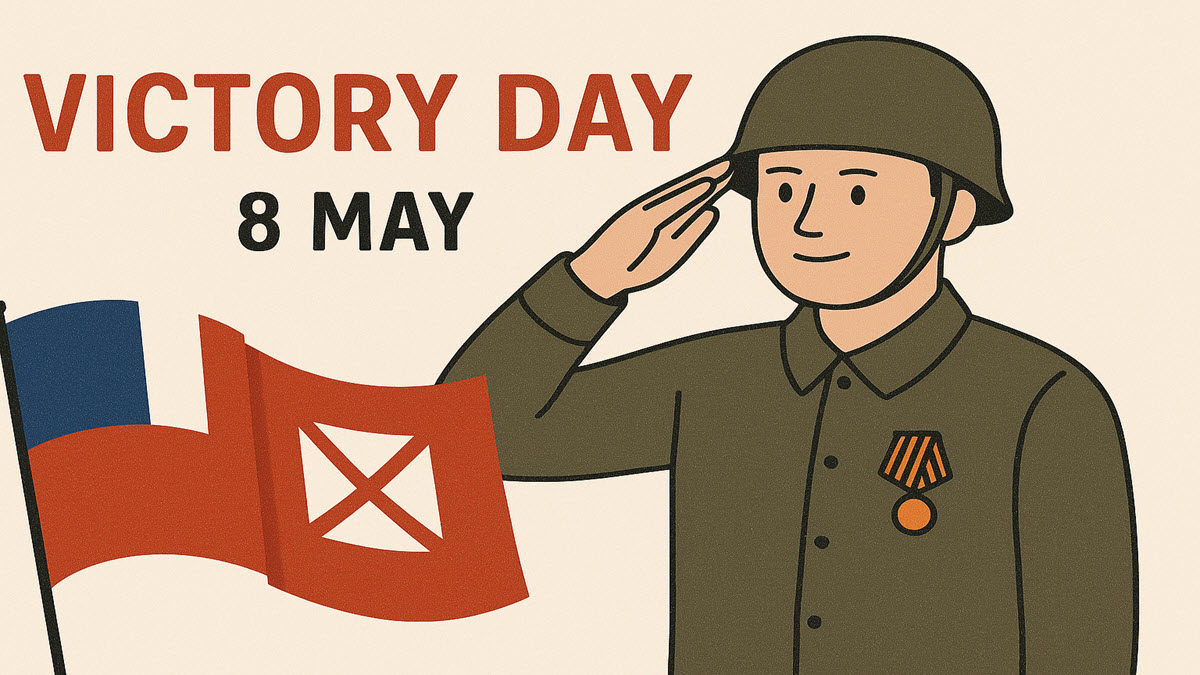
Victory Day in Wallis and Futuna
Victory Day is a public holiday in Wallis and Futuna. It commemorates the Allied victory in Europe during World War II, marking the formal surrender of Nazi Germany on May 8, 1945. As a French overseas collectivity, Wallis and Futuna observes this day in alignment with France's national holiday.
-
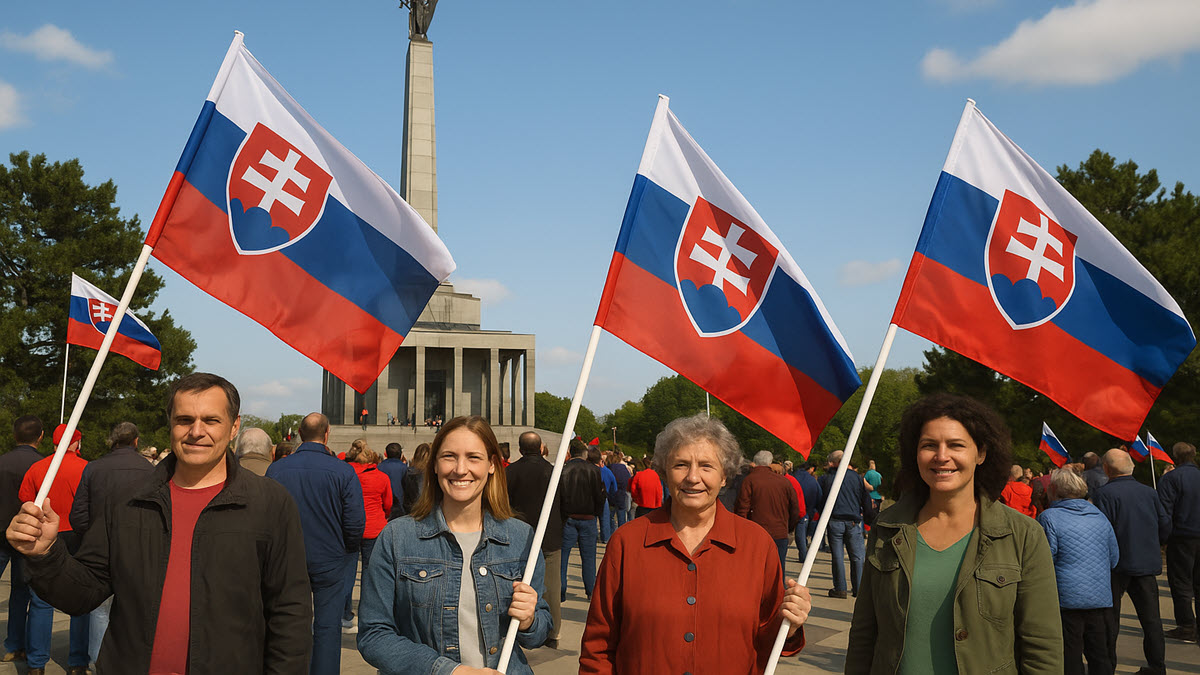
Victory over Fascism Day (Slovakia)
Victory over Fascism Day in Slovakia commemorates the defeat of Nazi Germany in 1945, the liberation of Slovak lands, and the sacrifices of both Slovak partisans and Allied soldiers. Established after WWII, it continues today as a reminder of the nation’s struggle for freedom, democracy, and resistance to totalitarianism.