Events
-
-
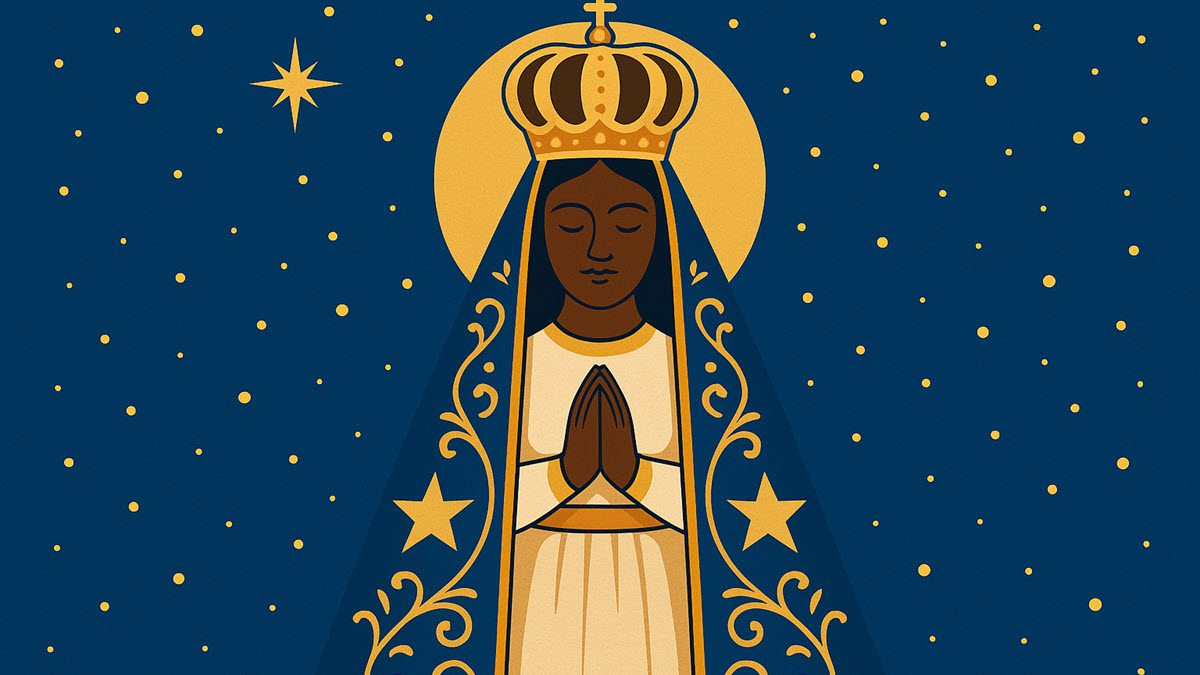
Lady of Aparecida Day (Brazil)
Our Lady of Aparecida Day honors Nossa Senhora Aparecida, the patron saint of Brazil. The day commemorates the 1717 discovery of a small clay statue of the Virgin Mary by fishermen in the Paraíba River, which became a symbol of hope and faith. Over centuries, devotion to Our Lady of Aparecida grew into one of Brazil’s most cherished traditions. Millions of pilgrims visit the Basilica of the National Shrine of Aparecida, one of the largest churches in the world, to pay tribute.
-
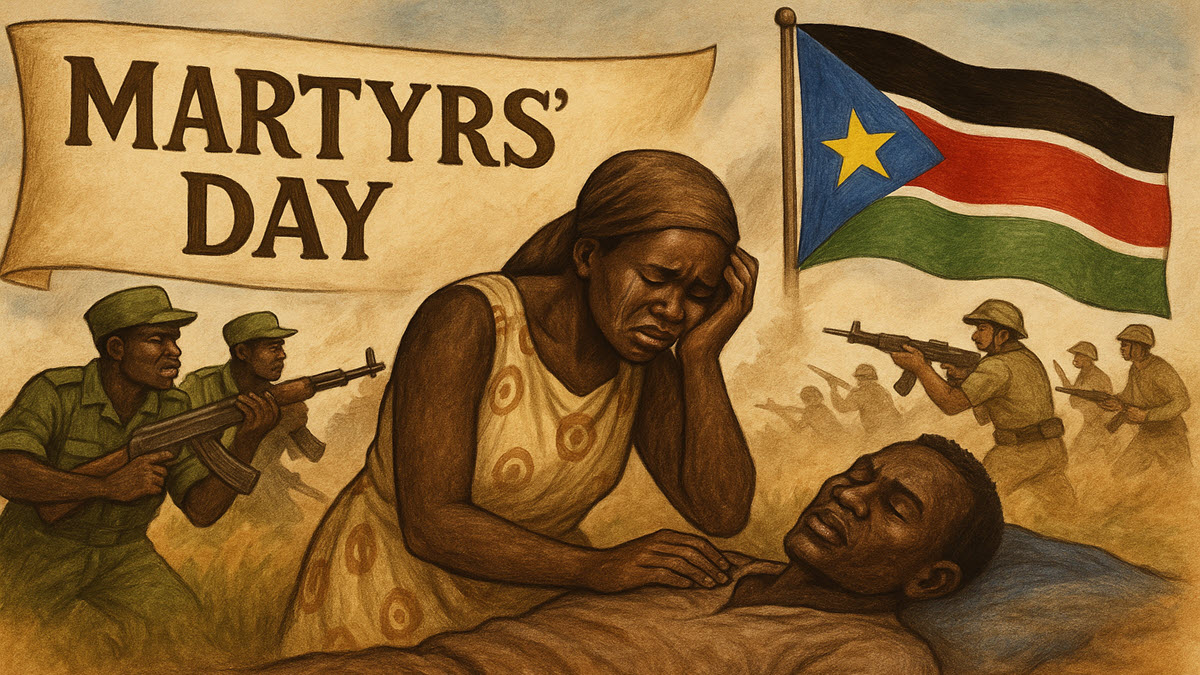
Martyrs' Day (South Sudan)
Martyrs’ Day was created in memory of Dr. John Garang, who died in 2005, but it has since become a broader national commemoration of all South Sudanese who gave their lives in the long struggle for independence.
-
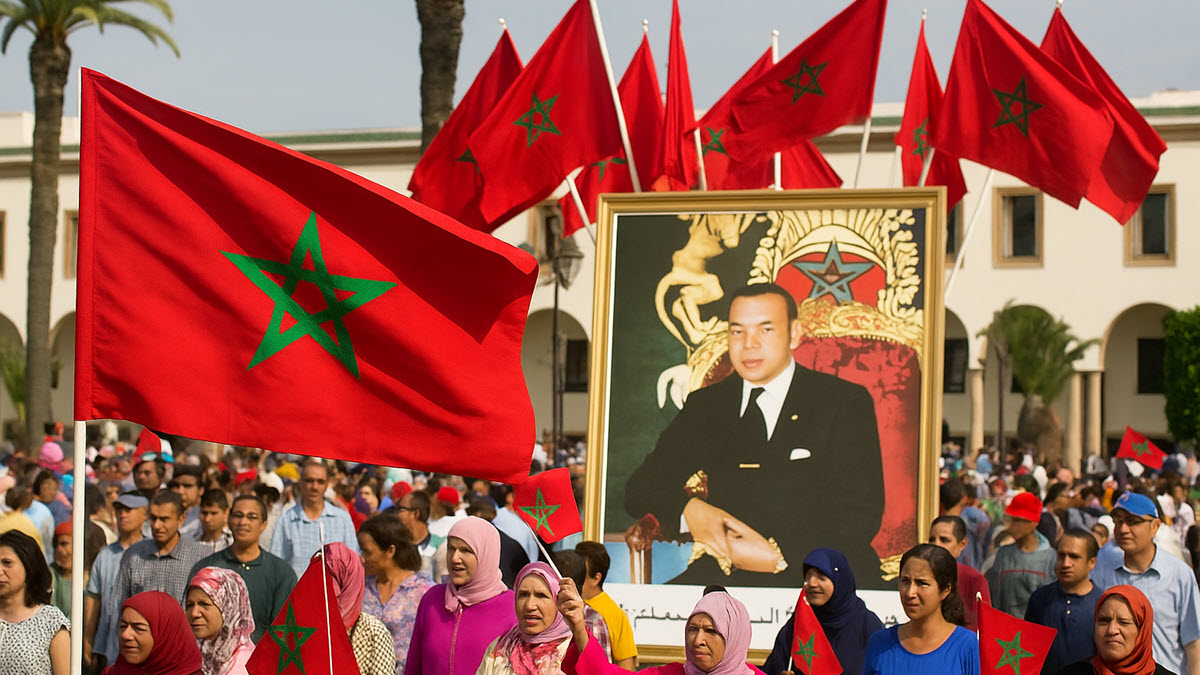
Throne Day (Morocco)
Throne Day in Morocco marks the anniversary of King Mohammed VI’s accession to the throne in 1999, honoring national unity, loyalty to the monarchy, and Morocco’s progress under his reign.
-
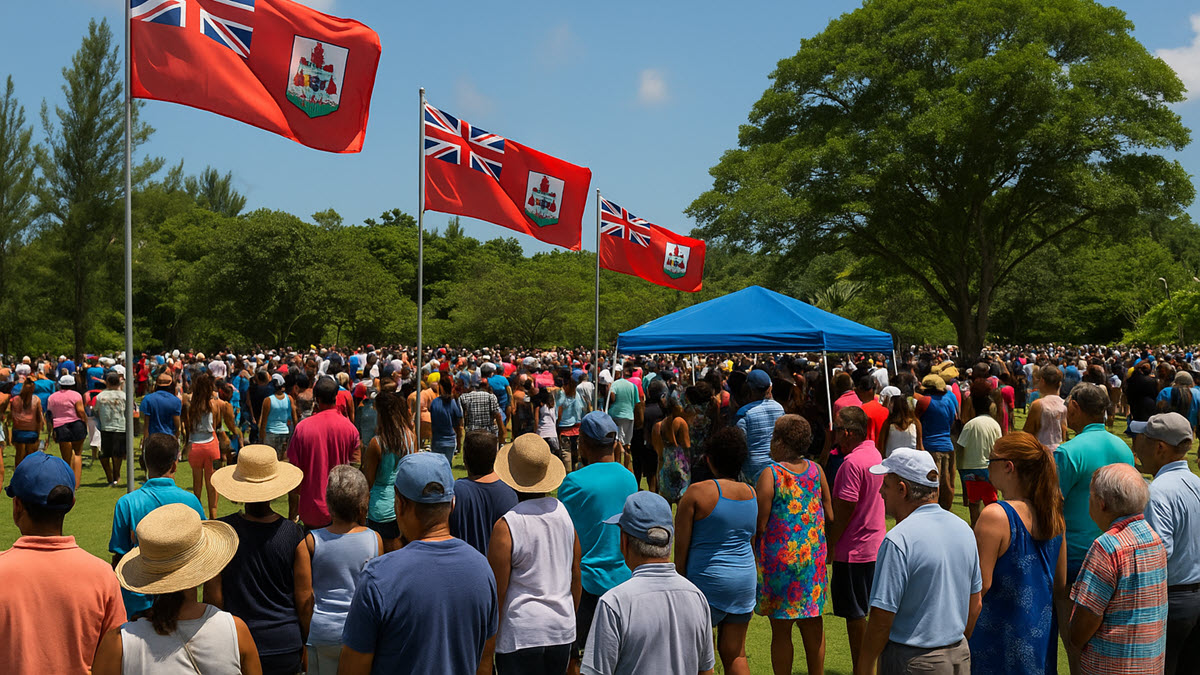
Emancipation Day (Bermuda)
Emancipation Day in Bermuda commemorates the abolition of slavery in the British Empire in 1834. The day honors the resilience, freedom and cultural heritage of Bermudians of African descent. It also marks the beginning of the island's beloved Cup Match holiday, a two-day celebration featuring the historic cricket rivalry between Somerset and St. George's clubs.
-
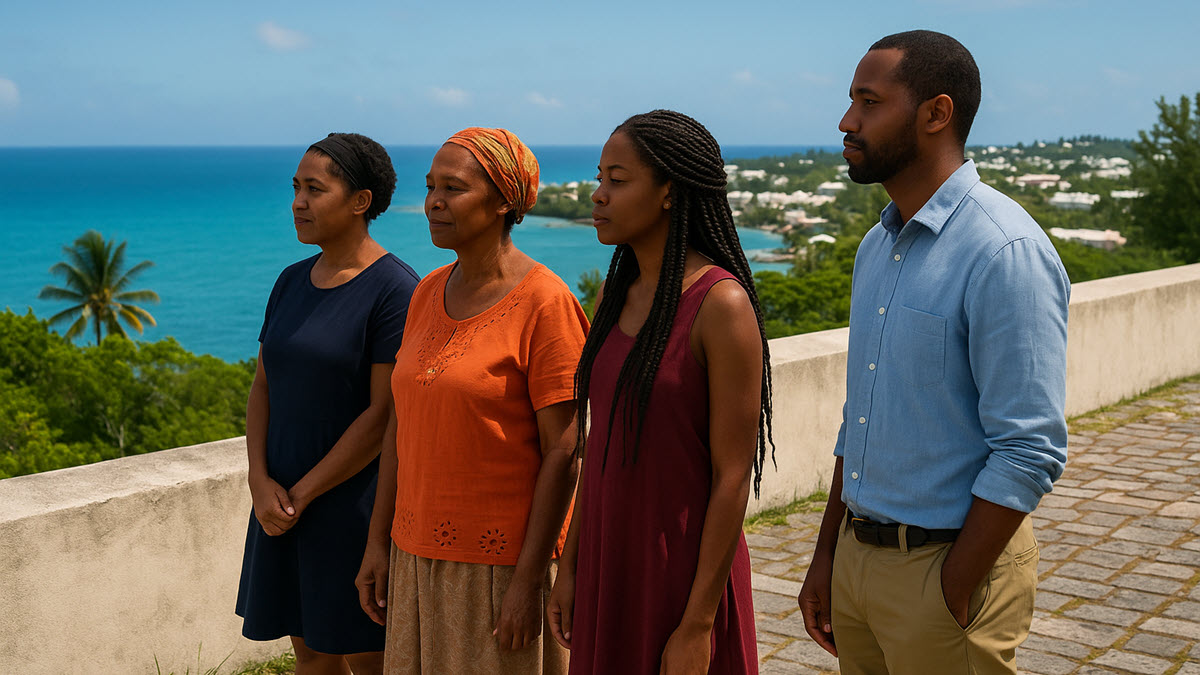
Mary Prince Day
Mary Prince Day honors Mary Prince, a Bermudian woman whose autobiography, The History of Mary Prince (1831), was the first account of a Black woman's life published in Britain. Her courageous testimony exposed the brutality of slavery in the Caribbean and Bermuda, helping to advance the abolitionist movement. Falling during the Cup Match holiday weekend, it joins Emancipation Day in commemorating the island's enduring fight for justice and equality.
-
-
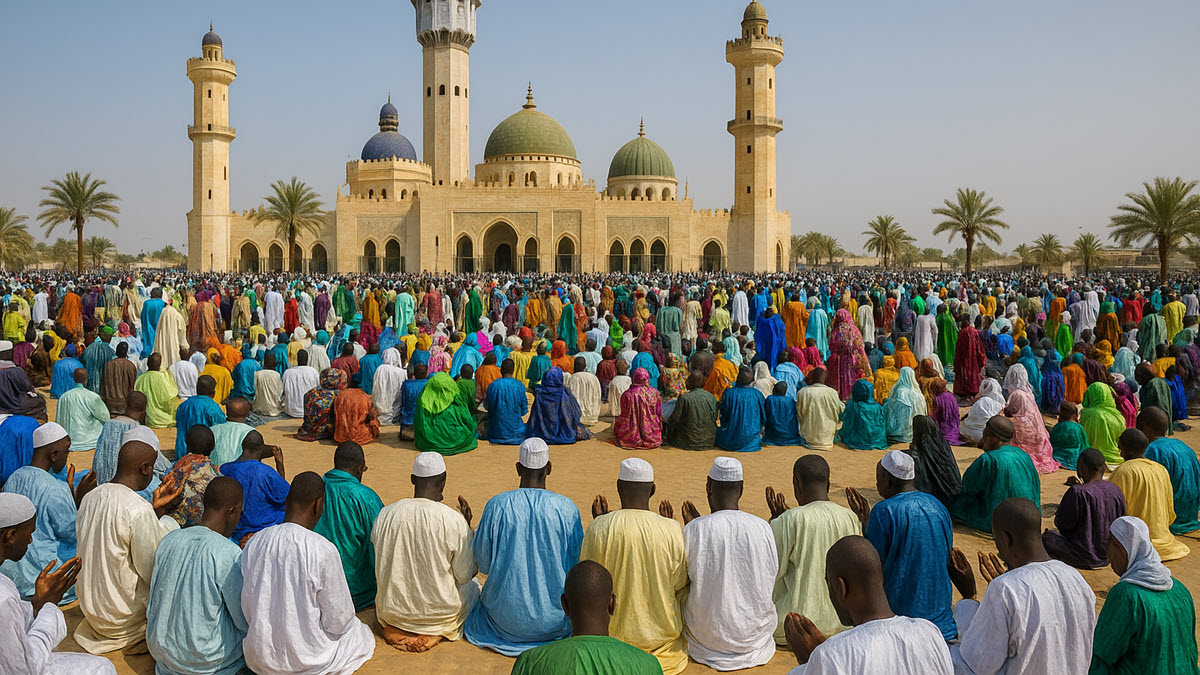
Grand Magal de Touba
The Grand Magal de Touba is a massive religious pilgrimage in Senegal, honoring the exile and return of Cheikh Amadou Bamba, founder of the Mouride Brotherhood. It is marked by prayer, charity, and community gathering, drawing millions of participants each year to Touba.
-
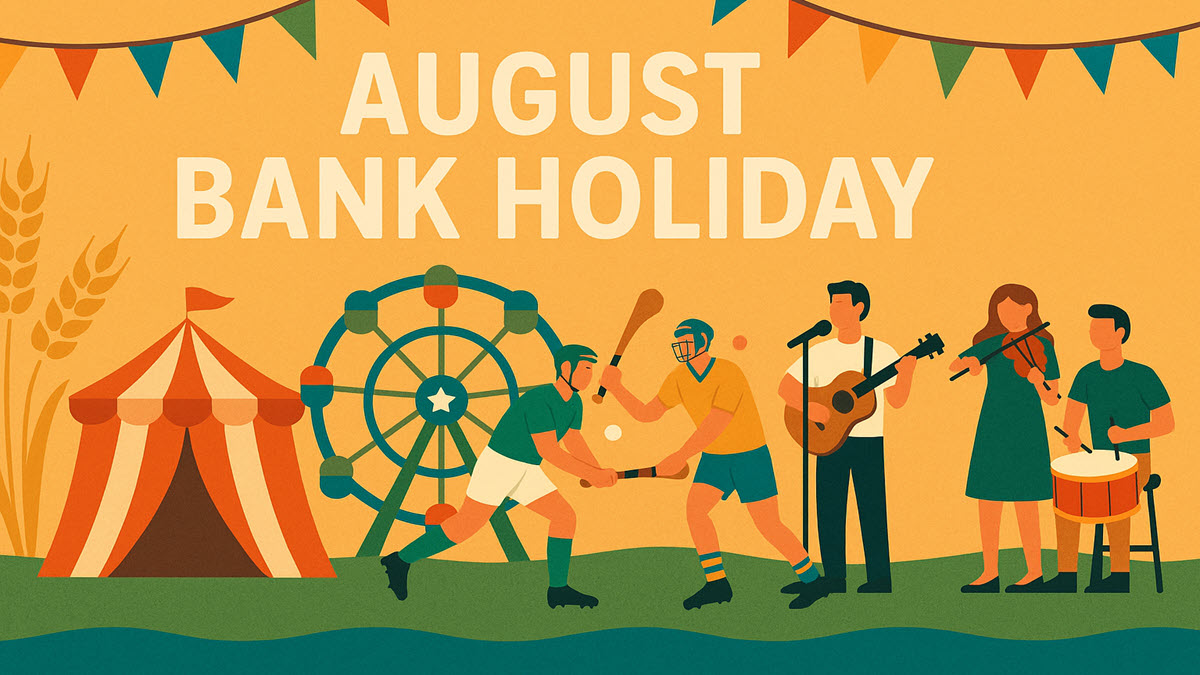
August Bank Holiday
The August Bank Holiday in Ireland was introduced as part of 19th-century bank holiday legislation but draws on much older traditions of Lughnasadh harvest festivals. Today, it is celebrated with festivals, fairs, sports and holidays, marking the peak of the Irish summer.
-
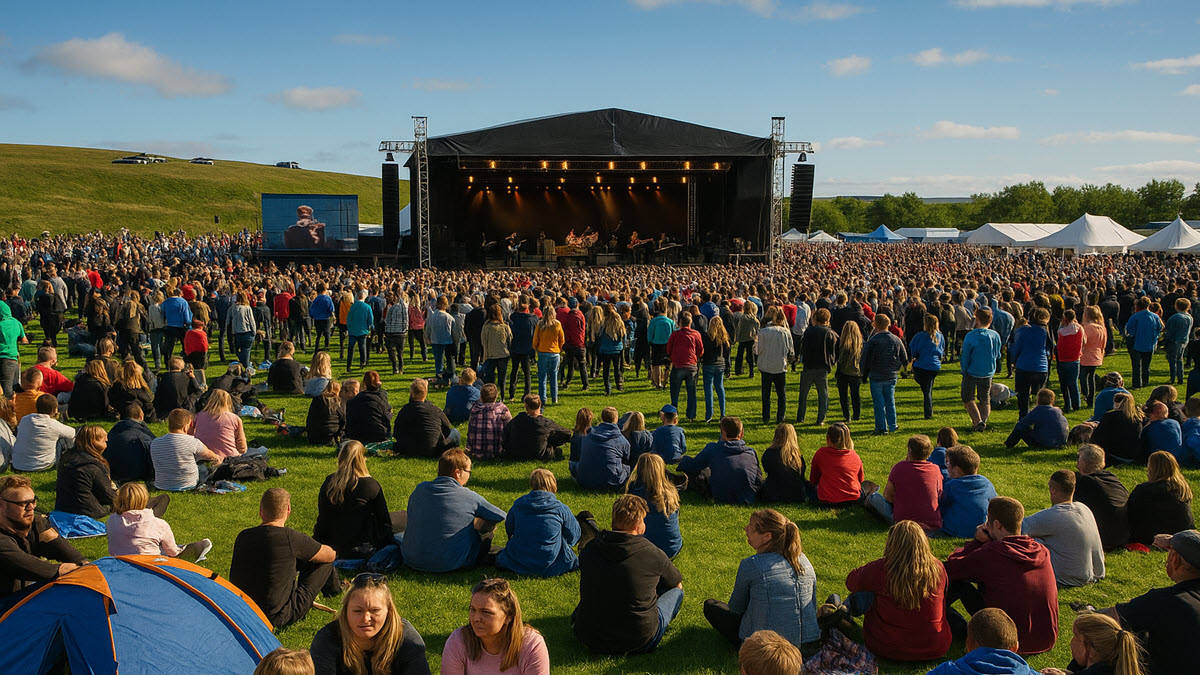
Commerce Day (Iceland)
Once created as a holiday for shopkeepers and workers, Commerce Day has grown into Iceland's biggest summer festival weekend. It's celebrated with concerts, camping and community events across the country.
-
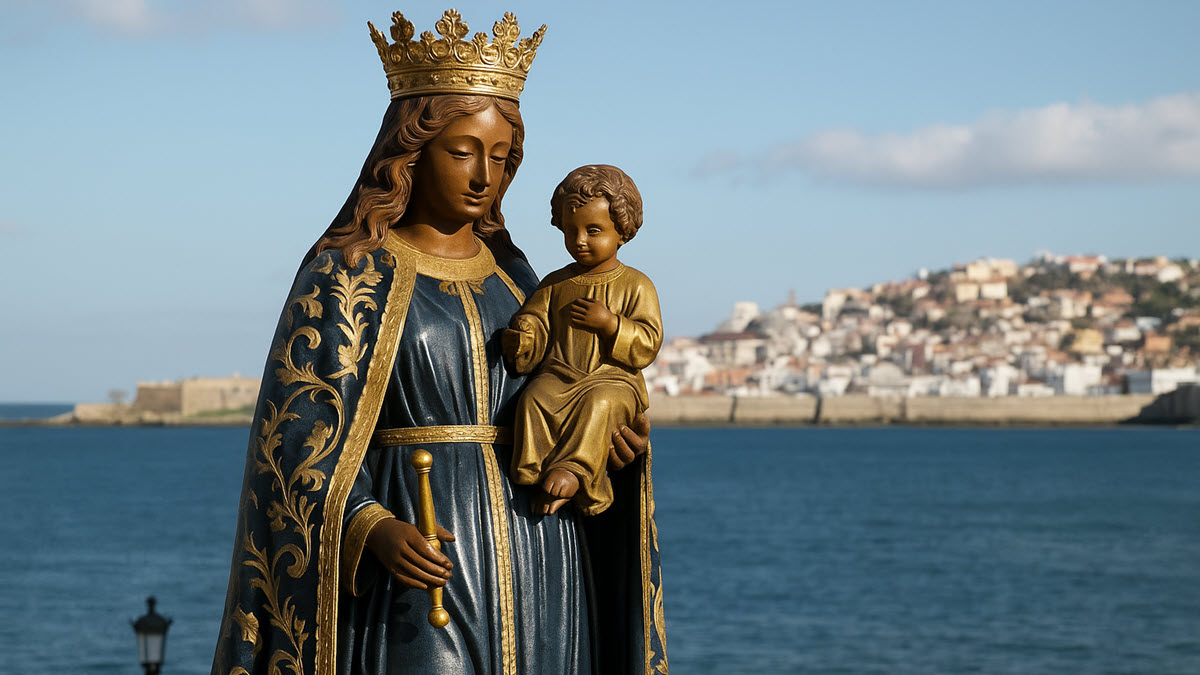
Our Lady of Africa
Our Lady of Africa in Spain refers to the Patroness of Ceuta, venerated since the 15th century. Her shrine and image remain central to the city’s identity, and her annual feast is one of Ceuta’s most important celebrations, blending faith, history, and culture.
-
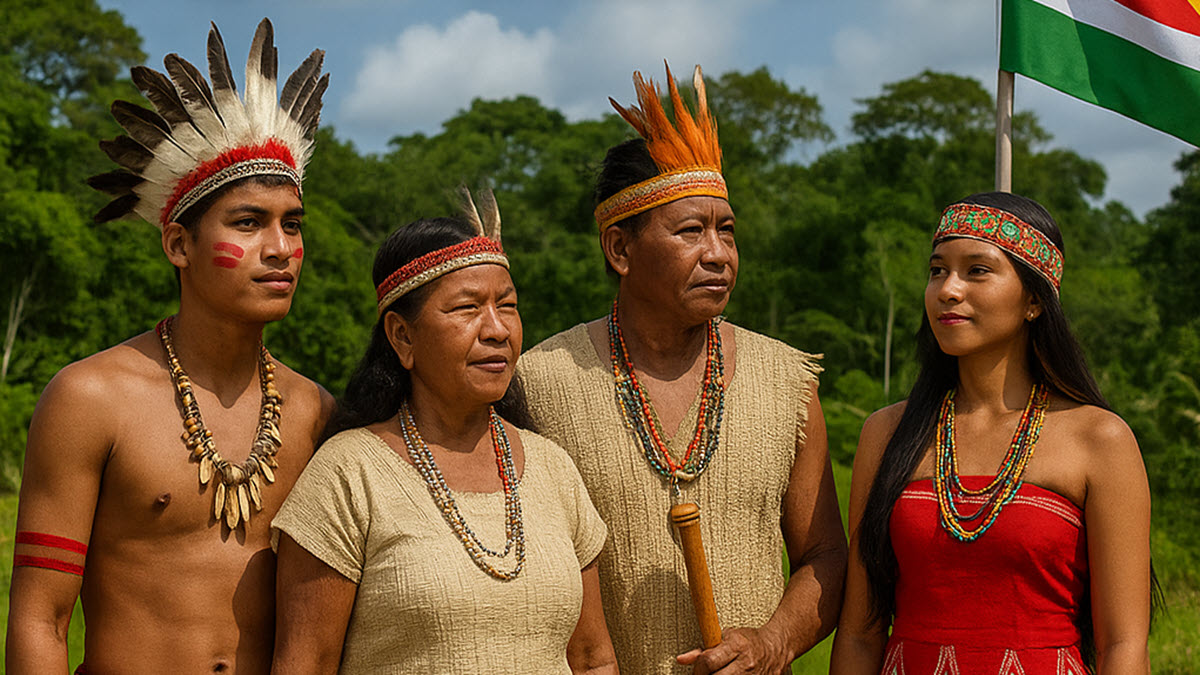
Indigenous Peoples Day Suriname
Indigenous Peoples Day in Suriname, known as Keti Koti, is to mark the abolition of slavery in 1863 (with full freedom realized in 1873). Celebrated with ceremonies, parades, music, and traditional dress, it is a national day of remembrance and cultural pride, symbolizing the breaking of chains and the enduring spirit of freedom.
-

National Women's Day
National Women’s Day commemorates the 1956 Women’s March to the Union Buildings in Pretoria, when more than 20,000 women of all races protested against the apartheid government’s pass laws. These laws required Black South Africans to carry pass books (internal passports), restricting their movement and reinforcing racial segregation.
-
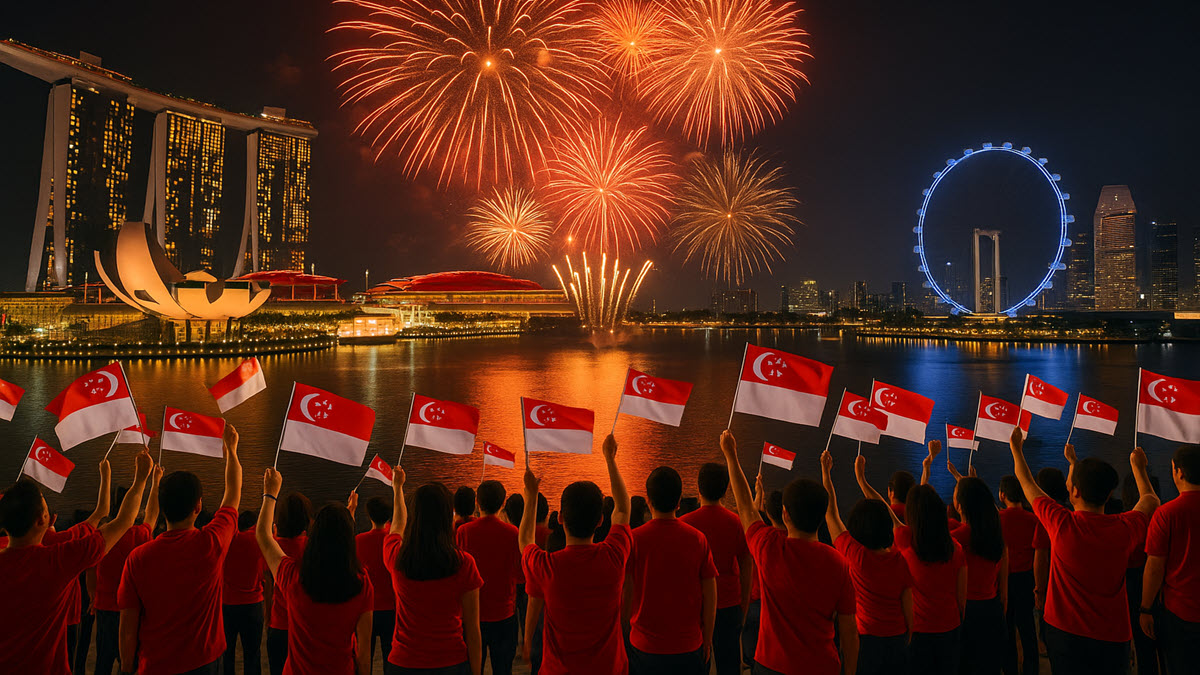
National Day (Singapore)
National Day in Singapore is a public holiday celebrated every year to mark the country’s independence from Malaysia in 1965.