Buddhism
Events
-
-
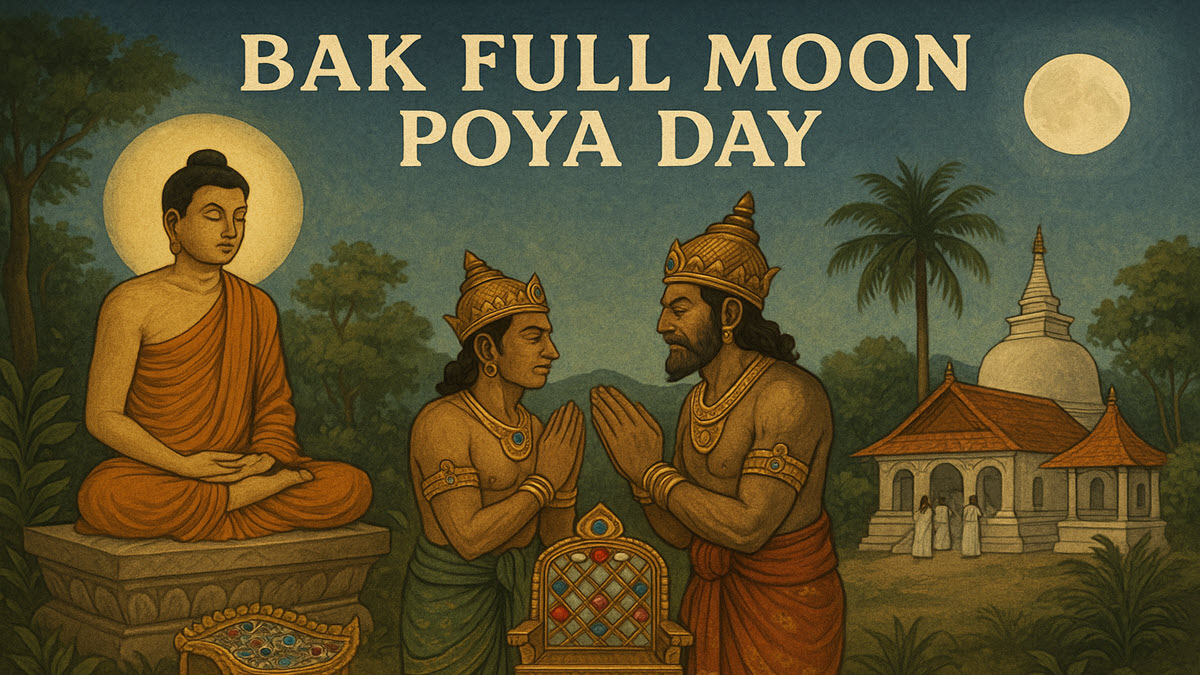
Bak Full Moon Poya Day
Bak Full Moon Poya commemorates the Buddha’s second visit to Sri Lanka in the 5th year after Enlightenment, when he settled a war between Naga kings Chulodara and Mahodara at Nagadipa. The event, recorded in the Mahavamsa, symbolizes peace and the Buddha’s role as peacemaker.
-
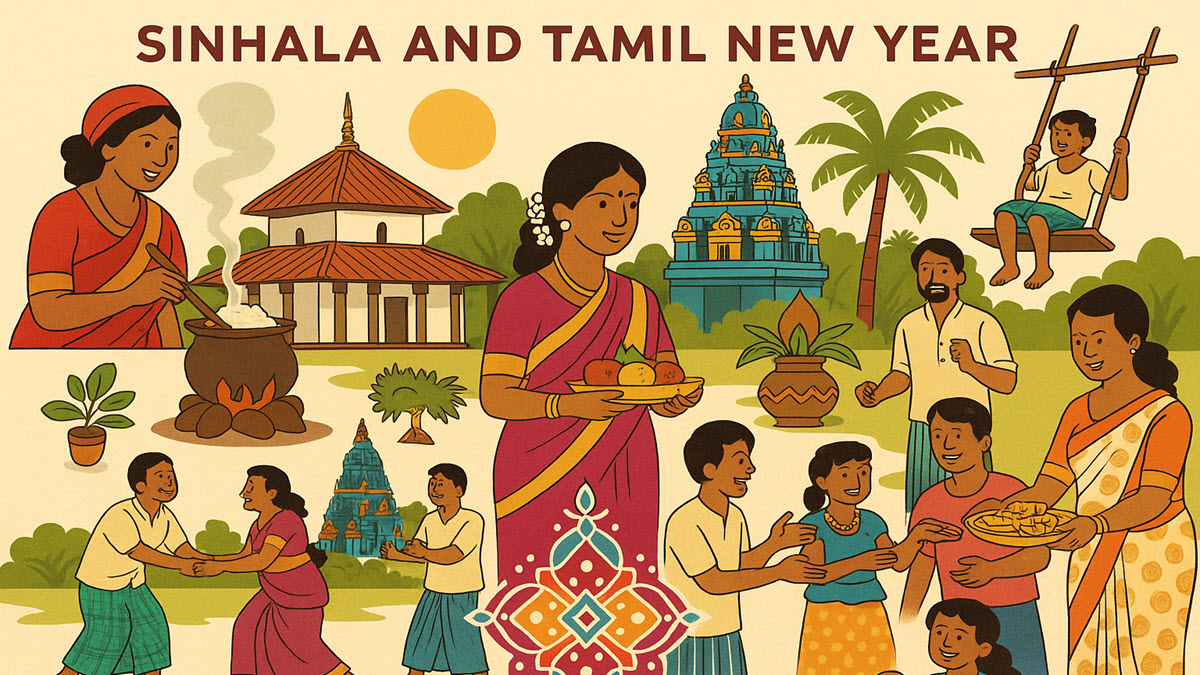
Sinhala and Tamil New Year
The Sinhala and Tamil New Year marks the solar new year and the end of the harvest season in Sri Lanka. It symbolizes prosperity, renewal and cultural unity across Sinhalese Buddhists and Tamil Hindus.
-
-
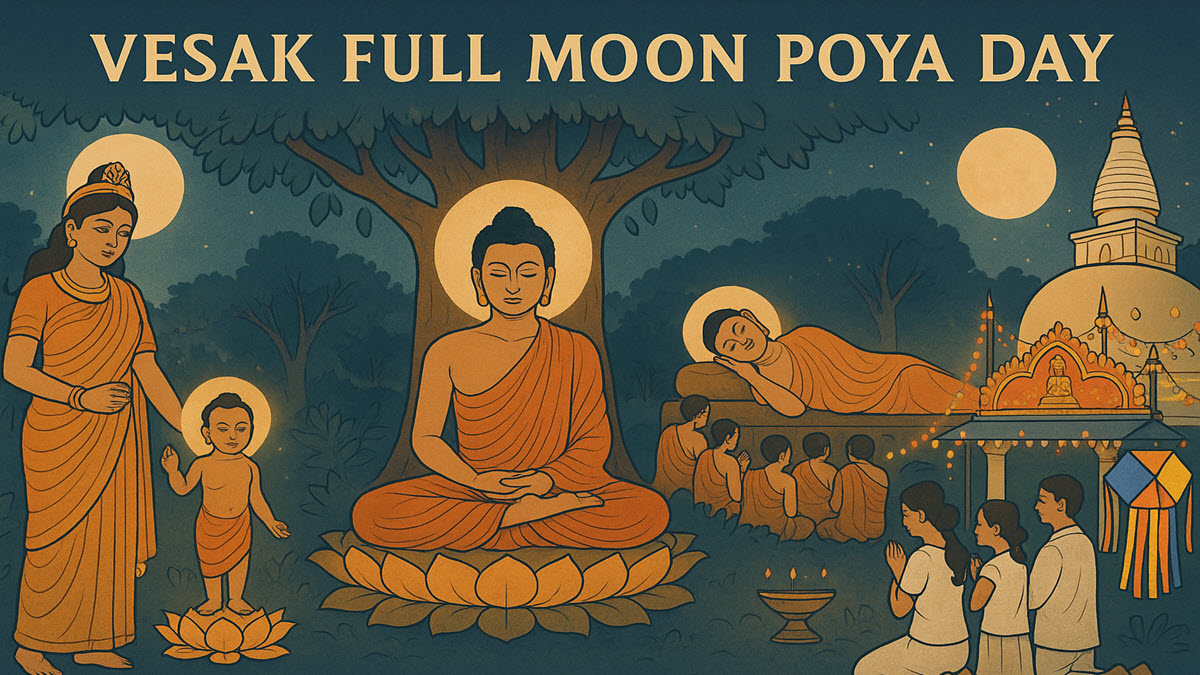
Vesak Full Moon Poya Day
Vesak Full Moon Poya, rooted in ancient India, commemorates the birth, Enlightenment, and passing away of the Buddha, all on the full moon of May. Introduced to Sri Lanka in the 3rd century BCE, it became the island's most sacred Buddhist festival. Today, Vesak is celebrated with temple rituals and almsgiving, symbolizing peace and the victory of wisdom over ignorance.
-
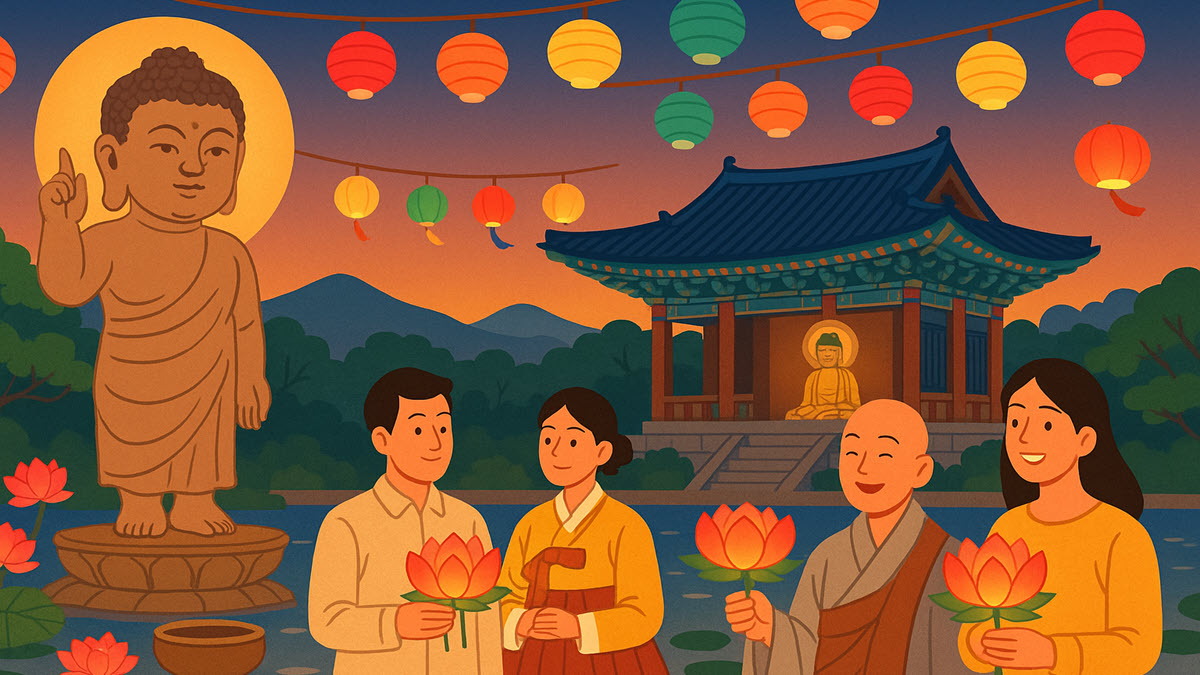
Buddha's Birthday (South Korea)
Buddha’s Birthday originated in India, spread across Asia with Buddhism, and became a central festival in Korea from the 4th century CE. Despite suppression under Confucian rule, it survived and is now one of Korea’s most cherished holidays, marked by lantern festivals, rituals, and cultural celebrations.
-
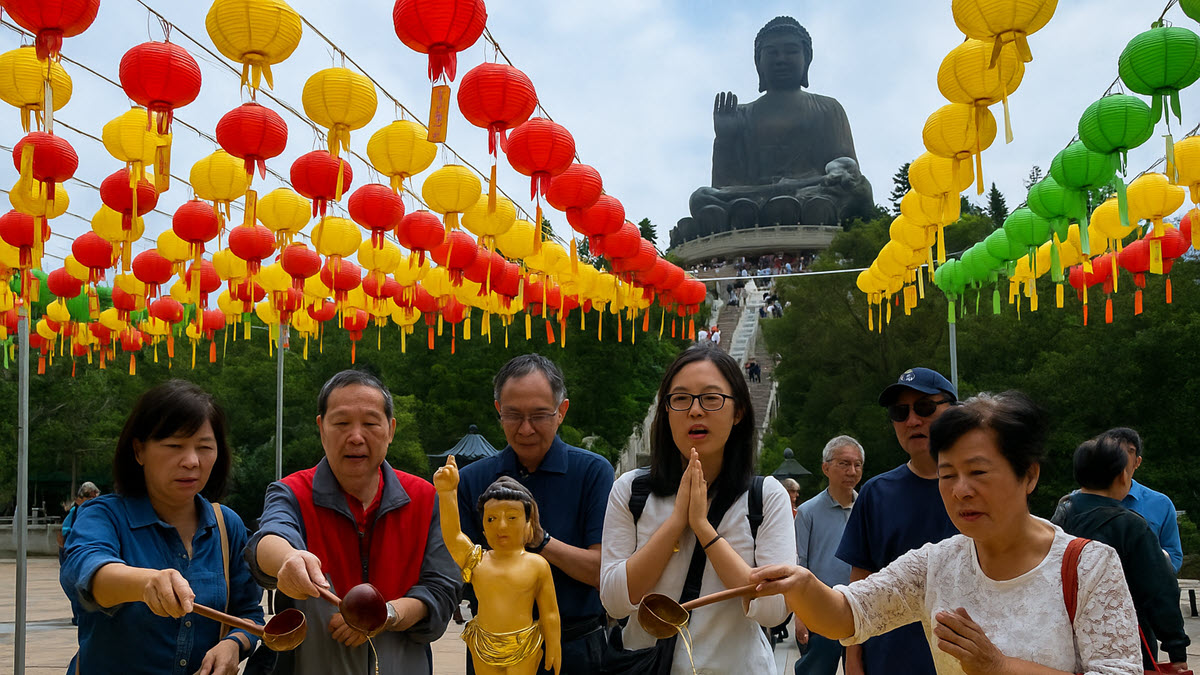
Buddha's Birthday (Hong Kong)
Buddha's Birthday in Hong Kong honors the birth of Siddhartha Gautama, the founder of Buddhism. It is a public holiday marked by ceremonies, temple visits, and the ritual of bathing the Buddha, symbolizing purity, compassion and spiritual renewal.
-
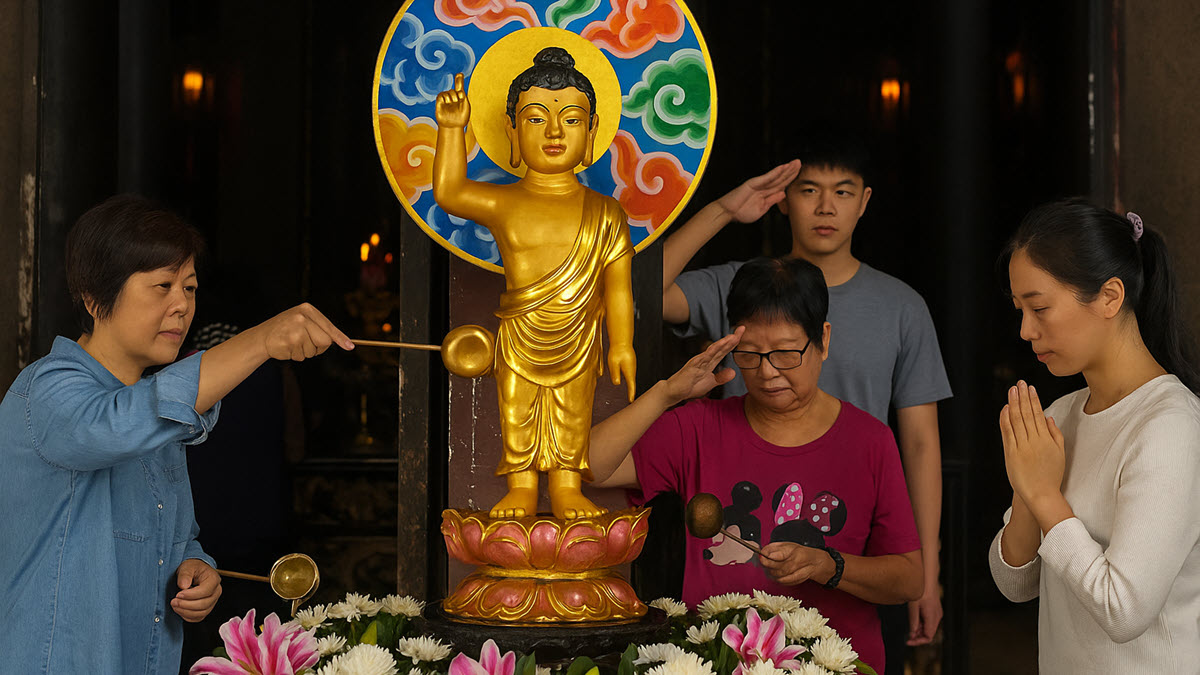
Buddha's Birthday (Macau)
Buddha's Birthday honors the birth of Siddhartha Gautama, the founder of Buddhism. The day is marked with temple ceremonies, incense offerings, and the symbolic "Bathing of the Buddha" ritual, where devotees pour water over Buddha statues to signify purification and renewal. Many people visit temples to pray for peace, compassion and good fortune.
-
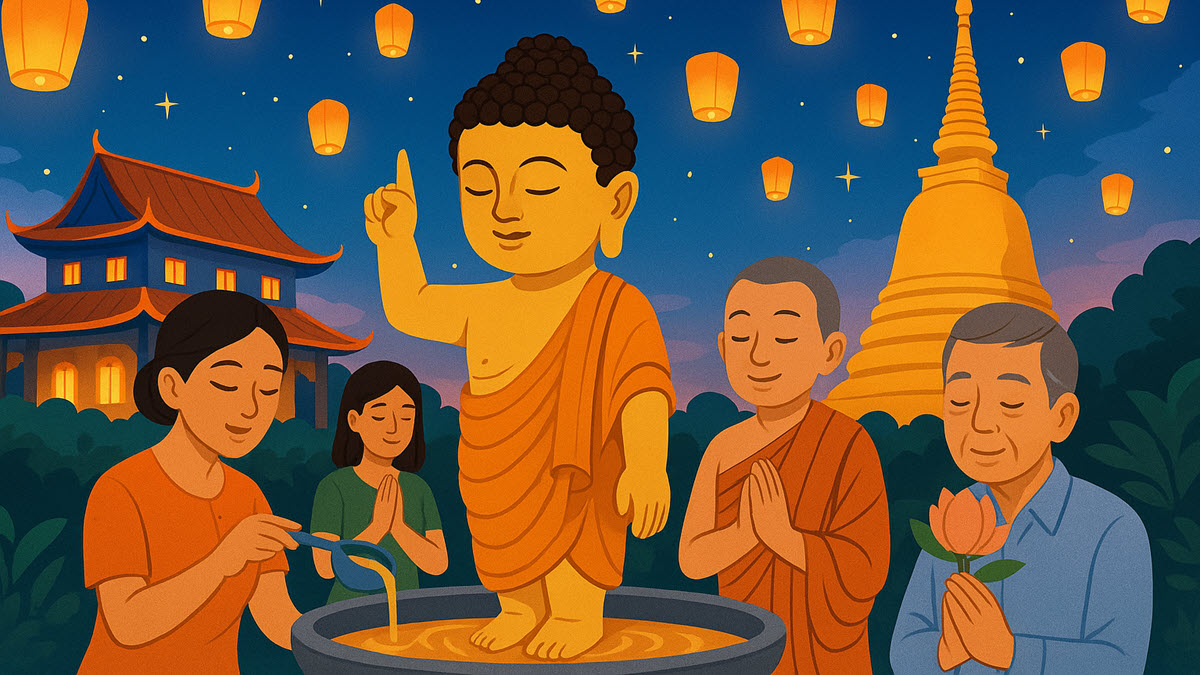
Vesak Day (Singapore)
Vesak Day marks the birth, enlightenment, and passing of the Buddha. In Singapore, it has been a public holiday since 1955 and is celebrated with temple ceremonies, acts of kindness, and community gatherings.
-
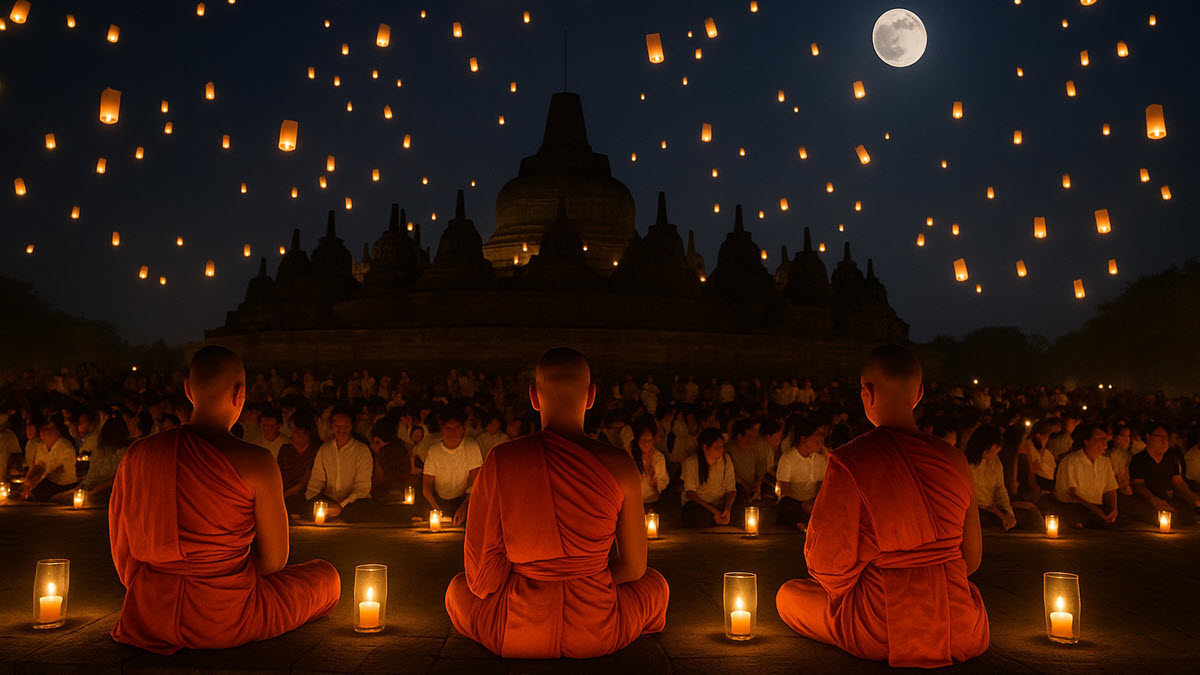
Buddha Day (Indonesia)
Buddha Day in Indonesia, known as Vesak or Waisak, celebrates the birth, enlightenment, and passing (parinirvana) of Siddhartha Gautama, the Buddha. , it is marked by prayers, meditation, and candlelight processions, especially at Borobudur Temple, symbolizing peace, compassion and spiritual awakening.
-
-
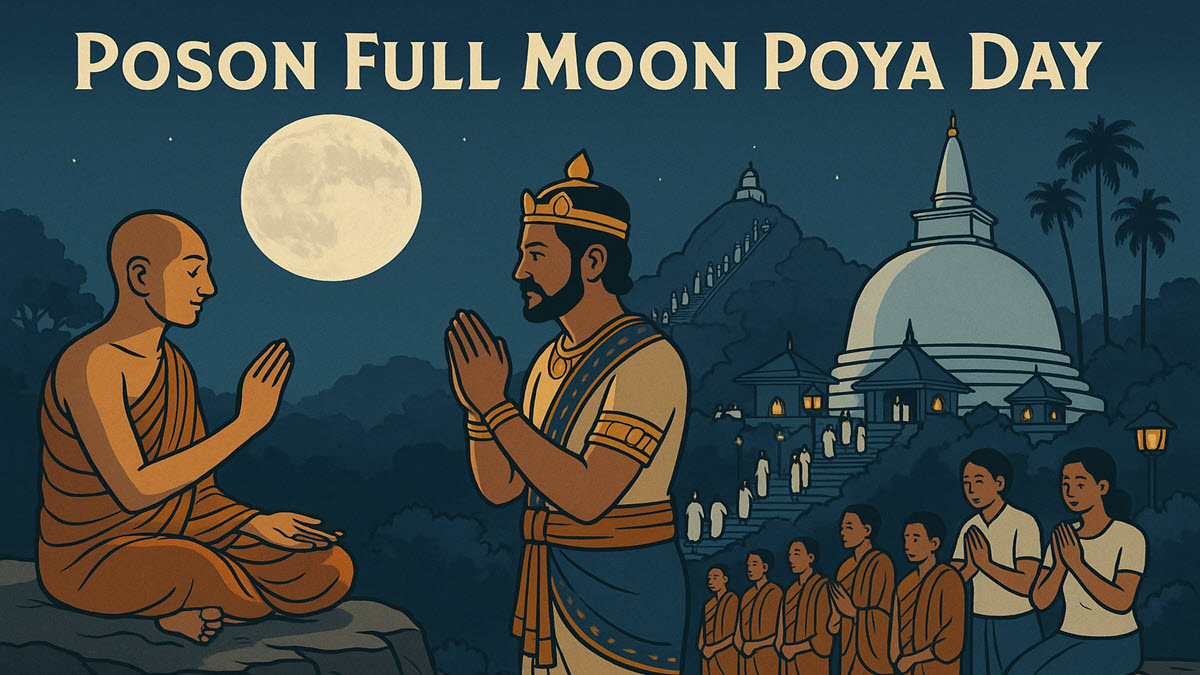
Poson Full Moon Poya Day
Poson Full Moon Poya marks the arrival of Arahat Mahinda Thera and the introduction of Buddhism to Sri Lanka during King Devanampiya Tissa’s reign in the 3rd century BCE. The historic meeting at Mihintale led to Buddhism becoming the island’s state religion. Today, Poson Full Moon Poya Day is one of Sri Lanka’s most important Buddhist festivals.
-
-

Asalha Puja
Asalha Puja is one of the most sacred Buddhist holidays in Thailand, commemorating the day the Lord Buddha delivered his first sermon, which laid the foundation of the Buddhist faith. The observance of Asalha Puja in Thailand is deeply tied to the country’s religious heritage, monarchy, and Theravāda Buddhist tradition.
-
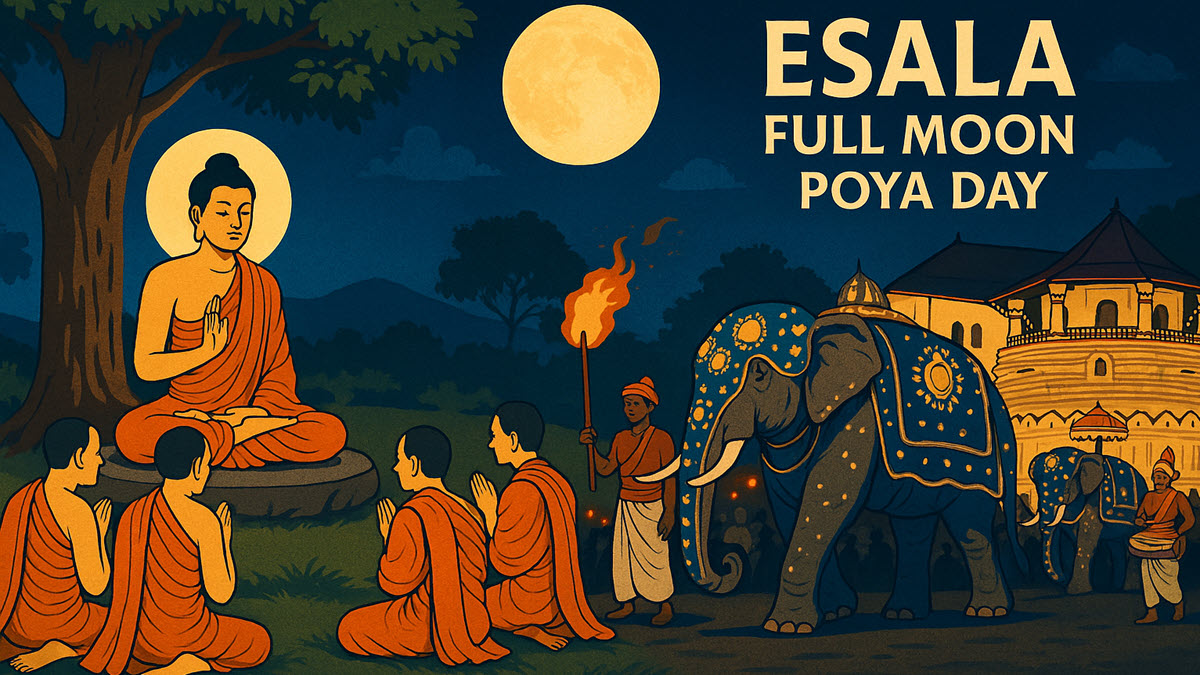
Esala Full Moon Poya Day
Esala Full Moon Poya is one of Buddhism’s most historic days. It commemorates the conception and renunciation of Prince Siddhartha, the Buddha’s first sermon at Isipatana (introducing the Four Noble Truths), and the founding of the Sangha. In Sri Lanka, Esala is marked by temple observances and the world-famous Kandy Esala Perahera, honoring the Sacred Tooth Relic of the Buddha.