Events for February 17, 2026
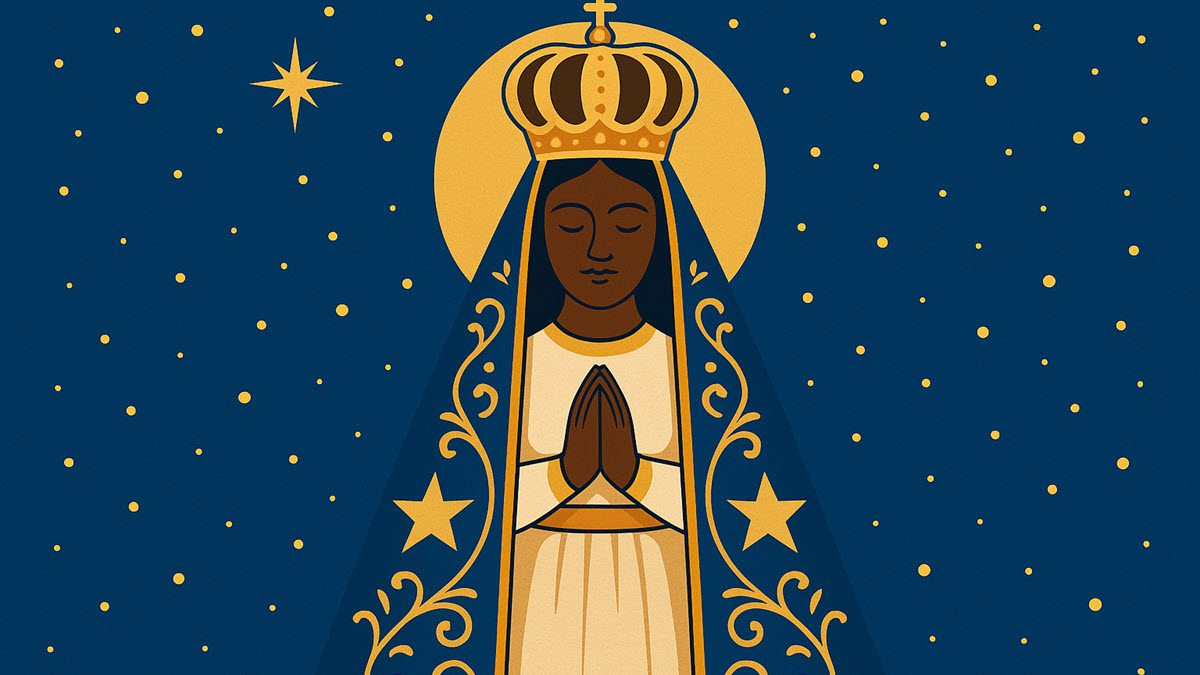
Lady of Aparecida Day (Brazil)
Our Lady of Aparecida Day honors Nossa Senhora Aparecida, the patron saint of Brazil. The day commemorates the 1717 discovery of a small clay statue of the Virgin Mary by fishermen in the Paraíba River, which became a symbol of hope and faith. Over centuries, devotion to Our Lady of Aparecida grew into one of Brazil’s most cherished traditions. Millions of pilgrims visit the Basilica of the National Shrine of Aparecida, one of the largest churches in the world, to pay tribute.

Shrove Tuesday
Shrove Tuesday is the day before Ash Wednesday, marking the end of the pre-Lenten season known as Shrovetide. It is traditionally a day of feasting, confession and preparation for the 40-day Lenten season.

Carnival Tuesday Venezuela
Carnival Tuesday in Venezuela is the final day of the country’s two-day official Carnival holiday, following Carnival Monday and immediately preceding Ash Wednesday, which marks the start of Lent in the Christian calendar.
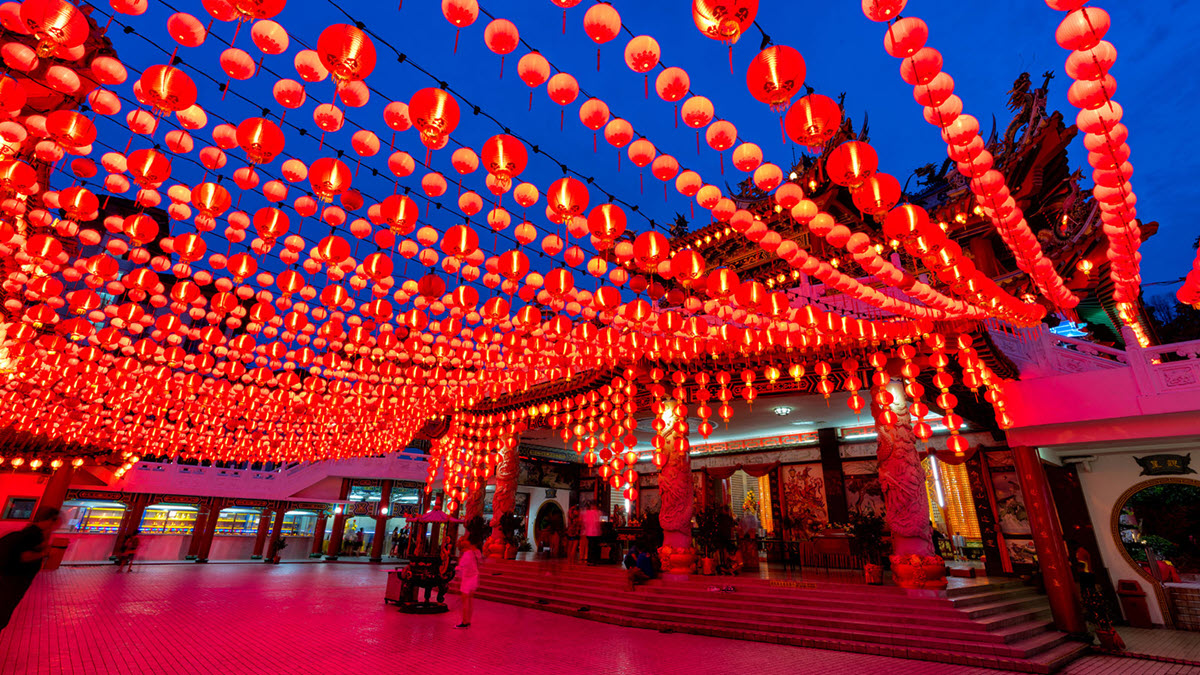
Chinese New Year
Chinese New Year, also known as the Spring Festival (春节), is the most important traditional festival celebrated in many East Asian countries, including China, Taiwan, Hong Kong, Singapore, and others.

Mardi Gras Day
Mardi Gras Day, also known as Fat Tuesday, is a vibrant and festive celebration that takes place the day before Ash Wednesday, marking the start of Lent in the Christian calendar. It’s a day of indulgence, feasting, and revelry before the solemnity of the Lenten season.

Vietnamese New Year
Vietnamese New Year, known as Tết Nguyên Đán or simply Tết, is the most significant and widely celebrated holiday in Vietnam. It marks the beginning of the lunar calendar year and is a time for family reunions, honoring ancestors, and welcoming spring.

Carnival Tuesday Uruguay
Carnival Tuesday in Uruguay is the day following Carnival Monday, celebrated just before Ash Wednesday, marking the end of the Carnival season and the beginning of Lent in the Christian calendar.
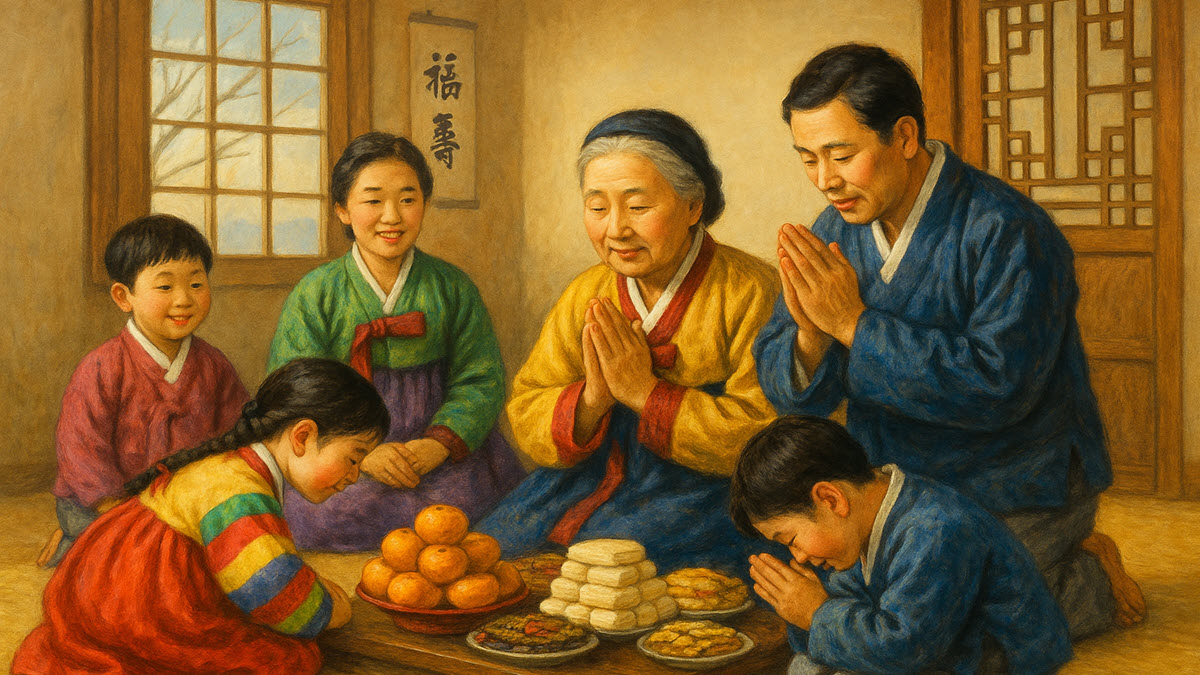
Seollal
Seollal began as an ancient lunar and agricultural celebration, was reshaped under Confucian influence into an ancestor-honoring family holiday, suppressed during colonization, and finally restored in 1989 as a three-day holiday. Today, it remains a cornerstone of Korean culture and identity.